

For photographers·10 minute read·Last updated May 2025Wedding Photography Tips and the Documentary Approach.
Whether you're just starting out as a Documentary Wedding Photographer or looking to refine your approach, this guide covers the essential skills, gear decisions, portfolio strategy, and marketing principles behind a successful documentary wedding photography career, drawing on nearly two decades of practical experience and 800+ weddings.
KEVIN MULLINS
Documentary wedding photographer · First Fujifilm X-Photographer ambassador · 800+ weddings since 2008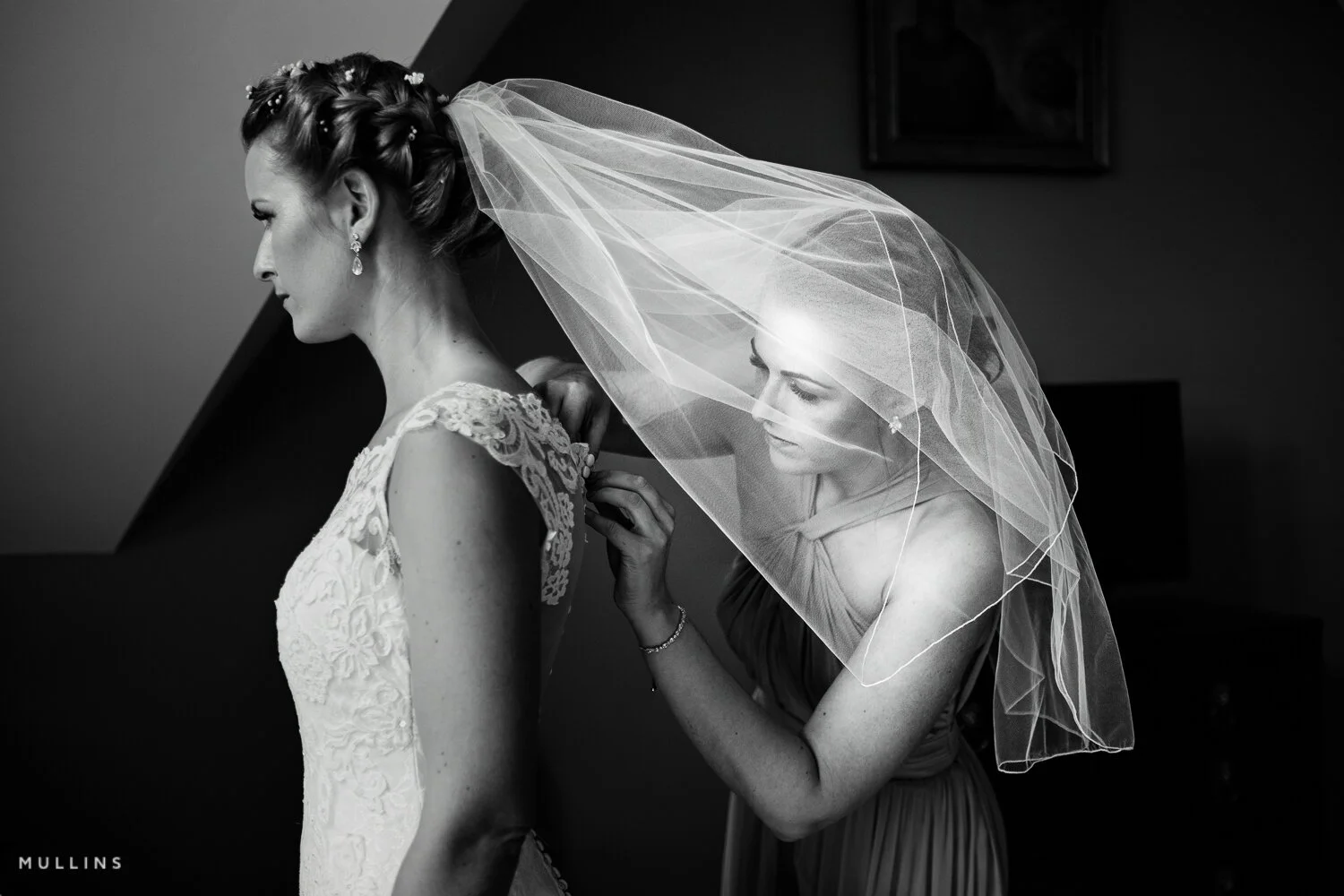 The story starts early in the day
01Introduction
Wedding photography is an incredibly rewarding career.
Being part of a couple's day and capturing real emotions is a privilege, but it comes with responsibility.
The pressure to document irreplaceable moments while staying unobtrusive is never fully under your control. This is what separates this work from most other kinds of wedding photography.
Most people think of wedding photography as structured: filled with posed portraits and lots of formal group shots.
But there is another way. A documentary approach to wedding photography focuses on real, unposed moments and tells the story as it naturally unfolds.
This style isn't about interfering or staging; it's about seeing, anticipating, and capturing the day as it happens.
In this guide, I'll take you through the key steps to becoming a documentary wedding photographer.
This is the method I've refined over 800 weddings in nearly two decades. I cover it in much more depth in The Art of Documentary Wedding Photography, my online course for photographers who want to build storytelling skills and a career they are proud of.
02What Is Documentary Wedding Photography?
A natural approach to the day.
Documentary wedding photography, also known as reportage or photojournalistic wedding photography, is about authenticity.
Rather than directing the couple and guests, you observe and capture moments as they happen.
The result is a collection of images that truly reflect the day's atmosphere and emotions.
How it differs from traditional wedding photography:
No posing. You capture the couple and guests as they naturally interact.
Emotion over perfection. A technically perfect photograph is not always the most meaningful one.
Unobtrusive presence. By blending into the background, you allow moments to unfold without interference.
This approach appeals to couples who want their wedding photos to be an honest reflection of their day, not a series of staged images meant to impress others.
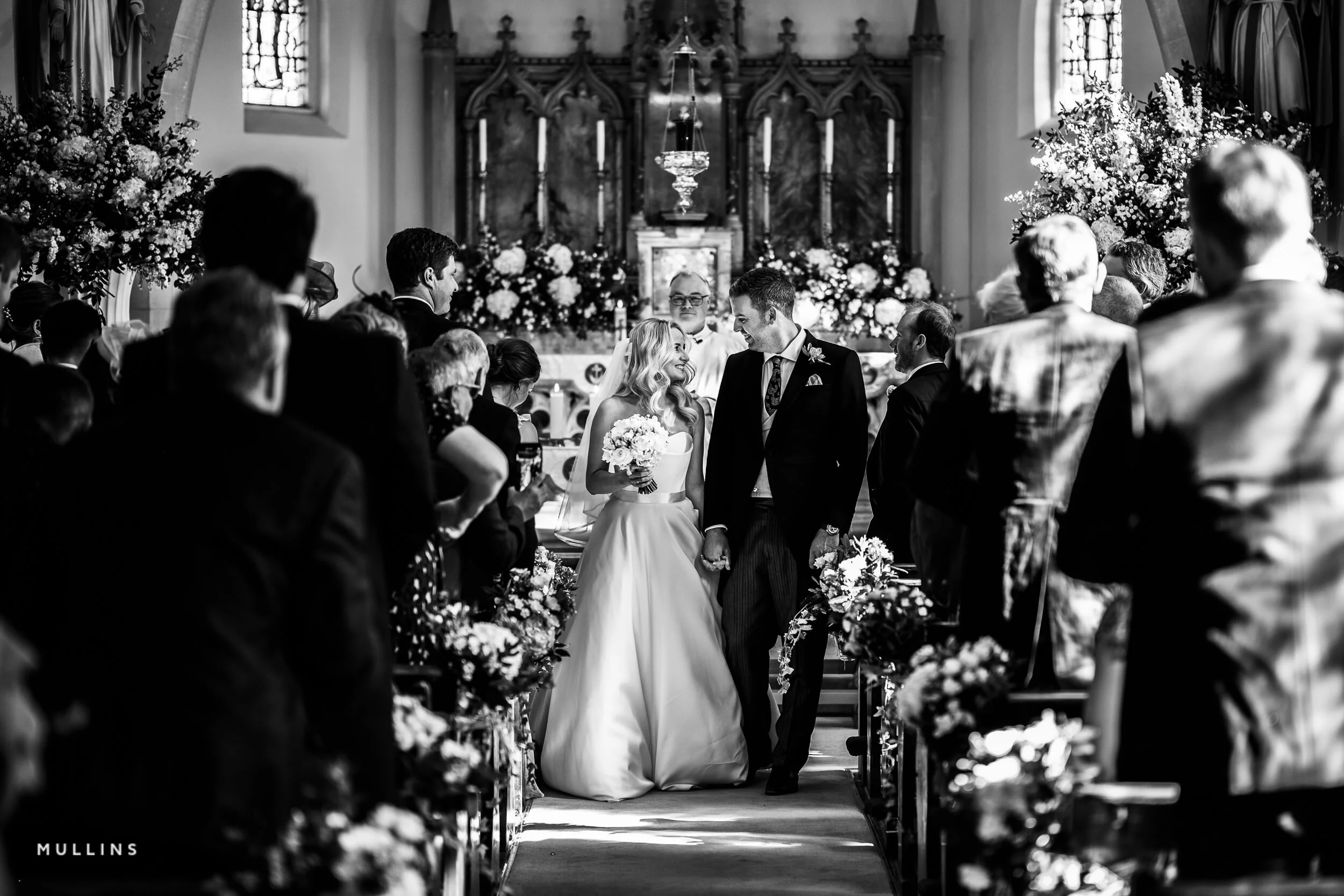 Documentary coverage — Barnsley House · Kevin Mullins
A photograph doesn't
have to be great
but it has to
be important.
03Essential Skills
Developing an eye for moments.
A great documentary wedding photographer doesn't just react to what's happening; they anticipate it. Weddings are full of fleeting moments, meaningful glances, and bursts of laughter.
The ability to see these moments coming is what separates a good photographer from a great one.
This is more about reading people. Before a moment happens, a great photographer can see it: a movement in body language, someone leaning in, a look held slightly too long, a grandmother moving toward the couple.
Learning to notice these signals and position yourself before the moment arrives is the skill that takes the longest to develop, but probably matters the most.
One practical way to develop this is through street photography, which sharpens your ability to anticipate real moments in unpredictable environments.
In the course, I cover specific observational exercises, including the Five Ws framework, a systematic way to scan a room and know where to be before anything has happened.
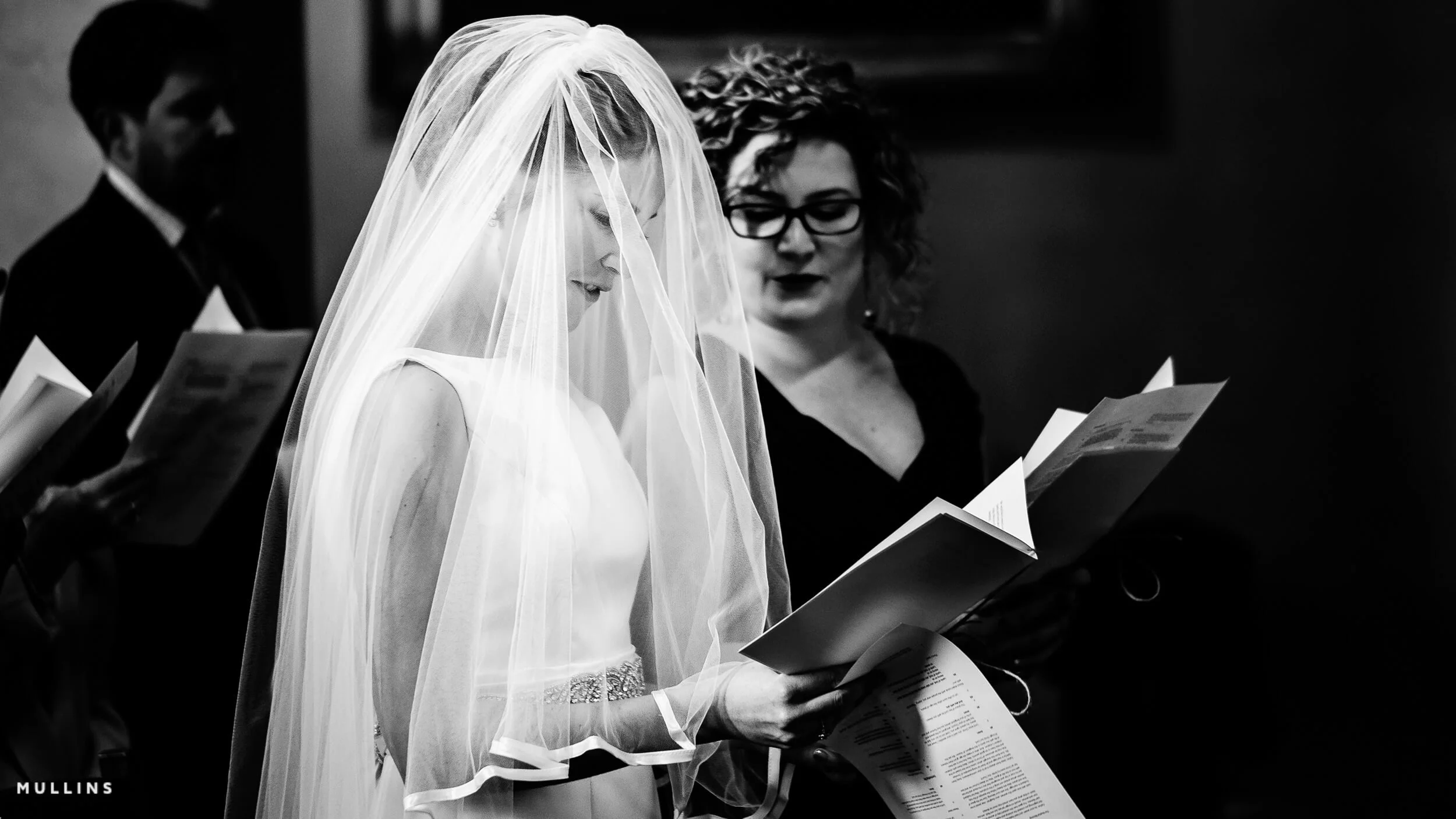 It's important to understand available light
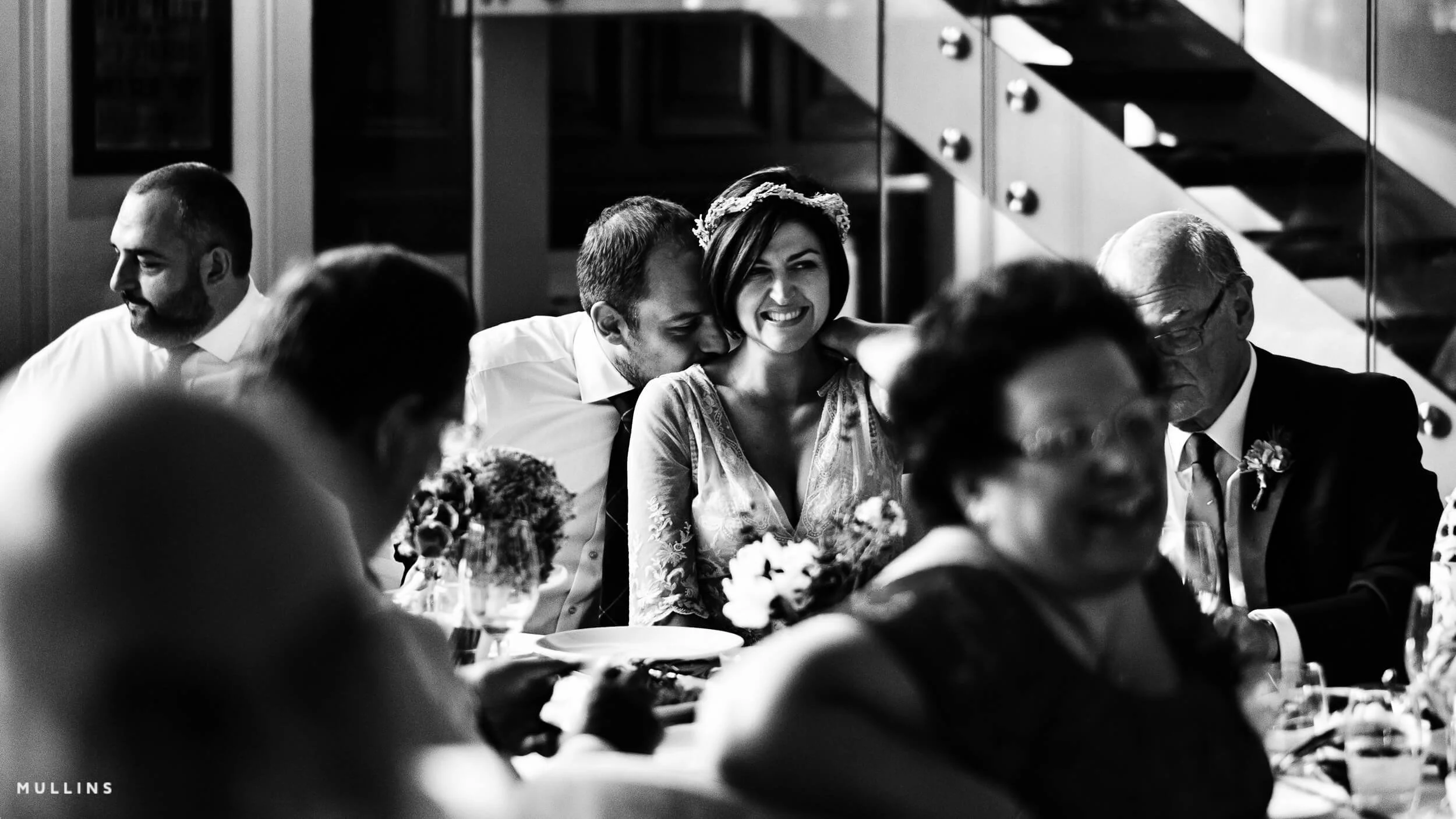 Moments can happen at any time of the wedding day
Mastering your camera.
Technical skills are essential. You won't have time to adjust settings when a moment unfolds, so you need to know your camera instinctively. That means:
Understanding exposure and how to adjust quickly to different lighting conditions.
Using fast prime lenses to shoot in low light without flash.
Knowing how to focus quickly and accurately on fast-moving subjects.
In The Art of Documentary Wedding Photography, I break down my exact camera settings and explain how I configure my gear for different wedding scenarios.
Being invisible.
Some of the most powerful wedding photographs come from moments when people have completely forgotten there's a camera in the room. Getting to that point requires more than just being quiet; it's a discipline that you develop over time.
Work the edges, not the centre.
Move around the perimeter of a room rather than through the middle of it. The centre makes you visible and conspicuous. The edges place you in the eyeline of fewer people, and paradoxically from where you can see more of what's happening.
Arrive early and be unremarkable.
Spend the first twenty minutes of bridal prep simply being present - getting coffee, talking, not necessarily shooting. By the time the significant moments begin, you've become furniture rather than a visitor. People stop performing for you because they've stopped noticing you.
Move slowly, without urgency.
Sudden movements draw eyes. The photographer who darts across a room turns heads; the one who moves gradually and purposefully disappears into the background. Deliberate slowness is one of the most counterintuitive things beginners need to learn.
Dress appropriately for the room.
Dark, understated clothing rather than a conspicuous vest or elaborate camera harness.
You want to look like someone who belongs at the wedding, not someone who's there to work it.
Choose quiet equipment.
This is one of the reasons I shoot on Fujifilm. The smaller bodies with electronic shutters are significantly quieter than a large DSLR. In a silent church during vows, the click of a mechanical shutter cuts through the quiet in a way that draws every eye in the room.
Don't react to images you've just made.
The most common mistake: looking at the back of your camera after a shot draws every eye in the room to you. Resist the impulse. Review later, when the moment is over and no one is watching.
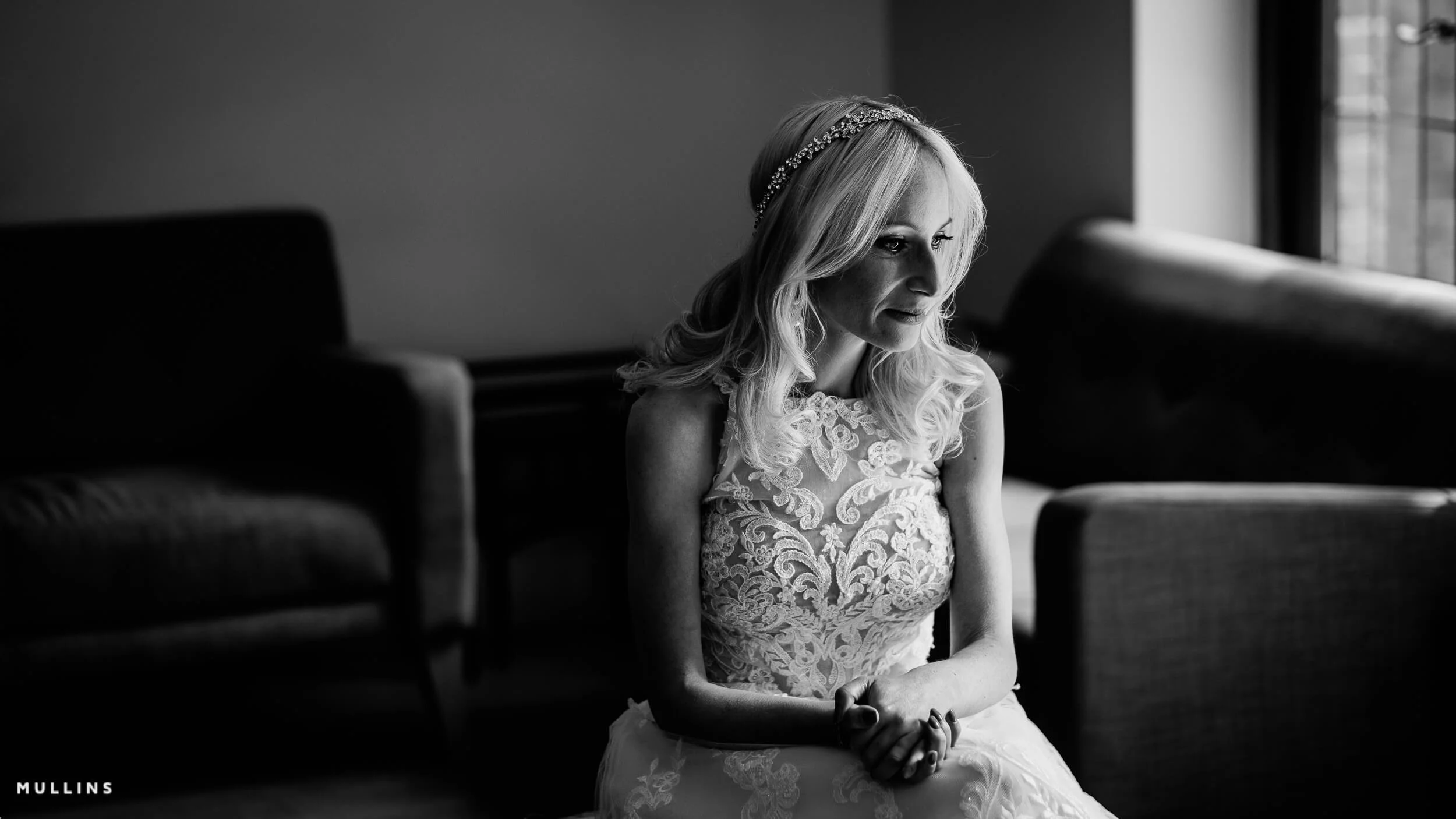 Quiet cameras allow the caputre of quiet, candid moments.
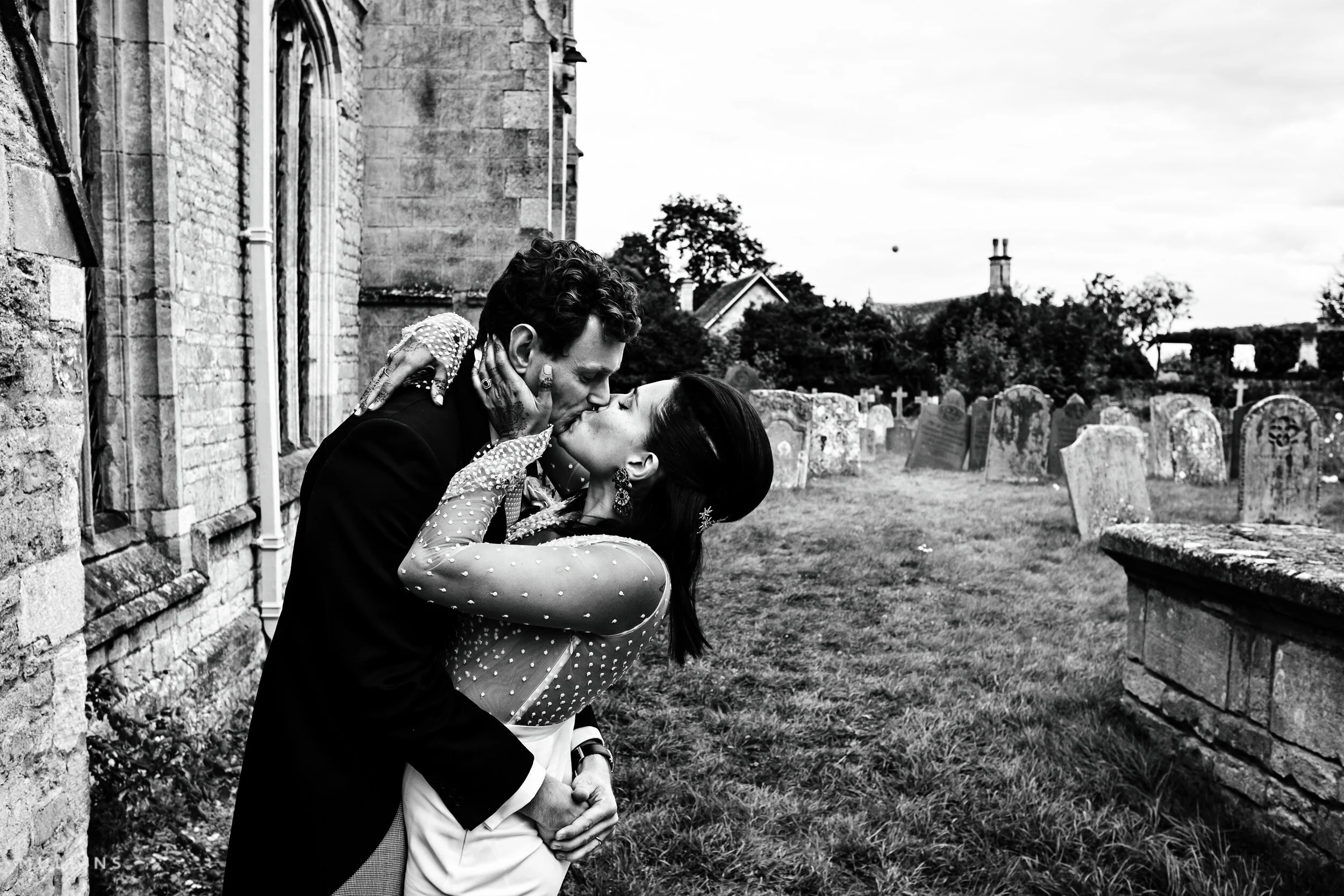 Spontanious moments are better than staged ones
04Building a Portfolio That Attracts Clients
Your portfolio is your argument for why a couple should trust you with their wedding day.
For documentary wedding photographers, it serves a double purpose: it shows what your images look like and what their day would feel like, relaxed, natural, free from a photographer directing everything.
Both messages need to come through.
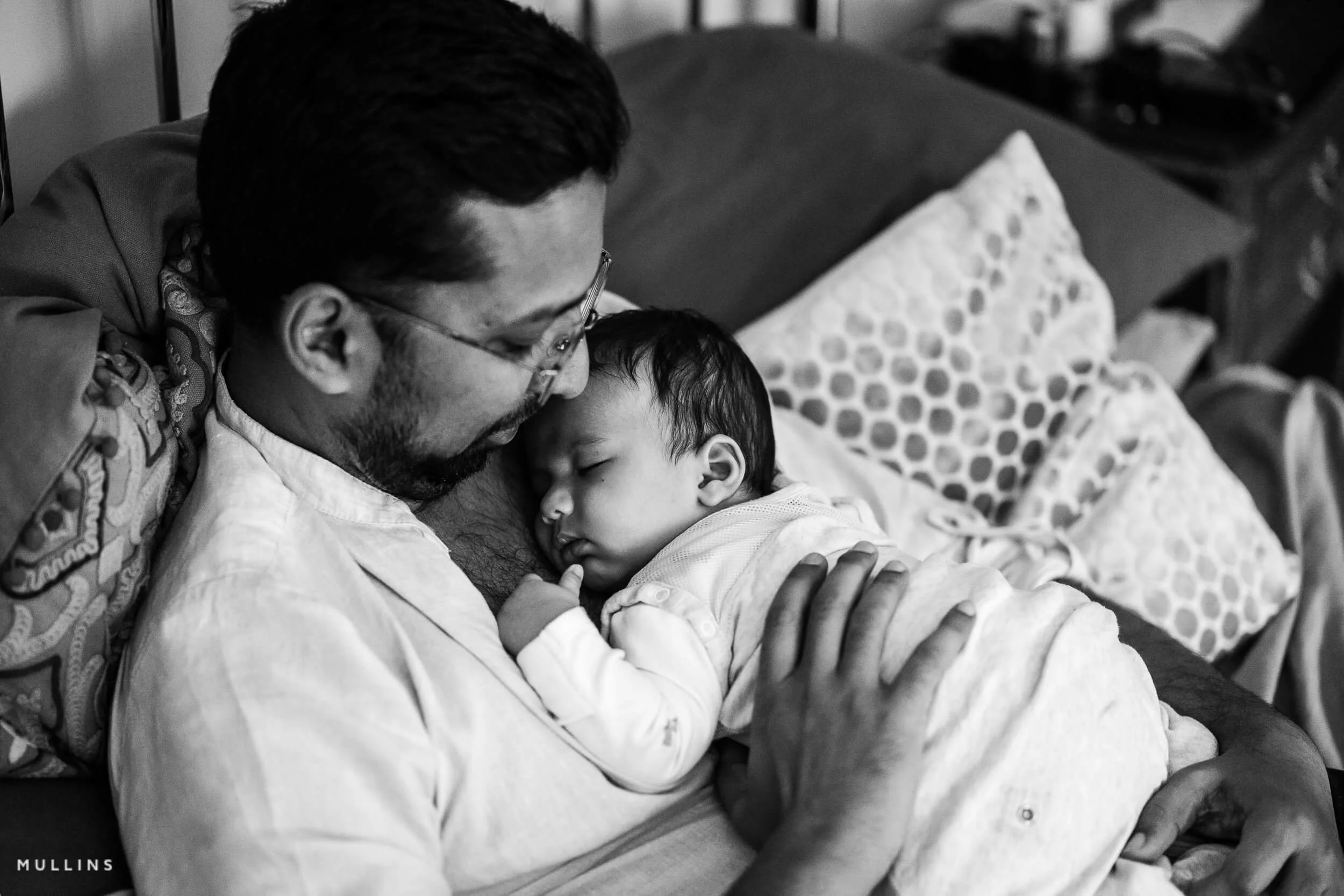
Start by documenting real life.
If you're just getting started, practise capturing real moments in everyday life - family gatherings, events, street photography, or a day-in-the-life project with a friend. This builds the observational instincts that wedding photography demands, before the stakes are high.
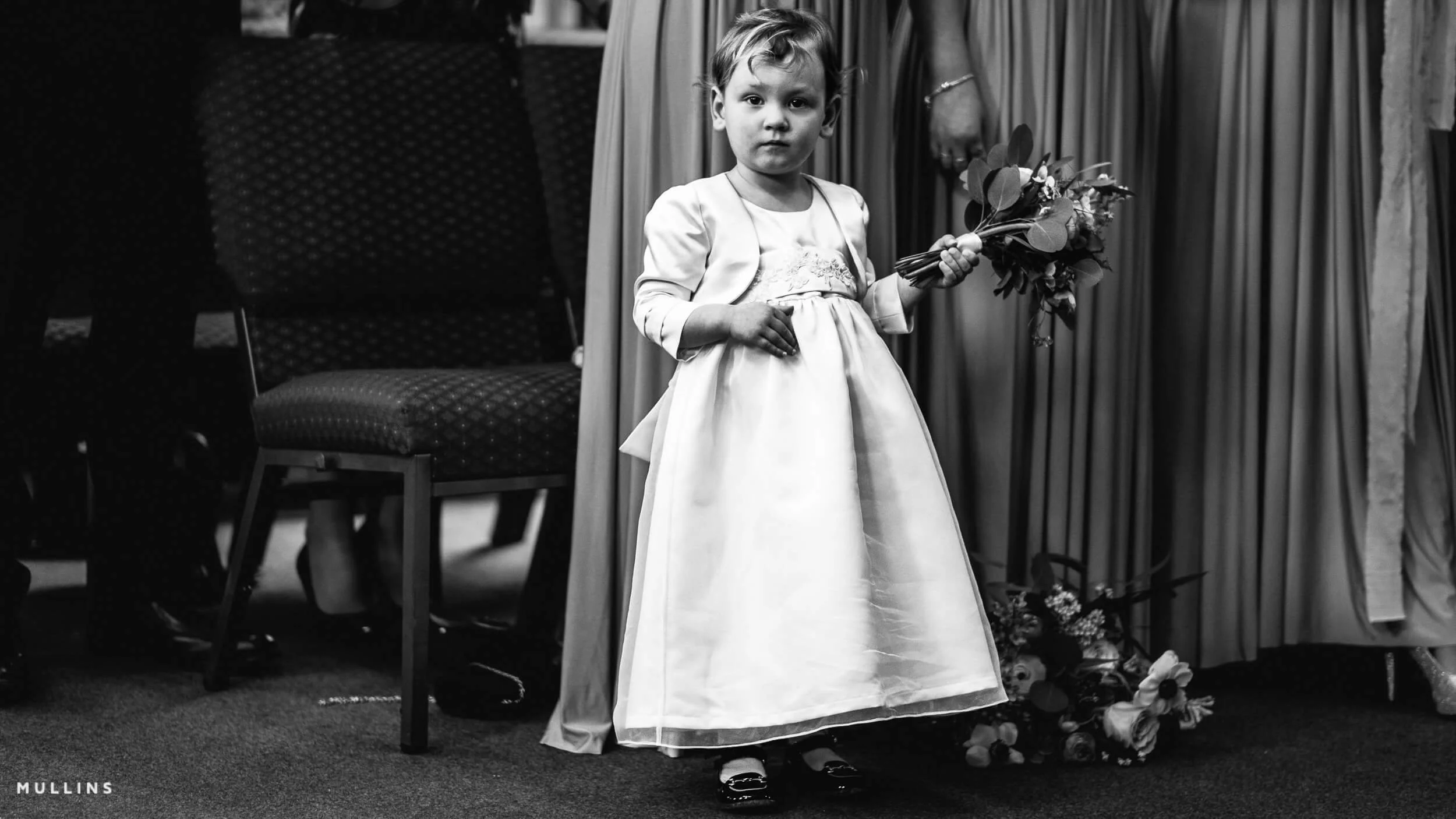
Gain experience as a second shooter.
Working as a second photographer at weddings is one of the fastest ways to build confidence and a portfolio. You'll learn how a wedding day unfolds, how to handle changing light, and how to capture key moments - all while building work samples without carrying full responsibility.
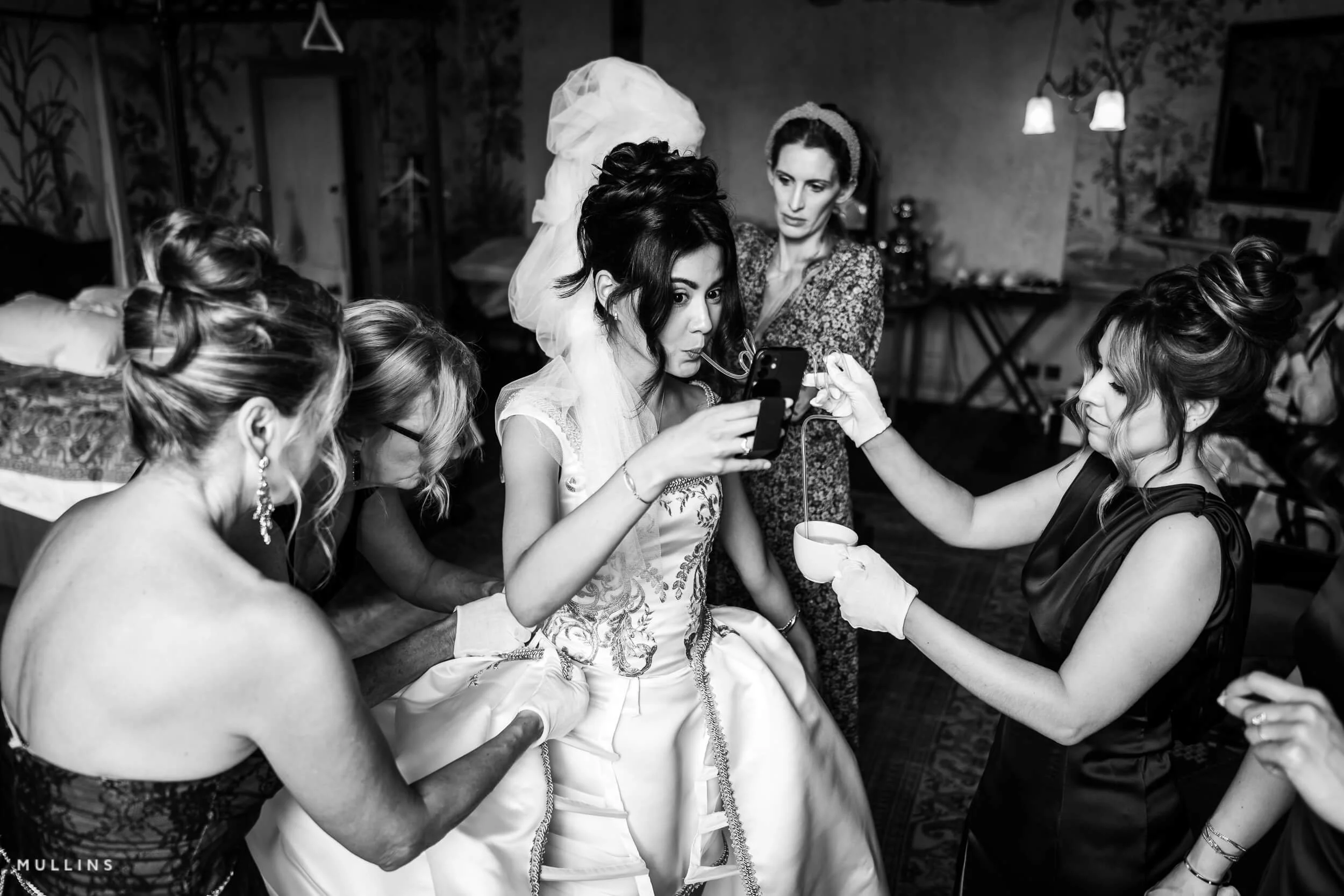
Show the work you want to get hired for.
Your portfolio should reflect your style without compromise. If you want to attract couples who value natural, documentary photography, your website should showcase exactly those kinds of images. Nothing else. The couples who are right for you will self-select; the ones who want something different will go elsewhere - and that's OK too.
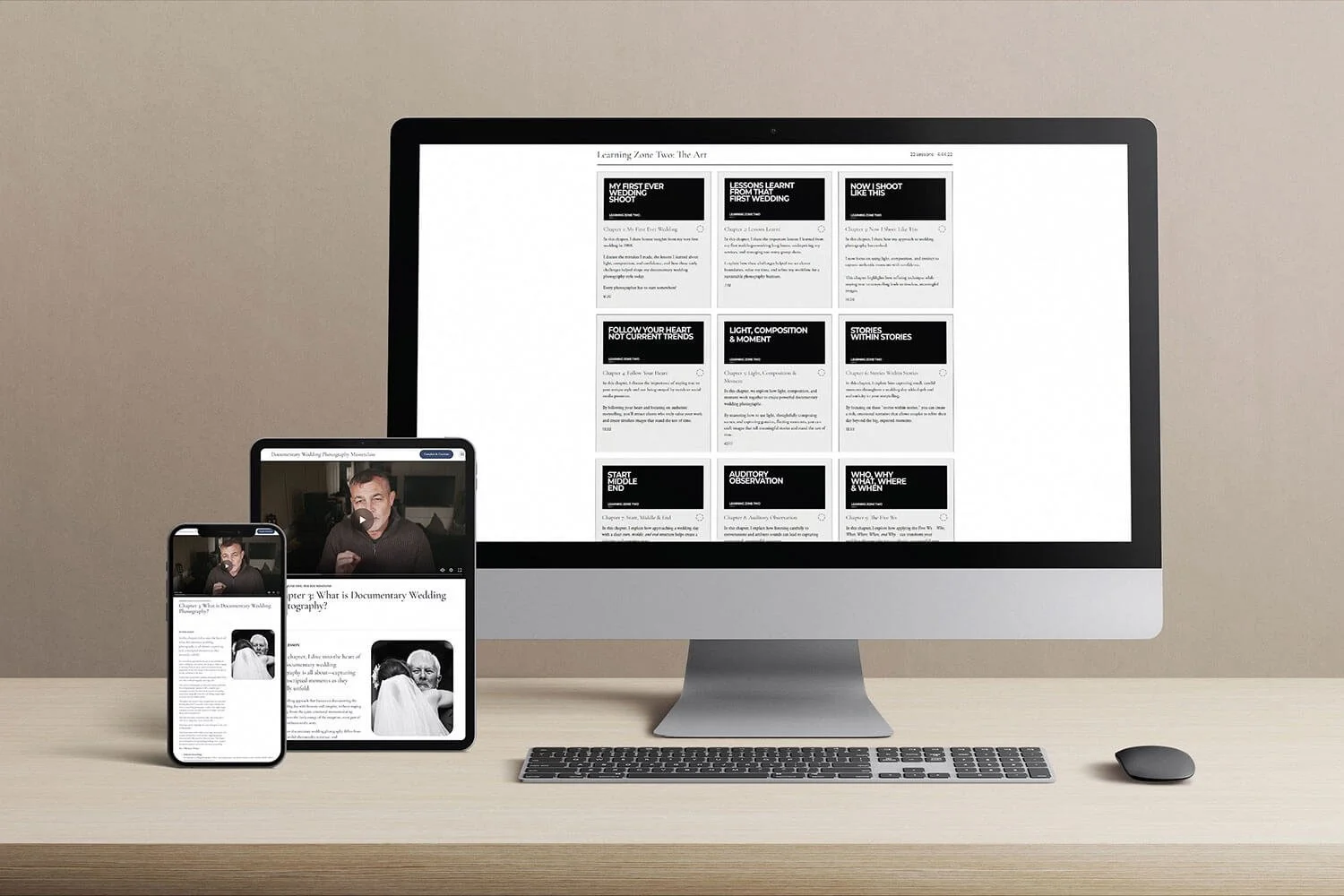
The Art of Documentary Wedding Photography
Everything in this guide is covered in much more depth in Kevin's online course: 7+ hours of practical teaching drawn from 800+ weddings. Portfolio strategy, being invisible, finding the moment, gear, and more. Lifetime access from £100.
05Choosing the Right Gear
Keep it simple.
You don't need a massive kit to be a great documentary wedding photographer. In fact, the more gear you carry, the harder it becomes to stay mobile and unobtrusive. Every extra lens you're deliberating over puts you in your head rather than in the moment.
The case for smaller, quieter cameras.
Mirrorless cameras and smaller rangefinder-style bodies in particular have changed documentary wedding photography considerably.
They're quieter, smaller, and less physically imposing than a large DSLR. A compact mirrorless body might go unnoticed in a room; a large camera with a battery grip just screams “I’m the photographer”.
Quieter shutters matter a lot, too. In a church during vows, or a register office during the signing, the click of a mechanical shutter cuts through silence in a way that an electronic shutter simply doesn't.
Less noise means fewer turned heads, which means more real moments in the collection for the clients.
I shoot exclusively with Fujifilm and was the first-ever wedding photographer appointed as a Fujifilm X-Photographer ambassador in 2013.
That relationship has shaped my approach over more than a decade: smaller, more personal, less intrusive.
A two-prime setup.
Rather than a zoom that covers everything, build around two prime lenses: something wide (23mm or 35mm equivalent) for environmental storytelling, and something slightly longer (50mm or 85mm equivalent) for more intimate, compressed work.
Two primes keep your kit light, force you to move your feet rather than the zoom ring, and each has a dedicated purpose.
Working with a constrained set of lenses also sharpens compositional skills. The limitation becomes part of the practice.
On flash.
Most documentary wedding photographers work without flash, and for good reason. Flash can draw attention, interrupt moments, and create an artificial quality that runs counter to the natural feel of the images.
Learning to see in low light to find the window, the candle, the lamp on the table is one of the most demanding and most satisfying skills this style requires.
Back up everything, every time.
Whatever system you use, always shoot with dual card slots and two camera bodies, and back up your images the same evening.
You are photographing something that cannot be repeated. The responsibility extends beyond the images you make on the day; it includes the systems you have in place if gear fails.
In the course, I cover my exact kit in full detail: the specific bodies and lenses I use, how I set them up before a wedding, and the reasoning behind each choice.
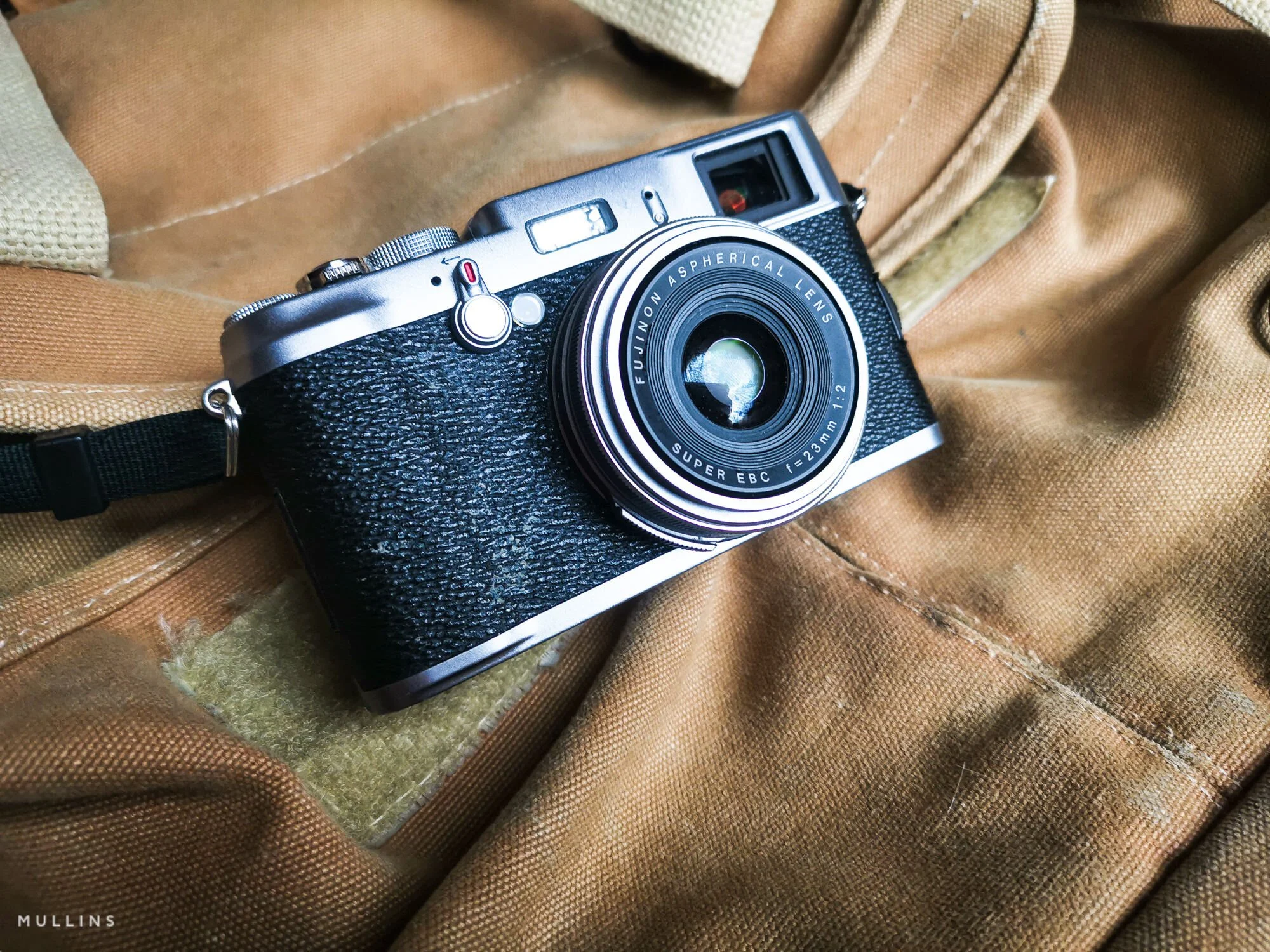 Fujifilm · Kevin's choice since 2013

06Marketing Your Services
Educating couples on the value of candid photography.
Most couples who book a documentary photographer do so because they've seen the work, not because they searched for "documentary wedding photography."
They found a single image that felt different from everything else, and followed it back to the photographer who made it.
This tells you something important about marketing in this style: the images are the selling tools.
Your website doesn't just need to display photographs; it needs to show couples what kind of day they'll have.
The difference between "I'll photograph your wedding" and "you'll spend your wedding with the people you love, and I'll be there to catch what happens" is the difference between a service and an experience.
Use your blog to tell the story of complete weddings, full sequences, not just the eight best images.
Showing a full day tells a couple far more about how you work than any highlights reel could.
And it answers the question every couple eventually asks: "But what do I actually get for the whole day?"
Social media for documentary photographers.
Documentary wedding photography has a built-in tension with social platforms: the algorithm rewards consistency and frequency, but documentary photography rewards patience and restraint.
You won't always have a dramatic image every day, and that's OK.
The solution is to show the full truth of what you do, not just try to feed the algorithm.
Photographers who attract the right couples through social media are the ones who don't try to appeal to everyone.
Pricing as positioning.
How you price yourself signals what kind of photographer you are. Competing on price attracts clients who primarily focus on price.
Documentary photography, when done well, is rarer, demands more skill, and offers something genuinely different from what most photographers provide.
Pricing confidently is part of that positioning.
Getting found online.
One of the most effective long-term marketing strategies is to write clearly about what you know.
Articles covering "what is documentary wedding photography," "how to get natural wedding photos," and "the difference between documentary and traditional photography" attract couples who are already researching this style, meaning they've already self-selected.
The article you're reading now is exactly that strategy in practice.
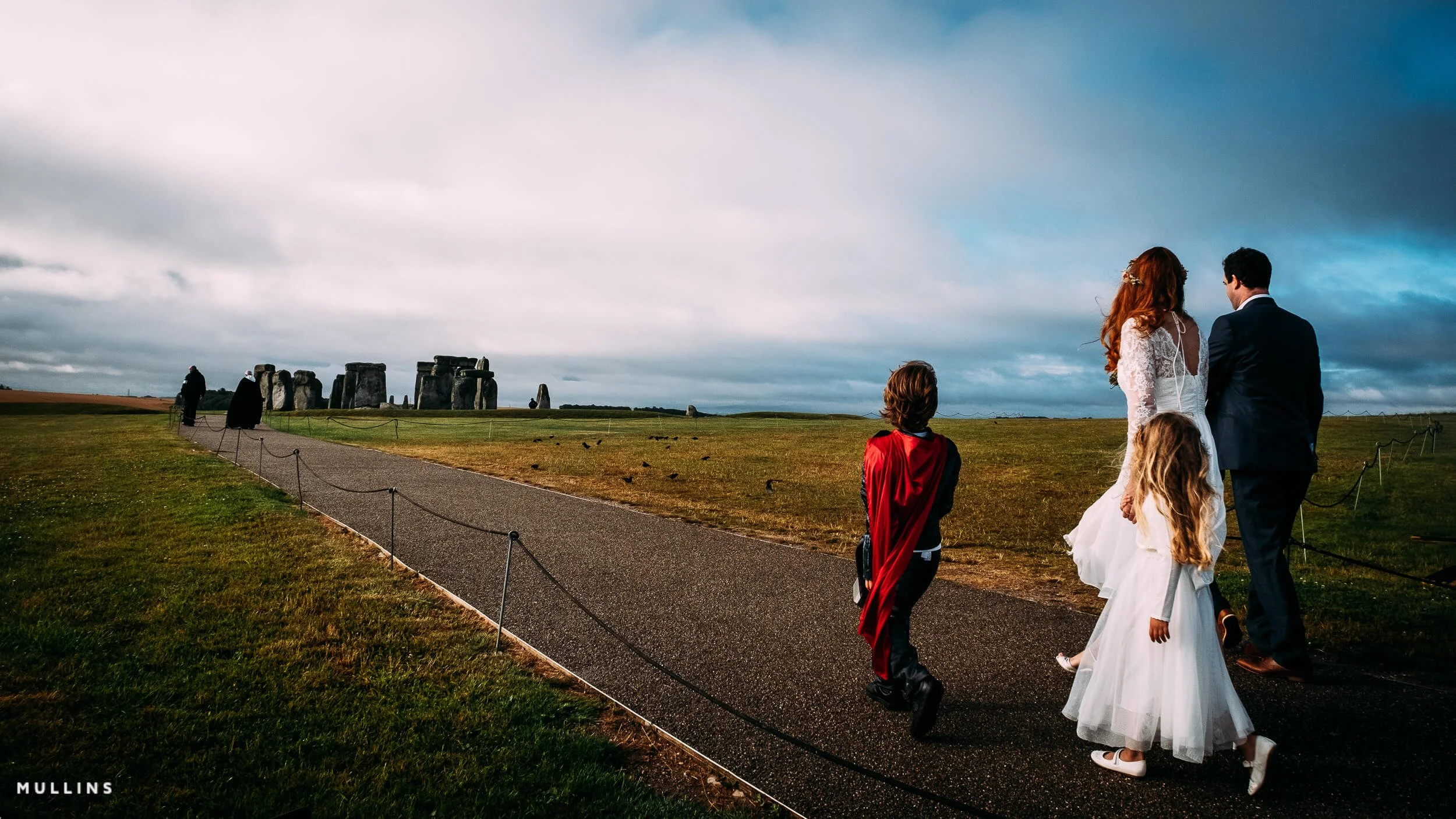 A strong business will take you to many places, such as Stonehenge
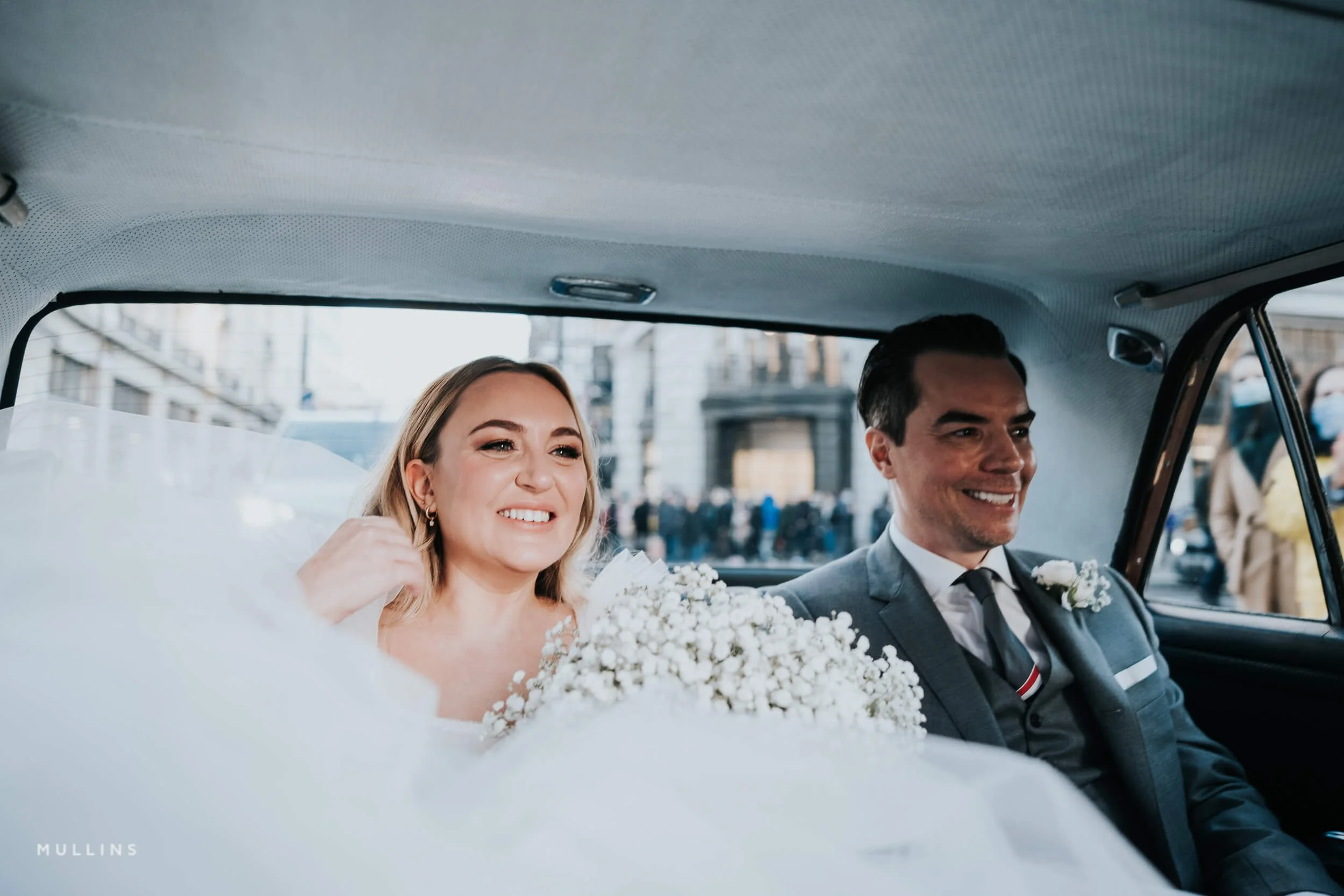 And the front seat of posh cars
Wedding photography isn't about forcing moments - it's about being present for the real ones. The best images happen when you let go of control, trust your instincts, and embrace the unpredictable nature of the day.
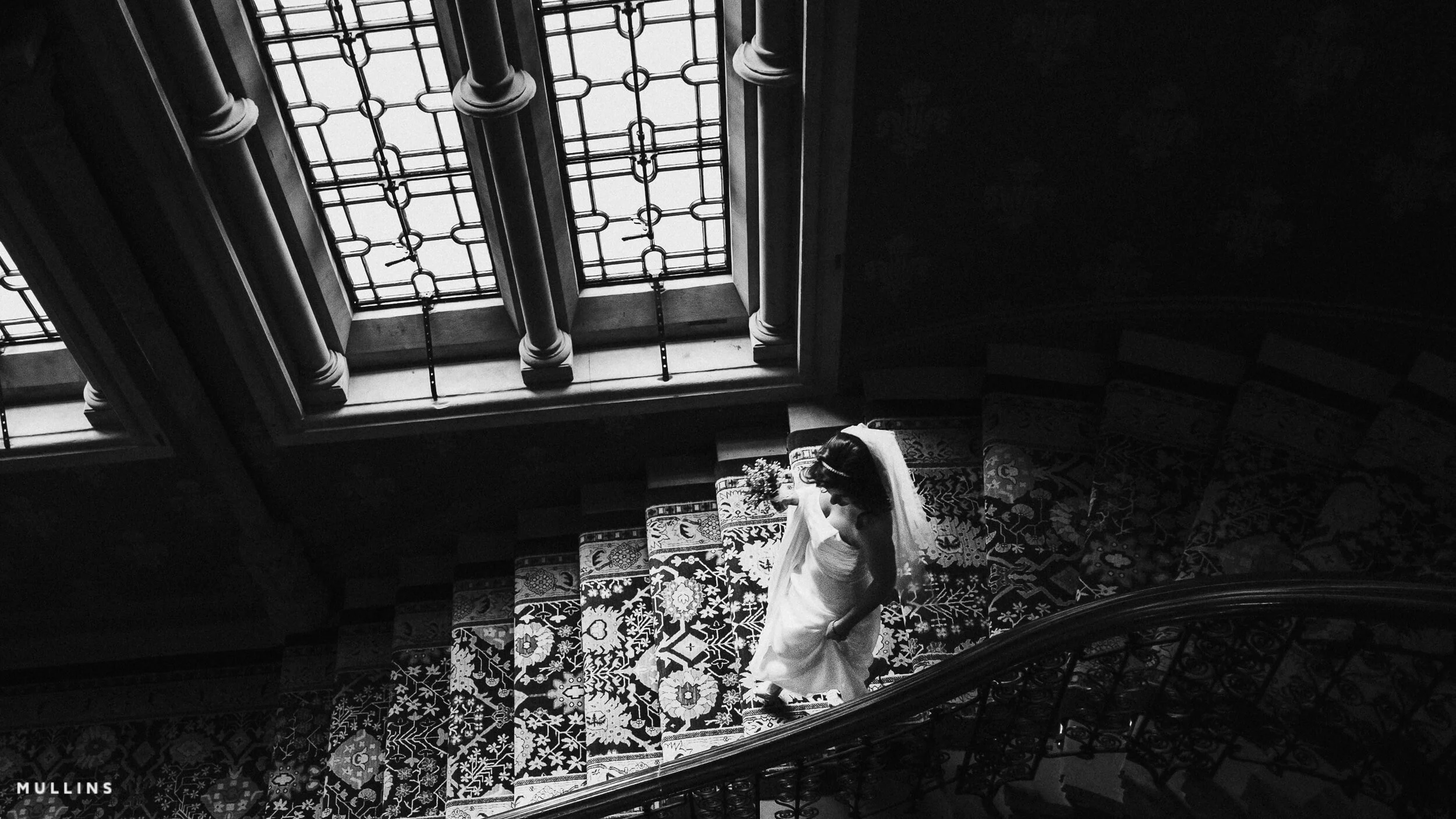 You do not have to stage moments like this
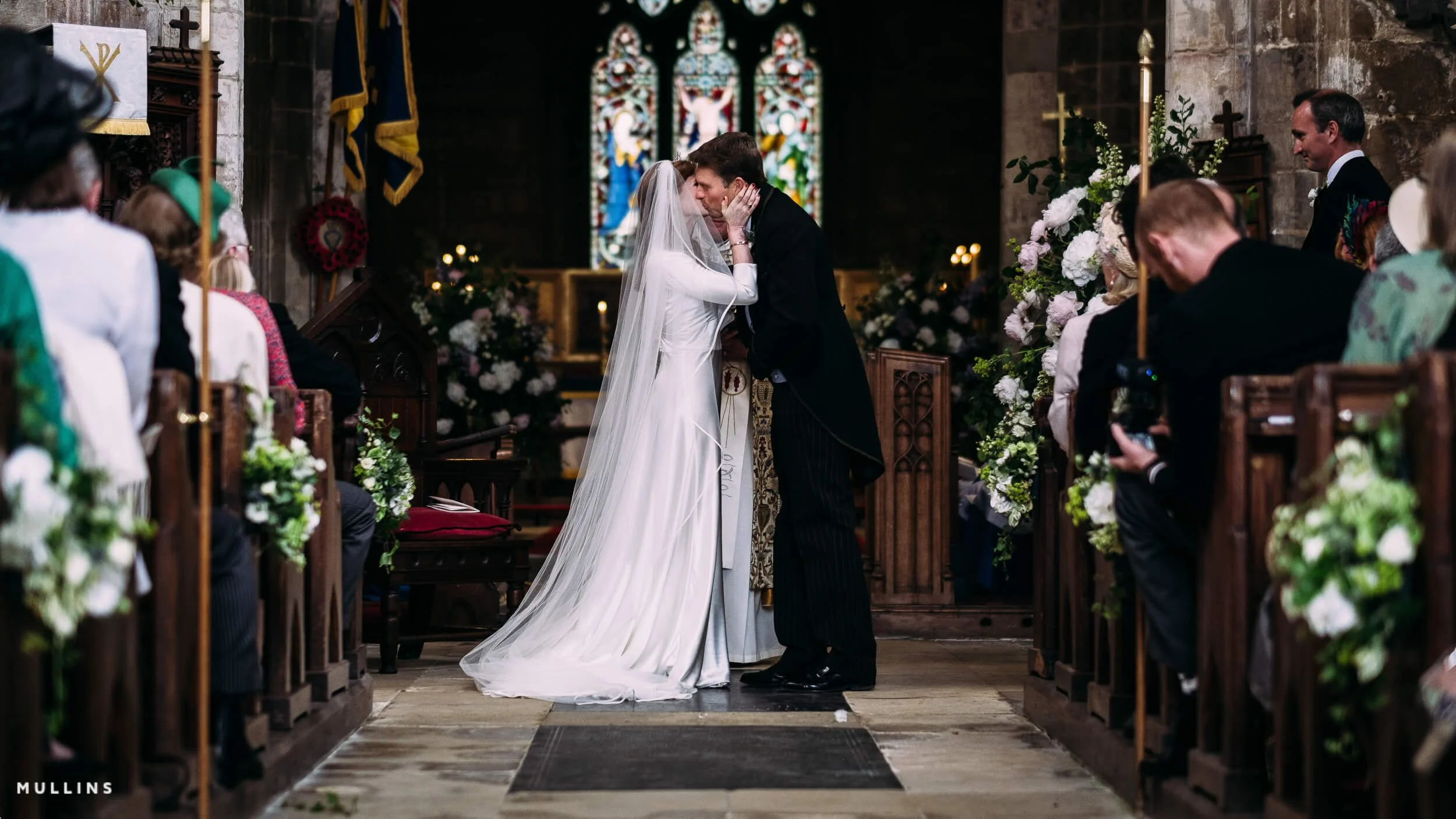 Very few shots are essential during the day
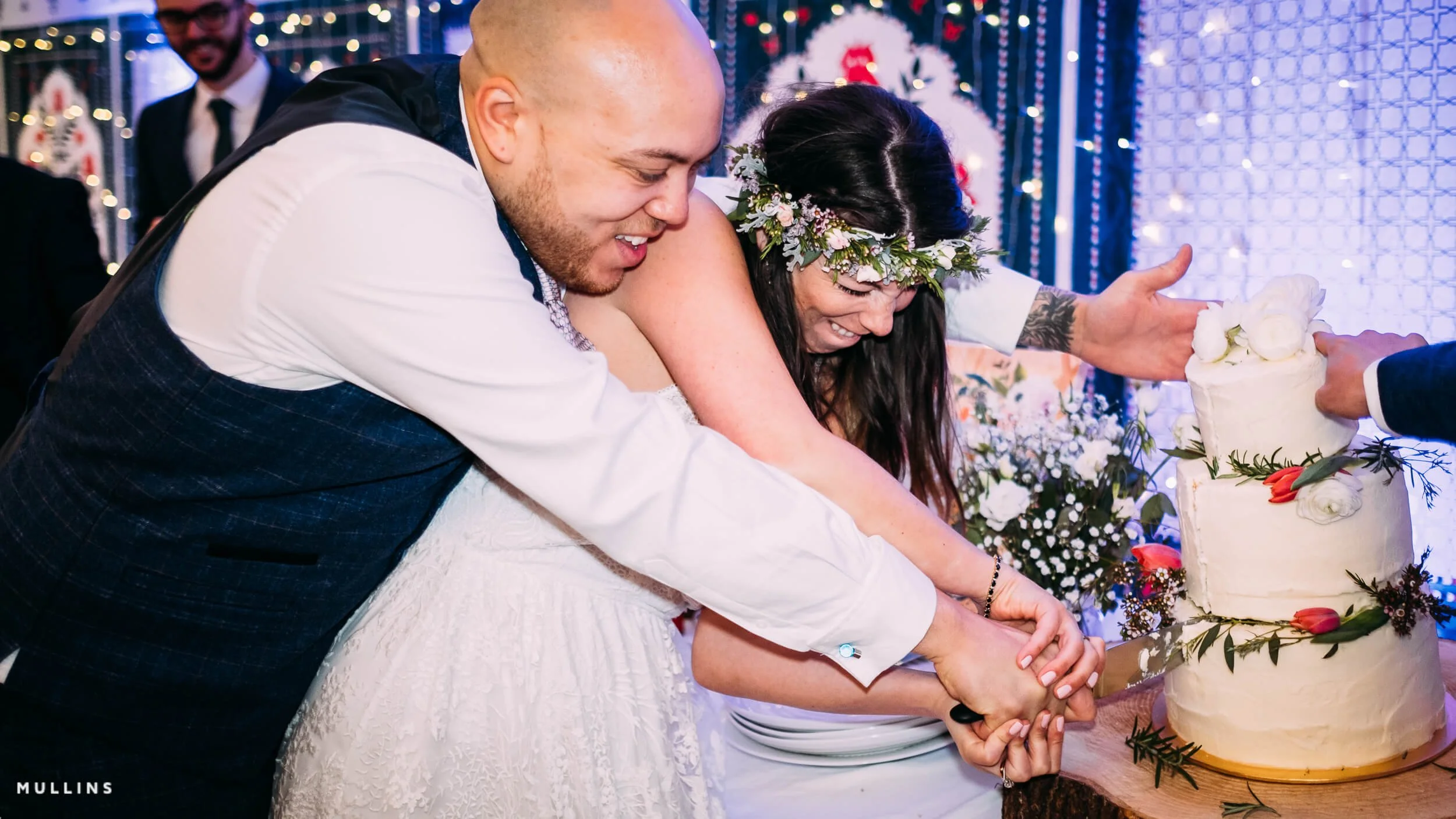 Letting moments flow yield better images
07Continuous Learning and Growth
Keep shooting. Keep experimenting.
Every wedding is different, and experience is the best teacher. The more you shoot, the sharper your instincts become, not just technically, but in terms of reading people, reading rooms, and making faster and better decisions under pressure.
There is no shortcut to accumulating that experience, but there are ways to speed it up.
Learn from others.
Surround yourself with inspiration. Follow photographers you genuinely admire, not just those who are popular, but those whose work you find genuinely interesting and want to understand better.
Attend wedding photography workshops, and always remain open to reconsidering how you do things.
The photographers who stop learning are the ones whose work stops growing.
Invest in education.
One of the fastest ways to improve is by learning directly from people who have already developed the skills you want.
That's why I created The Art of Documentary Wedding Photography.
It's packed with practical lessons, real-world experience, and the specific thinking behind the approach I've used across 800+ weddings.
It covers everything from the fundamentals of the documentary style through to advanced techniques for light, composition, working a room, handling difficult moments, and building a career around it.
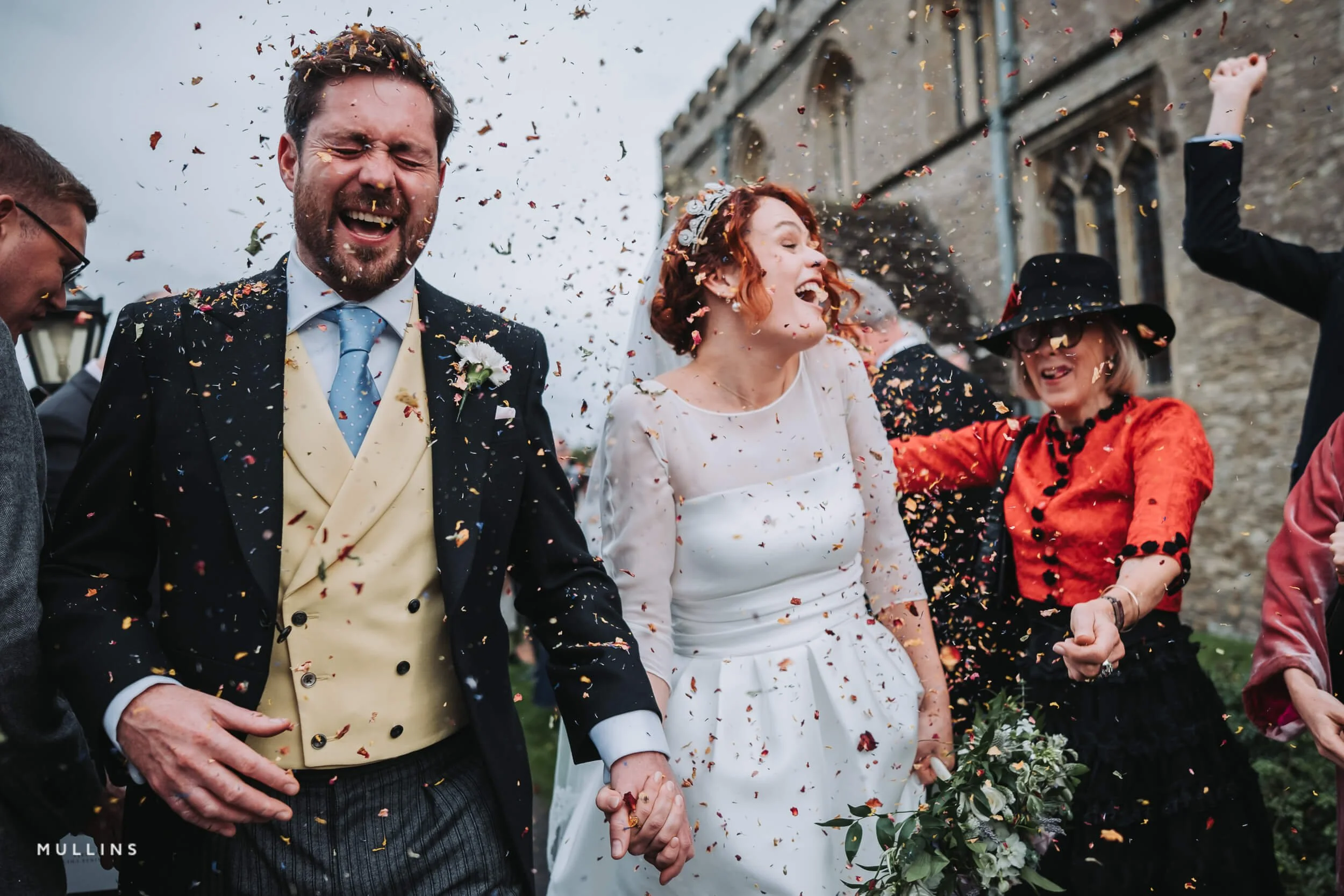 Don't be afraid to mix in with the action
Final thoughts.
Wedding photography is about more than taking beautiful images; it's about capturing moments that will be cherished for a lifetime.
Whether you're just starting or refining your approach, focusing on authenticity and storytelling will set your work apart from the majority.
The couples who matter most, the ones who value what you specifically do, will find you through the quality of your work and the clarity of how you present it.
Build the skills. Develop the style. Be patient, and the career will follow.
Wedding photography isn't about forcing moments — it's about being present for the real ones.
— Quick answersCommon questions answered.
-
A camera with good low-light performance, fast autofocus, and a quiet shutter is ideal. Many documentary wedding photographers prefer smaller mirrorless cameras for their portability and discretion — both physical size and shutter noise matter considerably in quiet ceremony settings.
-
Practise street photography to hone your ability to anticipate and react to fleeting moments. Observing body language and learning to read what's about to happen — before it happens — is the core skill. A candid moment usually announces itself before it arrives, if you know what signals to look for.
-
Most documentary wedding photographers work without flash, as it draws attention and can interrupt moments. Learning to use natural and available light — window light, candlelight, ambient room lighting — is essential for maintaining an authentic feel and staying genuinely unobtrusive throughout the day.
-
Start by second shooting for experienced photographers, document family and friends' events, and focus on storytelling images that reflect real emotion. Show the work you want to get hired for — if you want to attract documentary-style couples, your portfolio should feature entirely that kind of image, without compromise.
-
Engage with them naturally and give minimal direction. The more at ease they feel, the more genuine their interactions will be. A documentary approach helps here considerably — when couples understand that you're not going to direct them or ask them to pose, they relax much faster.
More tips, straight to your inbox.
Kevin writes regularly about documentary photography, gear, storytelling, and the business of building a photography career.
No spam, just useful things, when he has something useful to say.
20% off the course when you sign up for the newsletter.