

What is
Documentary
Wedding
Photography?
The candid approach to wedding photography has grown from a trend into a primary choice for couples who want their photographs to reflect how their day actually unfolded.
This is a thorough guide to what it is, how it compares to other approaches, and whether it is right for you.
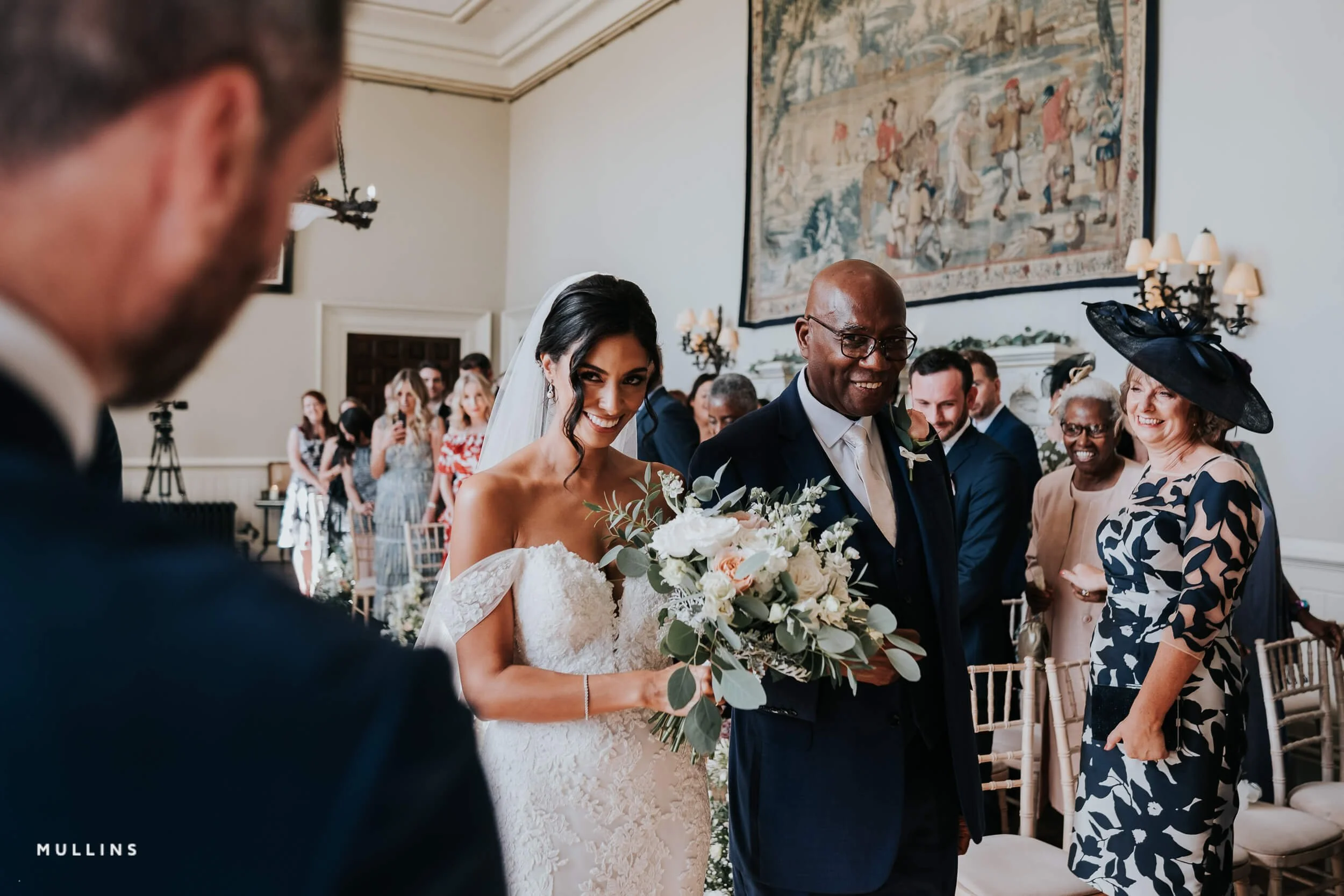 That first look says it all
In briefDocumentary wedding photography is a style in which the photographer captures the day as it happens without directing, posing, or staging anything.
The emphasis is on honest, candid images that reflect the real people, real emotions, and real events of the wedding day, rather than an idealised version.

01The tradition behind it
A discipline with serious roots.
Documentary photography, as a serious art form, grew out of photojournalism, the practice of bearing witness to events in the world and recording them truthfully.
Henri Cartier-Bresson, co-founder of Magnum Photos, gave the approach one of its defining ideas: the decisive moment, the instant at which all the elements of a scene align to make a great photograph and which cannot be repeated.
Wedding photography in a documentary style directly inherits this tradition. The photographer's job is to be present, to observe, and to be ready when moments happen. Not to arrange them, not to recreate them after the fact. To catch them, once, as they are.
This is what separates a genuinely documentary wedding photographer from someone who simply calls themselves one for marketing purposes.
It is a different way of seeing, born from a different photographic tradition.
The wedding is the subject; the photographer is the storyteller.

02What defines it
Five things that distinguish the documentary approach.
-
Candid and unposed
The photographer does not direct the couple or guests. Images come from the events of the day, not from instructions given by the photographer. Nothing is staged for the camera.
-
Available light
Documentary photographers use the light that exists at the time, rather than creating it artificially. This produces a more natural, honest feel and allows the photographer to remain fairly unobtrusive.
-
The full day, in sequence
Unlike portrait-led approaches, documentary photography usually covers the whole story, from morning preparations to the last dance. No moment is considered too small or too large.
-
A discreet presence
The photographer works as unobtrusively as possible. Smaller cameras, blending in with guests, working at the edges of the action. The goal is to be present without being noticed, and ultimately, forgotten entirely by the people being photographed.
-
Emotional honesty
The images reflect what people actually felt, not what they were asked to do. This is what makes documentary wedding photographs meaningful over time.
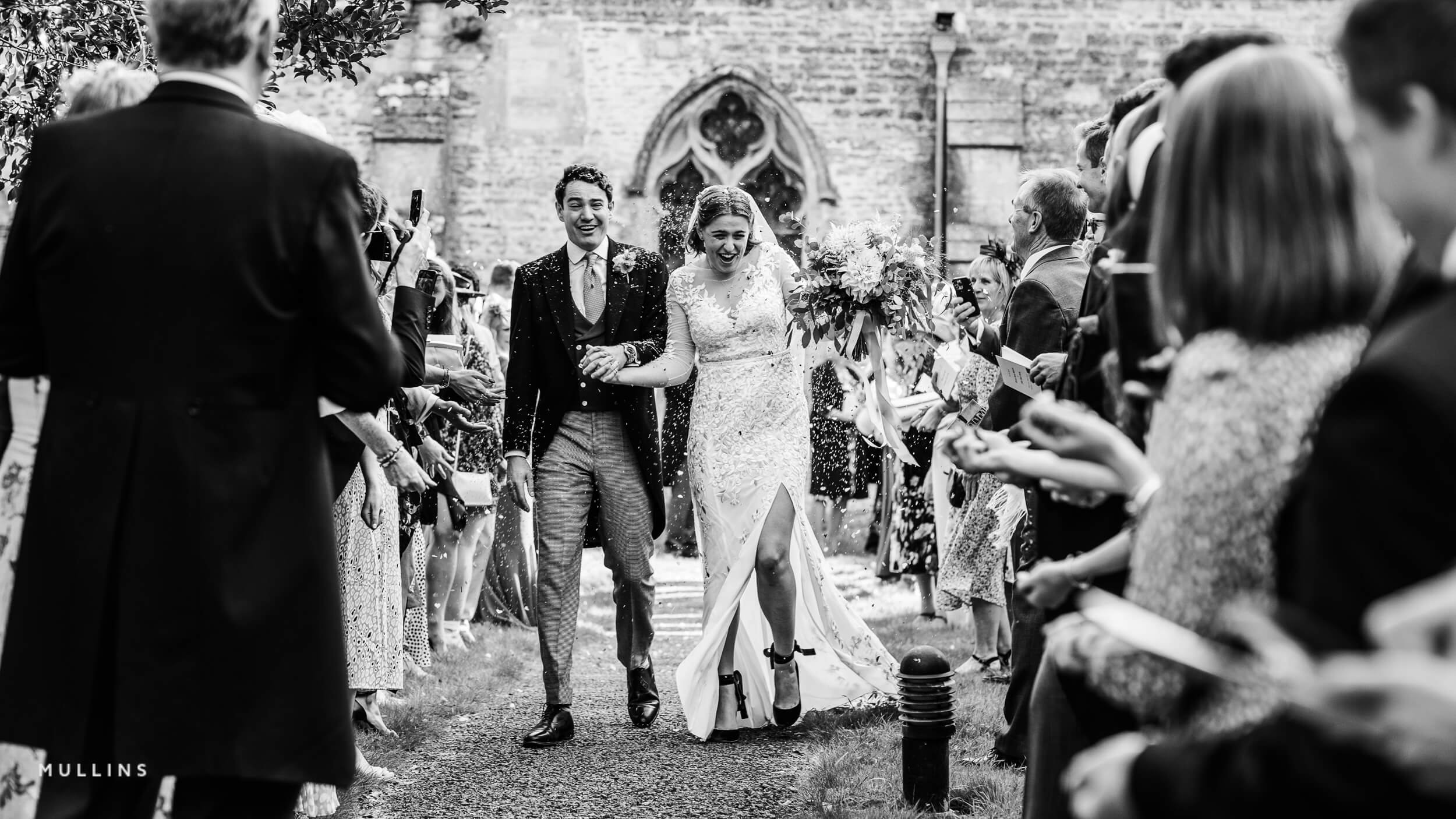
— THE WORKDocumentary wedding photography, in practice.

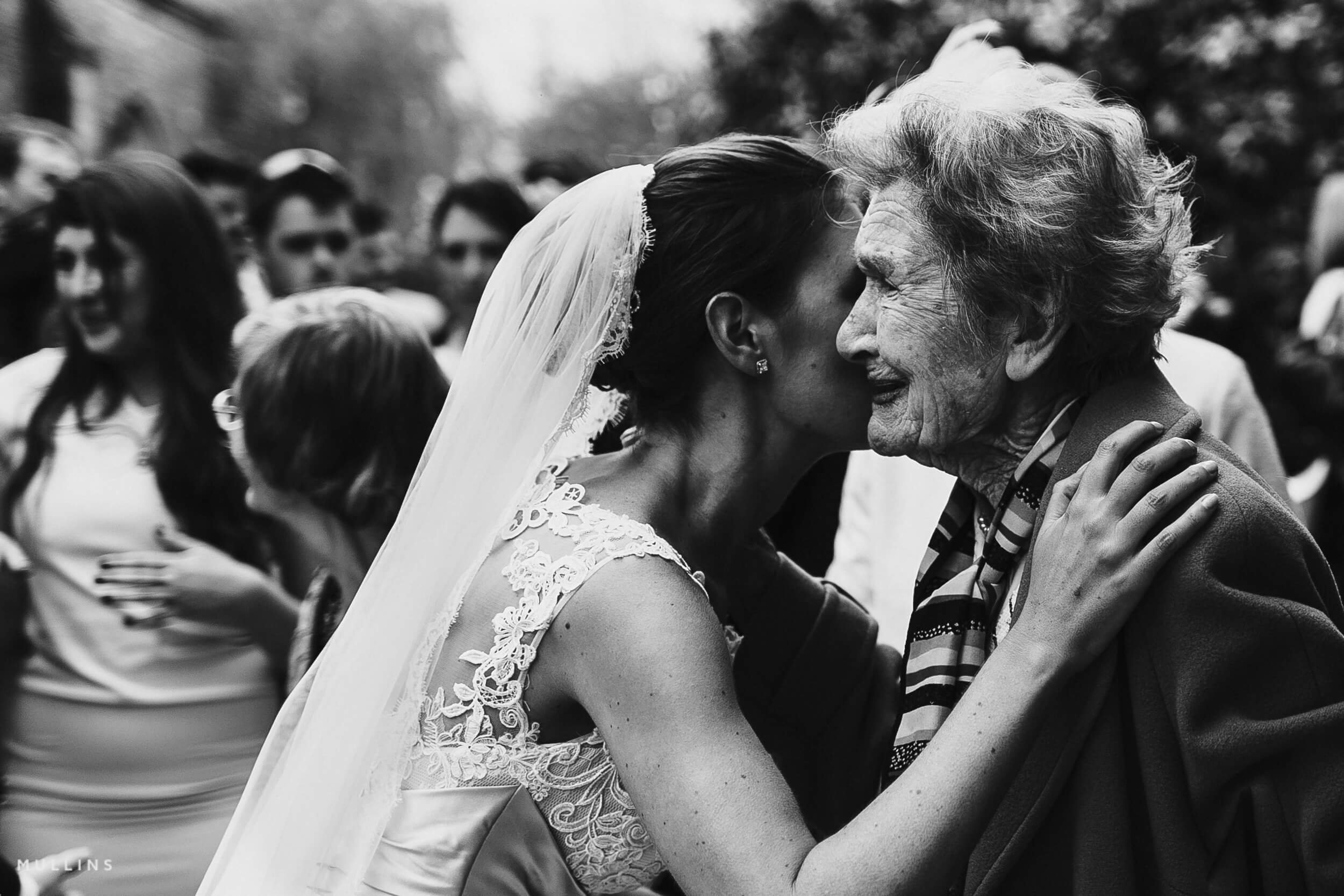
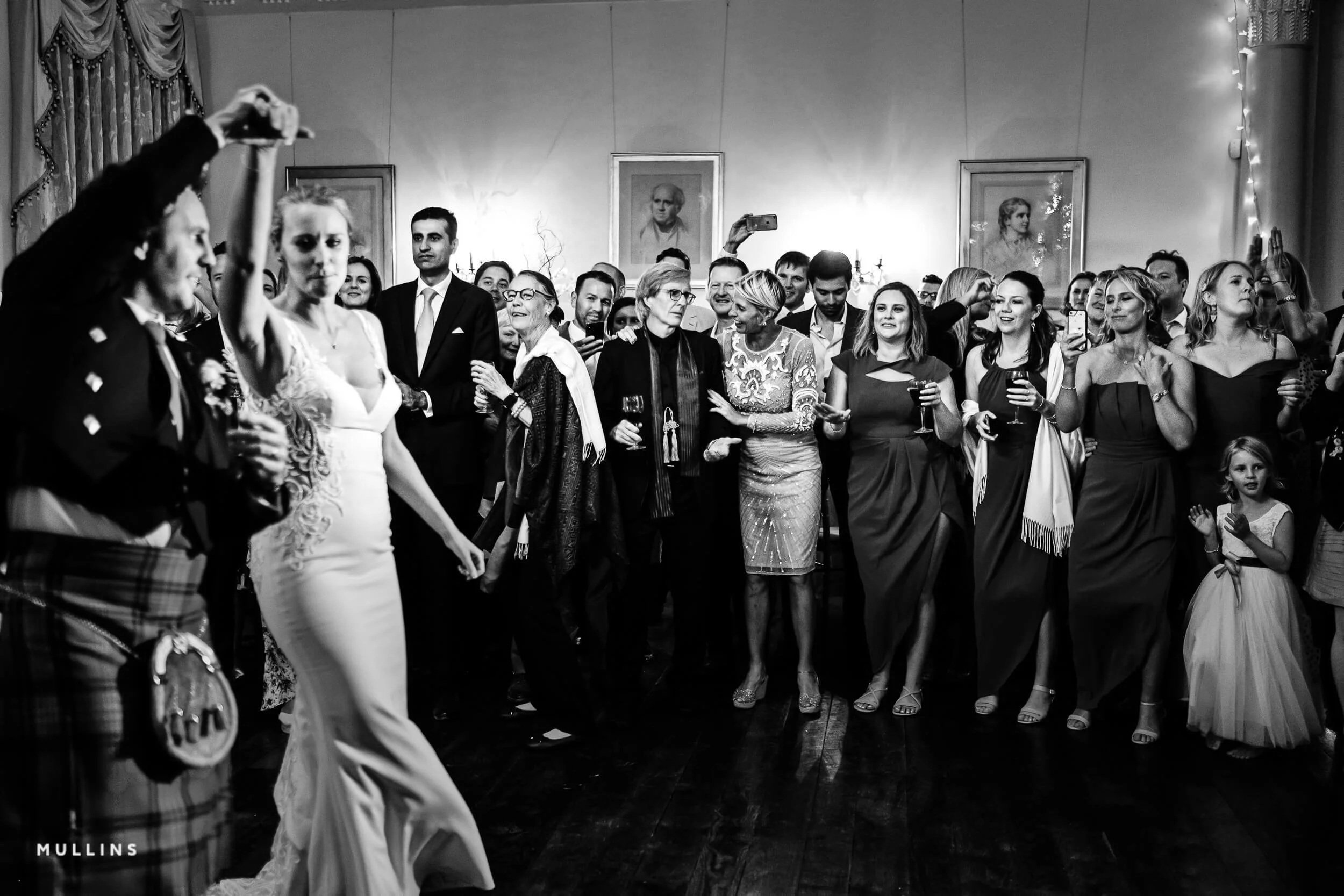
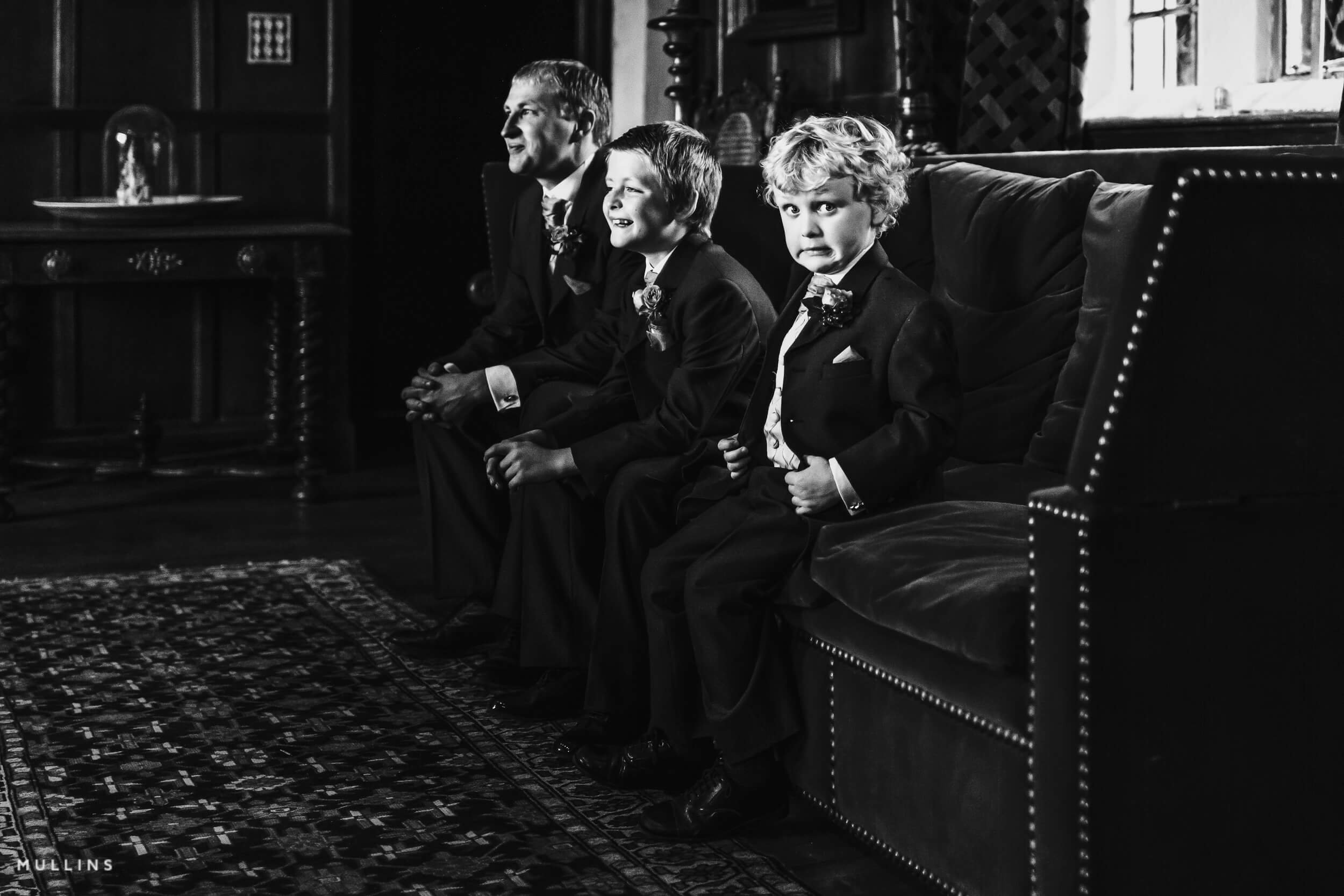
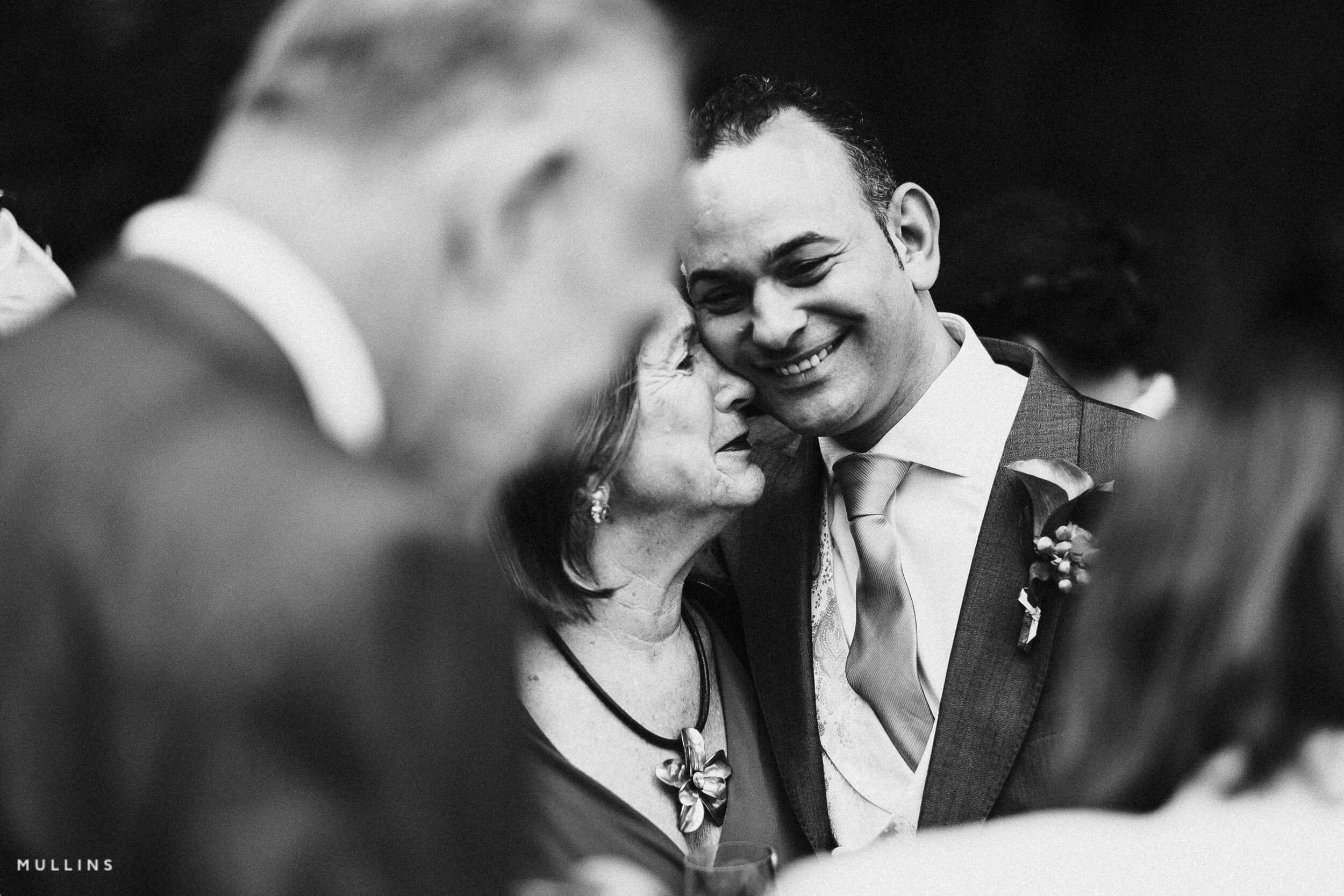
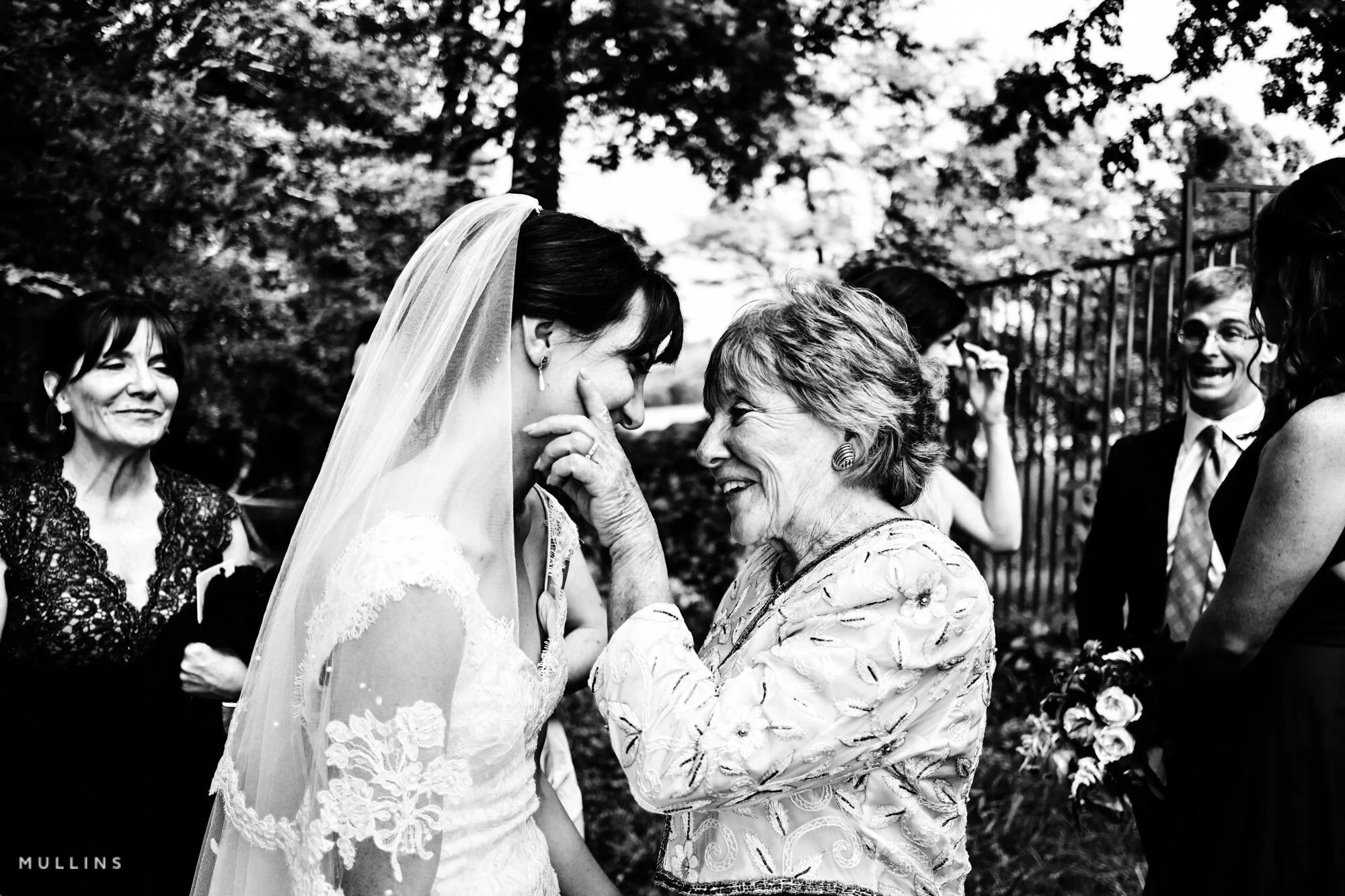
— Approach comparisonDocumentary vs. the other main styles.
Wedding photography broadly splits into four approaches. Understanding what distinguishes each makes it easier to choose the right photographer for your day and to ask the right questions when you are looking.
This Guide
Documentary
The photographer observes and records the day as it happens, without directing or posing anyone. Rooted in photojournalism and the tradition of the decisive moment.
- No posing or direction
- Available light throughout
- Full day coverage, in sequence
- Discreet, unobtrusive presence
- Emphasis on real emotion and moment
Classic Approach
Traditional
The photographer directs and poses the couple and guests throughout the day. The emphasis is on formal portraits, family groupings, and classical compositions.
- High level of direction
- Formal portrait sessions
- Multiple group shots organised
- Controlled lighting common
- Emphasis on composed perfection
Fashion-led
Editorial
Styled, cinematic, and magazine-aesthetic. Dramatic lighting, composed settings, couples directed into fashion-photoshoot poses for a glossy, high-production look.
- Very high level of direction
- Controlled, dramatic lighting
- Styled and curated settings
- Fashion-magazine aesthetic
- Significant time away from guests
Middle Ground
Hybrid
A combination of candid coverage and directed portraits. The photographer captures unposed moments throughout but also sets aside time for organised shots.
- Moderate direction
- Mix of candid and posed
- Brief portrait session included
- Some group shots organised
- Flexible brief
— An honest guideIs documentary wedding photography right for you?
It might be right for you if...
- → You want your photographs to look like your wedding actually looked, not a styled version of it.
- → You are relaxed about being photographed without posing, and do not want to spend significant time away from your guests.
- → Emotion, story, and authenticity matter more to you than technical perfection or a high-fashion aesthetic.
- → You want images that will feel as meaningful and true in thirty years as they do today.
- → You trust a photographer to work independently throughout the day, without needing direction from you.
- → You are happy for the photographer to blend into the day and be largely invisible.
It might not suit everyone if...
- – You have a long, specific list of shots you need; many formal groupings, a particular staged sequence, a fashion-portrait session.
- – You want the highly polished, cinematic look typical of glossy wedding magazines. That look requires direction and controlled lighting that documentary photography deliberately does not use.
- – You are uncomfortable with candid photography. If you think images that catch people unaware feel exposing rather than beutiful.
- – You would like a significant amount of the day structured around portrait sessions with you and your guests.
A note: most documentary photographers will make a small number of formal group photographs and a brief couple portrait if asked. The approach is not all-or-nothing; it simply means those moments are kept efficient, and the rest of the day is yours.

Written by someone who has walked the walk.
Kevin Mullins has been working as a documentary wedding photographer since 2008 and has photographed more than 800 weddings.
In 2013, he became the first wedding photographer ever to be appointed a Fujifilm ambassador.
He has given talks on documentary wedding photography in Japan, the United States, Argentina, and across Europe.
He has been exhibited in Tokyo and Prague, and teaches the approach through workshops and an online course that has reached photographers worldwide.
Possibly the most beautiful wedding photography I have ever seen.
Common questions.
These questions are about documentary wedding photography as a genre.
For questions specific to Kevin, booking, fees, equipment, and travel, the dedicated FAQ page covers those.
-
Traditional wedding photography involves directing and posing the couple and guests for planned shots. Documentary wedding photography does not. The photographer observes and captures events as they happen naturally. Traditional photography prioritises formal portraits and group shots; documentary photography prioritises candid moments and the honest story of the day as it actually unfolded.
-
Reportage wedding photography and documentary wedding photography are effectively the same approach; both describe capturing the day candidly, without direction or staging. Some photographers prefer "reportage" as it borrows from the French photojournalism tradition; others use "documentary" or "photojournalistic." The intent and method are identical.
-
Editorial or fashion wedding photography is highly directed, with dramatic lighting, controlled settings, and couples posed in cinematic compositions for a magazine-cover aesthetic. Documentary wedding photography is the opposite: candid, observational, using available light and real settings without staging.
-
Hybrid wedding photography combines elements of documentary and traditional approaches. The photographer captures candid moments throughout the day but also sets aside time for a directed portrait session and some organised group shots. It is a pragmatic middle ground for couples who want authentic candid coverage alongside a selection of specific planned images.
-
Documentary wedding photography tends to suit couples who value emotional honesty over perfection, who are relaxed about being photographed without posing, and who want their images to tell the real story of their day. It may not suit couples who have a long list of specific staged or editorial shots in mind. The section above covers this in detail.
-
Yes. Most documentary wedding photographers will make a small number of formal group photographs and a brief couple portrait session if asked. Documentary does not mean no planned moments at all; it means those moments are kept efficient and brief, and the majority of the coverage remains entirely candid.
-
Photojournalistic wedding photography is another name for documentary wedding photography. The term connects the approach to press and news photography; the practice of capturing real events as they happen without directing the subjects. The intent is the same: an honest, unposed record of the day.

— What nextIf this is the approach you are looking for.
Kevin Mullins photographs a select few documentary weddings each year, throughout the UK.
If you would like to see more of the work or get in touch about your date, both are straightforward.
— MORE READING