

Can You Tell Which Camera Took Which Portrait?
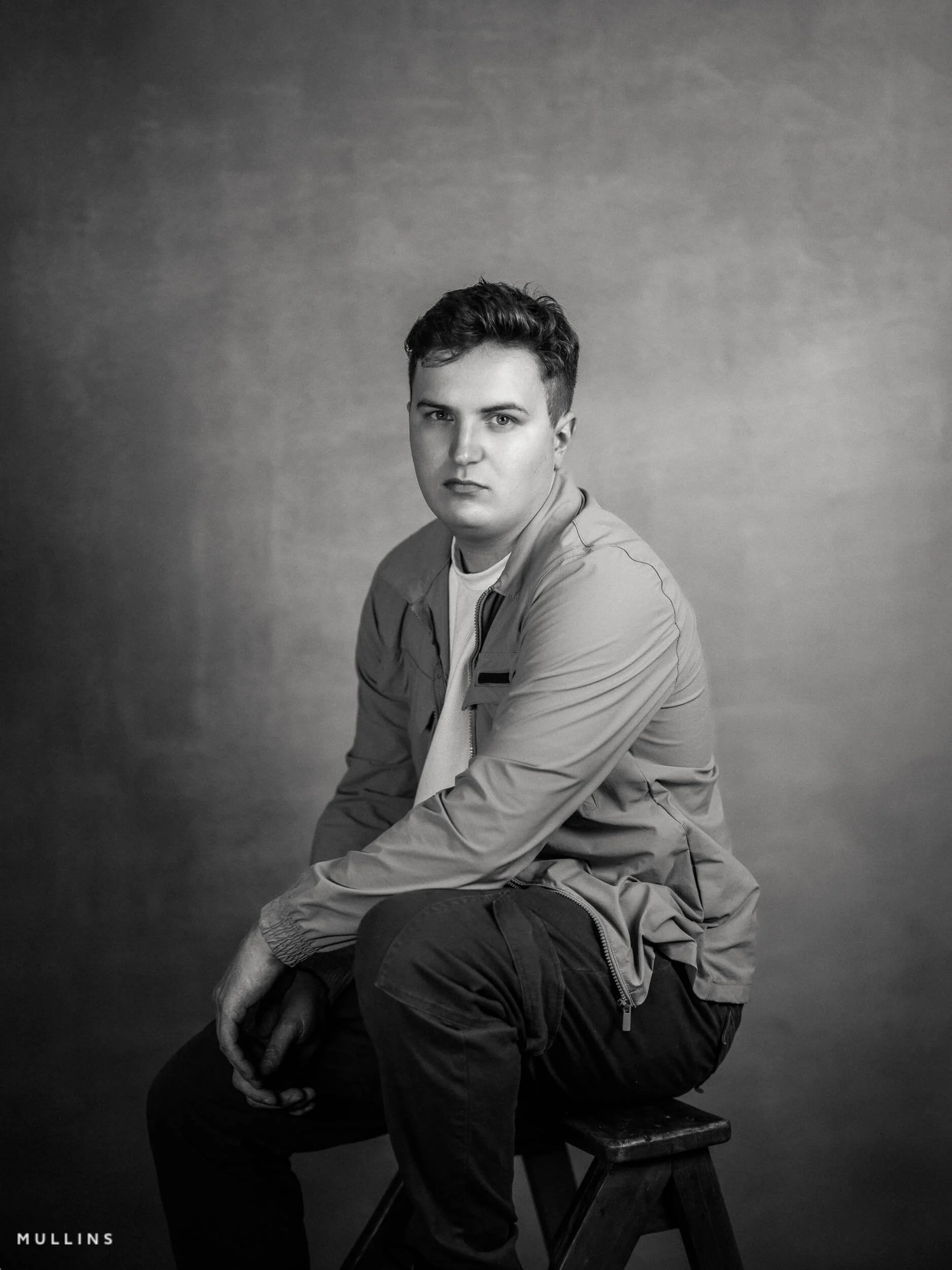
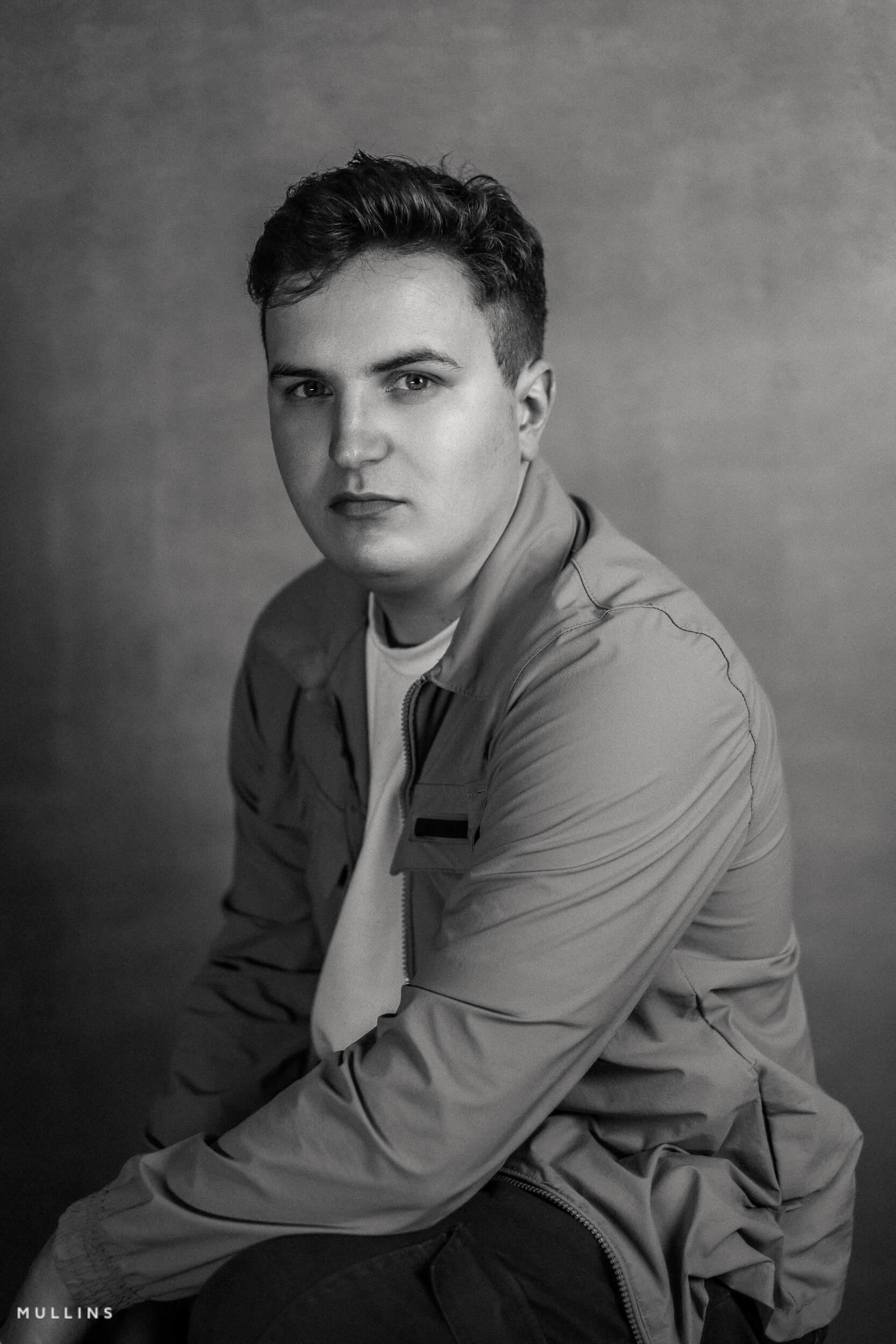
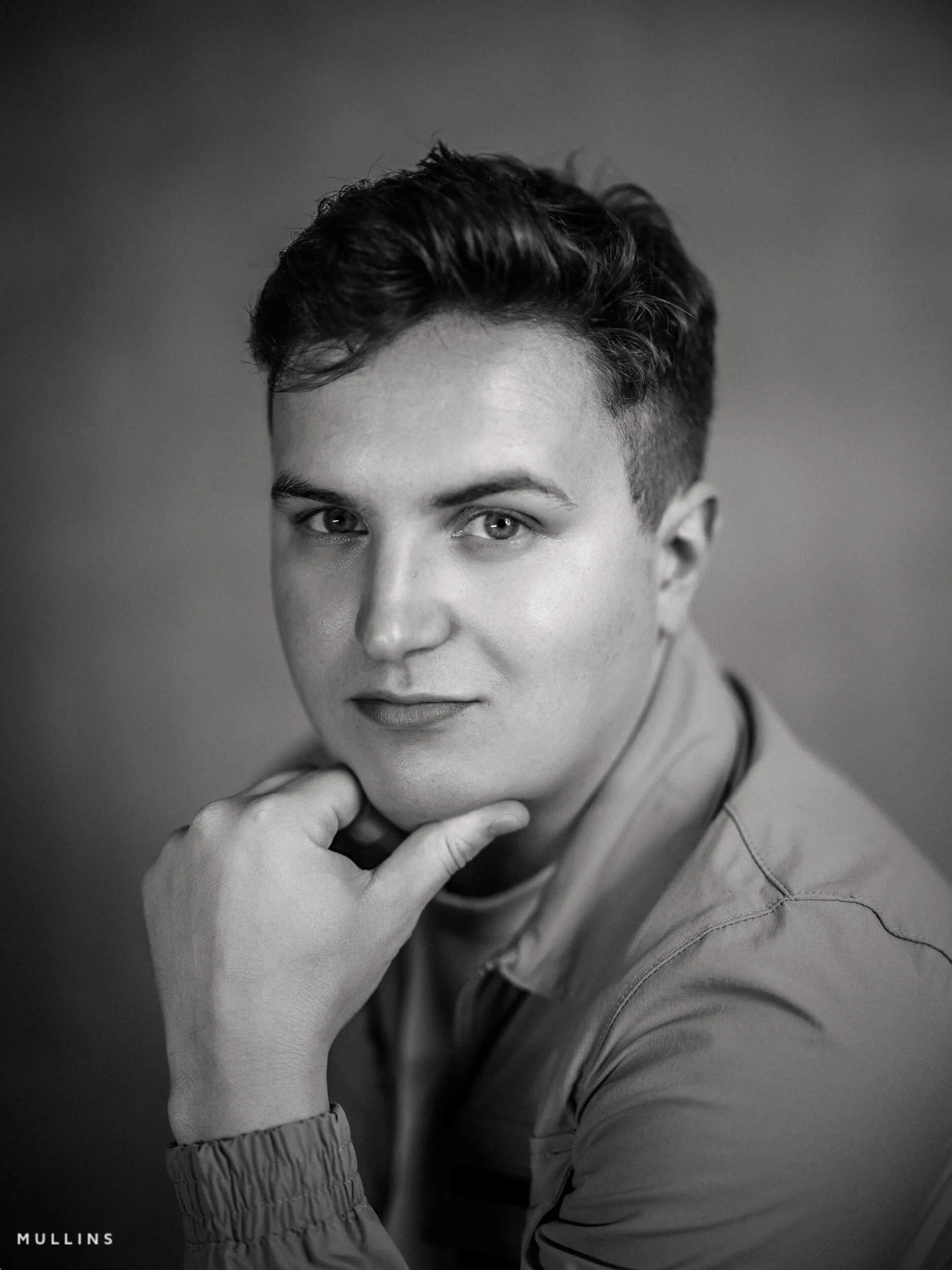
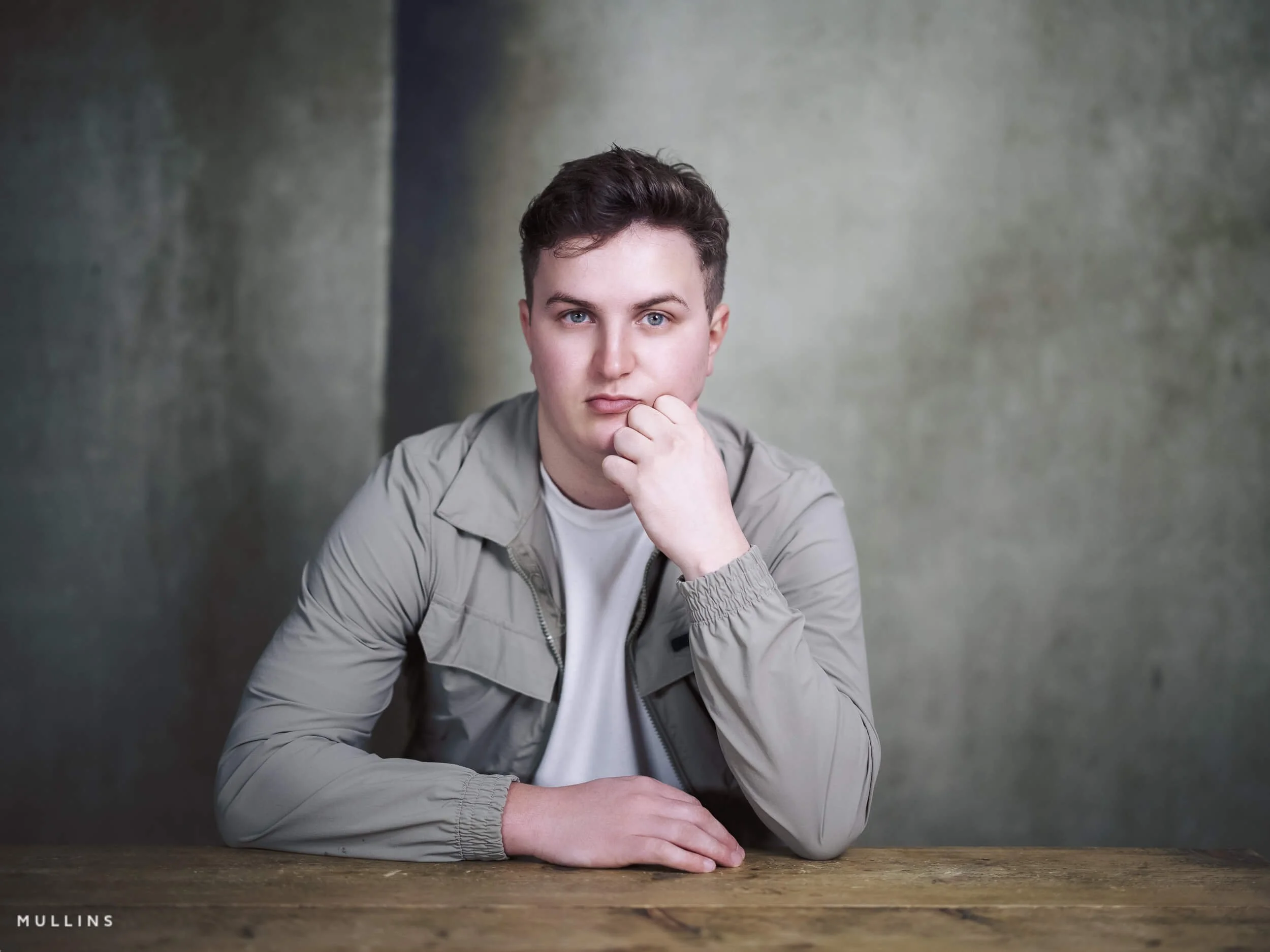
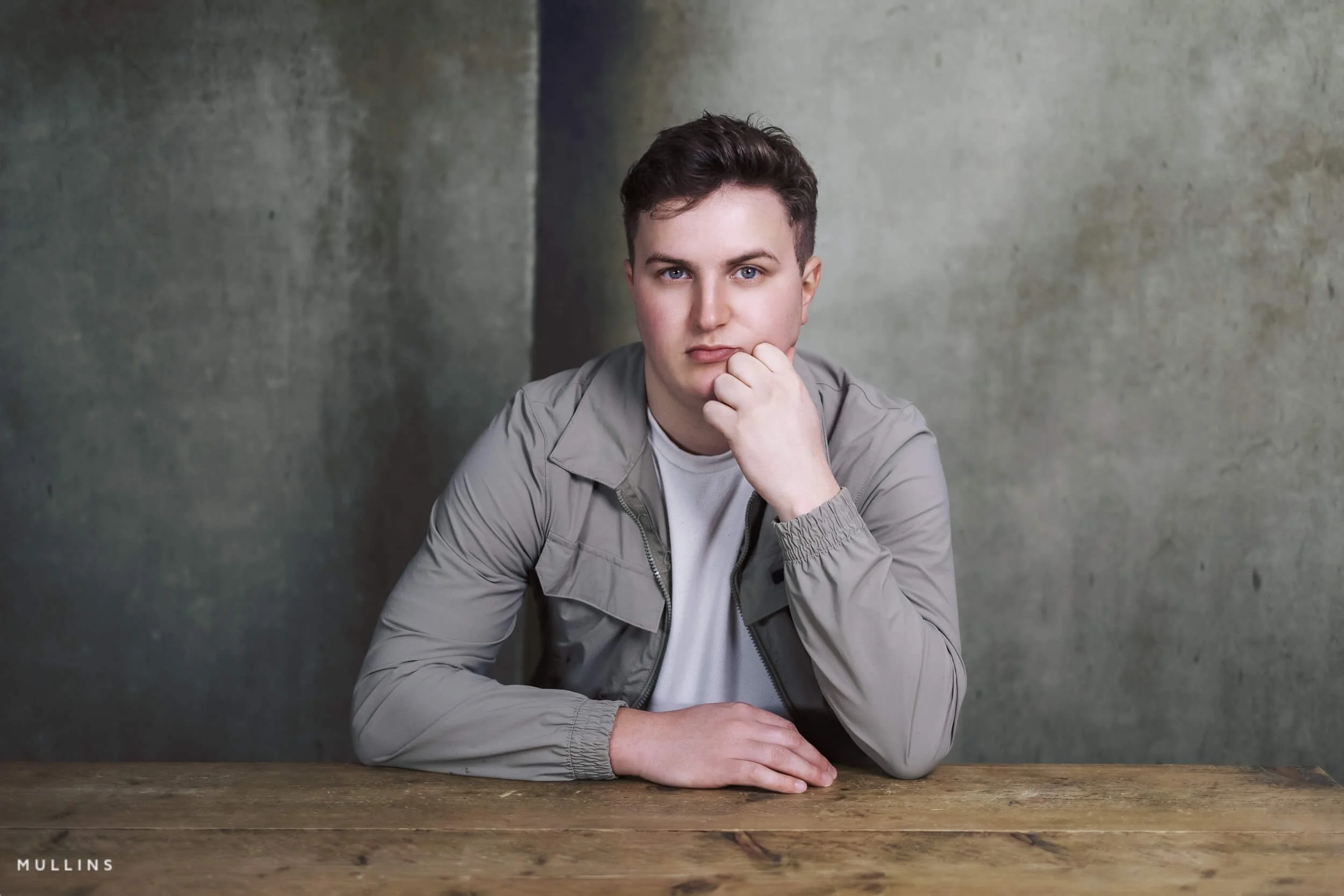
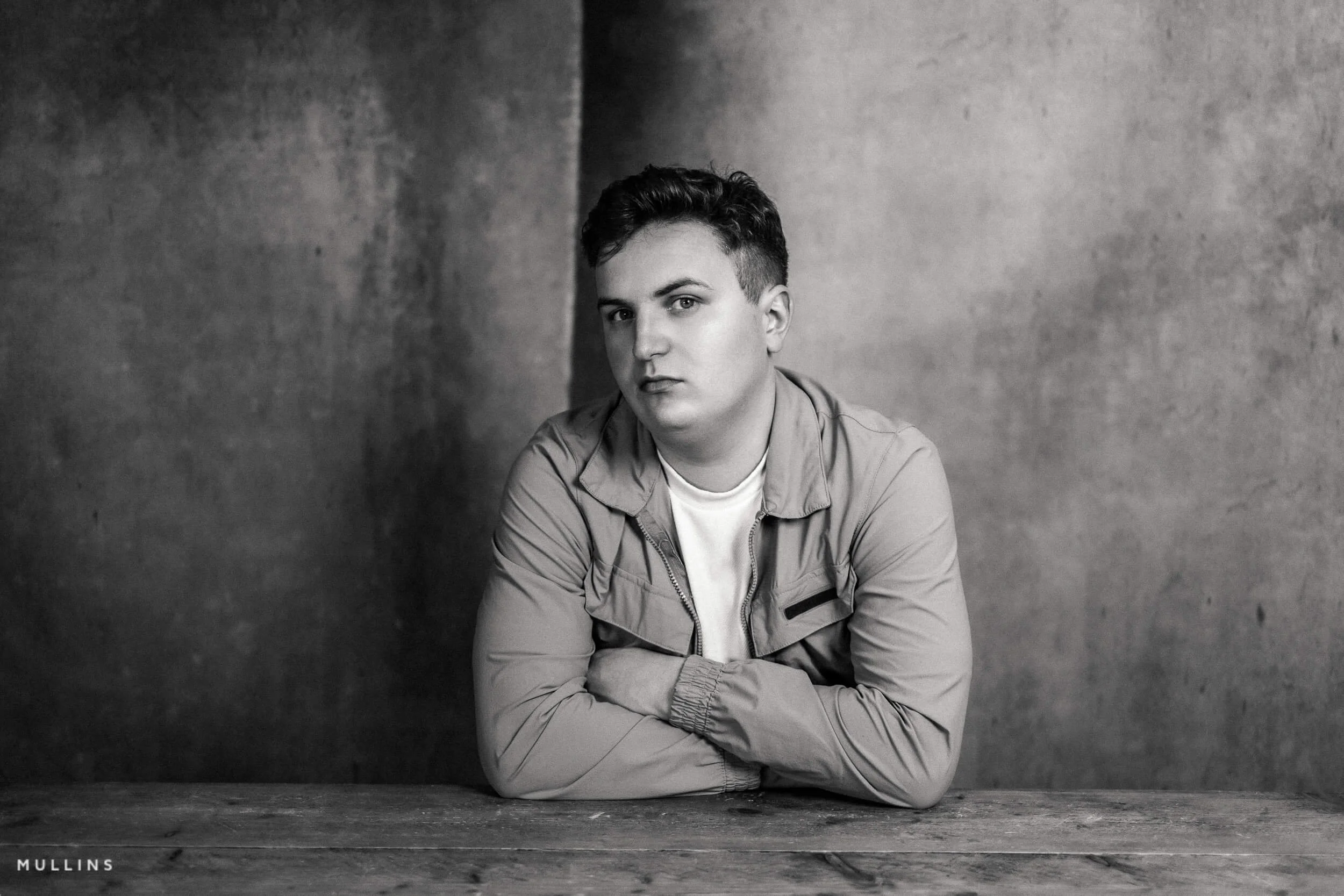
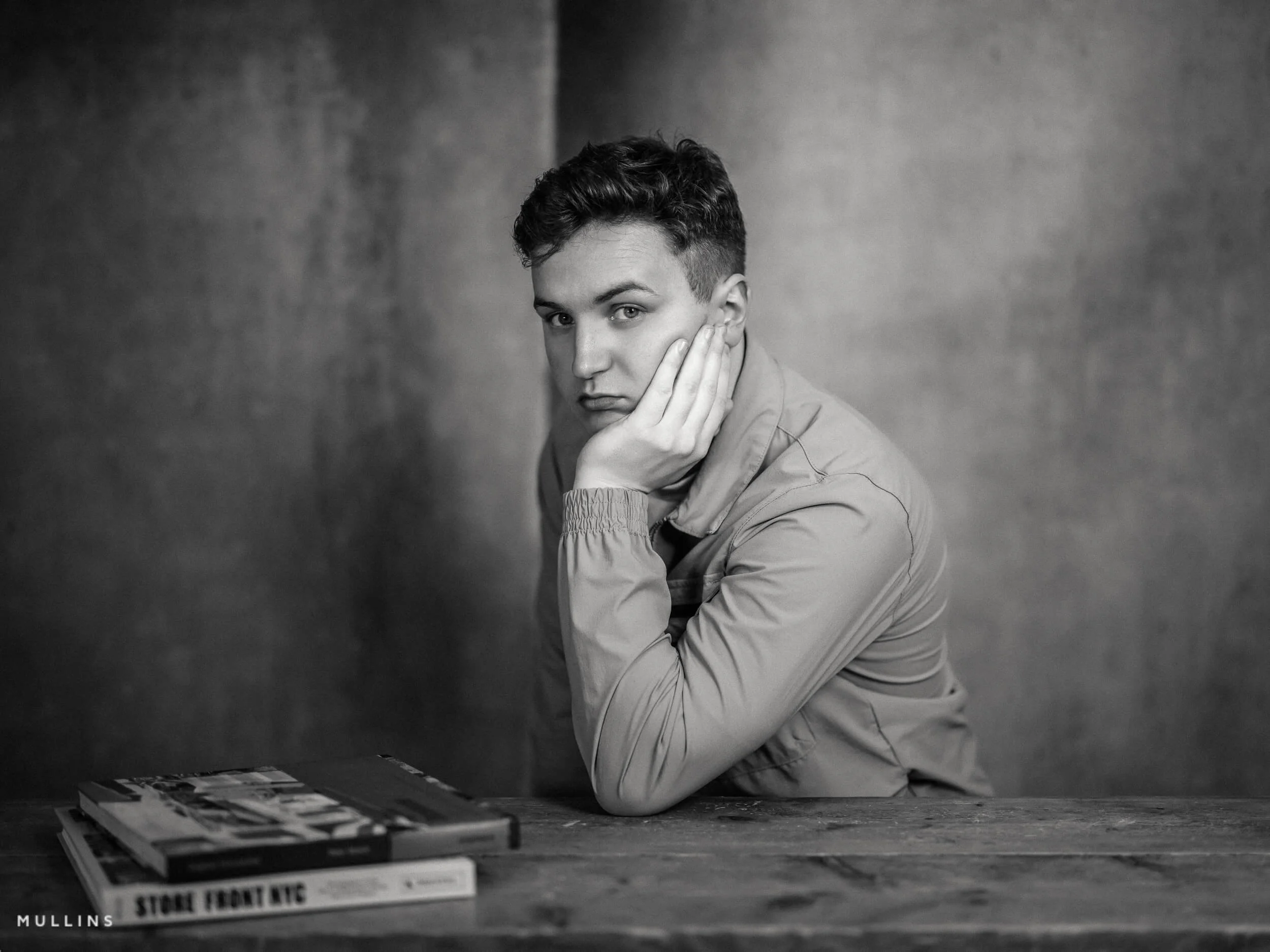
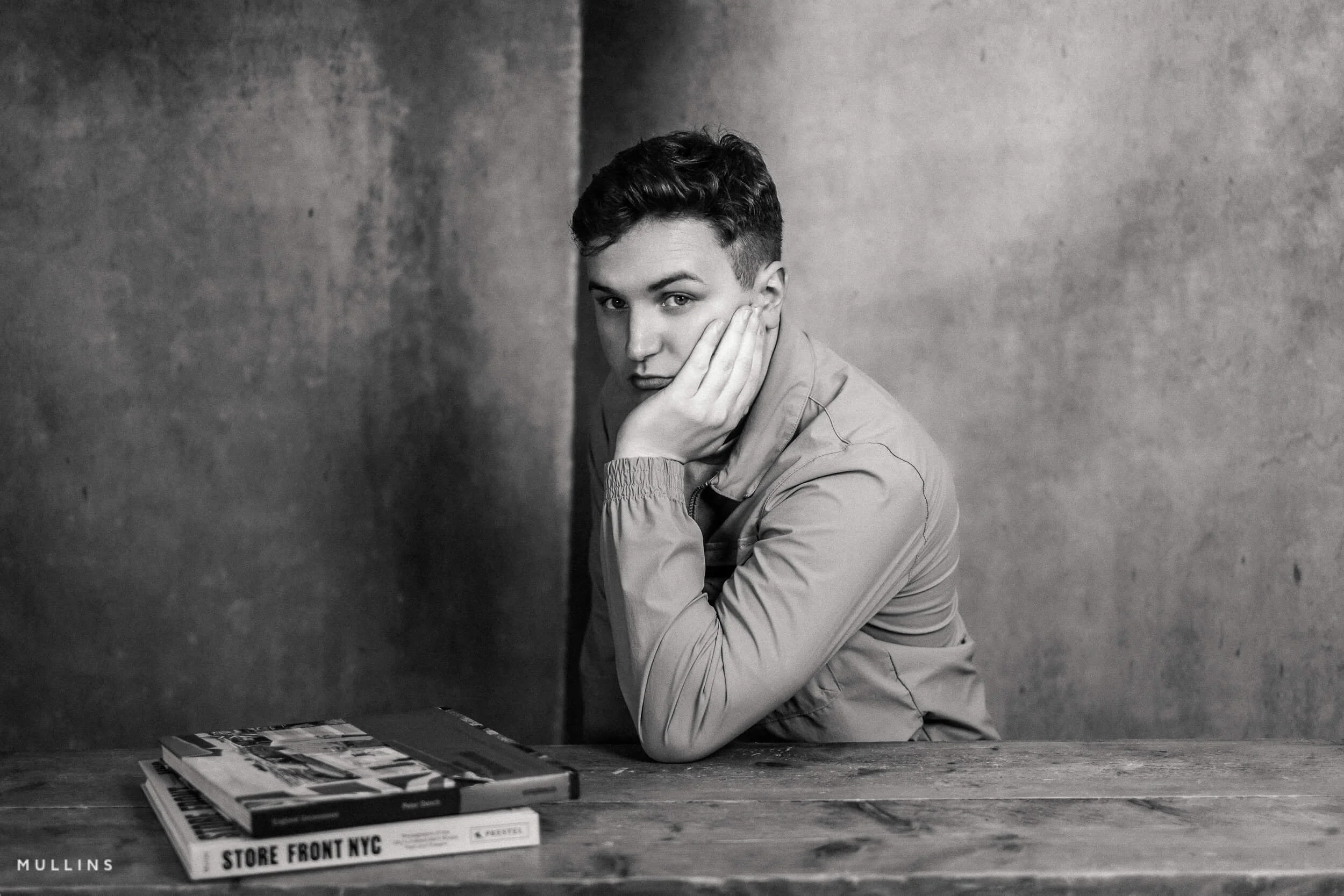
I did a portrait shoot in the studio recently and, for no other reason than curiosity (and a bit of fun), I shot two sets of very similar frames on two very different Fujifilm setups.
One set was on the GFX100S with the GF80mm f/1.7.
The other was on the X-E5 with the original XF35mm f/1.4 R, the lens that refuses to stop being great, despite its age.
I’ve mixed the images up below, and I’d like you to guess which ones were shot on which combo. No peeking at EXIF, because I’ve removed that!
Have a look, pick your side, and drop your guesses in the comments.
I’ll let you know if you guessed correctly.
How to play
There are 12 images in total.
Five were taken on the GFX100S + GF80mm f/1.7.
Seven were taken on the X-E5 + XF35mm f/1.4 R.
They’re labelled A to L. In the comments, tell me which letters you think are GFX, and which are X-E5. If you want to make it interesting, add a line explaining what tipped you off. Even if you’re wildly wrong, that’s half the point.
If you want a neat format, use this in the comments:
GFX:
X-E5:
Reasoning:
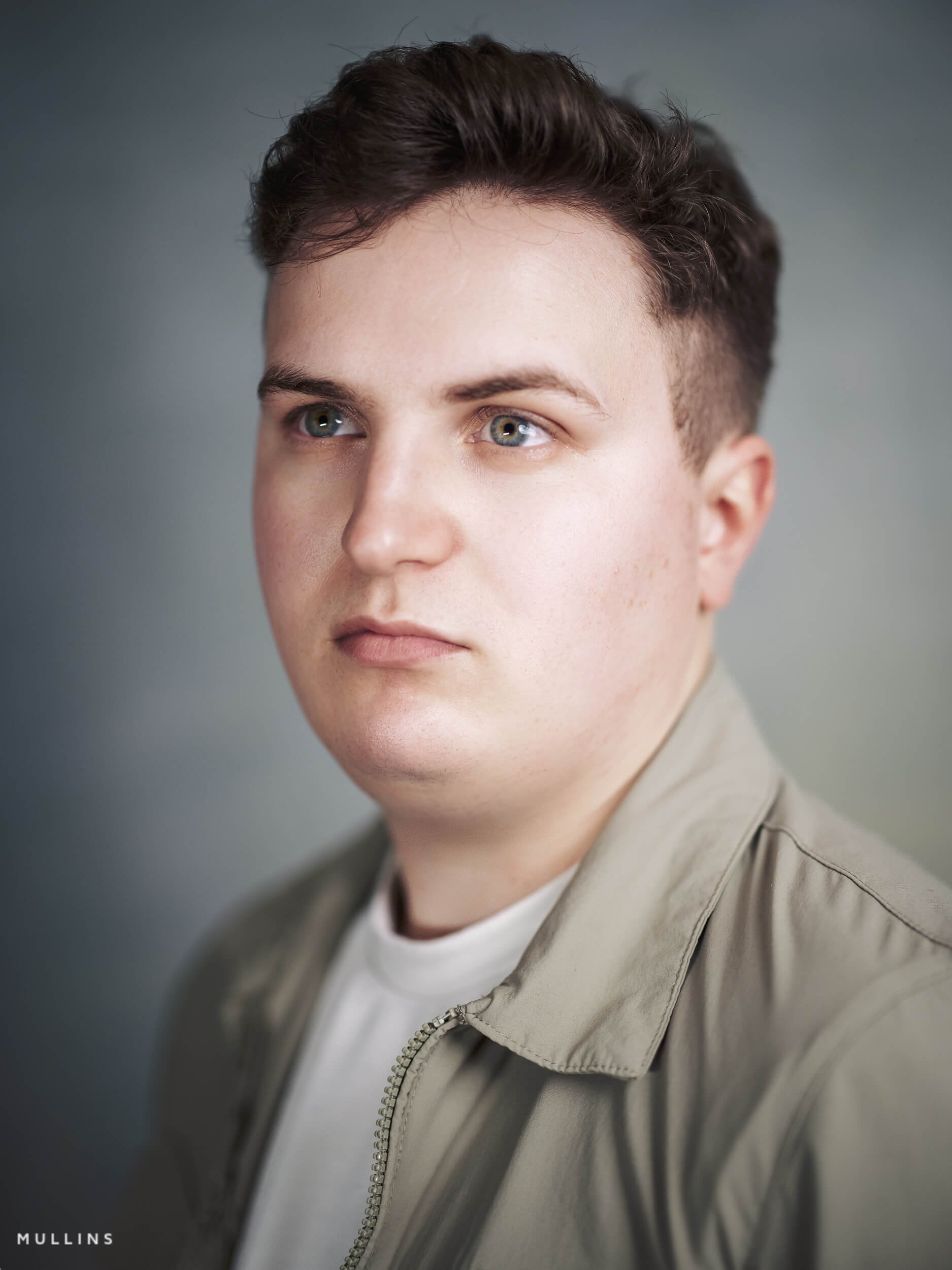

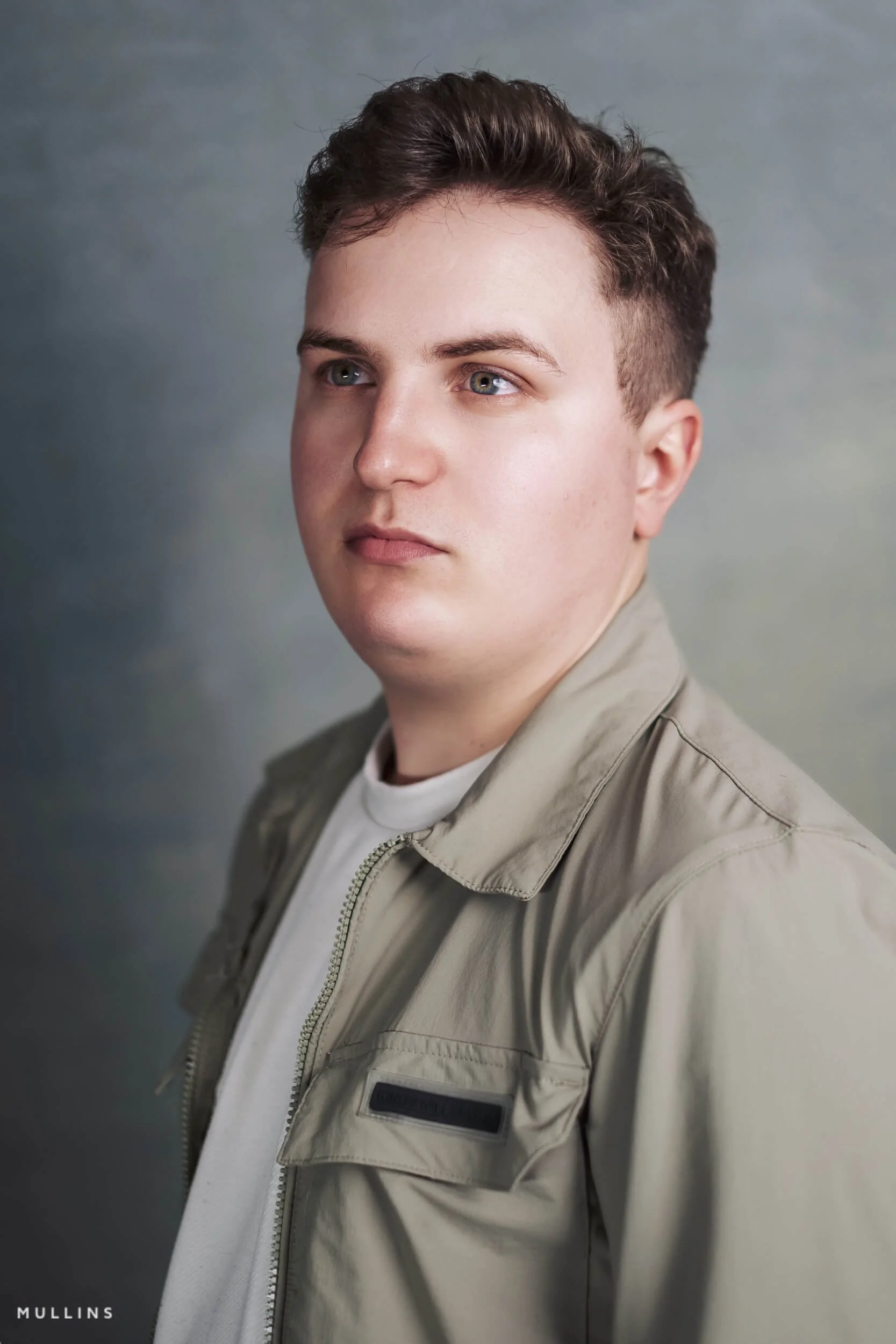
A Note on the Editing
I edited every image here using my own Lightroom presets, and I kept the approach deliberately consistent across both cameras. Same starting point, same general finish, and only the usual tiny tweaks you’d expect (exposure nudges and the odd small adjustment if needed).
What should you look for?
If you’re thinking, “A portrait is a portrait, how different can it be?”, you’re not wrong. This is exactly why it’s a fun challenge. But there are a few little tells that might give it away.
Start with the background.
Look at how quickly it drops away, and what the out-of-focus bits actually look like. Not just blur, but the shape of it. Sometimes you’ll see a sort of creaminess, sometimes a busier texture. It’s subtle, but it’s there, trust me.
Then look at transitions on the face.
Cheeks into shadows, highlights on skin, the way the tonal shift happens around the eyes and nose. Some systems feel a bit more “rounded” in those transitions. Others feel a touch more crisp and direct.
Also, have a look at the micro detail.
Eyelashes, background weave, hair strands, and the way edge contrast appears.
Be careful though, because sharpening and export settings can make a difference. I’ve kept things consistent, but your brain will still try to invent patterns.
A small technical note
These two combinations are closer than you might think in terms of angle of view.
The GF80mm on GFX is roughly a 63mm full-frame equivalent field of view.
The XF35mm on APS-C is roughly a 50mm full-frame equivalent field of view.
So of course, they’re not identical, but they live in the same “portrait lens” world. Both can do classic portrait framing in a studio without feeling too tight or too wide.
Where it really starts to diverge is depth of field and the way the files behave when you push them around in Lightroom.
At the same framing and f-number, the larger sensor will give you a different kind of separation. Not necessarily “better”, exactly, but different.
It’s that fall-off and the way tones roll that clients often respond to, even if they can’t put their finger on why.
Why I nearly always use the GFX for portraits
I reach for the GFX100S most of the time for studio portraits because it gives me consistency and headroom.
There’s a look to the files that I trust. Skin tones feel smoother without feeling smeared, and the tonal transitions tend to behave in a way I find kinder to the subject. I can light carefully, expose properly, and then the editing becomes much easier.
The resolution also matters more than people think (the megapixels war is real). Not because I need massive files for social media, obviously, but because it gives me freedom. I can crop if I need to, I can print big if I want to, and the image still holds together. That’s useful in a working studio where you’re trying to make small decisions quickly, and it gives a huge latitude for clients who are looking for actor agency headshots.
And the GF80mm f/1.7 is, frankly, amazing. It’s sharp, it’s flattering, it has plenty of character when you want it. It’s big and heavy, though.

Why the X-E5 and XF35mm f/1.4 is still a great portrait setup
The smaller setup doesn’t feel like a compromise. It feels more like a choice - and choice is a great thing to have.
The X-E5 is small, quick, and in lots of ways much easier to use than the GFX. For some people, especially those who feel a bit awkward in front of a camera, that can matter. A big camera body and a big lens can change the mood of a shoot. Sometimes you want that “serious studio” vibe, and sometimes you really don’t.
And the original 35mm f/1.4 is still special. It’s not the cleanest lens in the world, and that’s why a lot of people love it. It has a look. Wide open it can be a touch “creamy” in the highlights, and it can feel a bit softer (perhaps filmic is the better word) than the modern super-sharp stuff.
But sometimes, for portraits, that can be exactly what you want.
Also, it’s just accessible. If someone wants to shoot portraits with Fujifilm, but they’re not ready to jump into GFX, the X-E5 with the 35mm f/1.4 is a genuinely strong option. And a lot cheaper than a full blown GFX system.
Closing thought
If this little experiment proves anything, it’s probably this: the camera matters, but not in the way people argue about constantly online and in camera-geek forums.
Light matters. Distance matters. Lens character matters. And the photographer’s vision matters more than any spec sheet.
Still, it’s interesting, isn’t it? Sometimes the difference is obvious. Sometimes it’s basically invisible. And that’s part of the fun.

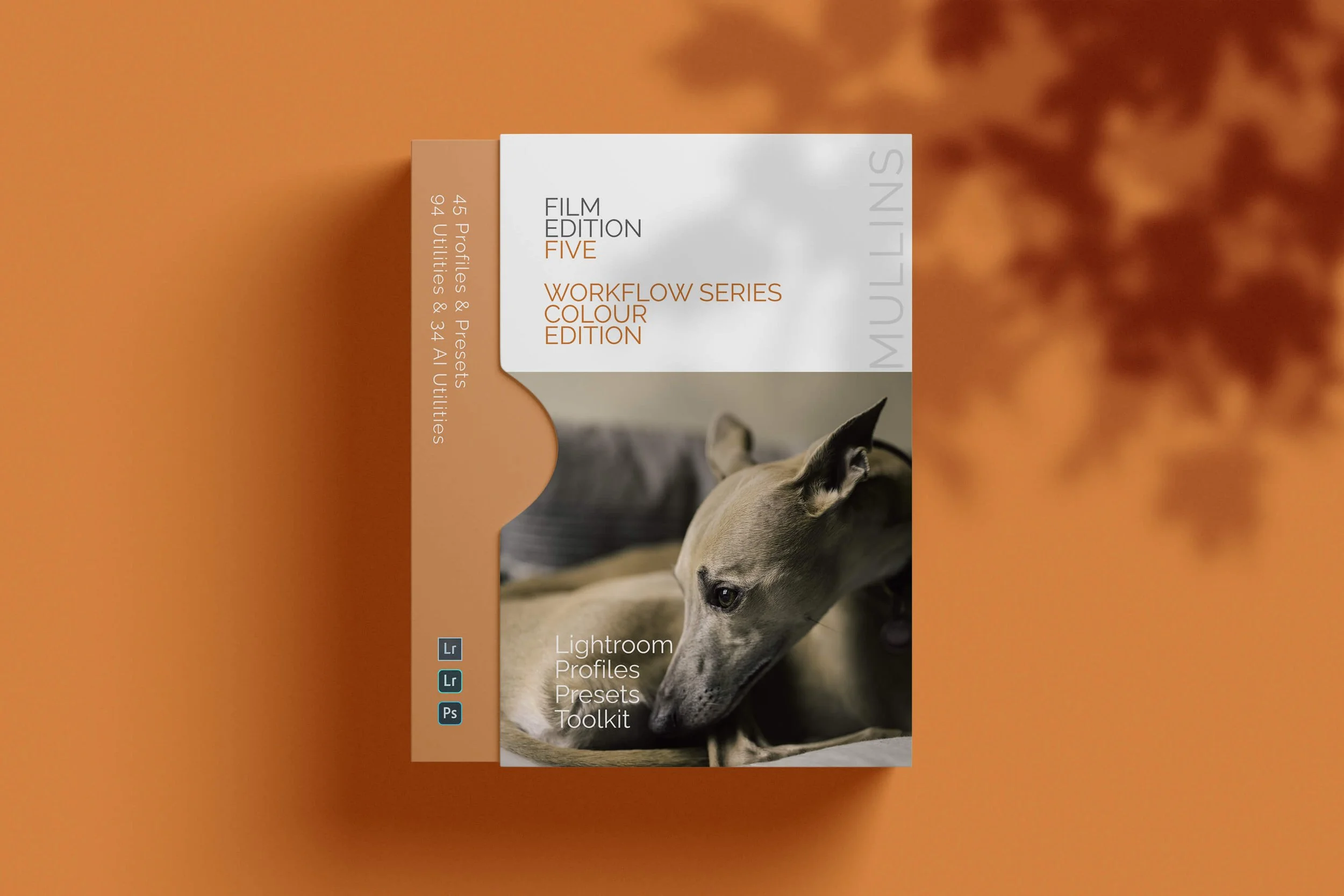
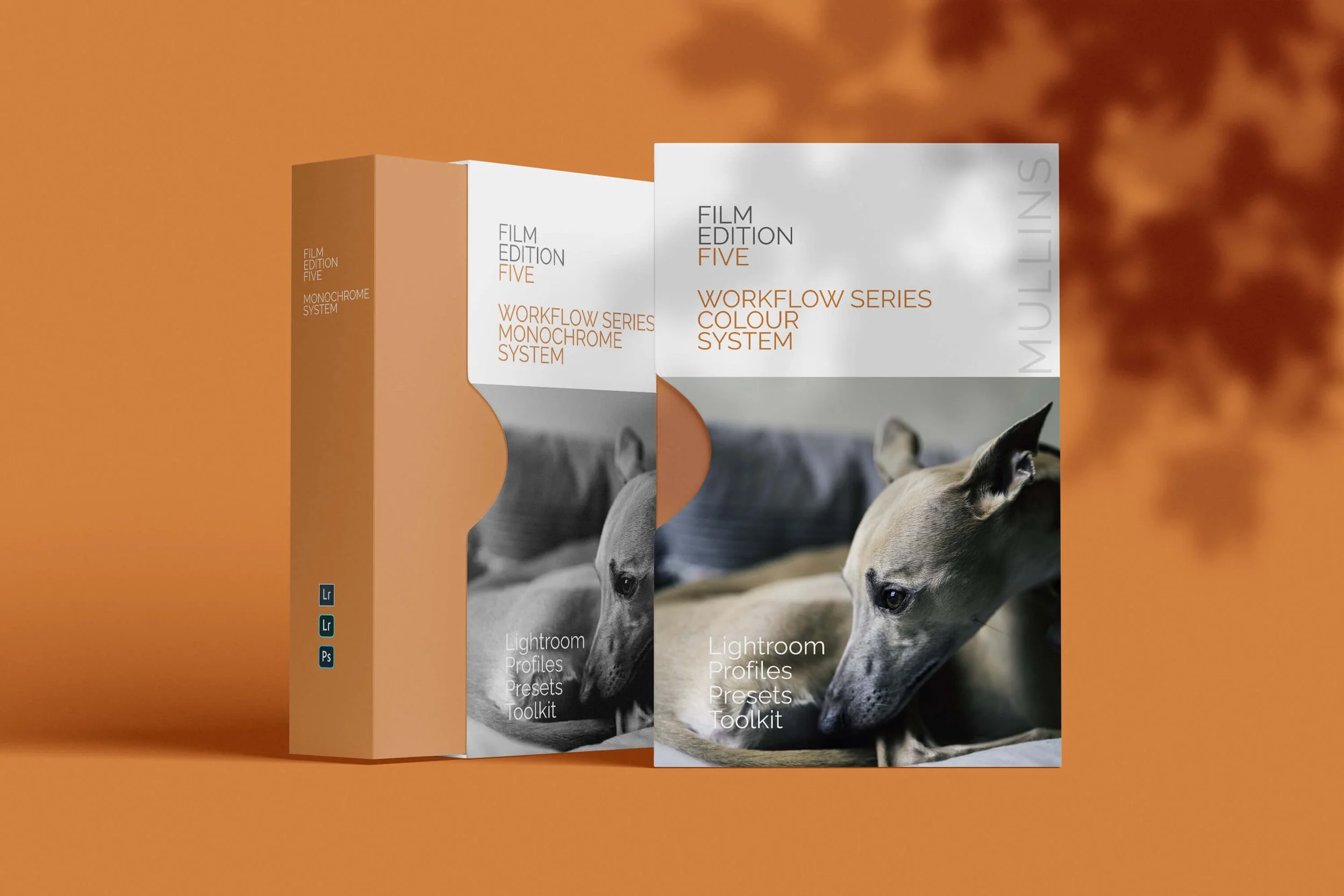
A complete black and white Profile, Preset & Workflow Pack for Lightroom
Film Edition 5 - Workflow Series (Monochrome) is a structured set of Lightroom profiles and presets designed to help you achieve a finished monochrome look quickly and consistently.
This is not a random “pick a look and hope” pack. It’s designed as a repeatable workflow you can run on a full set of images, with fixes and finishing tools when you need them.
If you edit regularly in Lightroom, you already know the problem. You want a strong black-and-white style, but you also need it to behave consistently across different scenes, lighting conditions, and subjects. This pack is designed to help you move fast without the work looking rushed.
You start with one of the custom monochrome profiles to establish the tonal foundation, then shape the image with workflow presets that are designed to work with that profile rather than fight against it. From there, you can use the included Toolkit for things like AI masking, grain, curves, highlight control, sharpening, finishing touches, and everyday problem-solving inside Lightroom. The product page positions the pack exactly this way, with the profile first, workflow second, then utilities and finishers to refine only when needed.
Built for speed and consistency
If you edit your photos in Lightroom, you already know the problem: you want a strong monochrome style, but you also need it to work across different scenes without constant fighting.
This pack helps you move fast without the work looking rushed.
Fast workflow: fewer decisions, clearer steps.
Consistent results: the set hangs together as a series.
Film-inspired tonality: depth, shape, and texture without the “preset look”.
Useful fixes included: real-world Lightroom problems, solved quickly.
What’s included
11 custom monochrome profiles
20 one-click presets
128 Mullins Lightroom Toolkit presets, including AI masks, fixes, utilities, grain, tone curves, colour helpers, sharpening and finishers
Compatibility
Works with Lightroom Classic and Lightroom Desktop. AI Mask presets require Lightroom Classic 11.0+ or Lightroom Desktop 5.0+.
Three for Two Offer
All preset packs are included in the 3-for-2 offer. Add any three preset packs to your basket, and the cheapest one is free at checkout.