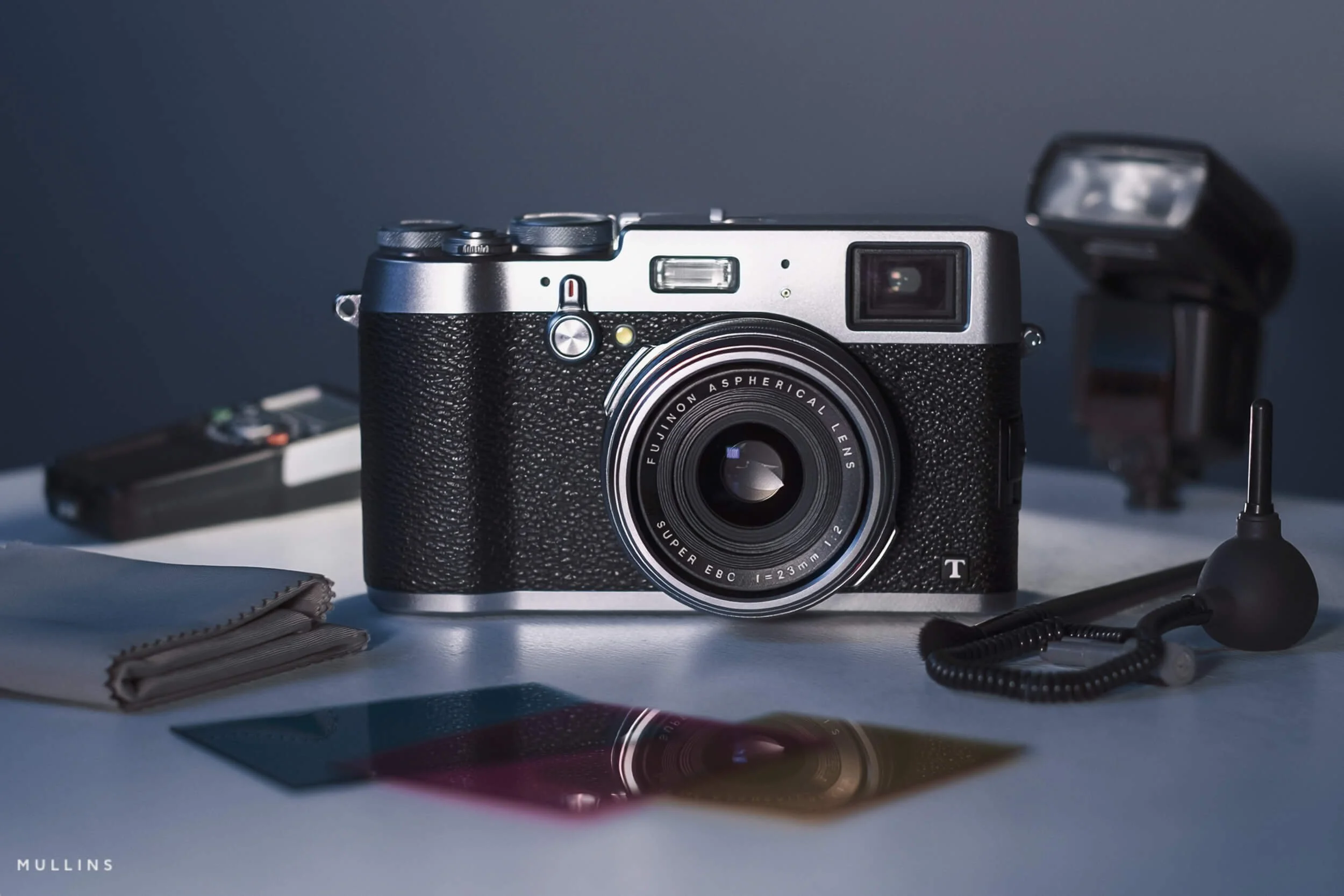
There's been a lot of noise around the Fujifilm X-T6 recently, which is interesting considering that, at the time of writing, Fujifilm hasn't actually announced one.
The rumour sites had an announcement pencilled in for early September. That came and went, and now there’s plenty of speculation about when we might see the next camera in the X-T line instead.
People have asked me what I know about it, whether they should wait, and whether it will be worth upgrading from the X-T5.
The answer to the first question is very simple: I know nothing about the X-T6 beyond what anybody else can read online. I have no inside information from Fujifilm, so I'm certainly not going to invent any.
But the other questions are perhaps more interesting.
Because whenever a new camera starts appearing on the horizon, even if it's still only a rumour, something strange happens to the camera we already own: It starts to feel older.
Obviously nothing has actually changed. An X-T5 sitting in your camera bag today is exactly as capable as it was a month ago. The sensor hasn't lost any resolution, the autofocus hasn't slowed, and the photographs you made with it last year certainly haven't got any worse.
Yet the possibility of something newer can make us start wondering whether what we already have is still good enough.
I've been around cameras long enough to recognise this problem. I've also bought enough cameras over the years to know I'm not immune.
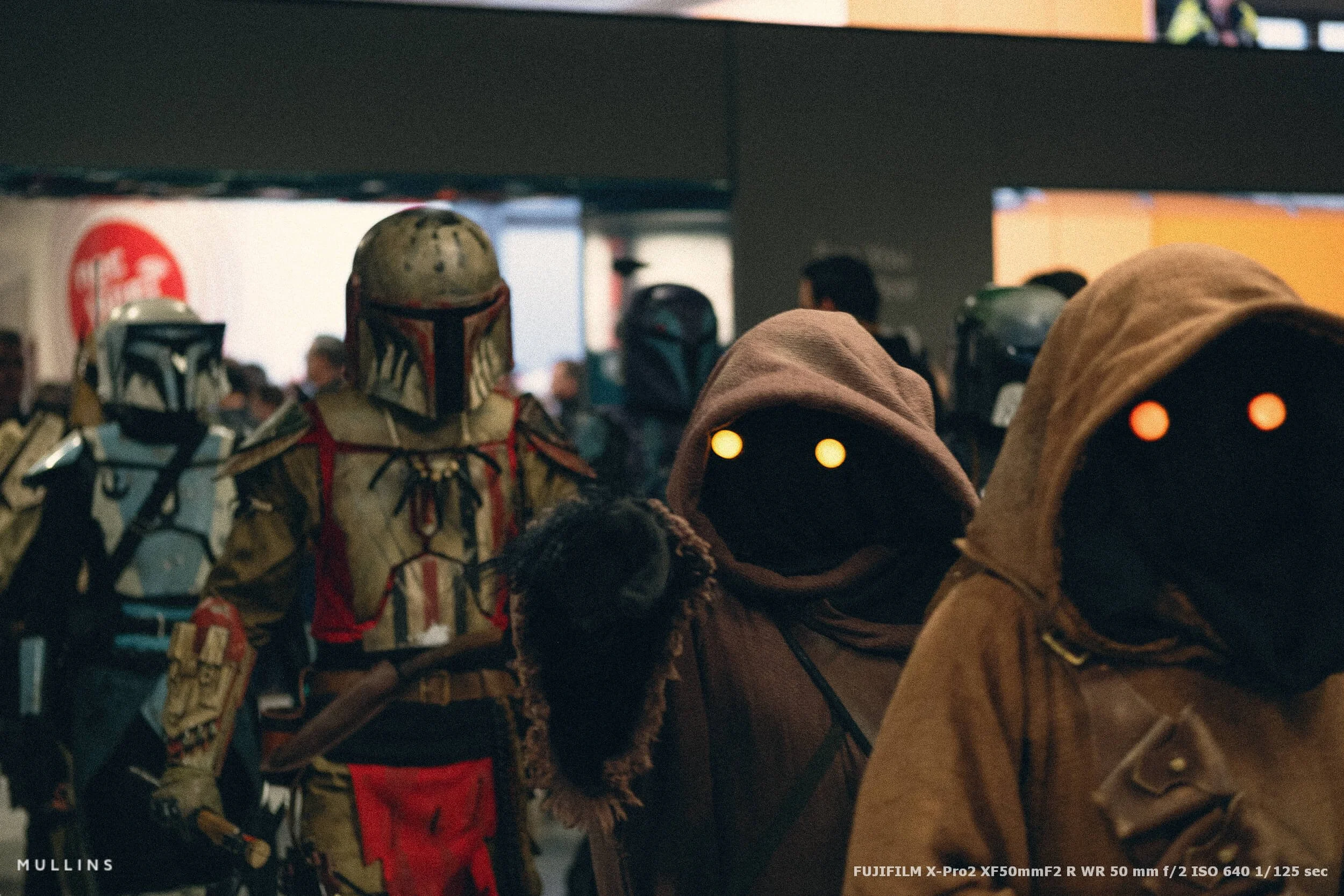
Edited with 400 01 Preset from Film Edition 5 Colour
In brief
I like new cameras, and I'm certainly not suggesting we should stop buying them. Better technology can make photography easier, more reliable and sometimes more enjoyable.
But if the camera you already own does everything you genuinely need it to, you don't automatically need to replace it just because something newer has appeared.
Over the years, the biggest improvements in my own photography have come through photographing more, not upgrading more.
I've got better at reading people, anticipating moments, finding light, and knowing when to take a picture simply because I've done all of those things thousands and thousands of times.
That's really what this article is about.
I like cameras as much as the next photographer
It would be ridiculous for me to write an article saying gear doesn't matter.
I've used Fujifilm cameras professionally since the early days of the X Series. I've owned almost every generation, written reviews, taught photographers how to set them up and spent far too many hours discussing cameras on the internet and on The Fujicast Podcast.
I still get excited by a new camera.
Plenty of genuine improvements have also made my working life easier over the years. Autofocus has become far more capable, especially with moving subjects. Sensors are better, batteries last longer, image stabilisation is now something we almost take for granted, and the files from modern cameras are astonishing.
There are things I can do more easily with an X-T5 than I could with an X-T1. I wouldn't particularly want to shoot every wedding I photograph today on an original X-Pro1 either, although I did exactly that for several years.
The distinction, I think, is between equipment that makes photography easier and equipment that makes the photographer better.
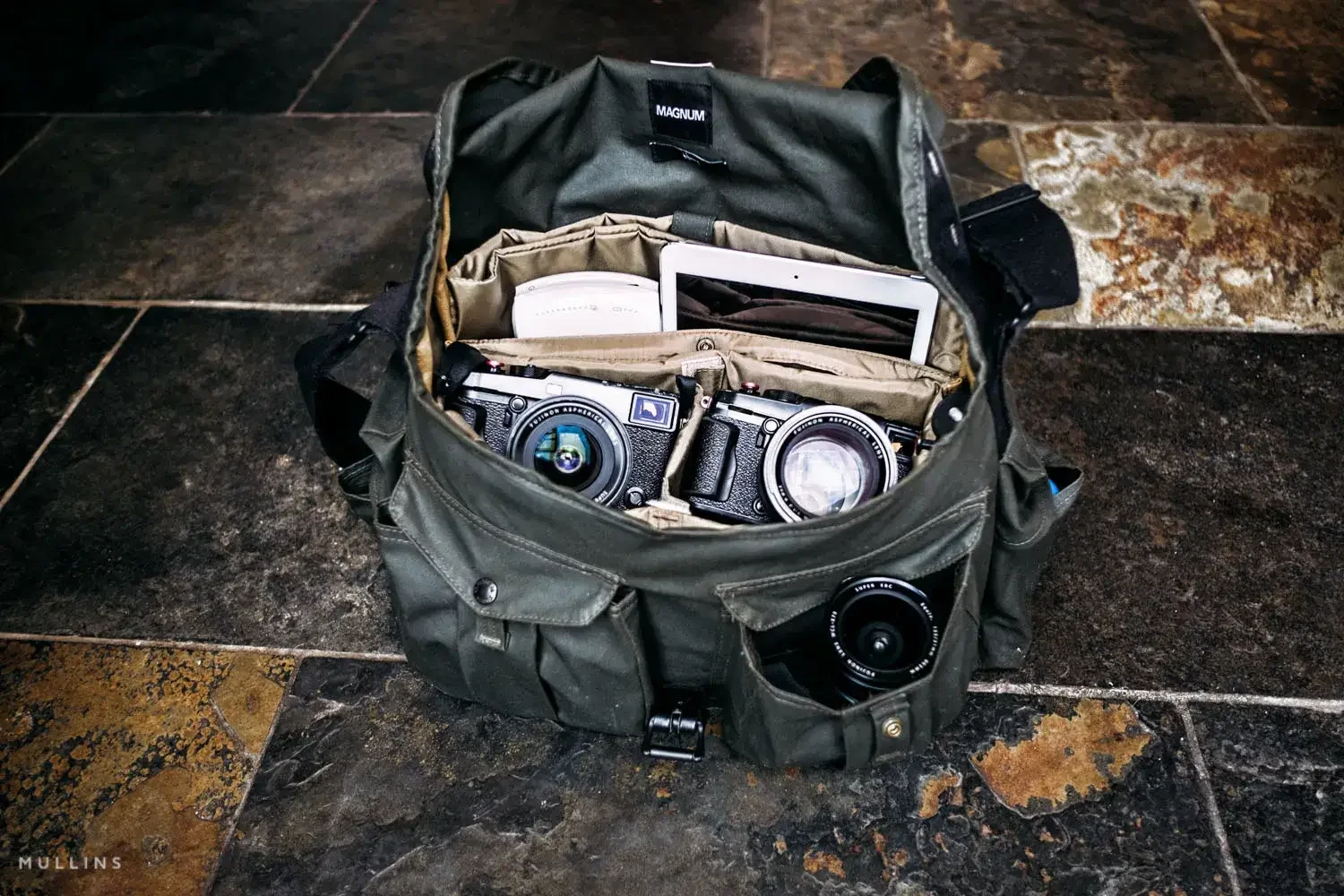
The cameras have changed enormously over the years. What I'm looking for in a photograph hasn't changed nearly as much.
Does your current camera actually stop you from doing anything?
This is probably the question I'd ask before almost any camera upgrade.
What does your current camera prevent you from photographing?
Sometimes the answer is obvious. If you photograph fast sport and your autofocus really is struggling, a newer camera might transform the experience. If you need much higher resolution for large commercial work, then more resolution has a purpose. Video shooters may need particular recording formats, frame rates or connectivity that simply didn't exist on an older body.
There are lots of perfectly sensible reasons to change cameras.
Sometimes it's even simpler than that. Perhaps the camera is too big, and you don't carry it. Maybe you hate the controls. Maybe a smaller camera would mean you actually take it out with you.
What I'm slightly less convinced by is upgrading because we hope a different camera will somehow make the photographs themselves more interesting.
I touched on this in my Fujifilm X100VI long-term review. If somebody owns an X100V and it already does everything they want, I don't think the existence of the X100VI automatically means they need to upgrade.
The VI is a technically better camera. I prefer it. There are useful improvements.
But that’s different from saying everybody needs one.
If the camera you've got does what you need, then continuing to use it is a perfectly sensible option.
A question worth asking before you upgrade
What photograph can I not make with the camera I already own? If you can answer that clearly, a new camera may well be worthwhile. If you can't, perhaps the thing to upgrade isn't the camera just yet.
Familiarity is worth more than we give it credit for
Another advantage of owning the same camera for a long time tends to get lost in specification comparisons.
You get to know it properly.
That sounds obvious, but I think it is important, especially for documentary photography.
Once I've used a camera for long enough, I don't really want to think about it anymore. I know where the controls are, how the autofocus is likely to behave, how far I can push things when the light gets difficult, and I have a fairly good idea what a particular lens is going to give me before I even lift the camera.
For my documentary wedding photography, that is incredibly useful because the last thing I want to be doing when something is happening in front of me is wondering where Fujifilm has moved a menu setting.
The camera needs to become the boring bit.
Of course, when you get a new camera, the opposite happens for a while. You notice everything. You experiment with new autofocus settings, rearrange buttons, try new things, and probably spend quite a bit of time photographing the dog to see whether subject detection works.
That's part of the fun, I suppose.
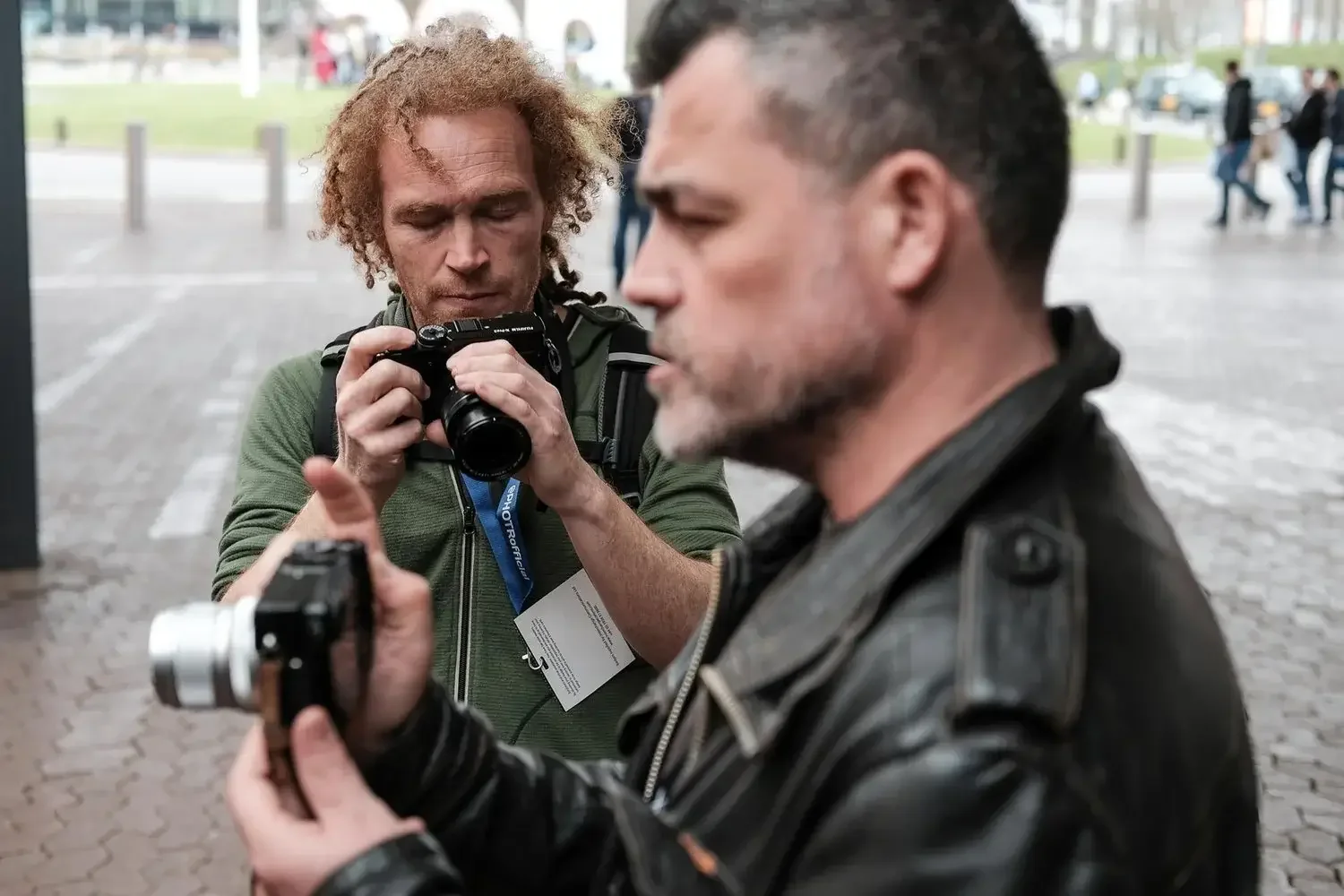
BTS of one of my Street Photography Workshops
Photographing more changes the way you see
I've photographed more than 800 weddings now, along with a huge amount of street photography, family work, portraiture and my own personal photography.
I don't think photographing that many weddings has given me some magical ability to know what is going to happen next. Weddings are full of people, and people are wonderfully unpredictable.
But repetition does mean I recognise situations earlier, so I notice when two people across a room have just seen each other. I can often tell when somebody listening to a speech is about to react. I might notice a child hovering around the edge of something and have a reasonable feeling that they are going to do something more interesting in a minute.
You begin to recognise patterns.
The important thing is that the photograph often starts before you press the shutter.
You might move because the background is terrible. You might decide not to move because getting closer would make the people notice you. Sometimes you find a frame and simply wait to see whether something develops inside it.
I wrote a whole article about how I try to remain unnoticed when photographing weddings, and much of that comes down to experience. Being unobtrusive isn't simply a case of buying a small camera and standing quietly in a corner.
You learn how people behave by photographing people.
You learn timing by getting the timing wrong.
You learn where to stand by spending quite a lot of time standing in the wrong place.
There isn't really a shortcut for that.

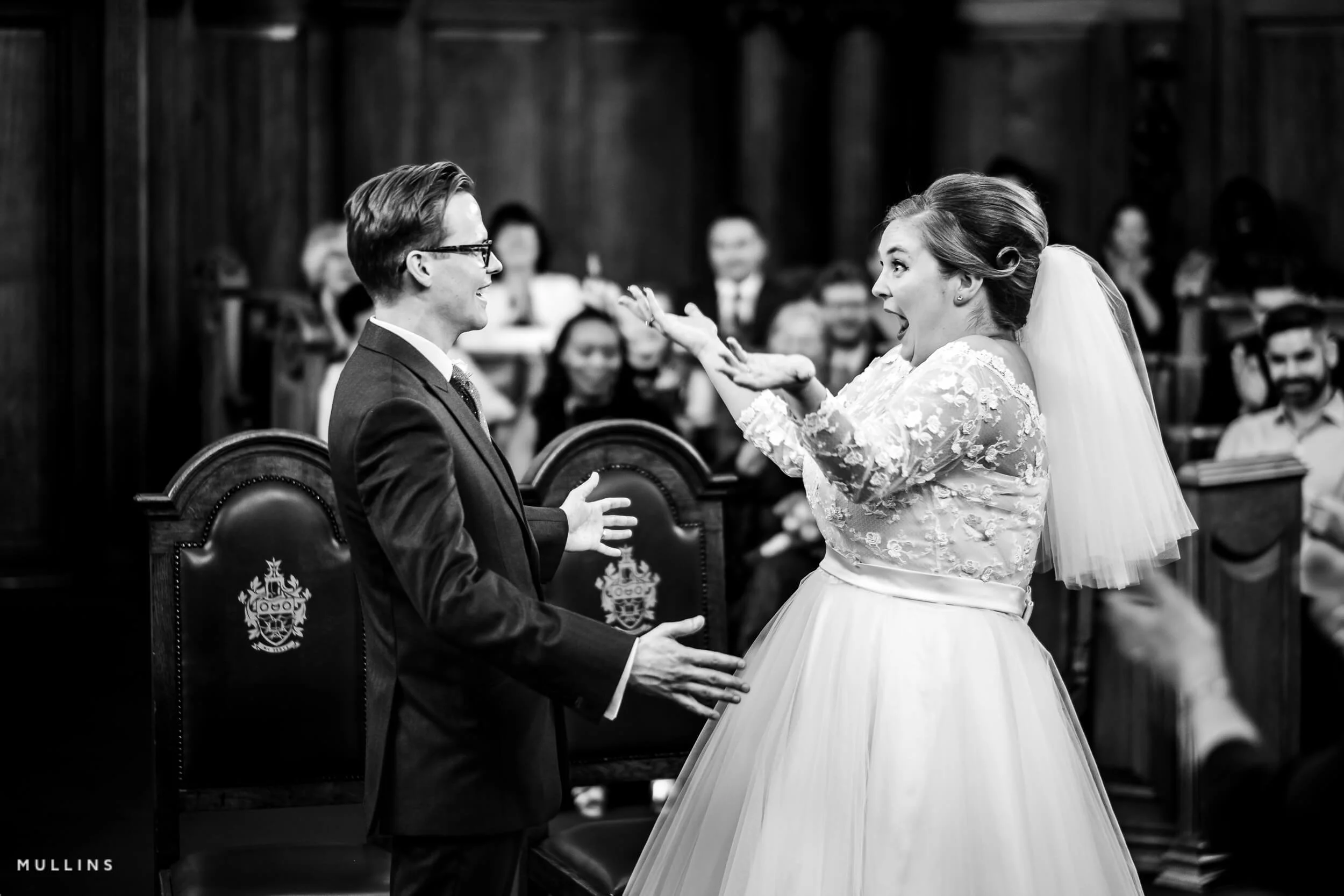


A lot of documentary photography is recognising that something might happen, then putting yourself in the right place if it does.
Light, composition and moment haven't needed a firmware update
For years I've used the phrase Light, Composition, Moment when talking about photography.
I've written about it in my Light, Composition, Moment photography guide, but essentially those are the three things I look for whether I'm photographing a wedding, walking around a city, or photographing my own family.
Sometimes the light gets my attention first.
Sometimes it's a composition.
Sometimes something happens and the moment is strong enough that everything else becomes secondary.
Obviously the camera has to do its bit. It has to focus, expose and record the file.
But the camera doesn't recognise why the light is interesting. It doesn't decide that moving six inches to the left will clean up the background, and it doesn't understand that the expression happening between two people is more important than whatever else is going on in the room.
That's my job.
Modern cameras are becoming incredibly good at knowing what we are pointing them at.
I still think we have to decide why we're pointing them at it.


Different situations, but I'm still looking for the same things overall.
Photographing more doesn't mean taking more photographs
This is key because I’m not suggesting everybody needs to come home with 5,000 frames every time they leave the house.
Photographing more isn't really about pressing the shutter more. It's about spending more time looking.
I think you can learn a huge amount by taking one camera and one lens somewhere fairly ordinary and simply seeing what you can find. You don't need Iceland, Tokyo, a beautiful model or an elaborately styled shoot every time you want to practise photography.
Some of the best training is probably somewhere you think isn't especially interesting.
Go back to the same town.
Walk the same streets.
Photograph your family at home.
Give yourself a small constraint and see what happens.
There is a huge difference between consuming photography and actually doing photography, and I think we all fall into that trap occasionally.
It is very easy to spend an evening watching camera reviews, looking at photographs, reading about lenses or, currently, trying to work out what might be inside a Fujifilm X-T6.
None of it is necessarily bad, but eventually you have to pick up a camera.


Ordinary life is very good practice
One reason I've always loved photographing ordinary life is that it forces you to look harder.
My documentary family photography is probably a good example.
A family home isn't designed as a photographic location. The light isn't necessarily beautiful, the furniture isn't positioned for a clean composition, and children have absolutely no interest in whether they're standing in the best part of the frame.
You have to work with what you're given.
When I wrote about how and why I photograph documentary family sessions, I talked quite a lot about observation and patience. I think both skills transfer into almost every other sort of photography.
Street photography does much the same thing.
Nothing is arranged for you, so you start becoming more sensitive to the bits that might work. A patch of light. A reflection. Somebody moving towards a clean background. Two completely unrelated things briefly lining up.
Even my portrait photography, which is obviously far more controlled, benefits from years of photographing people candidly.
I can set the light and choose the background in the studio, but eventually I still need something from the person standing in front of me. Expression, posture, and those little moments when somebody stops consciously posing are often what make the photograph.
The camera doesn't really help with that bit at all.
About the editing in this article
Every photograph in this article was edited using my own professional Lightroom profiles and presets. They are the same tools I use across my wedding, family, portrait and personal work.
For me, presets are not about turning an ordinary photograph into a good one. They are simply a consistent starting point once the photograph itself is already there — helping me get to the colour, tone or monochrome finish I want more quickly.
If you'd like to explore them, you can see my full range of professional Lightroom Presets, used by photographers around the world.
You can also get a 20% discount by joining my very infrequent newsletter.
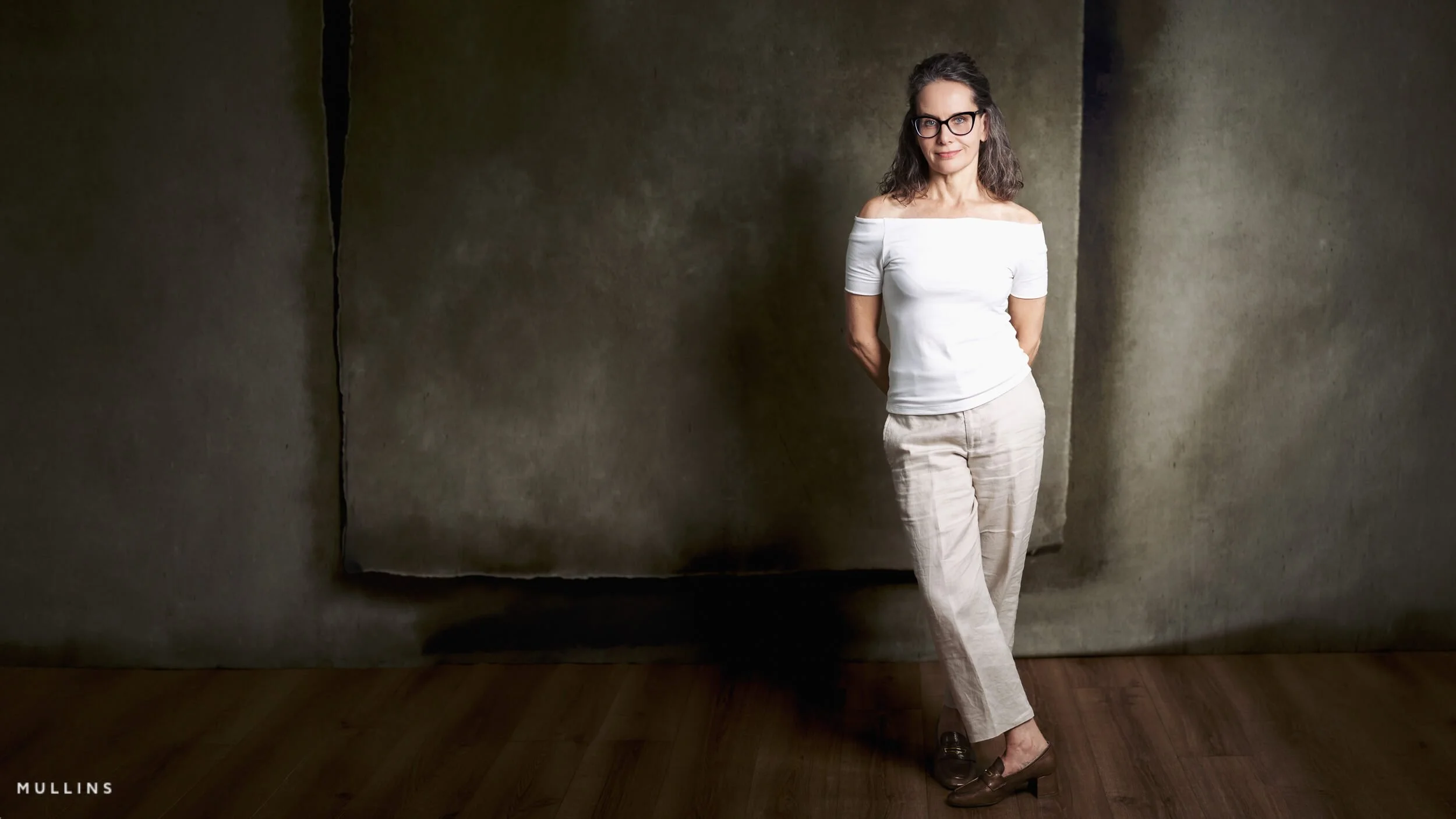


Bad photographs can be useful too
I have taken a phenomenal number of bad photographs.
That's inevitable if you take enough photos.
Plenty of them are from when I reacted too late, chose the wrong angle, or failed to notice something ugly in the background. Some pictures are too far away, and others get worse when I get closer.
There are also thousands of photographs that are technically perfectly fine but aren't particularly interesting.
Those pictures are important because, over time, some mistakes become less frequent.
Editing your own work is part of this too.
Looking back through a shoot and figuring out why one photograph works while another from half a second earlier doesn't is useful. Sometimes the difference is tiny: a hand position, somebody's eyes, an overlap in the background.
That sort of learning is rather less exciting than opening a new camera box, but I promise you it makes a much bigger difference in the long run.
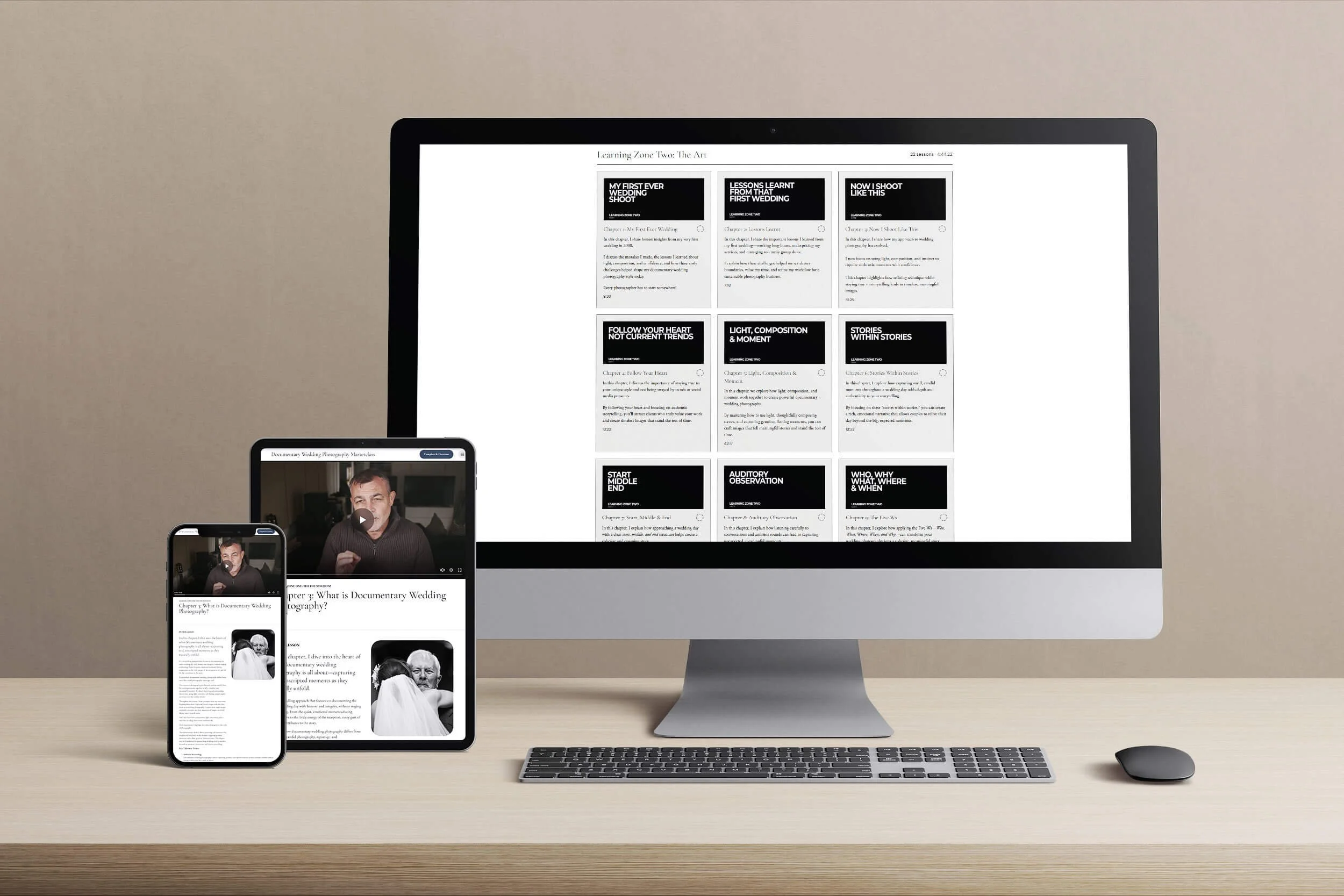
Spend more time developing the photographer
My online photography courses are built around many of the things I've talked about in this article — seeing light, building stronger compositions, anticipating moments and becoming more confident with the camera you already own.
Self-paced photography courses based on real-world experience and practical shooting.
Old equipment doesn't suddenly become bad equipment
I find lenses particularly interesting in this regard.
My Fujifilm XF 35 mm f/1.4 dates from the beginning of the X Series. It was released in 2012, and newer lenses focus faster, are quieter, and have better weather sealing.
I still use the 35mm F1.4.
In fact, I recently wrote about why that old Fujifilm 35mm is still one of my favourite lenses after using it extensively on a family session.
It still makes photographs I like.
Newer technology doesn't erase the qualities that made an older camera or lens good in the first place.
This doesn't mean we should all become nostalgic and refuse to upgrade anything. If Fujifilm produced a new lens tomorrow that solved a problem for me, I'd happily look at it, of course.
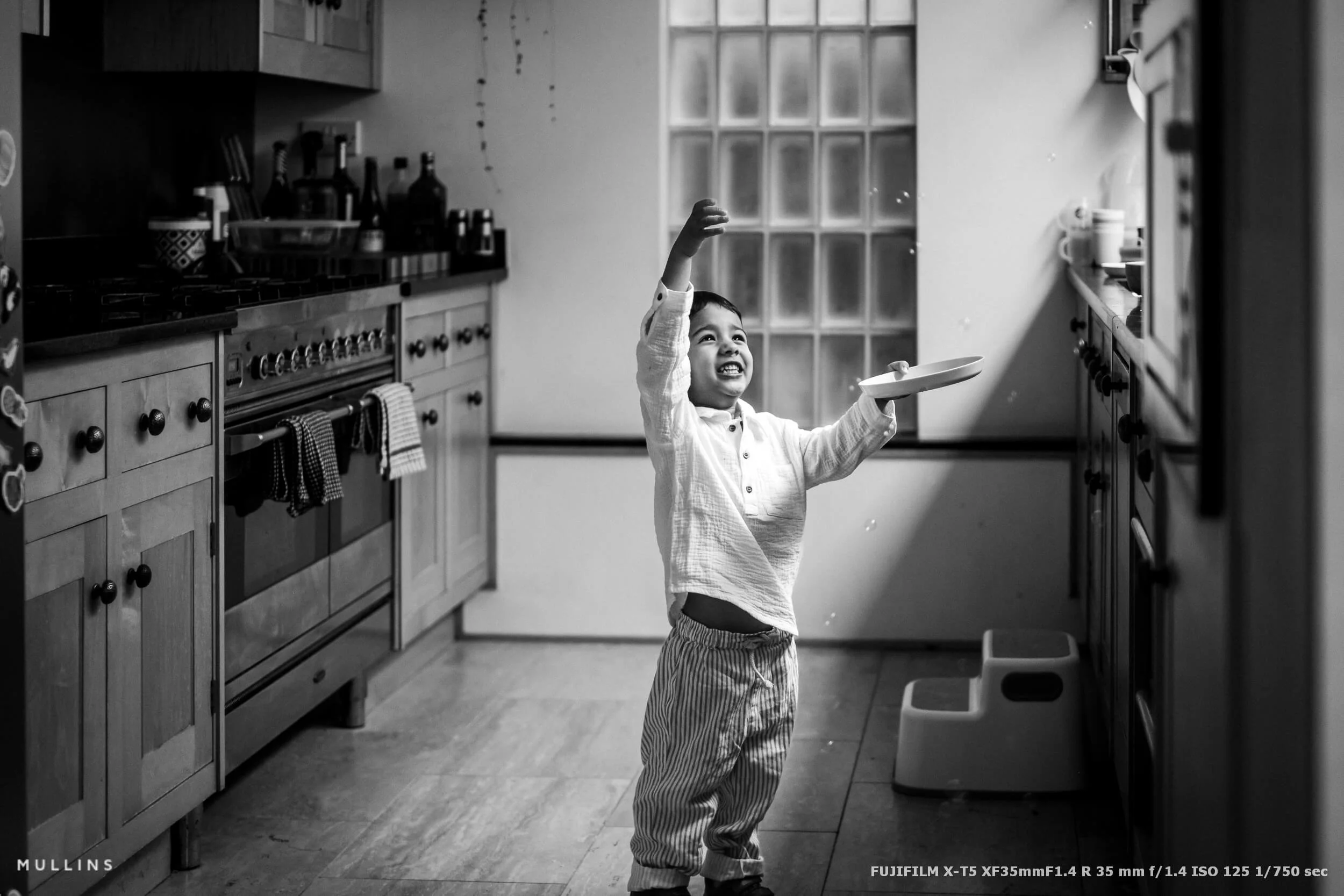
Just because a camera (or lens) is old, doesn’t mean it’s bad
When upgrading really does make sense
I know what you are thinking…
“Someone who already owns lots of nice cameras tells everybody else that they don't need nice cameras.”
That's not what I mean, of course.
If you want a new camera because you simply enjoy cameras and can afford it, brilliant. I genuinely mean that.
However, photography is a hobby for many people and hobbies are meant to be enjoyable.
You don't need to prepare a business case for buying an X-T6 when it eventually arrives.
A new camera can also give you a creative shove. If buying something makes you excited to go out and photograph again, that has value. Maybe you've been using the same focal length for years, and a new lens changes how you see things.
For working photographers, there are also times when equipment is just equipment. If something makes the job easier, more reliable, or quicker, it can be a perfectly sensible business purchase.
Just don’t expect it to do the photographer's part of the job for you.
What about the Fujifilm X-T6 then?
Which brings me back to the camera that doesn't officially exist yet.
As I write this in September 2026, the widely rumoured early-September X-T6 announcement hasn't happened and Fujifilm hasn't officially announced the camera.
There are plenty of rumours around, but I don't know which of them are right and I don't intend to speculate.
When an X-T6 is eventually announced, assuming that is what Fujifilm calls it, I'll be interested. Of course I will.
I'll want to know what has changed and what Fujifilm has improved. Once I've actually used one, I'll be able to decide whether any of those changes matter to the way I photograph.
Until then, my X-T5 hasn't become any worse.
I've recently used it for my actor portrait work, I use it professionally, and it continues to do what I need a camera like that to do.
If an X-T6 eventually gives me something genuinely useful, great. If my X-T5 still does everything I need, then perhaps I won't be in quite such a hurry.
We'll see.
Cameras age much faster than photographs
Something else becomes very obvious when you have a large archive, as I do.
Camera technology ages incredibly quickly.
Read a review of an old digital camera and the specifications can seem almost prehistoric. The autofocus has a tiny fraction of today's capability, ISO performance was worse, and features we now assume are standard simply didn't exist.
Yet look at a good photograph made with the same camera, and none of that really matters.
I've got wedding photographs made on early Fujifilm X Series cameras that I still love.
I've got pictures of my children made on cameras that have long since been sold.
I've got street photographs where I'd genuinely need to look at the metadata to tell you exactly which body I used.
That's quite revealing in itself.
When I look at those photographs, I don't think about the processor generation.
I remember what was happening.
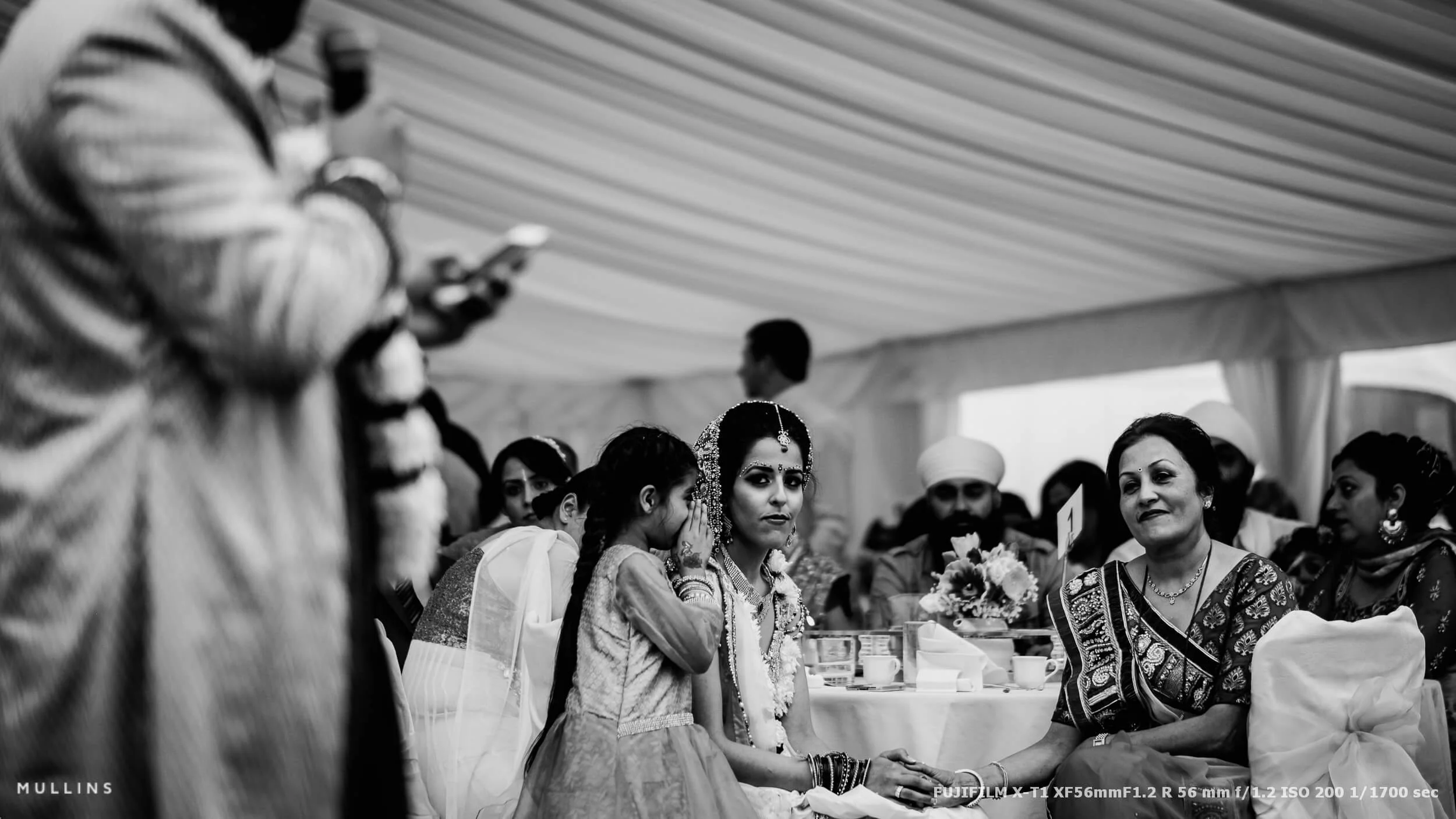
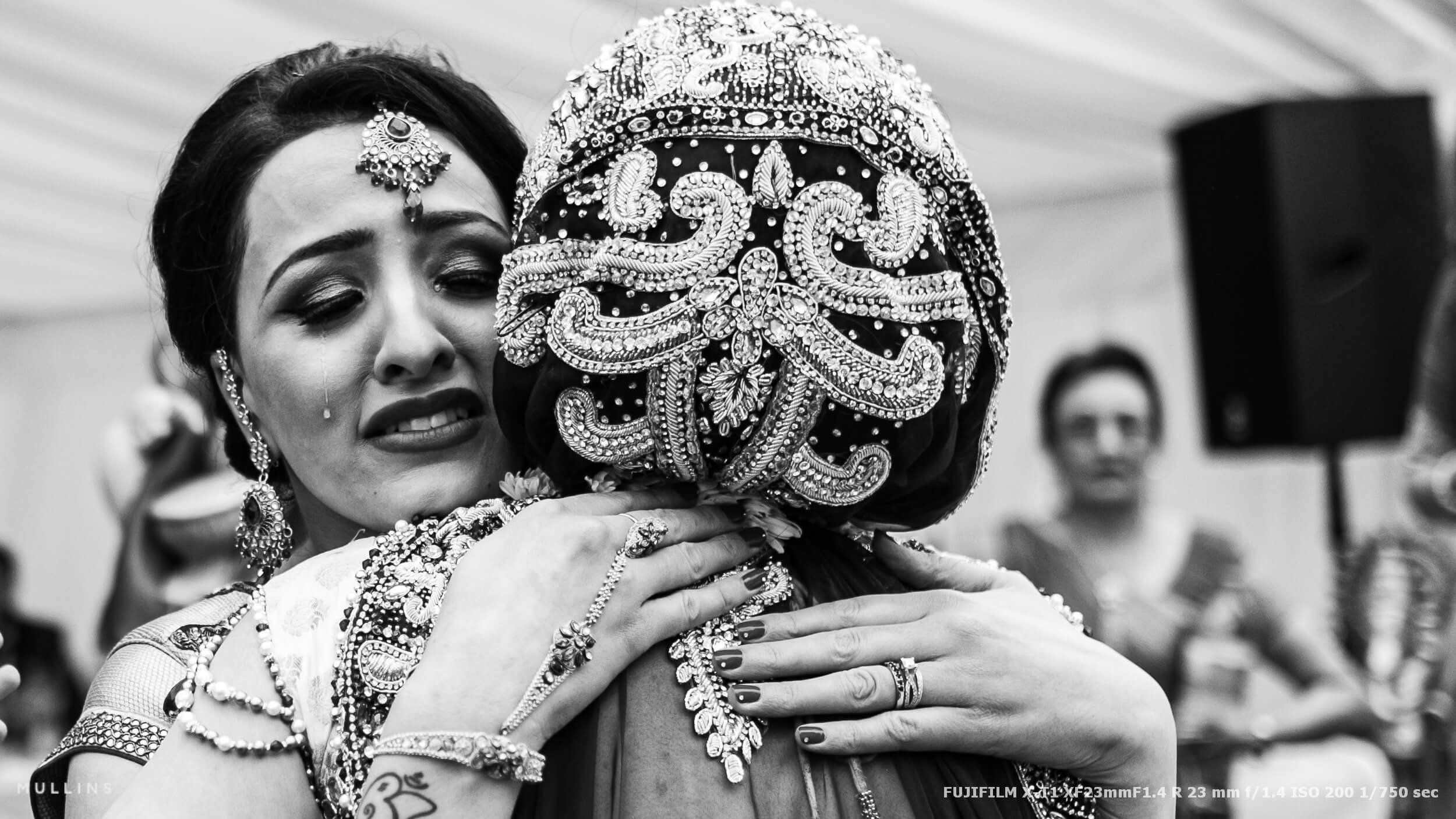
Some of my favourite Wedding Photos were shot on the Fujifilm X-T1
Use the camera you've already got
So no, I don't think everybody needs to stop buying cameras. That would be hypocritical, for one thing.
But I do think it is worth occasionally asking whether the thing stopping us from improving is really the equipment.
If your current camera works, take it somewhere. Perhaps leave the rest of the lenses at home.
Photograph something ordinary and give it your full attention. Look properly at the pictures afterwards. Go back and do it again.
That is basically how I've learned almost everything useful I know about photography.
By doing it a lot.
Cameras have become considerably better since then, and I'm very glad they have. But I don't think any one of them suddenly made me a better photographer the day I opened the box.
A few quick answers
-
No. A newer camera can make certain types of photography easier, but improvement usually comes from practice, observation, understanding light and composition, and becoming familiar with the equipment you already own.
-
I'd upgrade when the camera you own is genuinely limiting something you need to do, or when a newer camera offers a feature that has real value to you. Wanting a new camera simply because you'll enjoy it is also a perfectly reasonable reason, provided you don't expect it to transform your photography by itself.
-
At the time of writing, Fujifilm hasn't officially announced an X-T6, so there isn't enough confirmed information for me to recommend waiting for it or upgrading to it. If your current camera already does what you need, there is no harm in carrying on using it until we know what Fujifilm actually releases.
-
Sometimes it helps. Better autofocus, lenses, stabilisation and image quality can remove technical limitations. But the camera still can't decide where to stand, recognise an important human moment or understand why a particular photograph is worth making. Those things come from the photographer.