The Fujifilm XF 35mm f/1.4 R: Why Fujifilm's First Great Lens Is Still One of Their Best
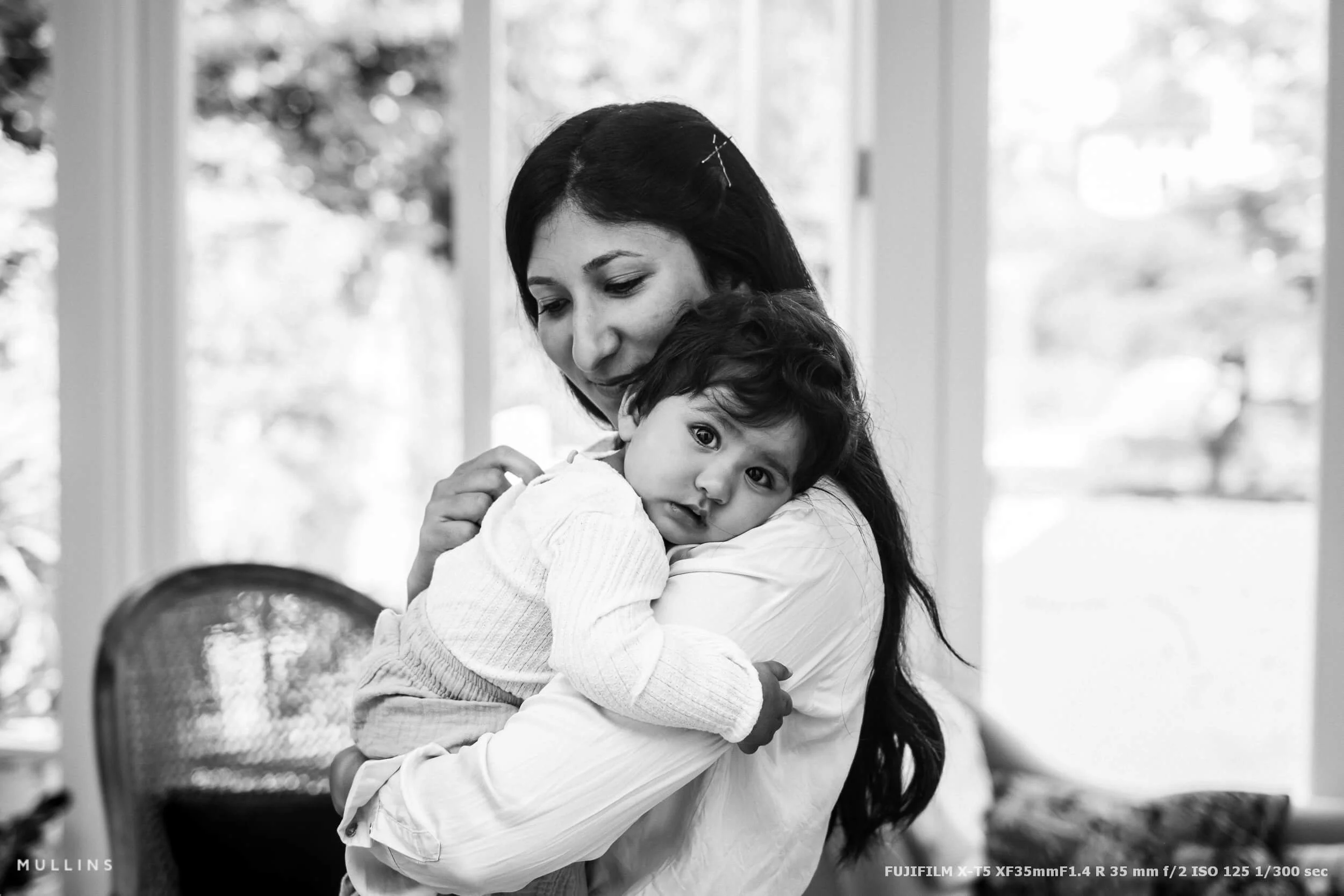
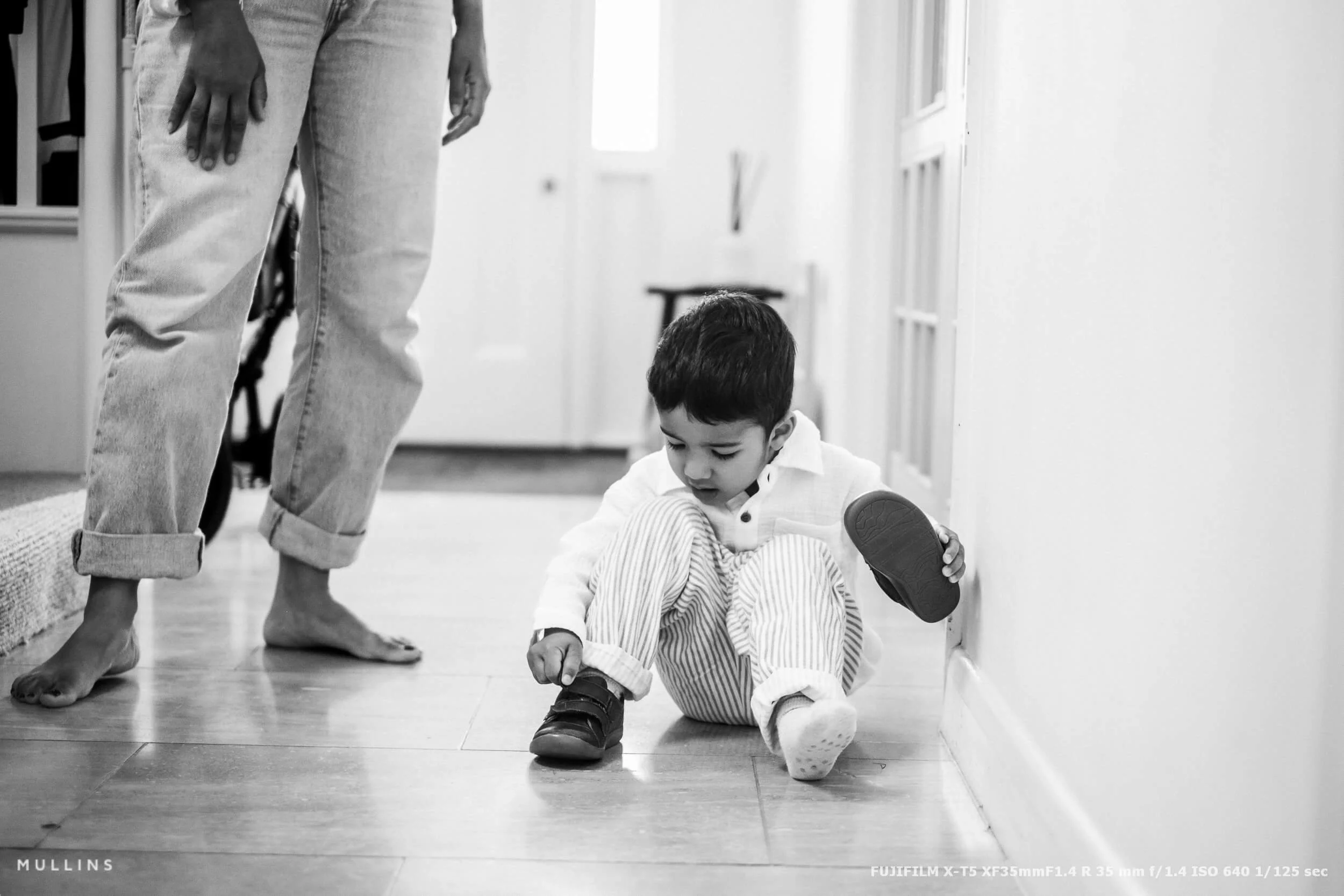
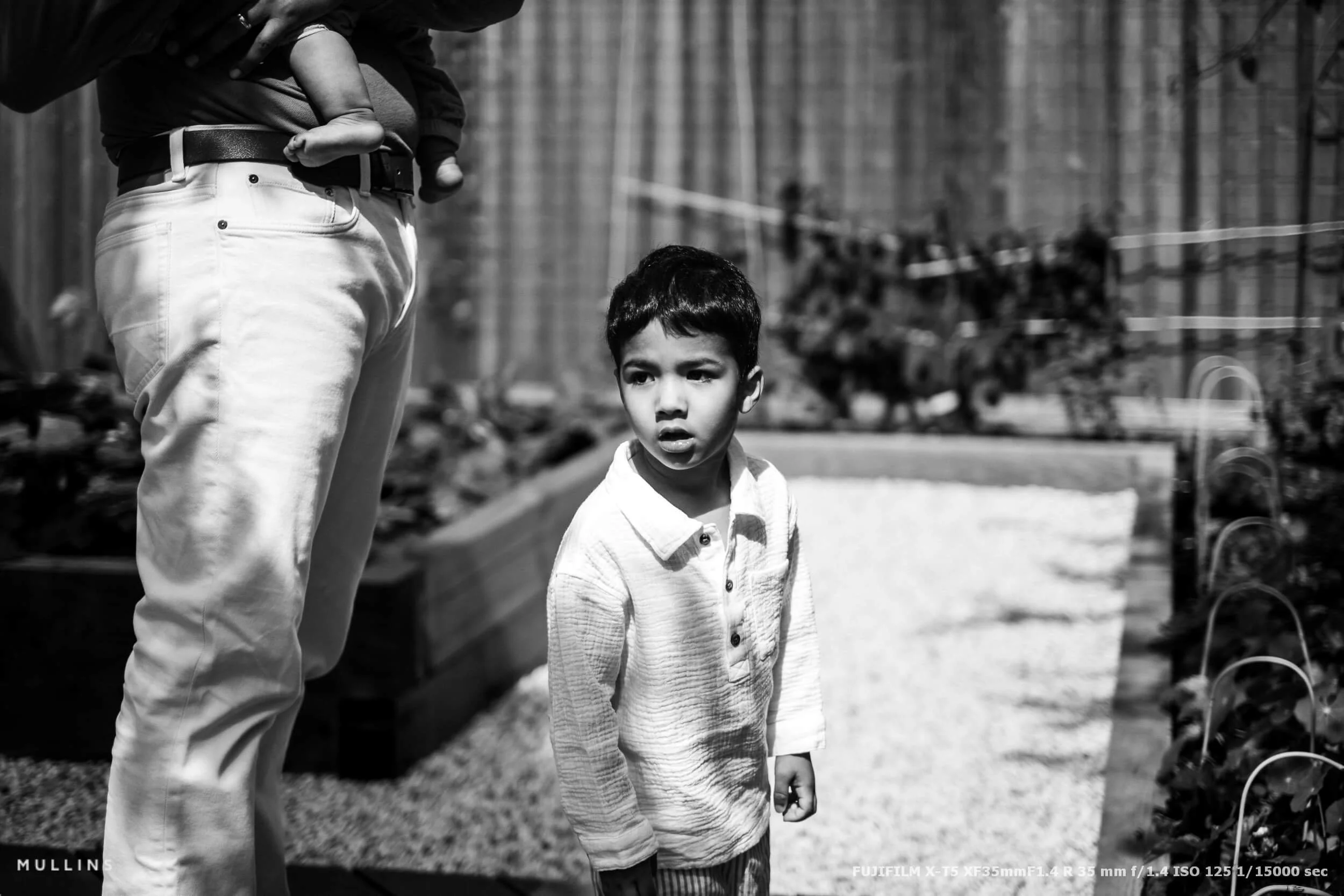
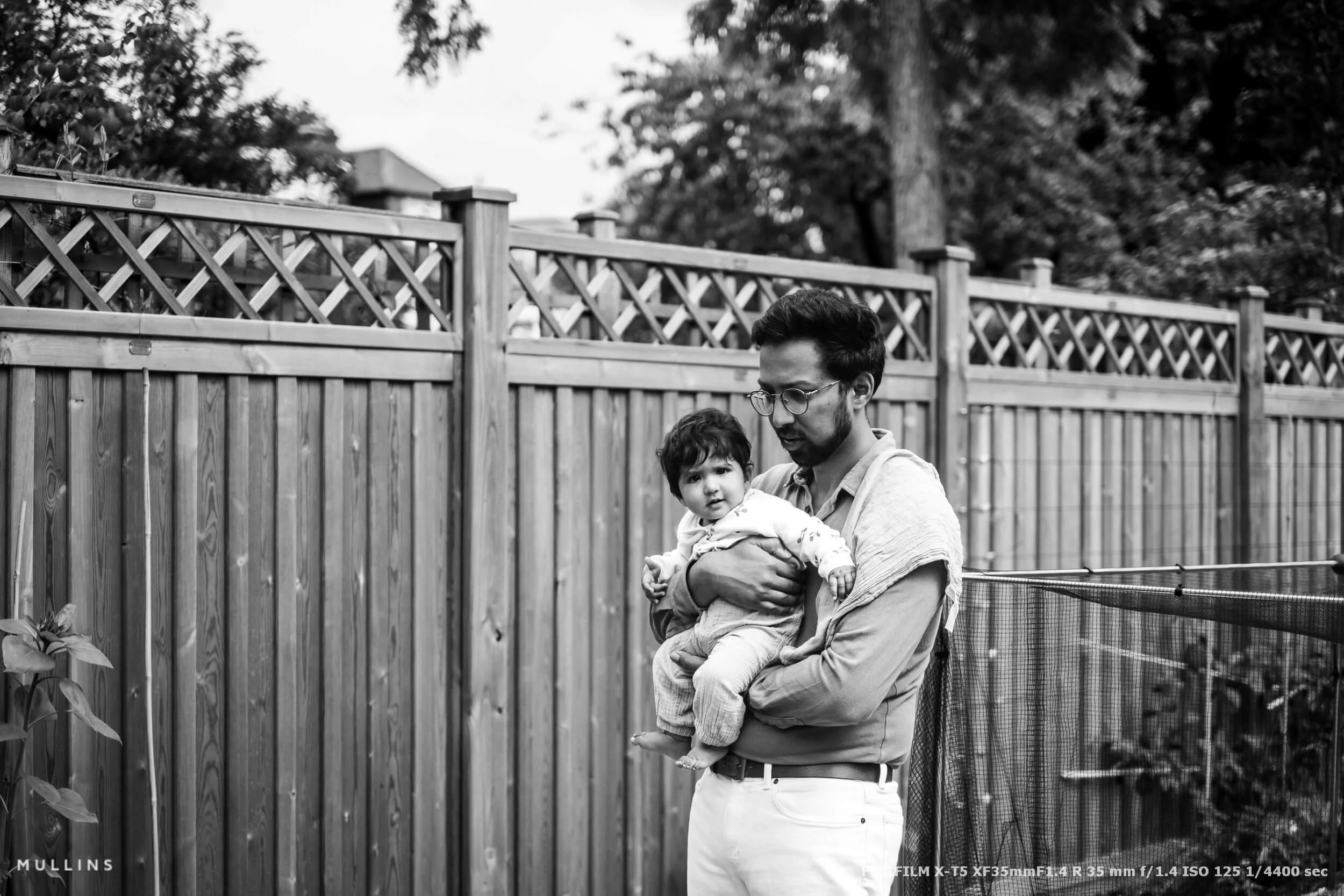
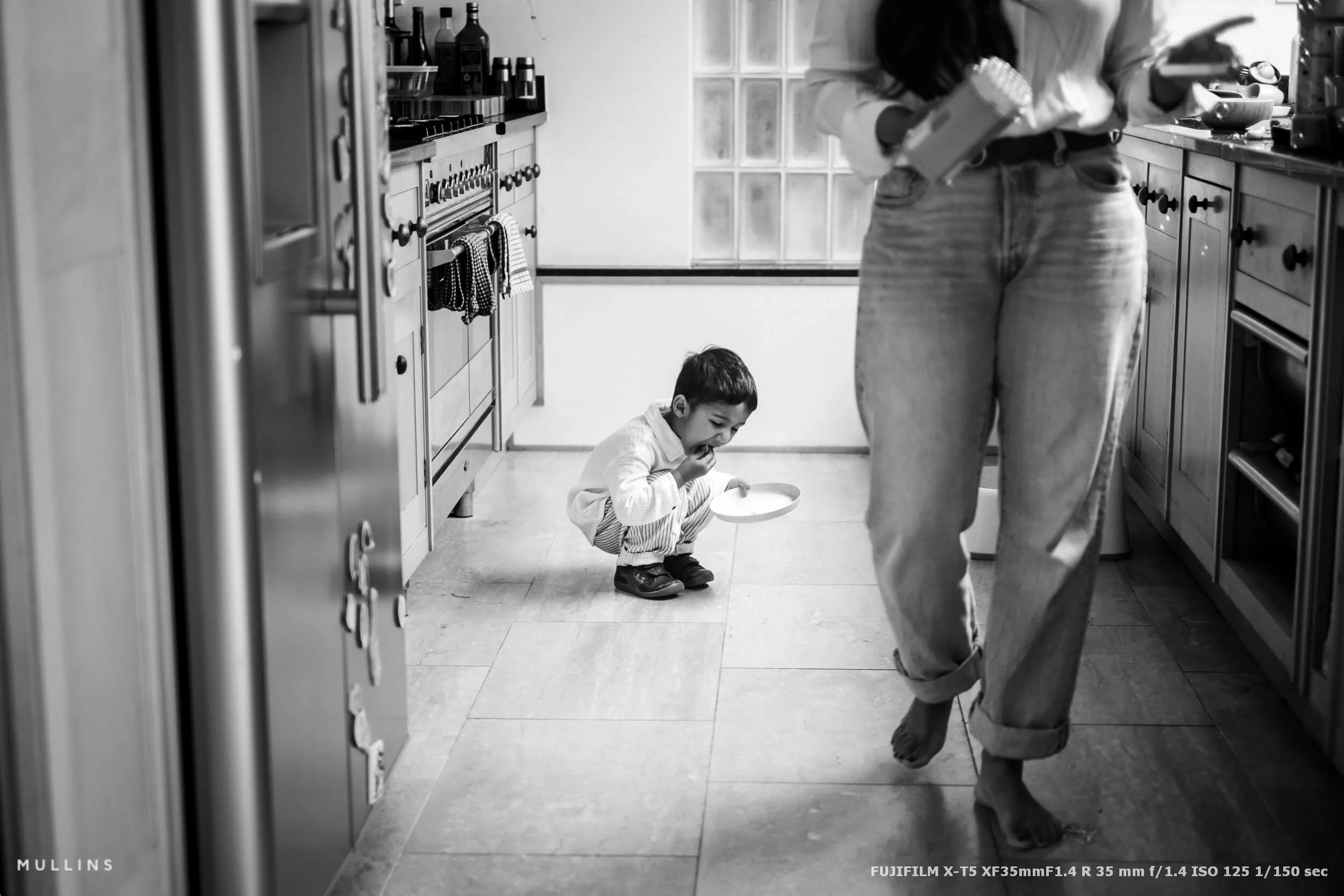
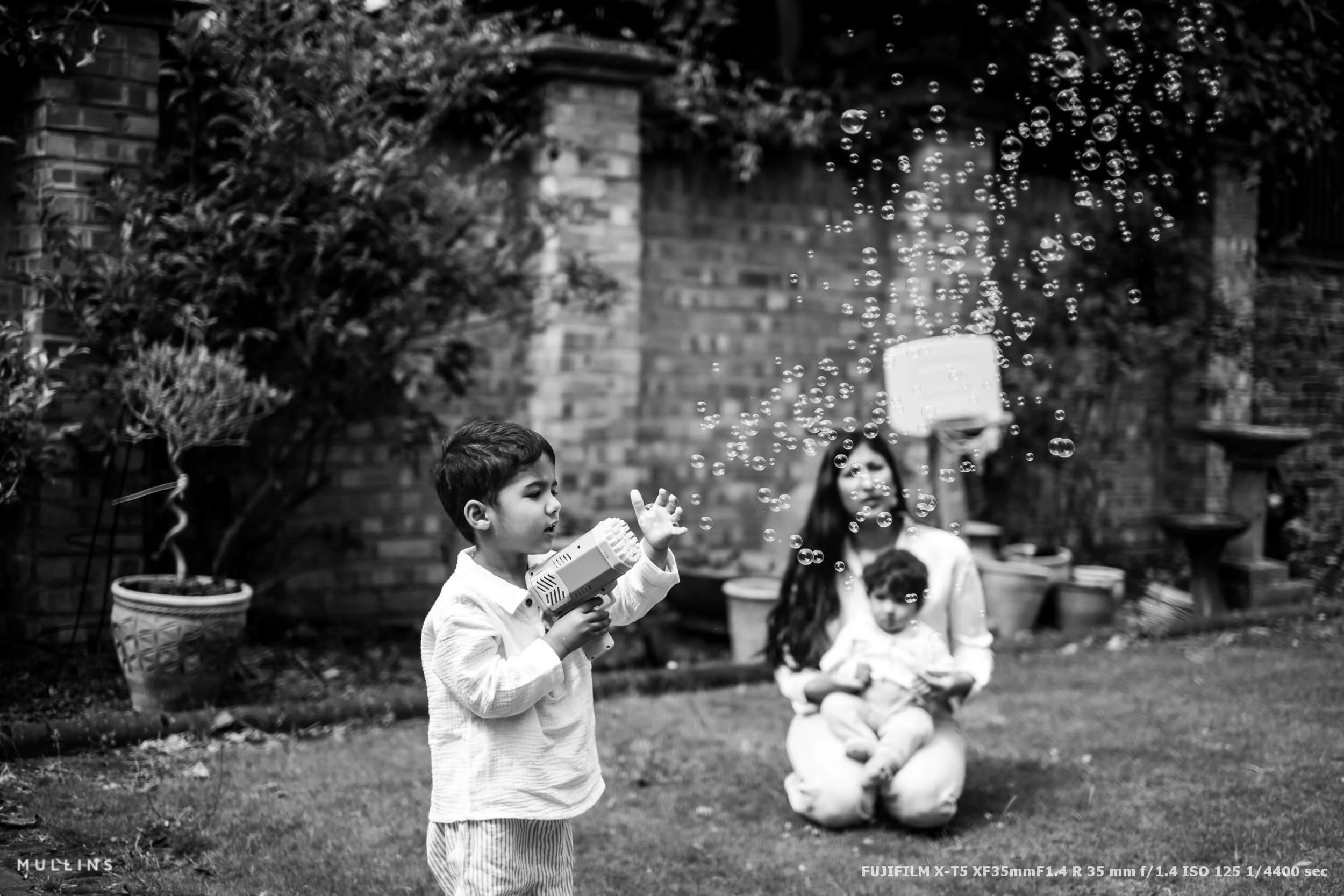
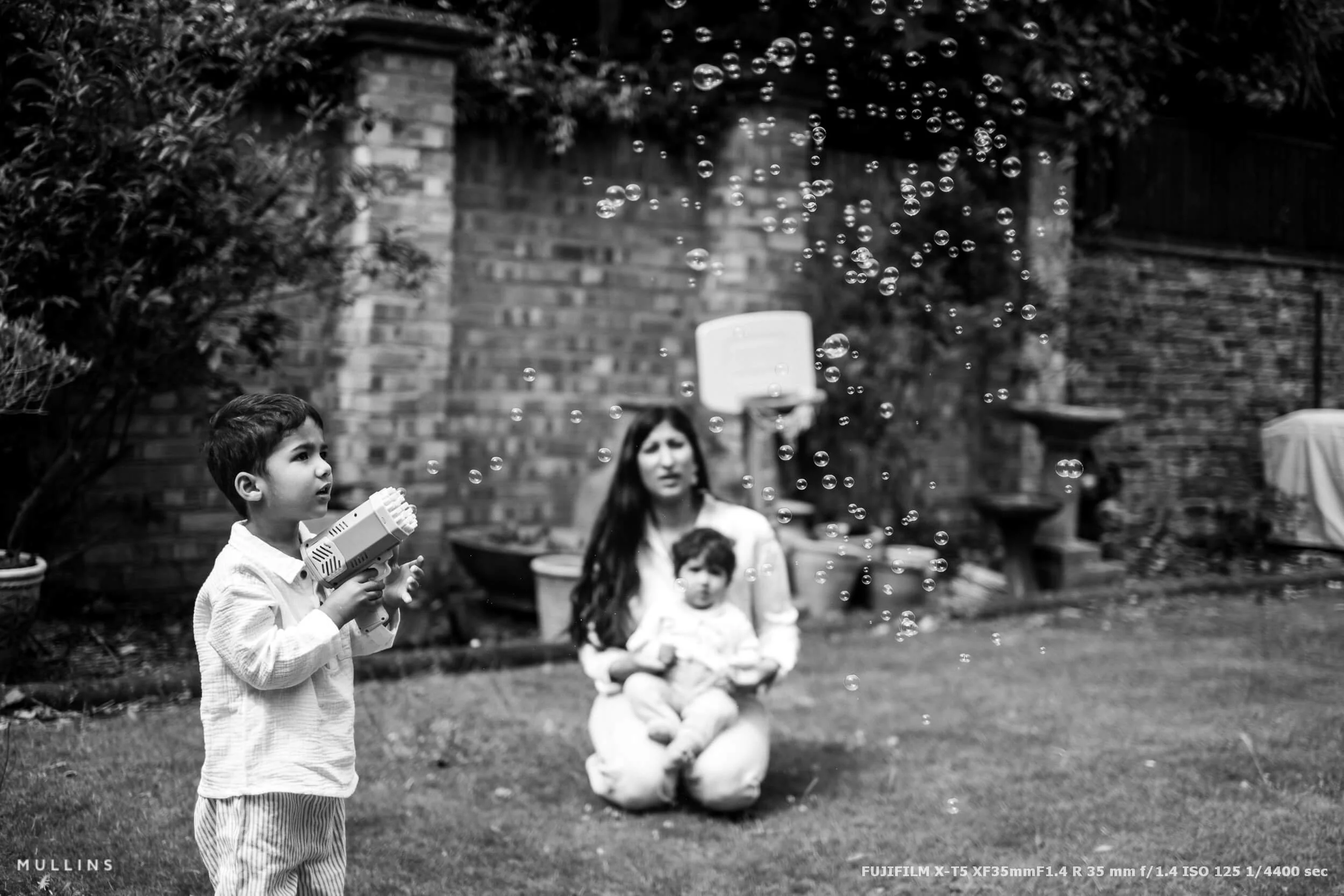
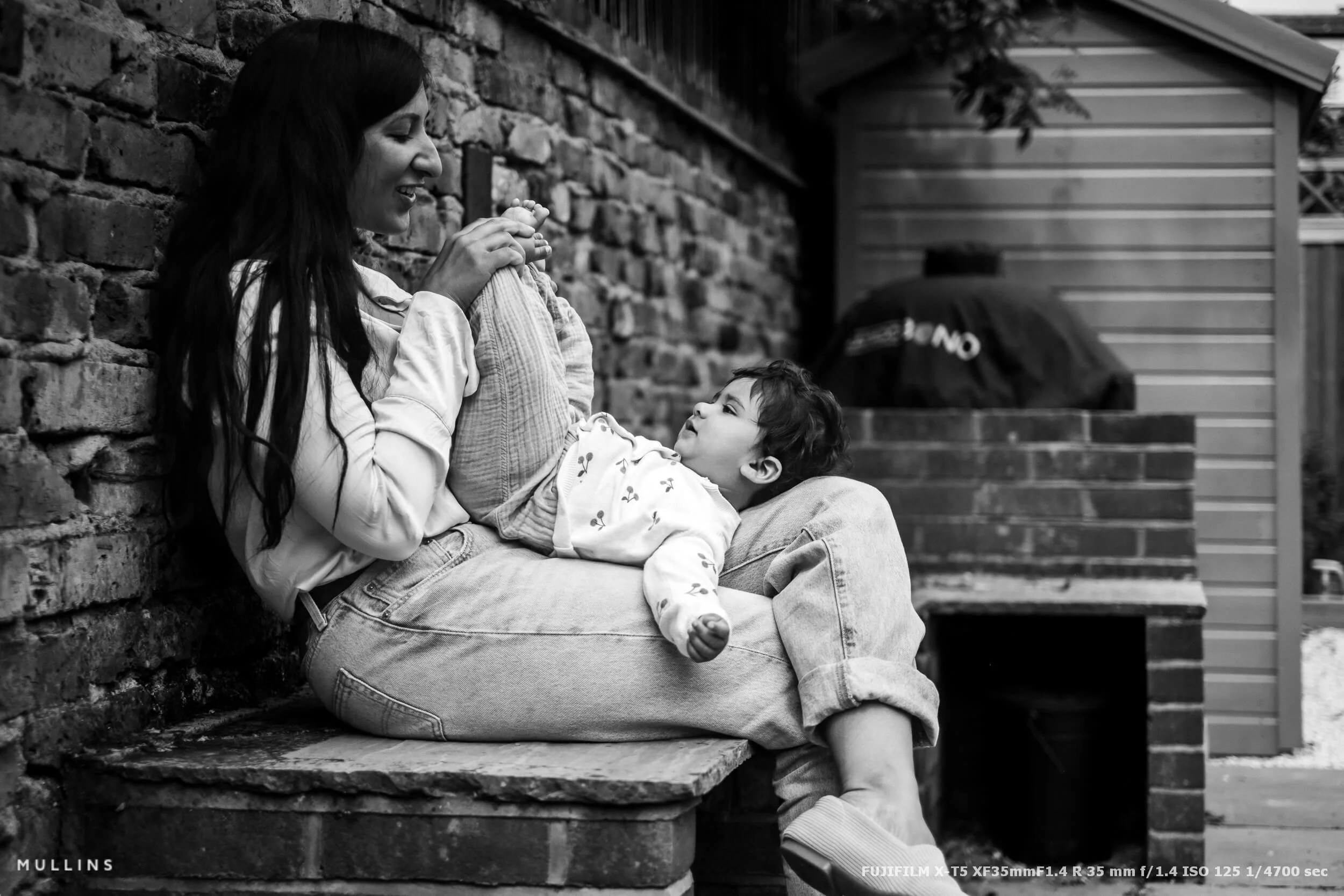
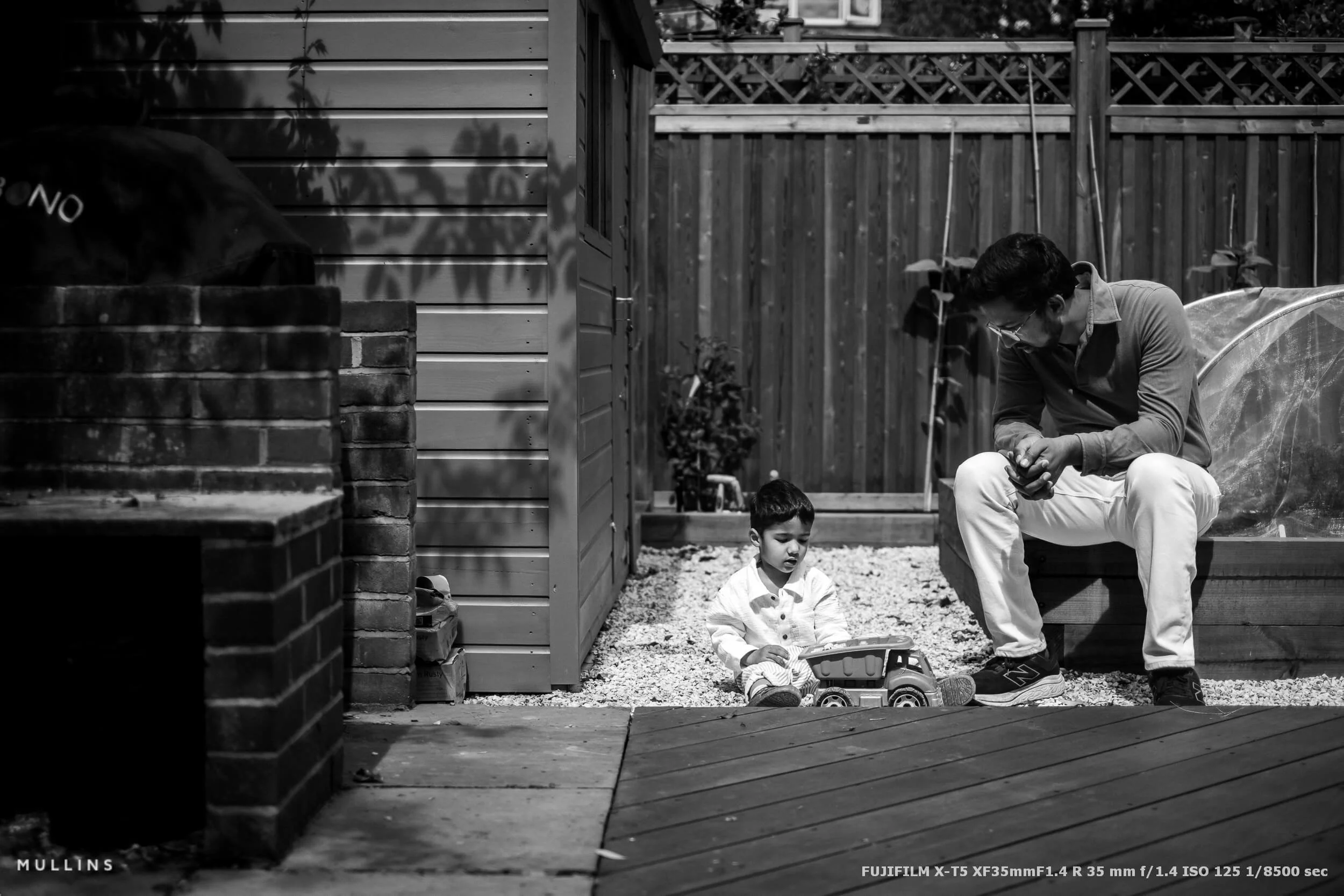
So I shot a family day-in-the-life session a couple of weeks back. Nothing unusual on the face of it, just a family at home on what was basically an ordinary Wednesday. I'd brought a handful of lenses with me like I always do, but the one that ended up living on the camera for most of the morning was the old XF 35mm f/1.4 R.
Which, for anyone who doesn't follow the minutiae of Fujifilm glass, is a lens that came out in 2012.
I've had mine for years now, and I keep meaning to write something about it, and then not doing it, and then a session like this comes along and reminds me why I still love the thing. So I'm finally getting around to it.
A founding lens
The original 35mm f/1.4 isn't just old. It’s one of the first XF lenses ever created. It came out alongside the X-Pro1 right at the start, one of the three lenses that launched the whole X-mount system back in 2012.
Fujifilm were trying to convince working photographers that mirrorless was something to take seriously, and the lenses they led with said as much. A fast aperture, a nice classic focal length (53mm equivalent on APS-C, so a touch longer than a standard 50), a really beautiful design with the old-fashioned metal lens hoods that are things of the past now.

What came after, and what didn't
Then in 2015 we got the XF 35mm f/2 R WR. Smaller, weather-sealed, much quicker to focus, and a fair few people assumed at the time that this was Fujifilm retiring the original. Didn't happen. Both lenses are still available today, and there's a reason for that.
The f/2 is a cracking lens, really, but it doesn't render in the same way. It's cleaner and a bit more clinical, and depending on what you're after, that's either exactly what you want or it’s not.
The part I find more interesting is what Fujifilm haven't done. They've gone back and updated nearly all of their professional primes over the past few years: the 56mm, the 23mm, the 18mm and so on, giving them modern focusing motors and weather sealing. The 35mm f/1.4 never got that treatment.
A thirteen-year-old design that's still in production. I don't think that's an accident.
What makes it special
Honestly, the appeal is a bit hard to put into words, which is always the way with lenses that have a certain character. But I'll try.
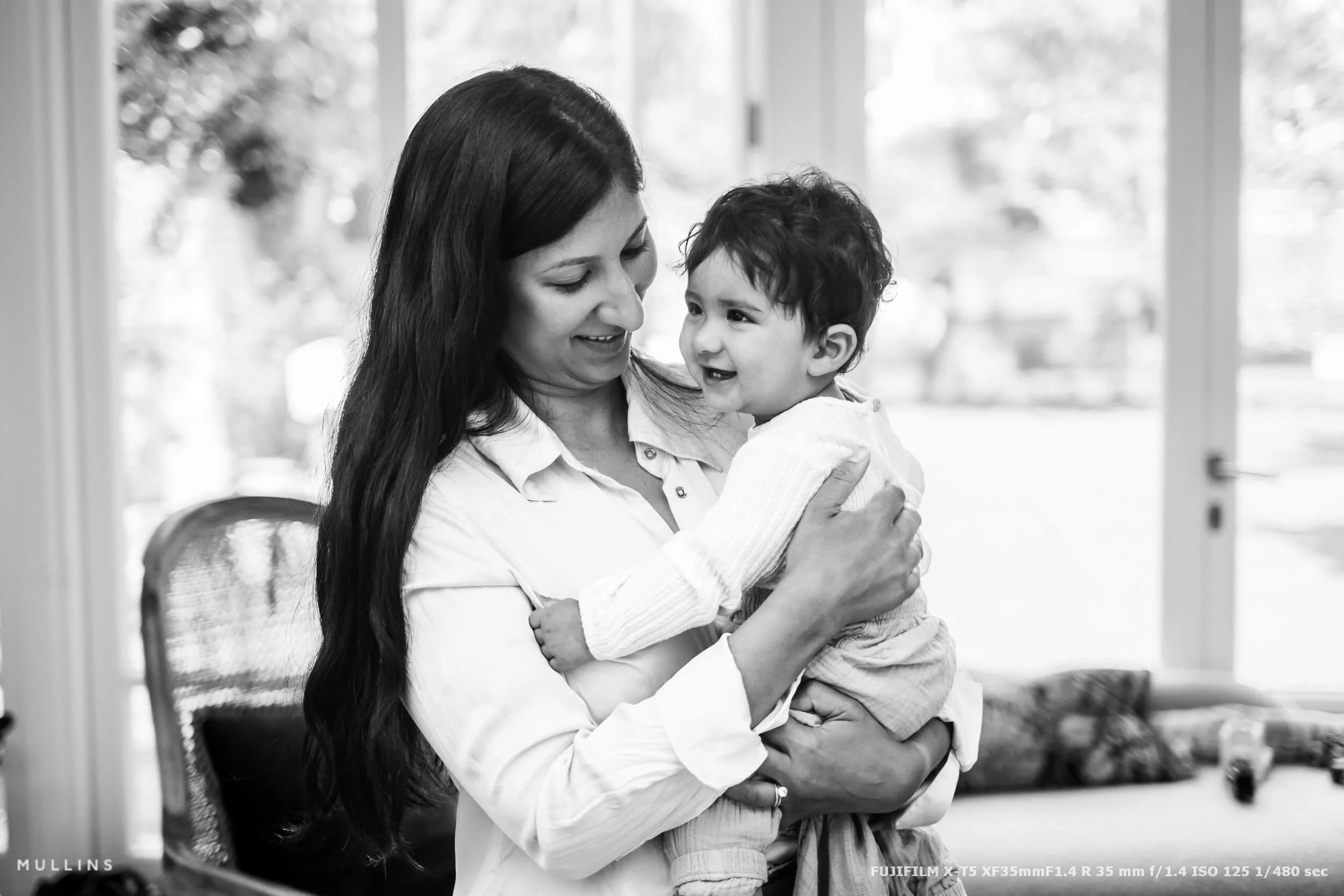
Wide open, there's a softness to how it gives you a background that feels gradual and natural. Out-of-focus highlights, window reflections, and that sort of thing come out as smooth, rounded blobs rather than hard little circles. Close it down to f/2.8 or f/4, and it sharpens up beautifully across the frame, so it's not as though you're trading away technical quality for the look.
You get both; you just get them at different apertures.

What really does it for me is how it handles light indoors. In window light, in those ordinary domestic rooms where most of a day-in-the-life session happens, the files come out warm and well- just lovely.
I think it's something to do with the contrast being fairly restrained, not as punchy as some of the newer lenses, and that leaves a bit of atmosphere in the shadows.
I noticed it all over again editing this session. There's a quality to the light in these frames that I just really like, and I'm not sure I can be more precise than that.

The autofocus is still fine
Let's not pretend. The autofocus is slower than the modern lenses. It uses an old DC motor; you can hear it whirring away, and in dim rooms it'll occasionally hunt too.
Point it at a kid sprinting across a garden, and it'll drop frames that a modern lens would nail without problem.
But in the kind of work I do, it doesn’t bother me at all. You end up anticipating moments rather than chasing them, which arguably makes you a better photographer anyway.
And the firmware's been nudged along over the years, so on something like the X-T5 it behaves a lot better than it did on the original X-Pro1. If autofocus speed is make-or-break for you, fine, get the f/2 instead.
For slower, more considered shooting, the f/1.4 is absolutely fine.

Should you still buy one?
I think so, yeah.
If you shoot documentary, lifestyle, portraits or street on Fujifilm and you haven't got one, it's an easy recommendation.
Used prices are sensible, and you can still buy it new, which, for a lens this old, tells you how popular it is. The only times I'd steer you elsewhere are if you need to track fast action or you really need weather sealing for the conditions you work in.
For almost everything else, this lens still gives me pictures I'm happy with and a certain look that you can’t seem to get with the modern lenses.
Fujifilm XF 35mm f/1.4 vs f/2 R WR
| XF 35mm f/1.4 R | XF 35mm f/2 R WR | |
|---|---|---|
| Max aperture | f/1.4 | f/2 |
| Weather sealed | No | Yes |
| Autofocus | DC motor (slower) | Stepping motor (faster) |
| Rendering | Organic, characterful | Clean, precise |
| Weight | 187g | 170g |
| Best for | Documentary, lifestyle, portrait | Street, travel, all-weather |
How I Edited These Photos
A quick note on the images in this post: I've edited them with my Film Edition Lightroom Profiles and Presets — except where I'm specifically showing the in-camera film simulations. You can get a 20% discount by joining my very infrequent newsletter.
Key Takeaways
- What it is: launched in 2012 as one of the three founding lenses of the Fujifilm X system, and still in production today.
- The look: 53mm equivalent on APS-C, with an organic, characterful rendering that's strongest wide open.
- Largely unchanged: optically the same as launch, with only some firmware updates.
- The catch: autofocus is slower than modern linear-motor lenses, so it suits deliberate, anticipatory shooting.
- Versus the f/2 R WR: the f/2 is faster and weather-sealed, but it renders differently.
- My verdict: still one of the best lenses on the system for documentary, lifestyle, portrait and street. An easy recommendation in 2026.



Frequently asked questions
-
Yes. It's over a decade old, but the way it renders is something the newer lenses don't quite replicate. For documentary, lifestyle and portrait photographers on Fujifilm, it's still one of the most rewarding lenses in the system.
-
The f/1.4 has the wider aperture and a more characterful, organic look. The f/2 R WR is weather-sealed, focuses faster, is more compact, and is sharper wide open in a cleaner, more technical way. They suit different jobs, and plenty of photographers happily own both.
-
No. Fujifilm has updated most of its professional primes over the years, but the 35mm f/1.4 has never had a true optical successor. A quiet internal update around 2022 helped it work better with newer bodies, but the optical design is the same one from 2012.
-
All Fujifilm X-mount cameras. The internally updated version works more reliably with current bodies like the X-T5.
-
Yes. The f/1.4 aperture gives you good low-light capability, and the way it handles background light sources is one of its real strengths. Autofocus can hunt a bit in very dim conditions, so a little anticipation or manual focus assist helps.