Best Fujifilm Lenses (From Real-World Experience)

At a Glance
If you just want the quick answer, these are my top 4 Fujifilm lenses based on years of real-world use:
- XF 18mm F1.4 R LM WR – my all-round wide favourite
- XF 56mm F1.2 R WR – the portrait specialist
- XF 23mm F2.8 R WR – compact and discreet
- XF 50–140mm F2.8 R LM OIS WR – the professional zoom
Each one has earned a place in my bag because I’ve used them on real work.
About Me
I’m Kevin, a documentary photographer who’s spent around fifteen years shooting close to 800 weddings on Fujifilm cameras, plus a lot of street and family work.
I’m a long-time Fuji user, previously an ambassador, and I still teach, write, and test gear in real assignments rather than in a studio.
My approach hasn’t changed much: light, composition, and moment.
This article is part of my Fujifilm Learning Hub.
A growing collection of real-world guides, camera setup tips, lens suggestions by use-case, practical assignments, and buying advice with examples.
Prefer to see everything I write—brand-agnostic pieces on documentary & street work, reviews, tips, and the business of photography? Browse Main Articles & More.
Why This Matters
Fujifilm shooters are spoiled for choice. There are over 40 lenses in the X-mount system, ranging from tiny pancake lenses to serious professional zooms. That’s brilliant, but perhaps a little overwhelming if you’re trying to decide where to spend your money.
This guide is useful because it’s not based on specs or micro focus charts. It’s based on years of shooting weddings, street work and personal projects with Fujifilm cameras.
My perspective is based on the realities of fast-paced shooting, low-light challenges, and the need for reliability.
I want this article to be clear and helpful, so whether you skim or dive deep, you’ll leave knowing which lens I use the most and which perhaps might be right for you.
The Lenses I Rely On
XF 18mm F1.4 R LM WR - The Wide That Changed How I Shoot
For me, this is the lens that defines a lot of my Fujifilm shooting. It’s wide but has enough context to tell the story, without pushing faces into odd shapes.
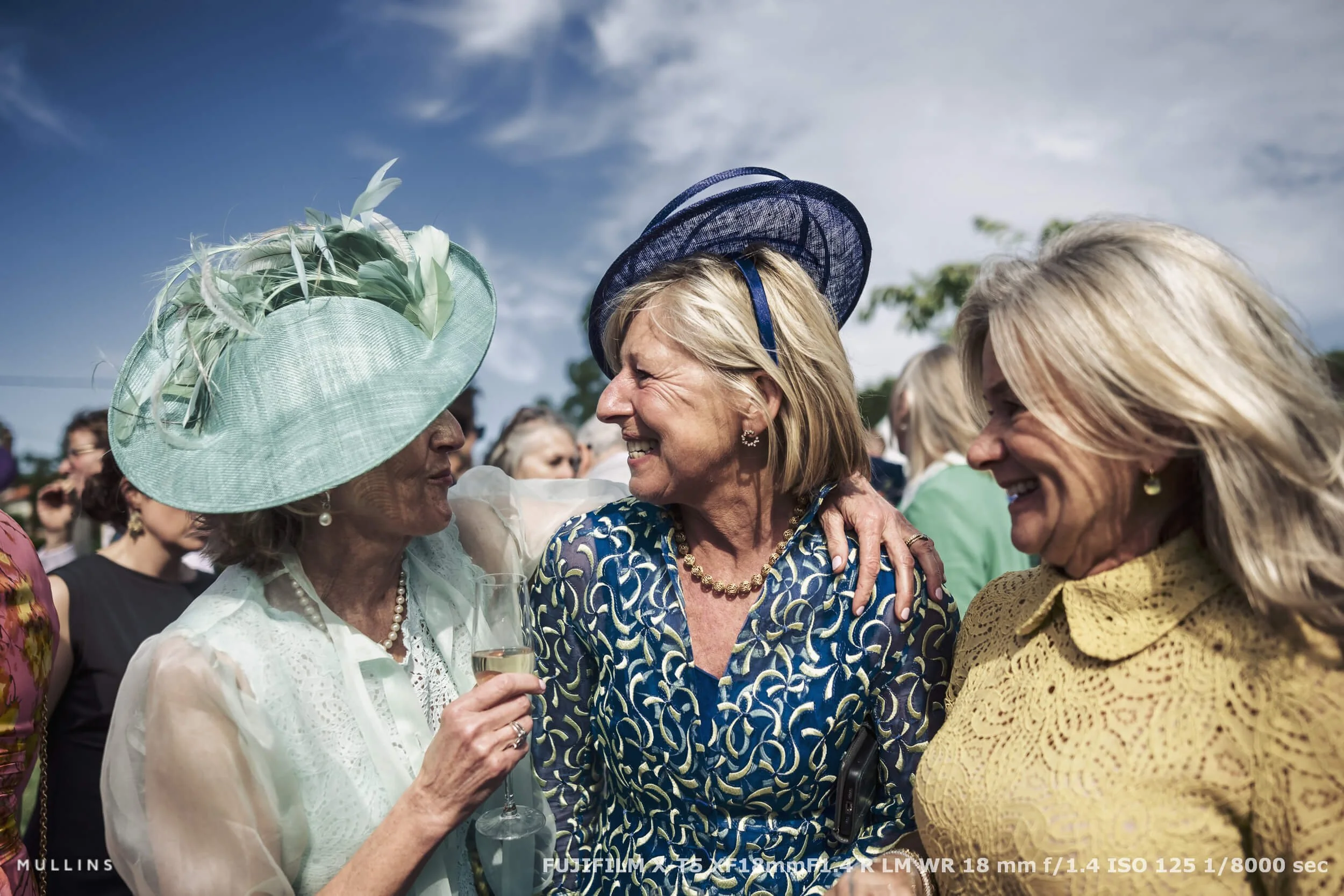
On wedding days, it allows me to work closely and fill the frame. In low light, it helps keep the ISO low, so I can stay flash-free and as unobtrusive as possible.
The f/1.4 aperture is important here: it soaks up difficult church/reception light but doesn’t offer much subject separation. Since I purchased it when it launched in 2021, it has become my number one professional wedding lens.
Why this lens works for documentary:
- Speed & low light: f/1.4 really matters when you're in dim churches or winter venues. It keeps the files cleaner.
- Natural perspective: 18mm on APS-C (27mm equiv.) is wide enough for context. It's ideal for story-led frames and environmental portraits.
- Confident AF: the linear motor is fast and quiet, perfect for candid work.
- Weather sealed: weather resistance is a bonus in wet and windy Britain.
- Layering up close: the 0.2 m minimum focus helps with foreground layers or detail-and-context frames without stepping back.
I’ve called it a game-changer for my wedding work before, and I stand by that. It’s the lens that lets me be close enough to be part of the moment without disturbing it.
Day-to-day, I still enjoy the X100 series for street, but I’ve seen brilliant street sets on the 18/1.4; it’s versatile enough to do both.
How I use it (in the real world):
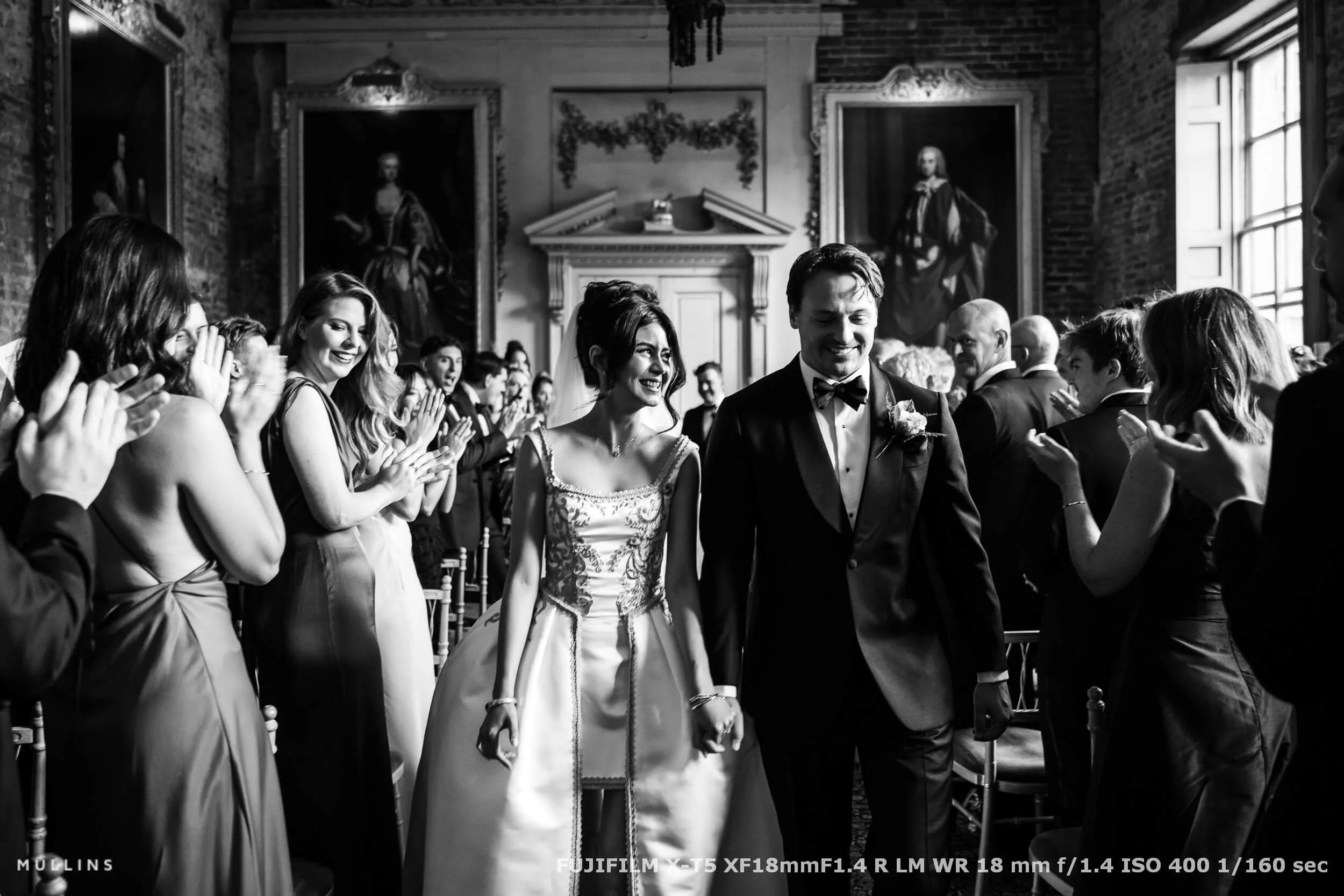
- Prep & ceremonies: tight spaces, mixed light; I work at f/1.4–f/2.8.
- Reception storytelling: I'll stay close letting the 18mm pull in atmosphere, faces, hands, confetti, the lot.
- Environmental portraits: step in close, include a sense of the location; at f/1.4–f/2, the background softens just enough to keep the attention where I want it.
18mm f/1.4 vs the old 18mm f/2 (quick take):
I’ve used both. The older f/2 is tiny and quite lovely, but for professional, fast-paced shooting, the f/1.4 wins: more light, better subject separation, faster/quieter AF, and weather sealing.
I found the f/2 autofocus a little slow for weddings (though fine for street photography); the linear-motor 1.4 fixes that and then some.
Why I like it: fast, sharp, weather-sealed, and versatile with autofocus I can trust.
Best for: weddings, documentary work, low-light shooting, and environmental portraits.
If I had to keep one Fujifilm lens, this would be it.
See why the Fujifilm 18mm F1.4 Changed the way I Shoot
Read my Fujifilm XF 18mm f/1.4 R LM WR Long Term Review
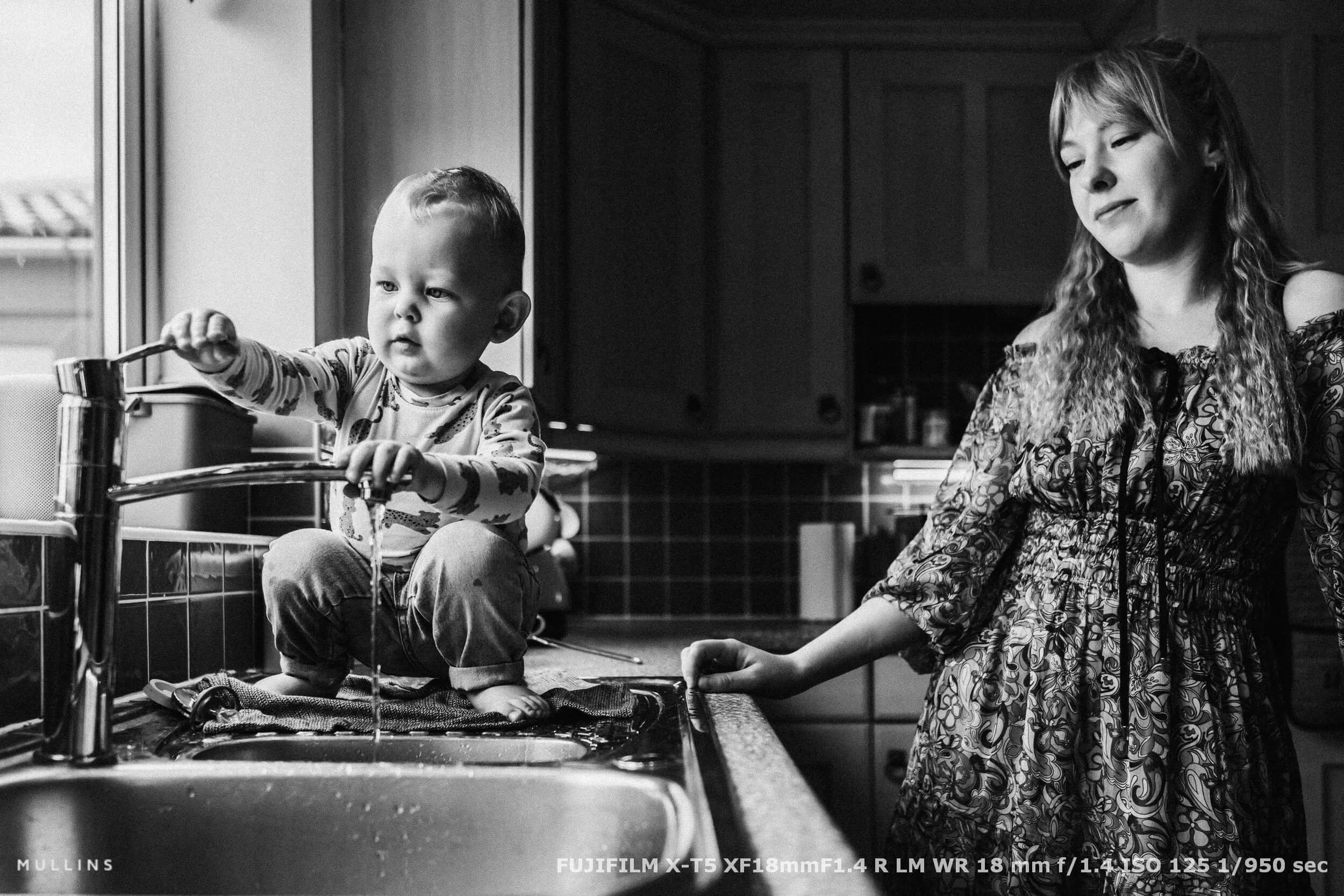
These images are processed with my Film Edition presets - it’s the closest thing I have to a consistent baseline across different light and different jobs.
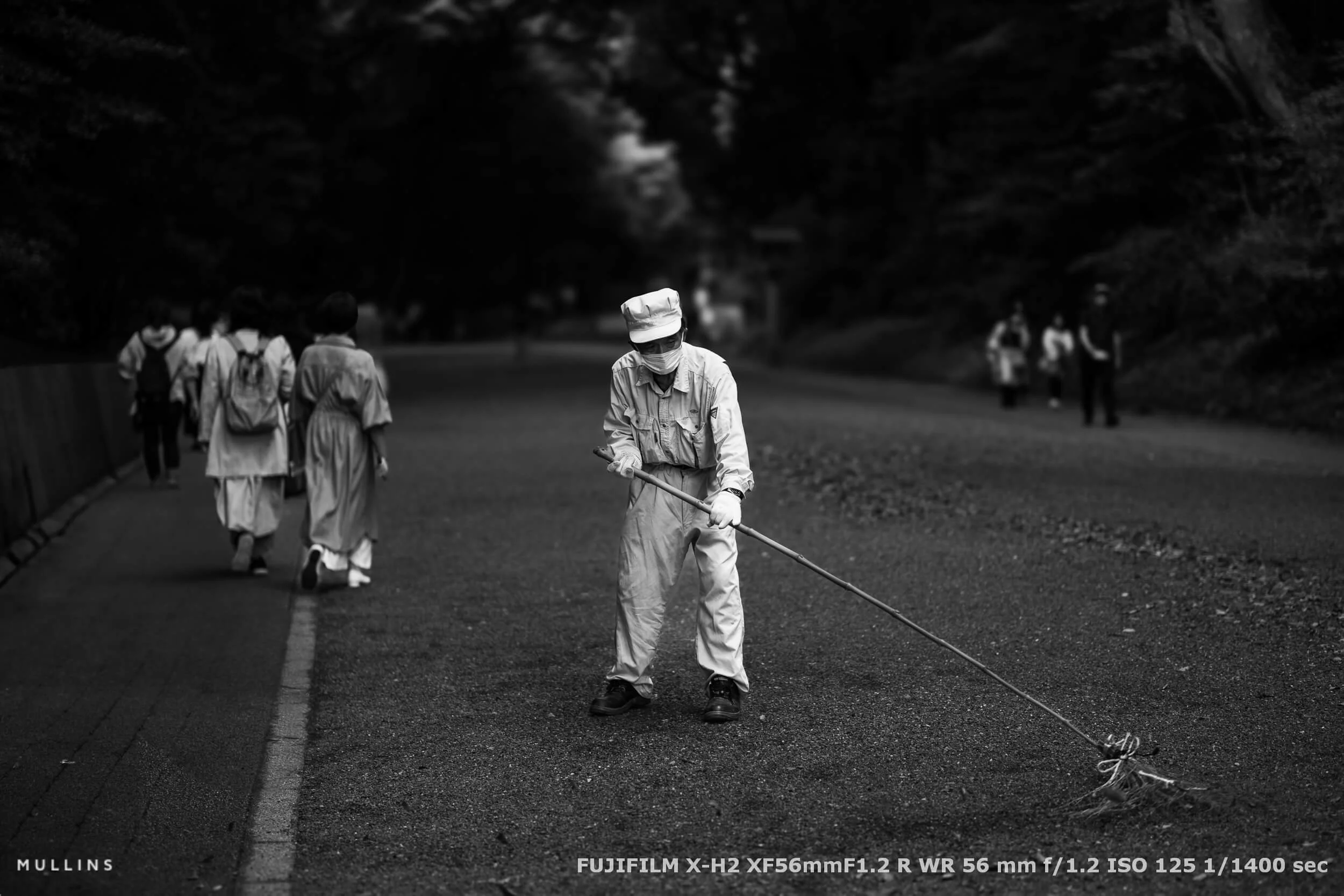
XF 56mm F1.2 R WR - Portraits, Space, and Emotion
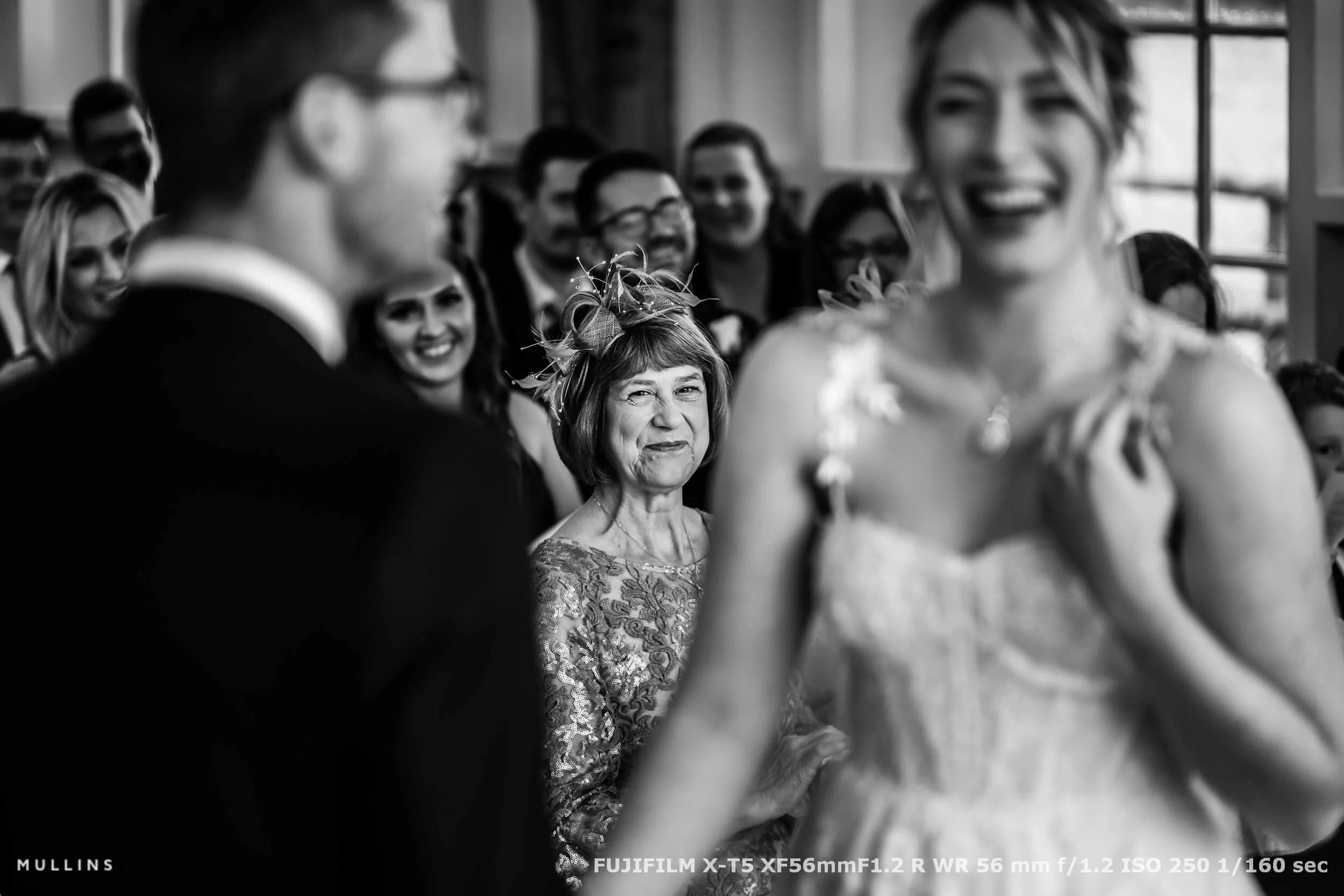
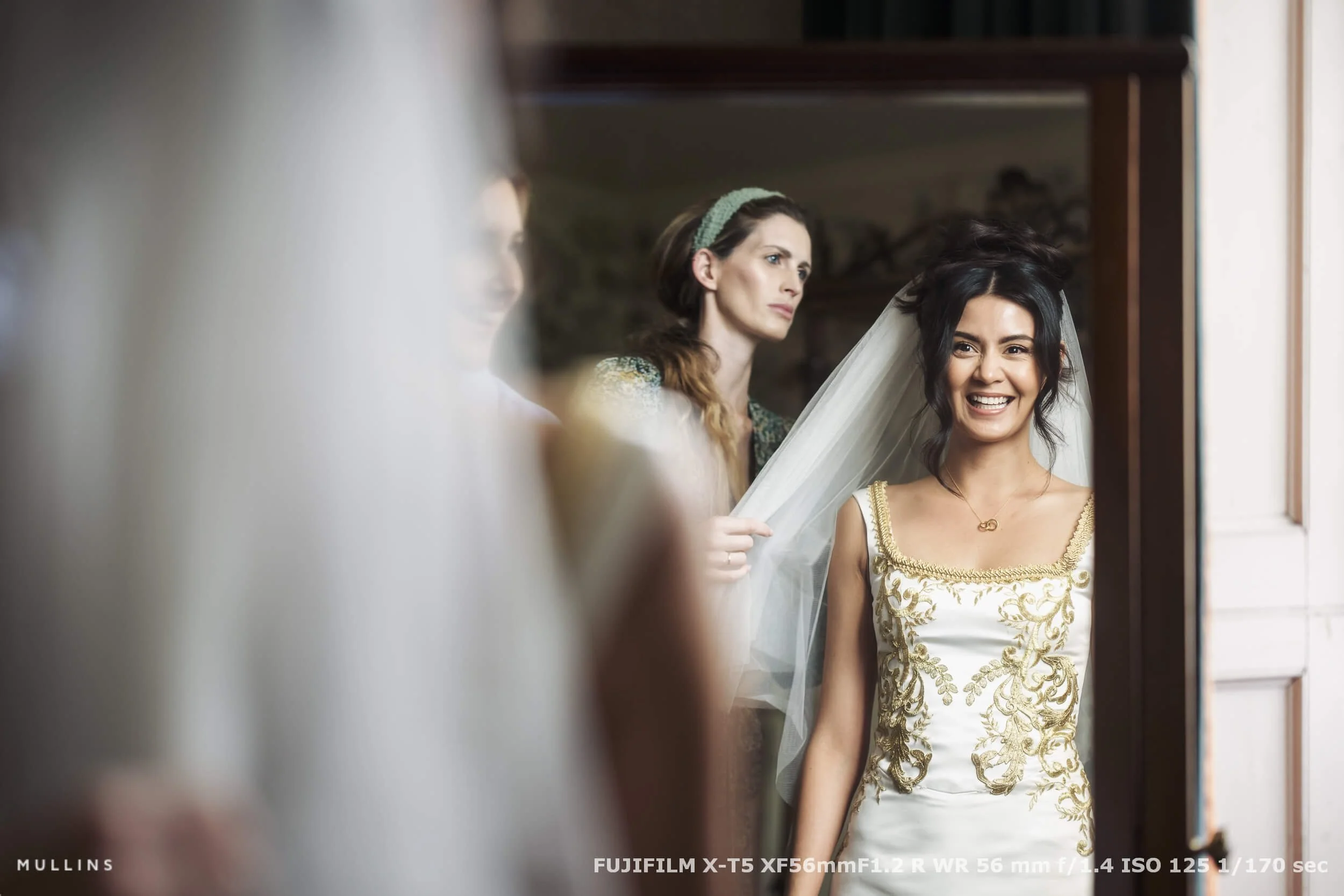
The 56mm has been with me in one form or another for well over a decade. It allows me to step back a little, give people space, and still maintain an intimate frame.
On a city street, it’s brilliant for singling out a gesture or glance without having to get close. At home, it’s lovely for faces in window light, transforming everyday moments into beautiful portraits.
The Mark II version adds practical upgrades: closer focus, better sharpness wide open, and refined autofocus.
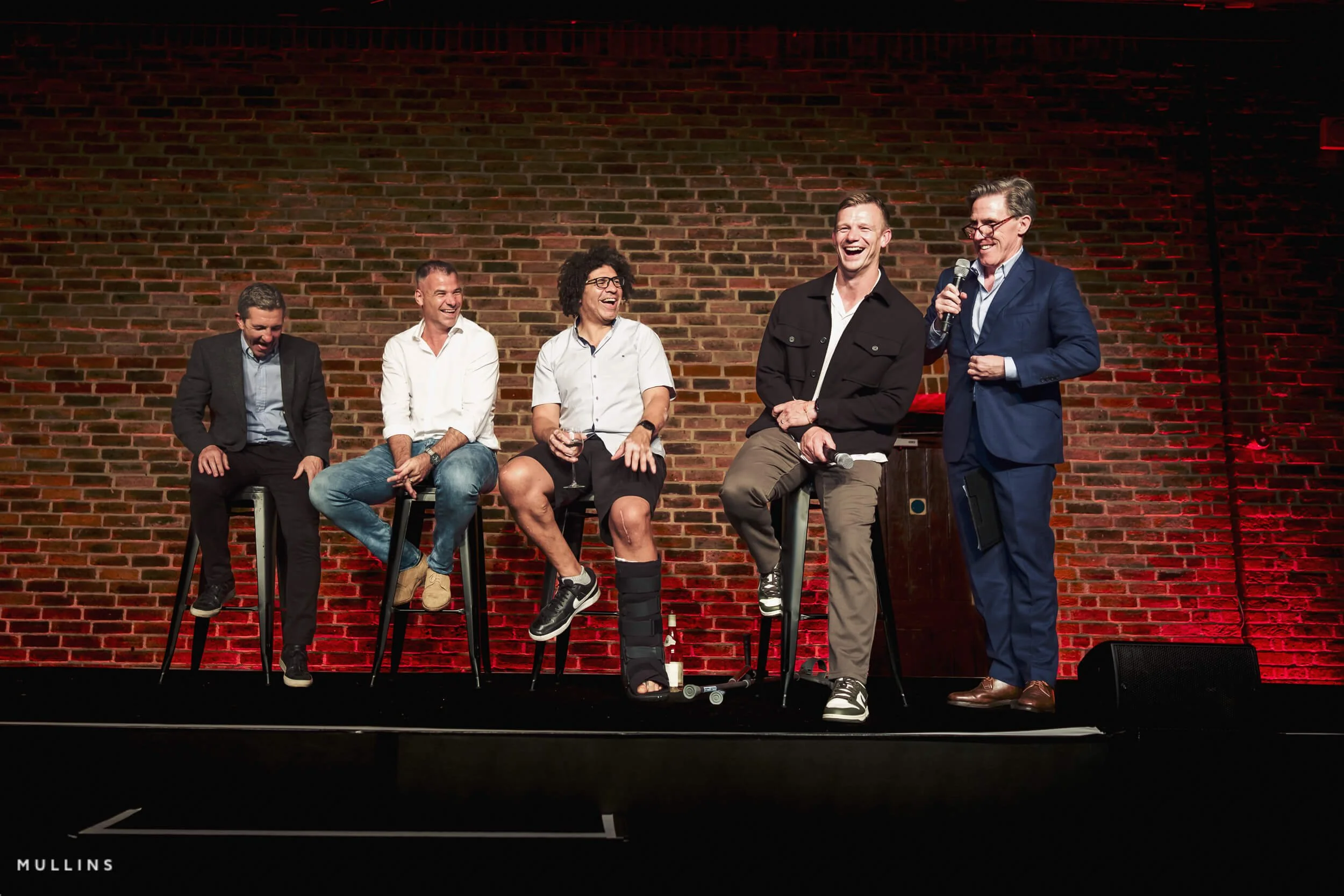
I reach for it when I need to keep my distance. The perspective doesn’t warp faces while busy backgrounds blur with lovely bokeh.
It suits the way I like to work: quiet, patient, and mostly using my observation skills.
Where it shines beyond weddings
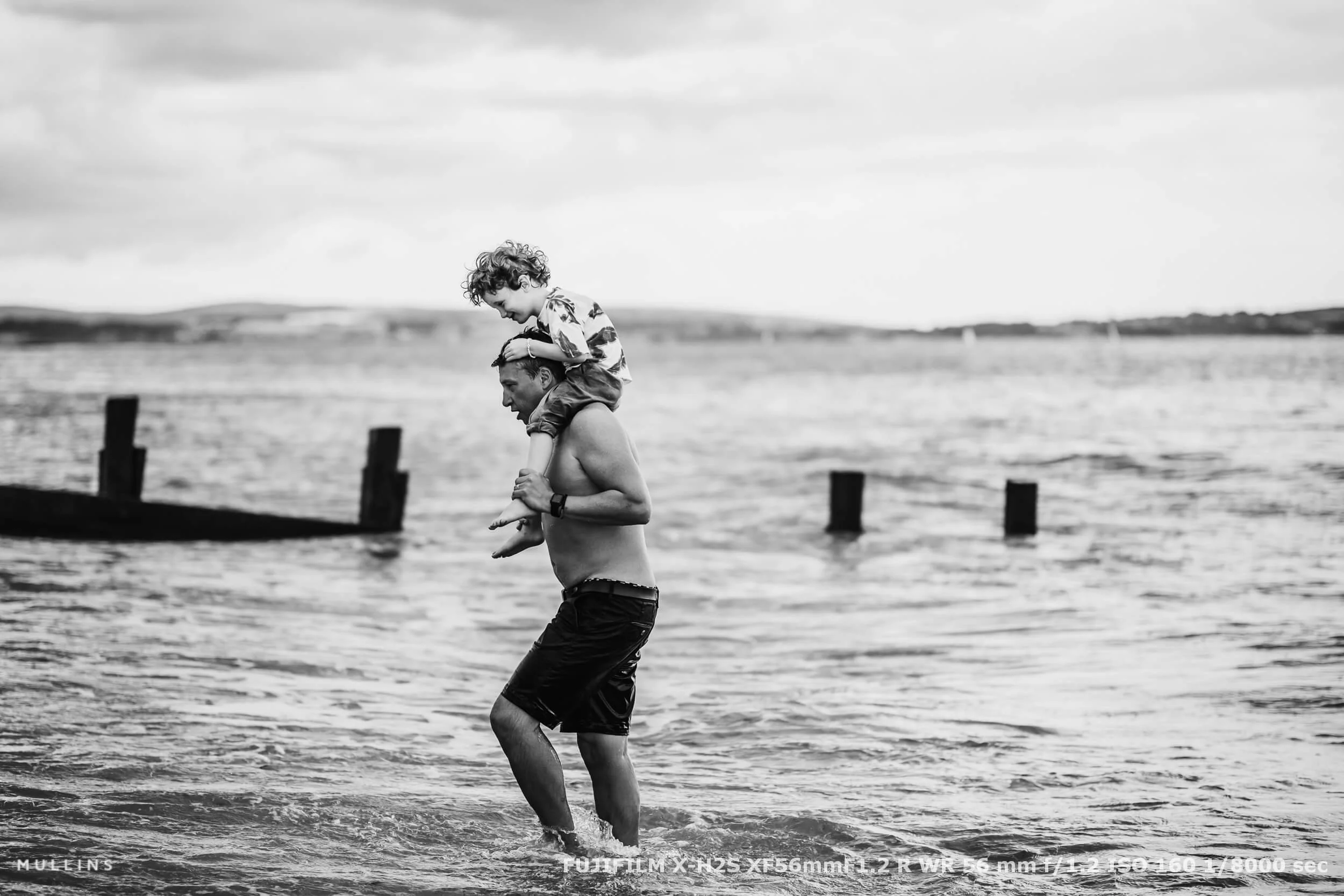
- Street and travel: a comfortable stand-off distance for moments that would probably go away if you moved closer; isolates subjects cleanly in busy scenes.
- Family life at home: nice compression for flattering portraits on the sofa or by a window; the closer 50 cm focus helps with hands, toys and small details.
- Personal portraits: quick portraits of friends; f/1.2 pulls the person into the picture even in cluttered rooms.
- Low light and interiors: wide open, it helps keeps ISO low and avoids the need for flash; textures and skin tones stay clean.
- Events and talks: enough reach to work from the aisle or the back of the room without making it obvious you are there.
How I tend to use it
- Aperture choices: f/1.2 when the background is messy or the light is low; f/1.8–f/2.8 when I want a touch more context.
- Focusing approach: single point for portraits; It copes well with continuous sequences wide open.
- Working distance: I usually hover a few metres away for conversation-level portraits, then step in a little for candid moments.
- Practical extras: the 50 cm minimum focus is really helpful for table details and layered frames.
56mm Mark II vs the original (quick take)
- Closer focus: 50 cm vs 70 cm makes a real difference for storytelling details.
- Optics and rendering: very good at f/1.2; files feel crisp without harshness.
- Focus feel: no linear motor by design, but it's snappy and dependable.
- Size and filters: a little larger; takes 67 mm filters; still compact for an 85 mm-equivalent.
Why I like it: subject separation, lovely perspective, sharp and excellent in the way it draws a picture.
Best suited for: portraits, emotional storytelling, capturing street moments from a respectful distance, and capturing family life in natural light.
XF 23mm F2.8 R WR - The Pocketable Everyday Lens
Not every lens has to be a showstopper. Sometimes you just want lightness and discretion. That is exactly what this new (released in 2025) 23mm F2.8 pancake gives you.
It arrived alongside the X-E5 and really feels like the right partner for that body. It is tiny, weather-resistant, and the files are sharp. Autofocus is quick and quiet, which suits my working style on the street or while travelling.
Paired with something like the X-E5, the whole kit becomes a small-bag camera you can carry all day. That’s important for street photography, where being unobtrusive helps people ignore you, and it also matters for family life, where you can keep a camera to hand almost all the time.
The handling of this combo is easy-going, and even the shutter character feels nicely deliberate but without being loud.
If you are into JPEG recipes, the X-E5’s film simulation dial lets you assign and flip between looks on the fly. That pairs well with the 23mm pancake because it keeps you out of menus and concentrating on shooting, which is the whole point of carrying a small, ready-to-go setup.
Where it shines
Street and travel: discreet size and quick AF make it easier to blend in, frame, and move on. It is a classic 35mm-equivalent view that suits everyday scenes and environmental portraits. It looks very cool too.
Family and personal work: light enough to keep nearby in the kitchen or on the school run. A natural perspective, and people tend to forget the camera quickly.
All-day carry: the small footprint means fewer excuses not to take a camera out. Pocketable on the X-E5 and X-Pro3 and still balanced on other X bodies.
How I tend to use it
Working aperture: f/2.8 to f/5.6 most of the time for a bit of context and reliable depth, with zone focus when I want to move quickly.
23mm f/2.8 vs 23mm f/2 or f/1.4
Why the pancake: size, speed of use, and convenience. What it gives you is portability, weather sealing, and a look that is sharp.
What you trade: you will not get the same shallow depth or rendering character of the f/1.4, and the f/2 has a different feel. In return, you get a smaller kit that encourages you to take the camera everywhere.
Why I like it: tiny, discreet, and very capable. It makes the camera less noticeable, which is usually when the best pictures happen.
Best for: travel, everyday carry, discreet street work, family life in natural light.
See my Fujifilm X-E5 Sample Photos – My First Shots with the New Camera


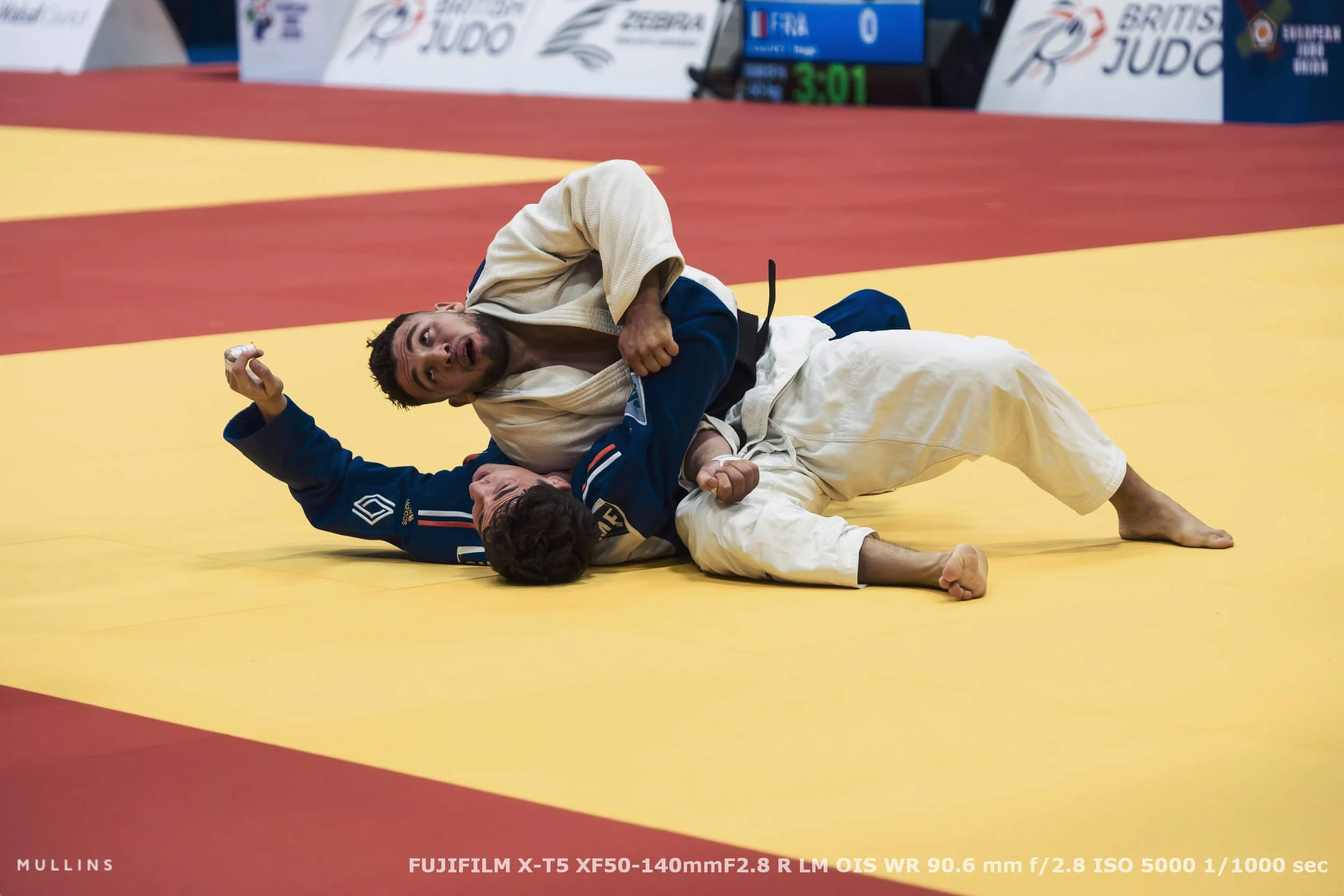
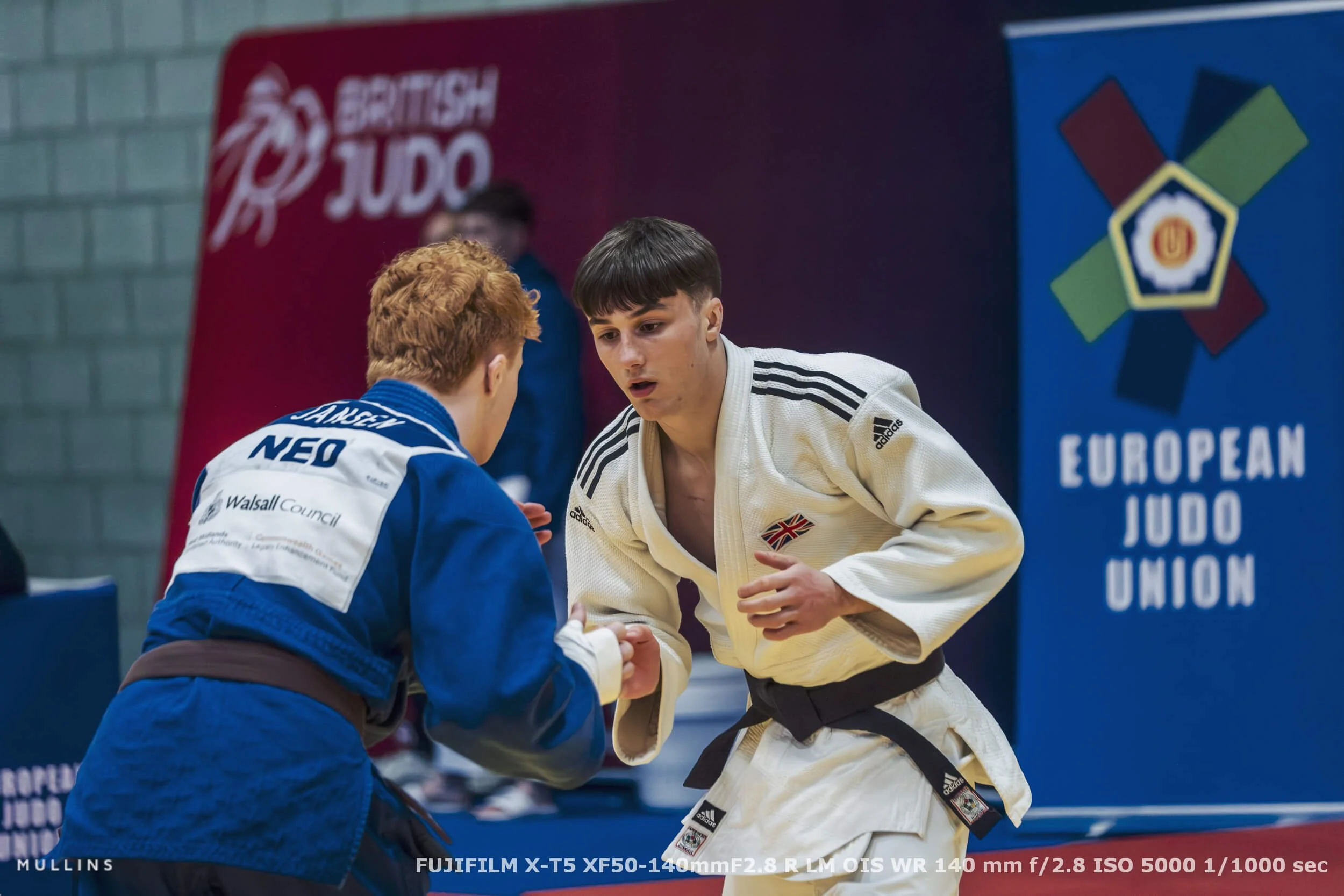
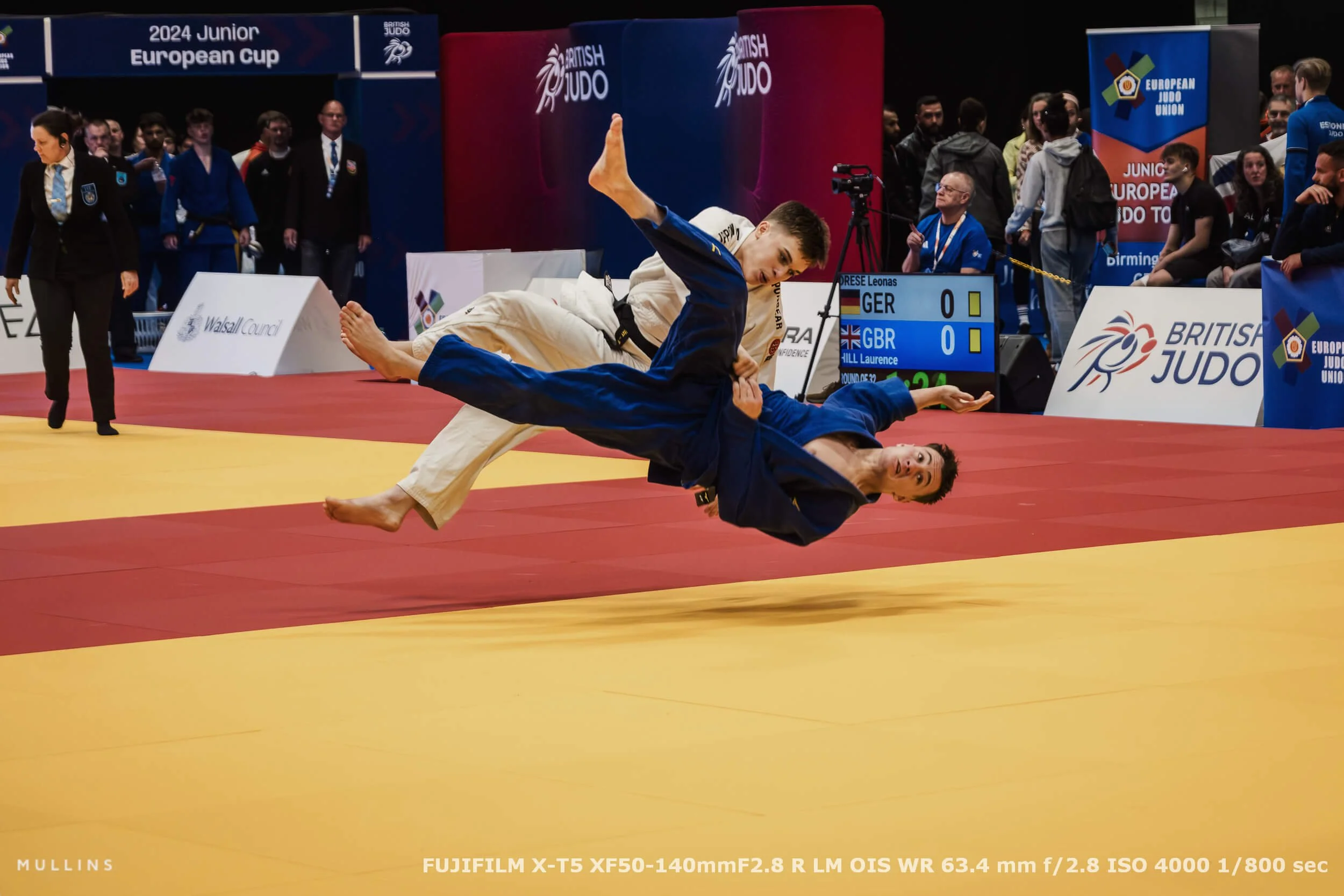
XF 50–140mm F2.8 R LM OIS WR - The Pro Tele
This is Fujifilm’s equivalent of the classic 70-200mm.
It is big, and you will feel it in the bag, but when you need reach, compression and consistency, nothing else in the system does the same job in my opinion.
I do not carry it for weddings or street photography. I prefer a smaller kit there, but for sport and certain commercial jobs, it’s brilliant.
The constant f/2.8 aperture and stabilisation make it practical in mixed light, and the handling is fine once you settle into how it balances on an X-Series body.
I use it when I want to stay back but have an immediate option for getting a bit closer. It is excellent for shaping busy scenes: pull the background forward a touch, isolate a subject, and keep your framing cohesive.
The zoom range covers portraits on the short end and tighter action at the long end, eliminating the need for lens changes.
Where it works (beyond weddings)
Sport from the side-lines: enough reach for running, football, judo and anything else really; quick to reframe when action moves quickly.
Stage, talks and events: work from the aisle or back row and still get clear expressions without being obtrusive.
Commercial details and people: compress messy backgrounds for headshots, product-in-environment shots, or tighter architectural details.
How I tend to use it
Shutter and ISO: for moving subjects, I start around 1/500s–1/1000s and ride ISO as needed; for static scenes, the stabilisation lets me drop lower if I want to keep noise down.
Focus approach: AF-C with a small zone works well for action; single point for headshots and details. Pre-focusing is helpful when you can anticipate the subject’s movement.
Support and balance: a monopod is handy for long stints; otherwise, I hold the lens by the collar and let the camera rest in my hand.
Framing mindset: think in layers; foreground subject crisp, background simplified by compression. Zooming lets you get rid of distractions without moving your feet.
Handling notes
Internal zoom and focus: the length of the lens does not change as you zoom, which keeps the balance.
Stabilisation: really useful for slower shutter speeds with static subjects and for steadier framing when you are tracking.
Build and collar: weather-resistant construction and a tripod collar that is worth using; the lens sits better on a monopod via the foot.
Why I like it: professional reach, stabilised, sharp throughout the range.
Best for: sports, stage and talks, commercial portraits and details, reportage when you need to stay in the background.
If access is restricted or moments occur at a distance, this is the lens that can get you the shots you still need.
Quick Comparison Table
| Lens | Focal Length | Best For | Why I Recommend It |
|---|---|---|---|
| XF 18mm F1.4 R LM WR | 18mm (27mm equiv.) | Weddings, street, low-light | Fast, versatile, sharp wide open |
| XF 56mm F1.2 R WR | 56mm (85mm equiv.) | Portraits, emotional moments | Beautiful depth, reliable AF, stunning rendering |
| XF 23mm F2.8 R WR | 23mm (35mm equiv.) | Travel, street, everyday | Tiny, discreet, sharp enough for anything |
| XF 50–140mm F2.8 R LM OIS WR | 50–140mm (75–210mm equiv.) | Events, reportage, ceremonies | Stabilised, pro build, covers a huge range |
A Note on Cameras and Context
My lens choices only make sense if you know the bodies I pair them with. At the moment, I rotate between the Fujifilm X100VI, the X-T5, and the GFX100S.
My bread-and-butter combination is the 18mm F1.4 and the 56mm F1.2. The 50–140mm comes out when needed, and the 23mm pancake is my travel companion.
Editing and Presets
Every image you see on my site — including those made with these lenses — is edited using my Kevin Mullins Lightroom Presets.
They’re designed for speed, consistency and a natural look. If you want to try them out, you’ll find them here: Kevin Mullins Presets.

Best third-party Fujifilm lenses
For years, the honest answer to "which Fujifilm lenses should I buy" was "the native XF ones."
Third-party makers, Viltrox in particular, now produce glass that can really earn a place in a working bag, often at a much cheaper price point. These are the ones I use regularly.
Viltrox 27mm f1.2
The 27mm (around a 40mm equivalent) is a lovely documentary focal length, close to how you see a scene, and the f1.2 aperture makes it a serious low-light tool. It's the third-party lens I use most for reportage work. See my full review here.

Viltrox Pro AF 27mm 1/550 at F/1.2 ISO 125
Viltrox 75mm f1.2
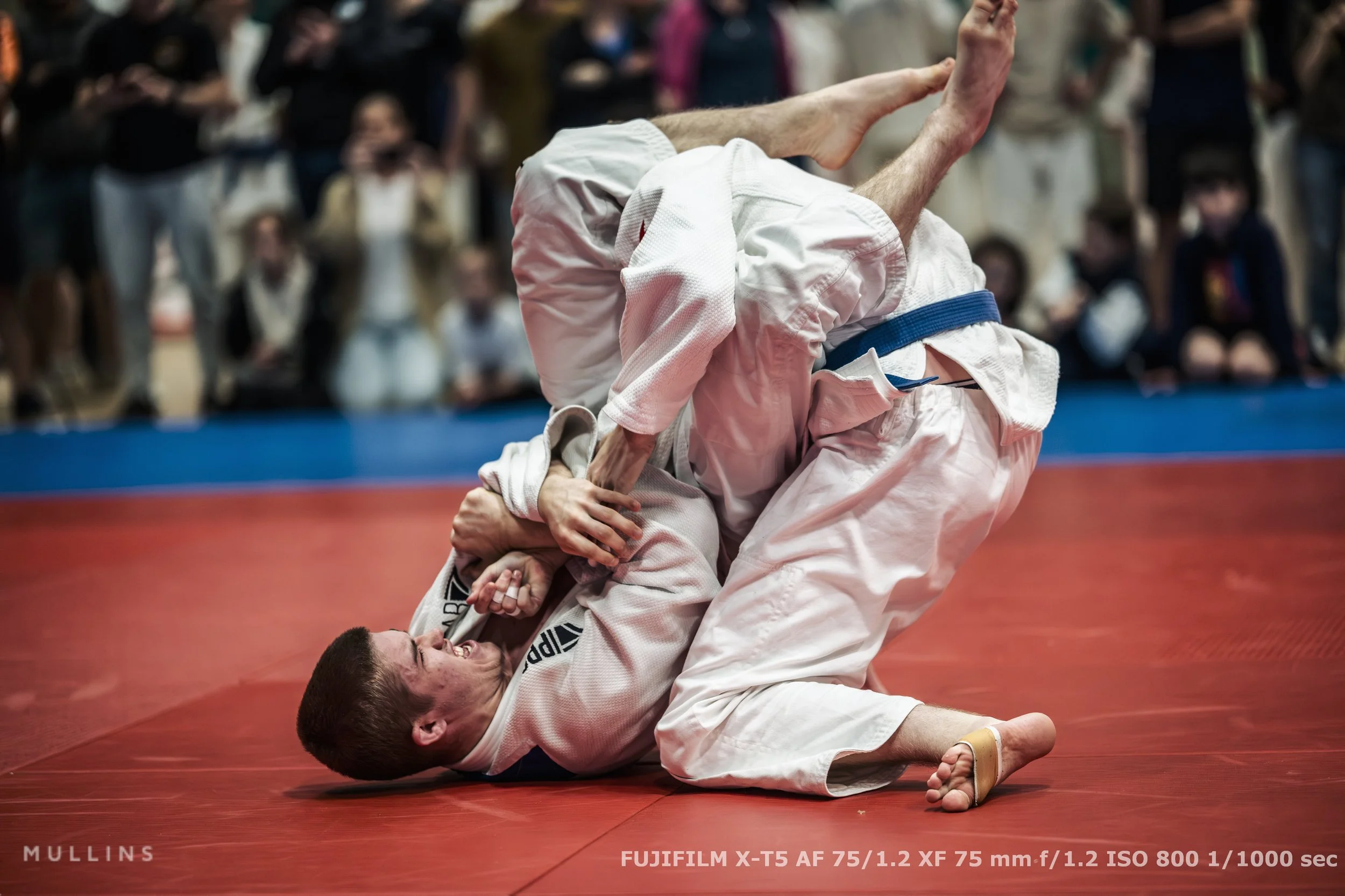
This one does three jobs for me. The 75mm (around a 114mm equivalent) is a beautiful portrait length with gorgeous separation wide open; it's excellent for picking moments out of a documentary scene from a respectful distance, and the reach and speed make it genuinely useful for sport. See my full review here.
- Third-party lenses are often a third of the price of the native equivalent, for image quality that's very similar.
- The trade-offs are usually weather sealing, size, and the sometimes build quality.
- For most people, the value is hard to ignore.
The best Fujifilm lens for each job
If you're shopping based on what you actually shoot rather than on technical specifications, take a look at this:
| What you shoot | My pick | Why |
|---|---|---|
| Documentary / reportage | XF 23mm f1.4, or Viltrox 27mm f1.2 | Natural field of view, fast in low light |
| Portraits | XF 56mm f1.2, or Viltrox 75mm f1.2 | Classic portrait length, beautiful separation |
| Street | XF 23mm or 18mm | Wide-ish, discreet, get-close focal lengths |
| Sport / action | Viltrox 75mm f1.2, or XF 50-140mm f2.8 | Reach and speed for picking out moments |
| Everyday / one-lens | XF 18mm f1.4 | My all-round wide favourite |
The best Fujifilm zoom lenses
Primes are what I use almost all the time, but zooms are sometimes useful, especially for events and travel where you can't keep swapping lenses. These are the X-mount zooms worth thinking about.
| Zoom | Equivalent range | Best for |
|---|---|---|
| XF 16-55mm f2.8 | 24-84mm | The professional standard zoom |
| XF 18-55mm f2.8-4 | 27-84mm | Great value all-rounder, more than just a kit lens |
| XF 50-140mm f2.8 | 76-213mm | Telephoto for events and sport |
| XF 70-300mm | 107-457mm | Good reach for wildlife and distance |
| XF 10-24mm f4 | 15-36mm | Very wide for interiors and landscape |
FAQs
-
I’d argue the XF 18mm F1.4 and the XF 56mm F1.2 make a perfect pairing for weddings. Wide for context, telephoto for emotion.
-
The XF 56mm F1.2 — it’s the classic portrait length and the rendering is beautiful.
-
The XF 23mm F2.8 pancake. Discreet, sharp, and pocketable.
-
The XF 50–140mm F2.8. It covers a huge range while keeping pro-level quality.
-
Not at all. Even just one of them — chosen to match your style — will make a big difference.
-
The XF 56mm f1.2 is the classic choice, a beautiful portrait length with lovely separation. If you want a longer, faster option, the Viltrox 75mm f1.2 is superb and excellent value.
-
I reach for the XF 23mm f1.4 most, with the Viltrox 27mm f1.2 a brilliant third-party alternative. Both give a natural field of view and perform well in low light.
-
Yes. They've reached the point where they earn a place in a working bag. You usually trade a little weather sealing, size or autofocus polish for a price that's a fraction of the native equivalent. The 27mm f1.2 and 75mm f1.2 are the two I use most.
-
The XF 18mm f1.4. It's my all-round wide favourite and the one I'd least want to be without.
Final Thoughts
These aren’t the only good lenses in the Fujifilm system - far from it. But they are the ones that have stood the test of real-world use for me.
Whether it’s the speed of the 18mm, the magic of the 56mm, the practicality of the 23mm pancake, or the range of the 50–140mm, each one earns its place.