Fujifilm X100VI Review: Two Years On
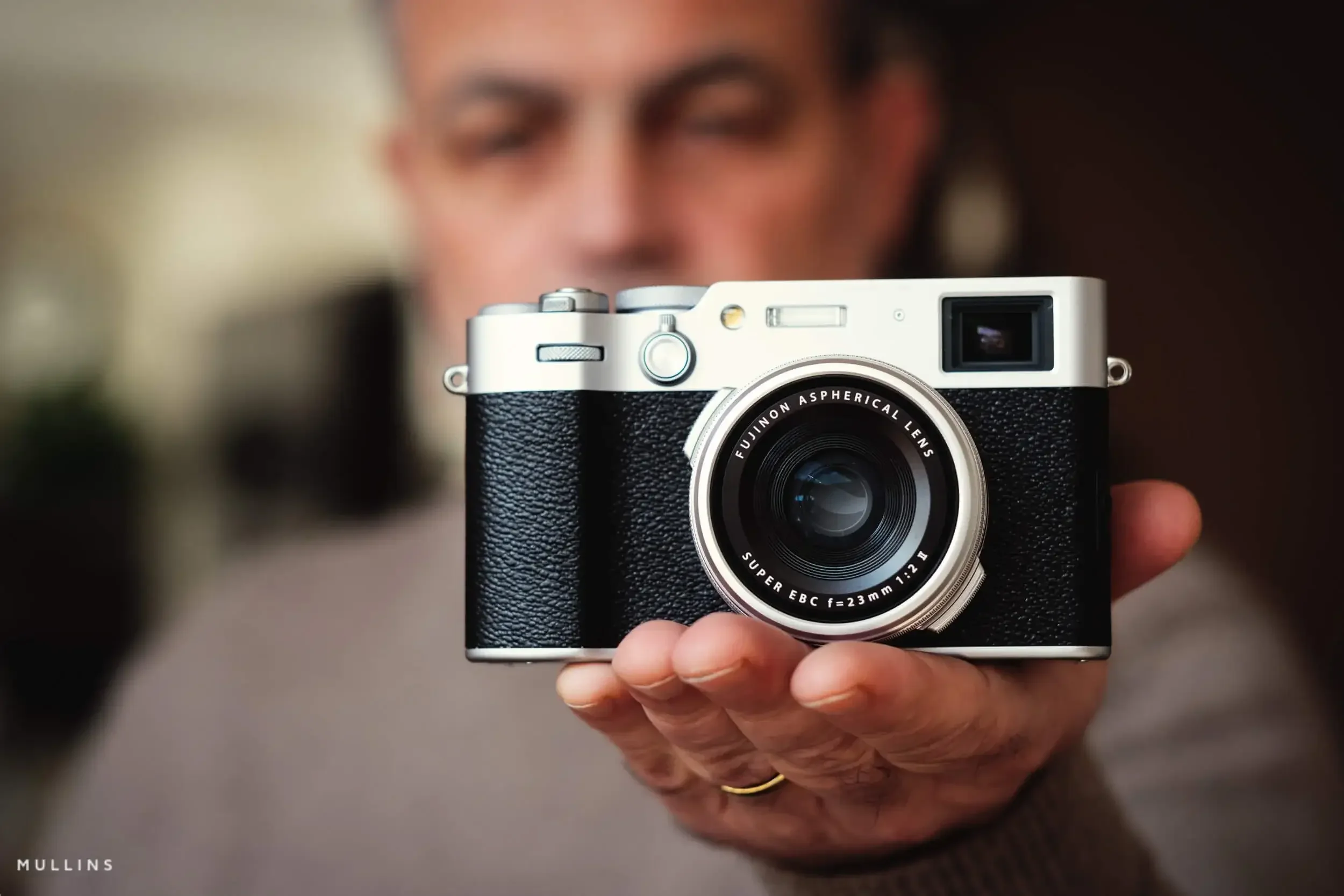
The Fujifilm X100VI
Fujifilm X100VI Review - Introduction
When the Fujifilm X100VI launched, I called it a leap forward. Two years and a lot of photography later, I can tell you whether that first impression has lasted.
I've now carried the X100VI through weddings, travel, street sessions, and my everyday family stuff. This isn't a launch-day review anymore; it's what the camera is actually like to use, what's worked, what still niggles a bit, and the question I get asked most in 2026: is it still worth buying, and can you even get one?
A quick bit of context on why I care so much about this little camera. It started in 2011 when Fujifilm introduced the original FinePix X100, a camera that wasn't just a new camera for me but my gateway into a Fujifilm journey that has lasted ever since. I've purchased every model since (the S, T, F, V and now VI), and I've been lucky enough to be involved "in small ways" in some of the design conversations along the way. So I’ve got a lot of experience with this range of cameras.
Here's what I think after over two years of using the camera.
Updated June 2026What this article covers
- A long-term, real-world X100VI review not just the specifications.
- Whether it's still worth buying in 2026, including a conversation about availability and price.
- How it compares to the X-E5, the camera most people now compare it against.
- The features that really matter: IBIS, the 40MP sensor, autofocus, and the film simulations.
- Honest downsides after using it for so long, and, who should buy it, and who should save their money.
TL;DR — my verdict in 2026
- If you're buying your first X100: still the one to get. Two years on, it remains the most capable and most enjoyable X100 ever made.
- If you own an X100V: upgrade for IBIS, faster AF, or 40MP for cropping and prints. If your X100V already does what you need, then I wouldn't upgrade.
- If you're comparing to the X-E5: read my Fujifilm X-E5 vs X100VI guide — sumarised version below.
- The problem: availability. More than two years after launch, it's still hard to buy at sensible money.
- Who it suits: street and travel photographers, documentary shooters, and, perhaps, creators who want something small, quiet and reliable that they can carry anywhere.
Is the Fujifilm X100VI still worth buying in 2026?
This is the question I get more than any other, so I’ll answer that first.
Yes - as a camera, it's still absolutely worth it. Nothing has come along to match it as the do-everything pocketable compact camera. The things that made it special when it launched have, if anything, become more appealing as more of us look for a camera that looks great and is extremely capable.
The biggest problem is getting hold of one. More than two years after release, the X100VI remains in short supply in the UK. RRP sits around £1,599, but plenty of retailers are still taking backorders rather than holding stock in store, and the used market can be pretty cruel - expect to pay similar, or even more than, RRP.
My advice if you want one:
- Buy new from a proper dealer and join a waitlist rather than paying over the odds for a used one.
- Set up an in-stock alert. Places like Amazon and WEX will email you when they have stock.
- Don't panic-buy a grey import to skip the queue. You'll find it affects warranty and ability to have it fixed if needed.
If you simply can't wait and you can’t find an X100VI, that's exactly where the X-E5 conversation comes in.
Fujifilm X100VI vs X-E5: which should you buy now?
Two years ago, the X100VI's main rival was its own predecessor, the X100V. Today, the camera most people compare it to is the X-E5, and for good reason.
It gives you a similar size and design ideology, the same generation of sensor and processing, and the flexibility of interchangeable lenses.
- Choose the X100VI if you love the discipline of a fixed 35mm-equivalent lens, the leaf shutter, the built-in ND, and the hybrid viewfinder — and you're happy to wait for stock.
- Choose the X-E5 if you want lens flexibility, you can find one more easily, and you don't mind giving up the leaf shutter and built-in ND.
I've written this comparison up properly, with my thoughts on both cameras: Fujifilm X-E5 vs X100VI: which one is right for you?
My YouTube Review Video
Official Promo Video by Fujifilm


Fujifilm X100VI -1/125 @F2 ISO200

Fujifilm X100VI - 1/125 @F2 ISO 320
A quick note on the images in this post: I've edited them with my Film Edition Lightroom Profiles and Presets — except where I'm specifically showing the in-camera film simulations. You can get a 20% discount by joining my very infrequent newsletter.




Fujifilm X100VI - Look & Feel
The X100 range has always been a testament to Fujifilm's commitment to a design philosophy that blends classic aesthetics with modern functionality. The X100VI retains pretty much all the aesthetics of the X100V, and all the others; I think everyone would agree that was the right call. It would have been easy for Fujifilm to slip up here by making the X100VI feel different to its predecessors. They didn’t, and that’s a good thing.
Its retro-looking design, with tactile dials and viewfinder, is still a nod to the days of film cameras, but the X100VI is packed with the power of the digital age. That blend of old and new has been the hallmark of the series from the original FinePix X100 right through to this one.
But don’t buy a camera just for its looks. A camera is a tool, not jewellery.
Fujifilm's decision to stick with a fixed 23mm lens (35mm equivalent) across every X100 is a great decision, and it's ultimately that field of view that’s kept me reaching for this camera when I just want to “grab a camera” for the last two years. With a fixed focal length, you move and interact with your surroundings more.
It captures experiences, not just photos. That's why the X100VI, like its predecessors, is adored by street and travel photographers alike, and why so many working pros keep one as a trusty alternative to their bigger rigs.
Over the last two years, the Fujifilm X100VI has been the camera I see the most on my Street Photography Workshops.
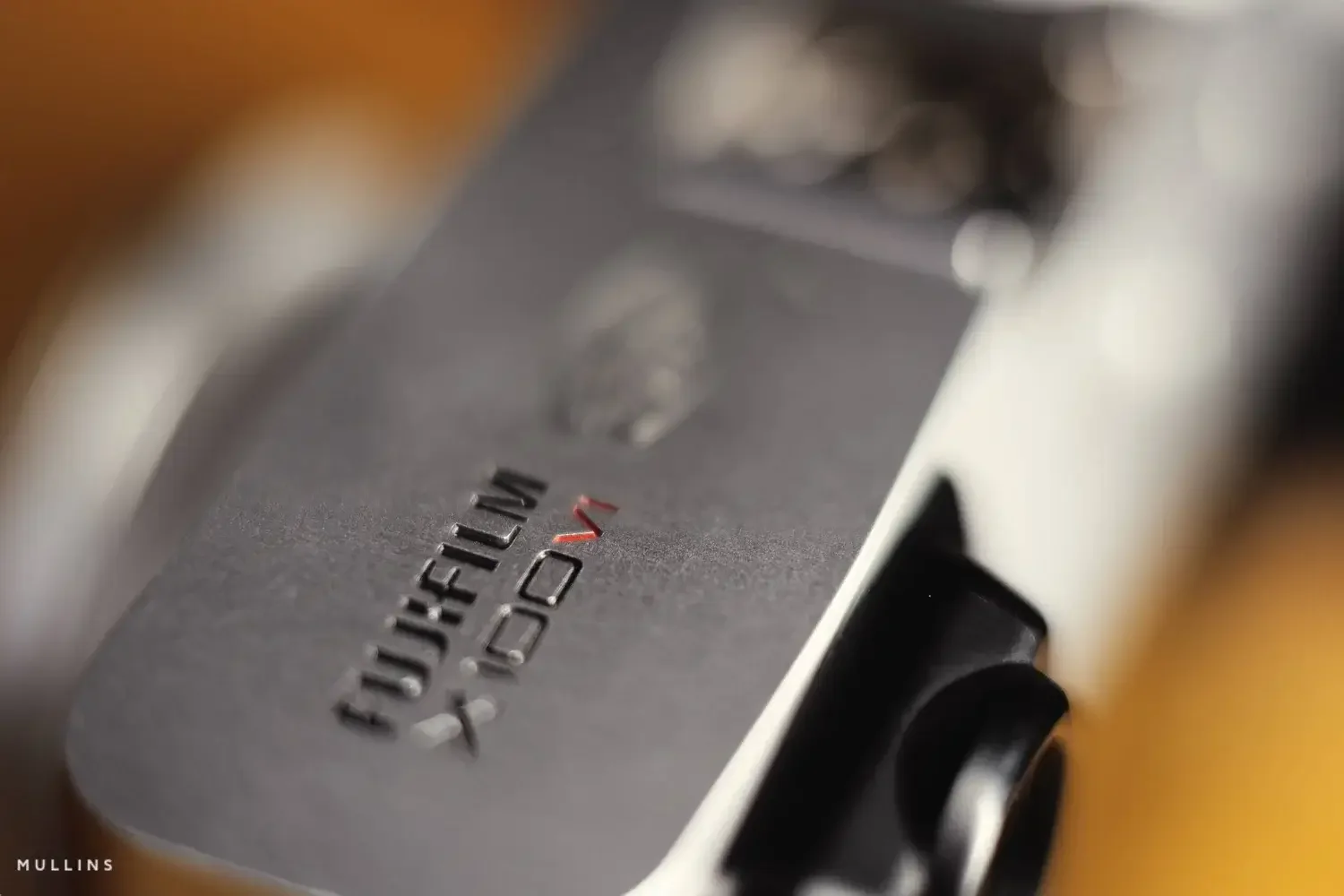
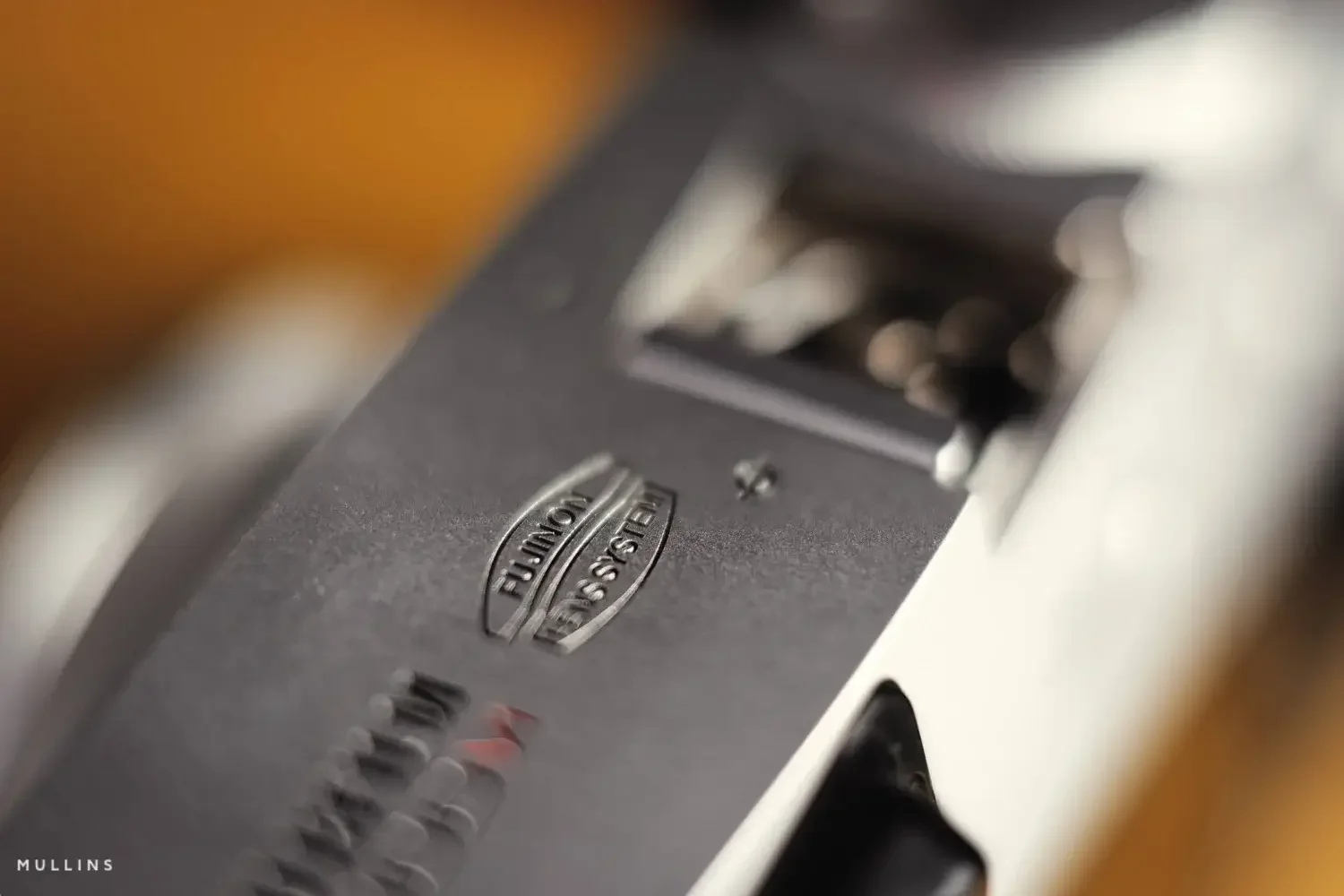
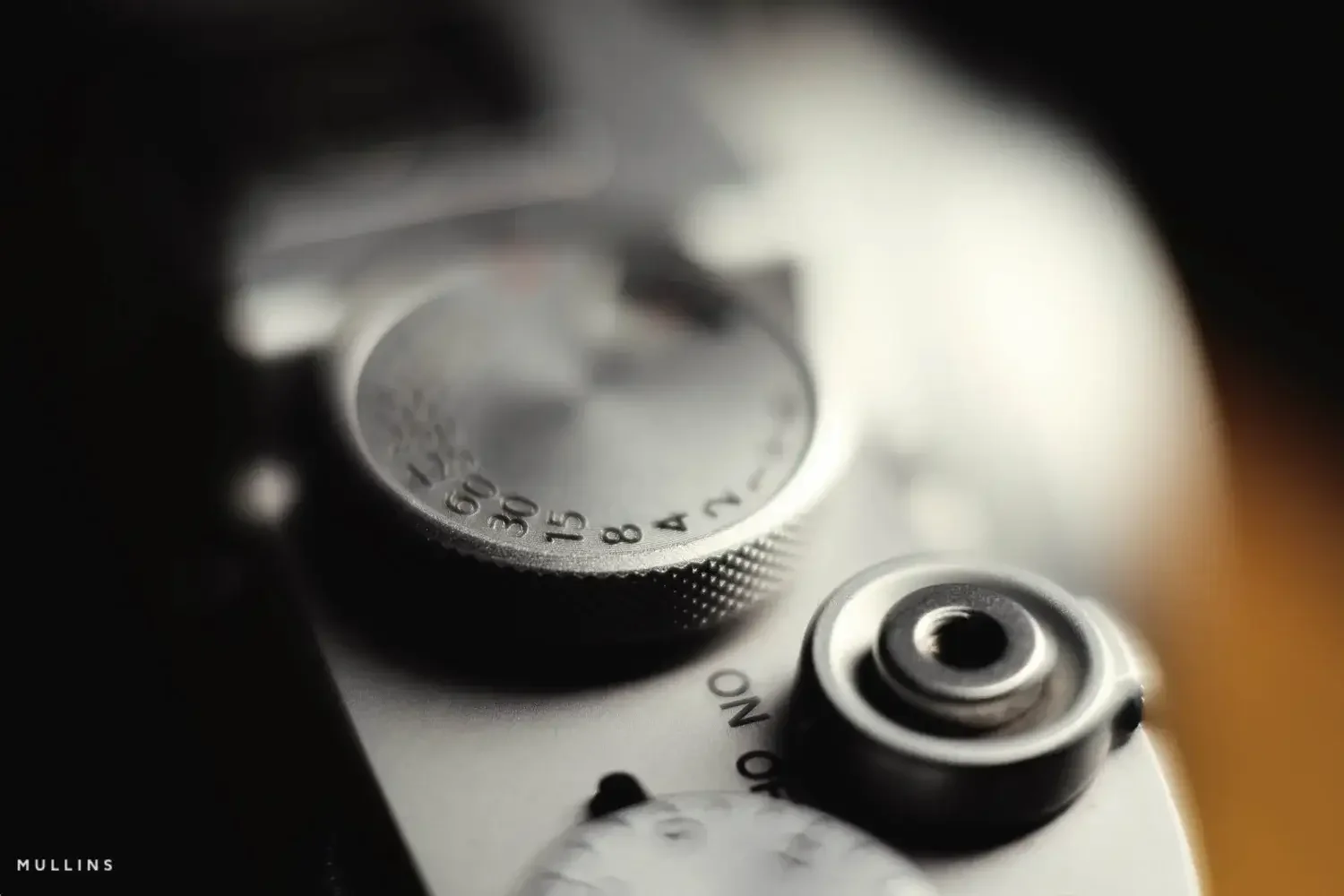
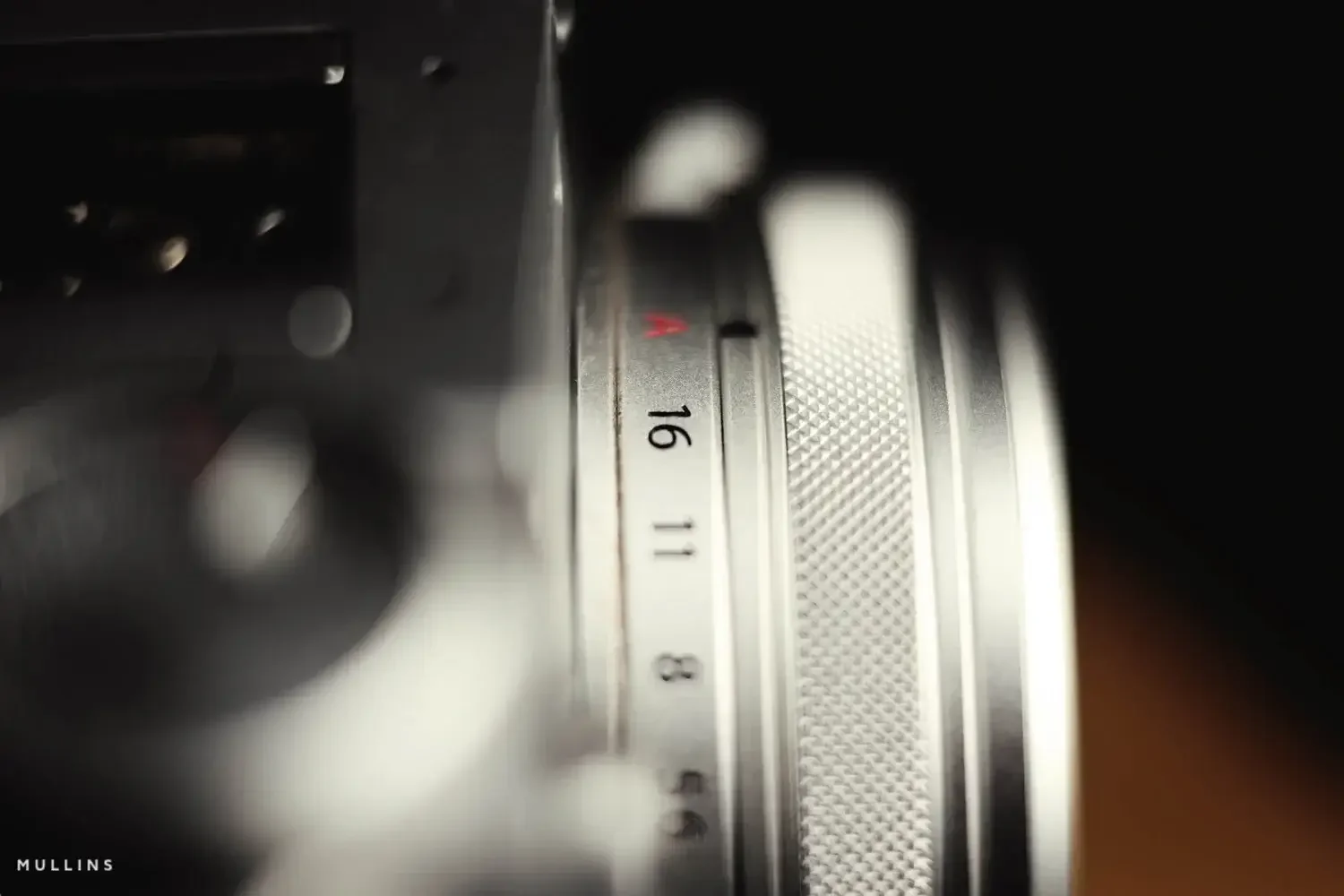
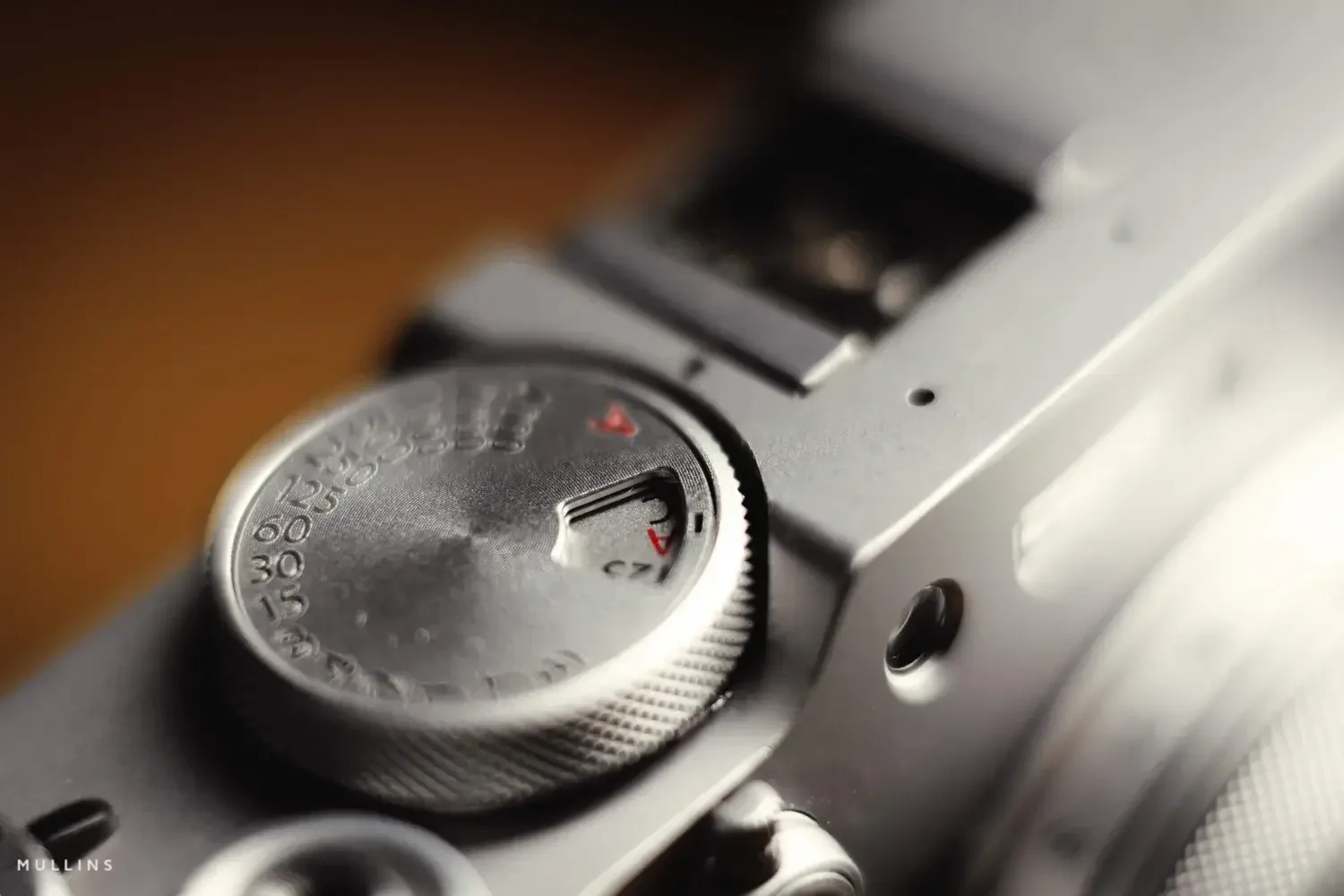
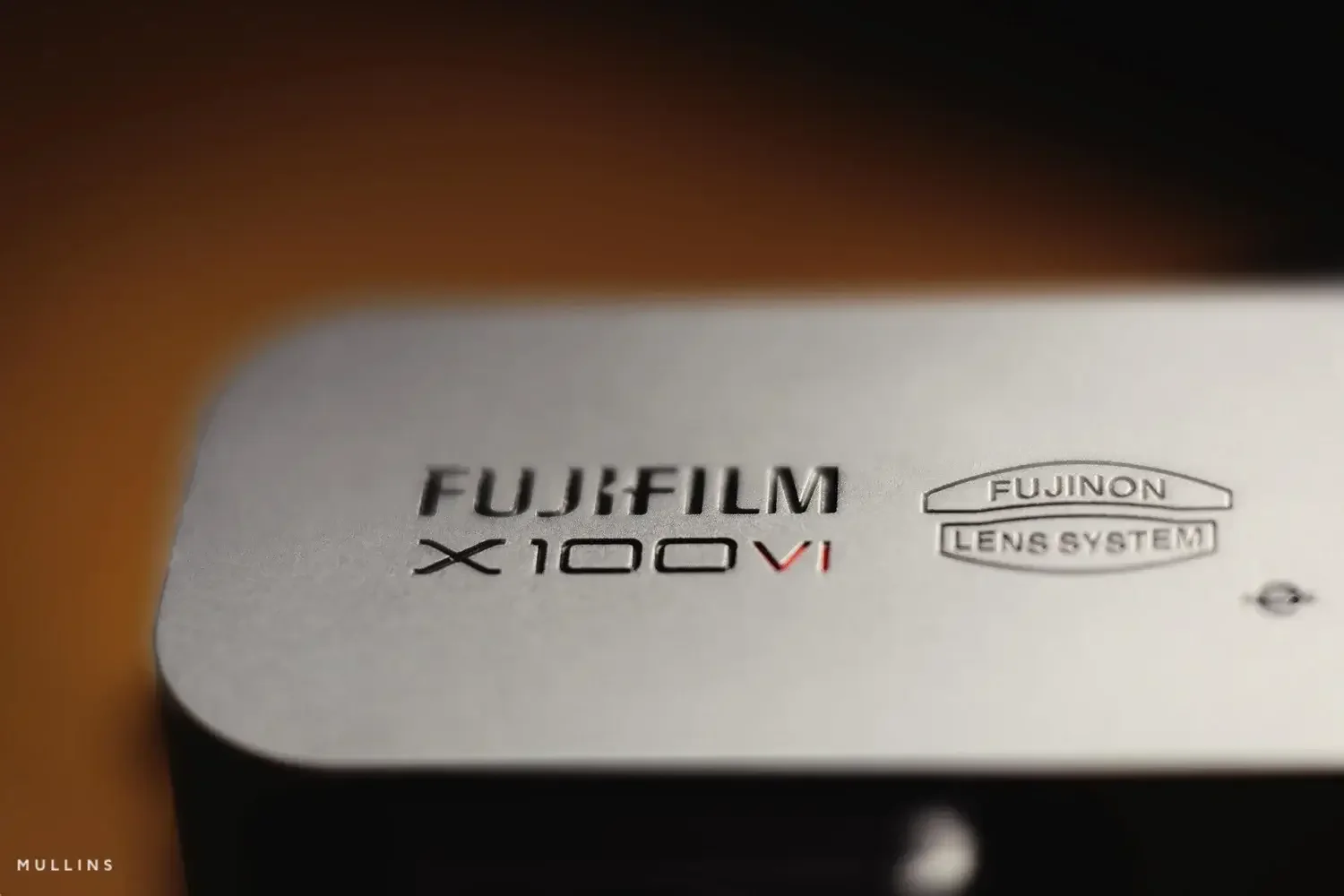

Fujifilm X100VI -1/125 @F2 ISO 160
The X100VI is so similar in ergonomics to the X100V that it's hard to tell them apart. The weight and size feel basically identical, perhaps a touch heavier and a millimetre or two bigger. Given they fitted an IBIS system inside, that's a genuine feat of engineering.
The only obvious change from the front is a slightly higher-quality, more tactile viewfinder selector. Round the back, the buttons are essentially the same, though the two top buttons are now closer together (which is nice as I always had to stretch a little with the X100V). There's no D-pad for those still hoping (missing in action since the X100F); the joystick remains the main rear controller. The rotating pad from the X100S is still my favourite, but the joystick it is for now.
At the top, there's a touch more distance between the exposure compensation dial and the top function button, making it easier to reach. Beyond that, the X100VI keeps the same design and aesthetic as its predecessor and after eleven or twelve years of that philosophy surviving intact, Fujifilm deserves real credit.
It was brave, and they've rightly been rewarded with sales.
The Film Simulations
The X100VI brought three new film simulations that hadn’t been in any of the previous versions of this camera:
- Reala Ace — a nod to classic Fujicolor Reala. Realistic colour, gentle saturation, clean tonality. It was GFX 100 II-only before this.
- Nostalgic Neg — warmer bias with softer contrast that flatters skin; that 60s–80s warmth.
- Eterna Bleach Bypass— high contrast, low saturation for a gritty, moody, dramatic look.
Save your three most-used sims to Custom Settings so you can flick between them without diving into the menu.



Want to take your X100VI further?
My downloadable guide Mastering the Fujifilm X100VI Look includes 50+ custom JPEG recipes with before/after images, setup advice, and clear explanations of settings like White Balance shift, DR400 and Clarity.
IBIS is still the headline feature
They said it couldn't be done, but the X100VI has in-body image stabilisation, and two years in, it's still probably the most important upgrade to me.
In low light, IBIS lets me use a slower shutter and worry less about handshake blur. That matters more than ever as I'm not getting any younger, and the camera comes into its own in dark churches, oak-panelled rooms at weddings, and our own 300-year-old cottage where daylight is often limited.
It also adds a little extra crispness to everyday photos, and because every X100 has a built-in ND filter, I can pair the two and drag the shutter to try and capture motion without a tripod. For video, it smooths things out nicely in motion.
- Handhold slower shutters indoors without pushing ISO unnecessarily high.
- Pair IBIS with the built-in 4-stop ND to drag the shutter for motion, no tripod needed.
- For panning, try IS Mode: Shooting only to avoid sticky framing between exposures.

Fujifilm X100VI - 1/160 @F2 ISO 640 - Edited with my Imai Recipe

Fujifilm X100VI - 1/60 @F2 ISO 320

Fujifilm X100VI - 1/400 @F2 ISO125
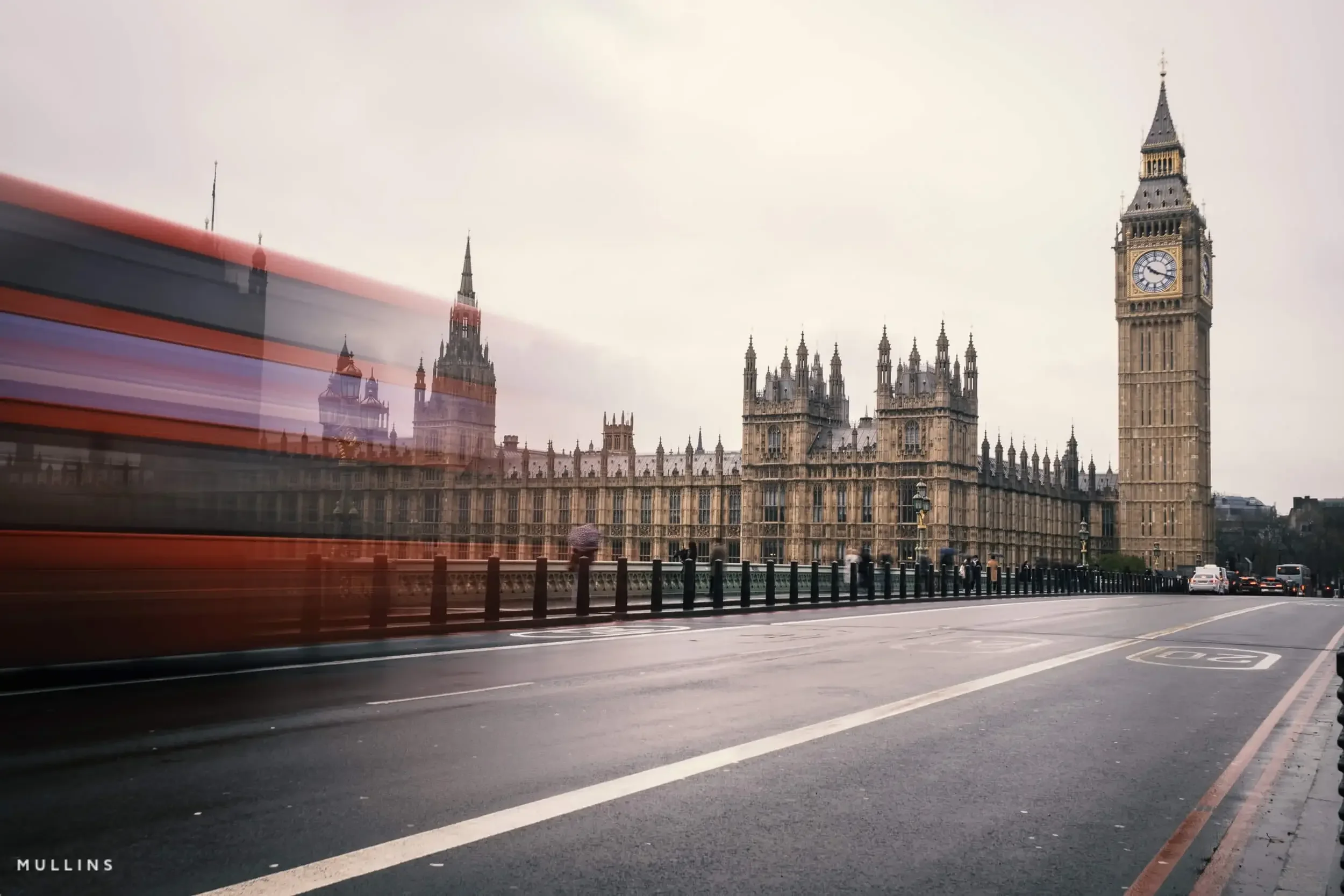
Fujifilm X100VI - 1sec @F16 ISO125
The 40MP X-Trans 5 Sensor & Autofocus
The X100VI moved from the 26MP sensor in the X100V to a 40MP X-Trans CMOS 5 HR sensor paired with the X-Processor 5. This is what that actually means in practice.
The extra resolution gives more detail for large prints and far more room to crop, which is handy on a fixed-lens camera where cropping is your zoom. The X-Processor 5 also brought AI-driven autofocus with subject detection (people, animals, birds, vehicles). I don't expect serious wildlife shooters to reach for an X100VI, but the detection genuinely works; I tried it on my very sedentary whippet and some distinctly un-sedentary herring gulls off the coast of Kent.
However, the AF is throttled by the fixed lens. Don't expect it to match an X-T5 with a linear-motor prime, but do expect it to be close, and far quicker than the X100V.
Everything feels more responsive: shooting, buffering, menus. Low-light noise handling is better than that of the X100V, too.
Fujifilm also added HEIF support and the 4:3 and 5:4 aspect ratios. It really is, more or less, an X-T5 in a little box.
- AF mode AF-C with a small zone; Face/Eye on for people.
- Use a custon button to toggle Subject Detect when switching from people to vehicles or animals.
- Keep Clarity at 0 in camera to avoid slow file-saving times.

Fujifilm X100VI - 1/1100 @F5.6 ISO125

Fujifilm X100VI 1/125 @F2 ISO1000

Fujifilm X100VI 1/200 @F5.6 ISO500
Movie Making
The X100 series isn't the first camera most people think of for filmmaking; the serious video work belongs to the X-H2 and X-T5 range.
But thanks to the sensor, the X100VI's video is a real step up from the V: 6.2K/30p (up to 200 Mbps) and 4K/60p for smooth slow motion.
With film simulations, you essentially get graded-looking footage straight out of the camera, which is great for short clips. But it is a capable video camera if you wish to explore the X100VI’s video capabilities.
For quick tips on switching between stills and video, see my X100VI Tips & Tricks.
What's changed since launch: firmware
One thing worth saying in a two-years-on review: the X100VI you buy today is better than the one I first reviewed.
Fujifilm has continued to push firmware updates to the camera that refine autofocus, fix bugs and tweak behaviour. At the time of writing, the latest version is 1.32, or 1.31, depending on what you believe: Fujifilm X100VI Firmware 1.31 vs 1.32 — what's going on?
If you want to keep on top of updates across the whole system, I maintain a Fujifilm Firmware Finder.
Any downsides after two years of usage?
No camera is perfect, and a few things I flagged on day one are still worth knowing:
- Battery: it still uses the NP-W126S, not the bigger battery from the X-T5/X-H2. I understand why (size, and the room IBIS needs), but I can't consolidate batteries across my Fuji kit. Carry a spare on longer days.
- Weather resistance: you still need the separate weather-resistant kit to fully seal the lens. That said, I once dropped my X100S in a swimming pool and it still works, so I don't lose sleep over it.
- Single UHS-I card slot: Mostly OK for the use-case scenario of this camera. The surprise was that it stayed UHS-I rather than UHS-II.

Fujifilm X100VI Review - 1/125 @F2 ISO200
Fujifilm X100VI sample photos








X100V vs X100VI: should you upgrade?
- Upgrade if: you want IBIS, you crop or print large and will use the 40MP, you value the AF jump, or you want the video improvements.
- Stay with the X100V if: you rarely shoot low light, 26MP is plenty, and you're happy with your current results.
- First-time buyer: the X100VI is a simple choice (if you can find one).
More details here: the difference between the Fuji X100V and X100VI.

Fujifilm Fujifilm X100VI - 1/180 @F2.2 ISO125



Fujifilm X100VI FAQ
-
Yes. Nothing has replaced it as the do-everything pocketable compact. The only real obstacle is availability as it remains in short supply, so be prepared to use a waitlist or watch the used market.
-
Still, yes. More than two years after launch it's frequently pre-order or backorder only at dealers, and used prices can run warm. Buy from a reputable seller and be wary of suspiciously cheap grey imports.
-
The X100VI if you want the fixed-lens discipline, leaf shutter, built-in ND and hybrid viewfinder. The X-E5 if you want interchangeable lenses and easier availability.
-
Yes, a five-axis IBIS system offering up to 6 stops of compensation, the first time IBIS has appeared in an X100 body.
-
Reala Ace, Nostalgic Neg and Eterna Bleach Bypass, alongside the full set of 20 film simulation modes.
-
Up to 6.2K/30p internally in 4:2:2 10-bit, plus 4K/60p and high-speed 1080/240p.
-
Upgrade for IBIS, 40MP and the AF/video gains. If your X100V already does the job, you can comfortably wait.
Want More Articles about The Fuji X100VI?
Want more on the Fujifilm X100VI? Check out my full blog section and the Fujifilm Learning Hub.