

Top 5 Lenses for the Fujifilm X-E5

The Fujifilm X-E5 is one of those cameras where the lens you choose can really make a difference to your enjoyment of the camera.
Put a small prime lens on it, and it becomes a compact, everyday-carry camera that feels light, quick, and easy to pop into your bag. Put something larger on the front, and it starts to feel like a very different camera altogether.
That, to me, is what makes writing about lenses for the X-E5 a little more interesting than simply listing the sharpest options in the X Mount range. This is not just about optical quality. It is about balance, handling, size, character, and whether a lens actually suits the spirit of the camera.
In this post, I want to share five lenses that I think make a lot of sense for the Fujifilm X-E5. These are not necessarily the only lenses worth considering, of course, and they are certainly not the only good lenses available, but they are the ones that I think make this camera especially enjoyable to use.
Some keep it compact and discreet. Some add a bit more character. One, perhaps, pushes it into a great portrait option.
I have also included an honourable mention for a lens that is a little more specialist, but a lot of fun all the same.
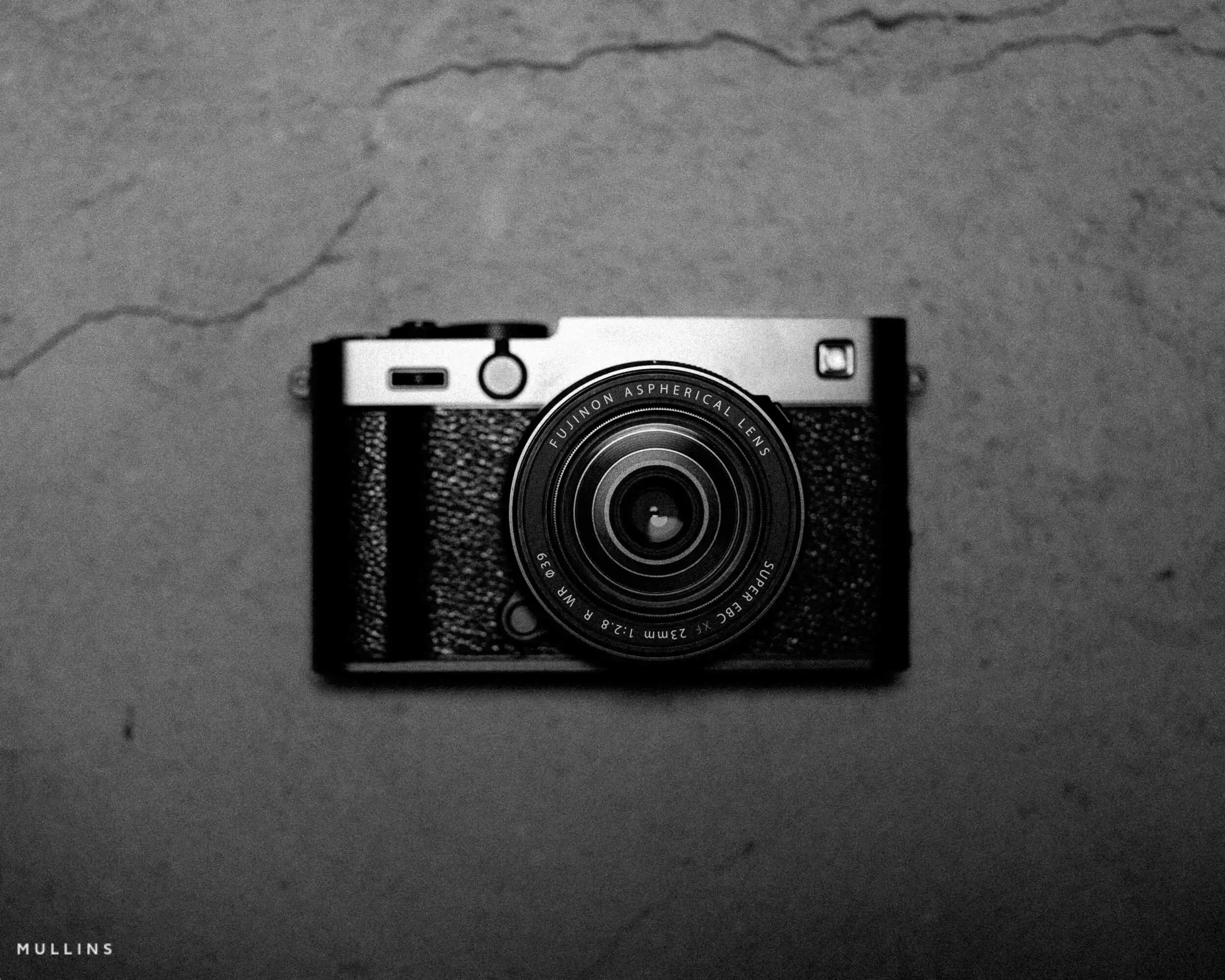
Fujifilm X-E5 with XF23mm F2.8 R WR Lens Attached
Top 5 Fujifilm X-E5 lenses at a glance
Fujinon XF23mm F2.8 R WR: tiny, tidy and probably the most natural partner for the X-E5.
Fujinon XF27mm F2.8 R WR: another compact option, but with a slightly tighter view that many people will find very easy to live with.
Fujinon XF35mm F1.4 R: older, imperfect, and still one of the most characterful lenses Fujifilm has ever made.
Fujinon XF16mm F2.8 R WR: the wide option in this list, ideal for travel, street and a broader set of images.
Viltrox AF 75mm F1.2 XF: the longer lens of the group, and the one that gives the little X-E5 a surprisingly serious edge.
Honourable mention - Viltrox AF 9mm F2.8 XF: not for everyone, but brilliant fun if you like bold, dramatic perspectives.
Fujinon XF23mm F2.8 R WR
If you were buying the Fujifilm X-E5 and wanted one lens to make the whole camera feel as neat and coherent as possible, I think this would be the obvious place to start.
The XF23mm F2.8 R WR suits the camera so well, and it’s no coincidence that this lens was launched around the same time as the camera.
It is small, light, unobtrusive, and it keeps the whole setup feeling like the sort of thing you can pick up on the way out of the door without giving it too much thought.
That’s important with a camera like the X-E5, which may be some people’s only camera and not necessarily part of a professional kit.
One of the big appeals of this body is that it can be a genuinely compact, take-anywhere camera without feeling compromised. Put the right lens on it and the whole system feels balanced and fit for purpose. This is one of those lenses.
The focal length helps, too. At roughly a 35mm full-frame equivalent, it sits in that very comfortable middle ground where you can use it for day-to-day life, street photography, travel, family photographs, details, and the sort of general photography that many of us probably do most often.
It is wide enough to tell a bit of the story, but not so wide that everything starts to feel stretched or overly busy.
What I like most about a lens like this on the X-E5 is that it does not ask much of you. It does not turn every outing into a “portrait session”, and it does not make the camera feel more serious than it needs to be.
It just lets the X-E5 be what it is best at: a smart, compact, very enjoyable camera to carry and use.
If you are the sort of photographer who likes one camera, one lens, this is probably the cleanest match in the list.
Where it fits best
Everyday carry, street photography, travel, family life, documentary-style shooting, and general walkaround use.
The trade-off
The upside here is portability and balance. The trade-off is that it is not the lens in this list with the most obvious character or the most dramatic look. That is not really the point, though. This is the lens that makes the X-E5 feel complete.
This article is part of my Fujifilm Learning Hub.
A growing collection of real-world guides, camera setup tips, lens suggestions by use-case, practical assignments, and buying advice with examples.
Prefer to see everything I write, brand-agnostic pieces on documentary & street work, reviews, tips, and the business of photography? Browse Main Articles & More.


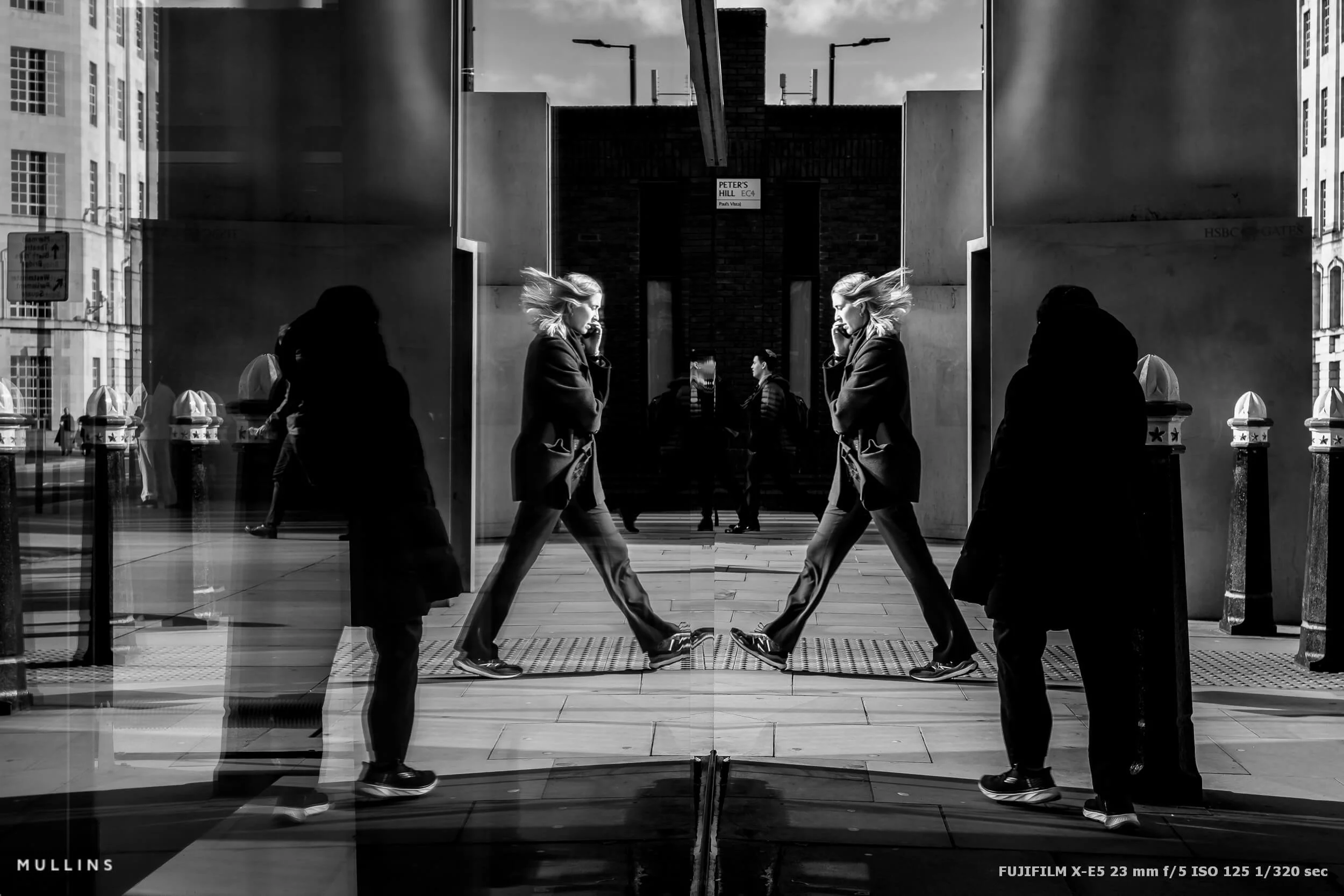
Why the XF23mm F2.8 works so well on the X-E5
It keeps the camera compact: which is a big part of the X-E5’s appeal in the first place.
The field of view is easy to live with: wide enough for context, but not so wide that everything feels stretched.
It suits everyday photography: from travel and street work to family moments and general carrying about.
It makes the X-E5 feel complete: perhaps more than any other lens in this list if what you want is a simple, balanced setup.
Fujinon XF27mm F2.8 R WR
If the XF23mm F2.8 is the lens that gives the Fujifilm X-E5 a slightly longer, classic everyday feel, the XF27mm F2.8 R WR actually makes the camera feel even more discreet. It’s so small that it almost disappears on the front of the camera.
I think this lens can make a lot of sense on the X-E5 because it supports what the camera is trying to be. Small, capable and easy to carry. It is the sort of combination that would suit somebody who wants an interchangeable lens camera but with a slightly uncommon focal length.
The focal length is interesting. At roughly a 40mm full-frame equivalent, it is slightly tighter than the 23mm, a little less obviously wide, and perhaps a touch more neutral in the way it sees scenes.
Some people really get on with that. It can feel a bit more intimate than a 35mm equivalent, but without becoming a portrait lens as such.
That is why I have included it here, even though I have not used this exact lens-and-camera combination for the sample images in this article. I do own both, and I think it is such an obvious fit for the X-E5 that it would have felt odd to leave it out.
On paper and in the hand, it is one of the most logical pairings for the body.
For travel, casual day-to-day shooting, street work, and the sort of photography where you just want the camera to stay out of the way, I think this would be one of the strongest options in the whole system.
Where it fits best
Travel, street photography, everyday carry, casual documentary work, and photographers who want the X-E5 to stay as small as possible.
The trade-off
The obvious strength is size. The trade-off is that it is perhaps not the lens in the list with the most distinct personality. It is more about practicality, balance, and ease of use. But then, that is often exactly what makes a lens useful.

Fujifilm XF27mm F2.8 R WR attached to my Fuji X-Pro3 Camera
Why the XF27mm F2.8 deserves a place on this list
It suits the X-E5 beautifully: few lenses match the compact spirit of this camera quite so naturally.
The focal length is very easy to live with: slightly tighter than 23mm, but still flexible enough for day-to-day photography.
It keeps the whole setup discreet: ideal for travel, street photography, and carrying all day without thinking about it.
If the 23mm and 27mm options are about keeping the X-E5 compact and easy to use, the next lens takes things in a slightly more characterful direction.
Fujinon XF35mm F1.4 R
The original Fujinon XF35mm F1.4 is, I think, one of those lenses that still has a special place in the Fujifilm system.
Fujifilm itself even calls it “The Original”.
It is not the newest. It is not the fastest to focus. It is not the most clinically perfect lens Fujifilm has ever made. And yet, it has something about it that keeps people coming back.
On the Fujifilm X-E5, this lens changes the camera's feel a little. It is still a small enough combination to carry comfortably, but it adds more purpose, I think. More of a sense that you are choosing a look rather than simply picking the smallest possible everyday setup.
That is exactly why I included it here.
With its roughly 50mm full-frame equivalent field of view, the XF35mm F1.4 sits in a very familiar place for portrait photographers.
It feels natural, but it also gives you a little more separation from the wider options earlier in this list. For portraits in particular, I think it makes a lot of sense. It has enough depth and character to lend images a bit of softness and personality without feeling overtly stylised.
This is the lens in the list I would be happiest using for portraits. Not because it is technically the best portrait lens Fujifilm has ever made, far from it, but because it gives a lovely balance of size, rendering, and character.
On a camera like the X-E5, that is important. It keeps the setup somewhat still, like an everyday camera, but adds a bit more soul when you want it.
There is also something slightly old-school about this pairing, and I mean that in a good way.
The X-E5 has a certain rangefinder-style appeal, and the original 35mm f/1.4 fits that mood perfectly. I’ve loved using my Fuji X-E5 with the original 35mm F1.4 lens they are a wonderful fit together.
Where it fits best
Portraits, everyday photography, documentary work, detail shots, travel, and anyone who wants a more characterful look without making the camera feel too oversized.
The trade-off
This is not the most modern lens in the system; in fact, it was released in 2012. Autofocus is not as blistering as modern lenses, and if your priorities are absolute speed and precision above all else, there are newer options.
But if you care about feel, rendering, and that slightly less polished look that some lenses seem to have, this one is still very easy to love.
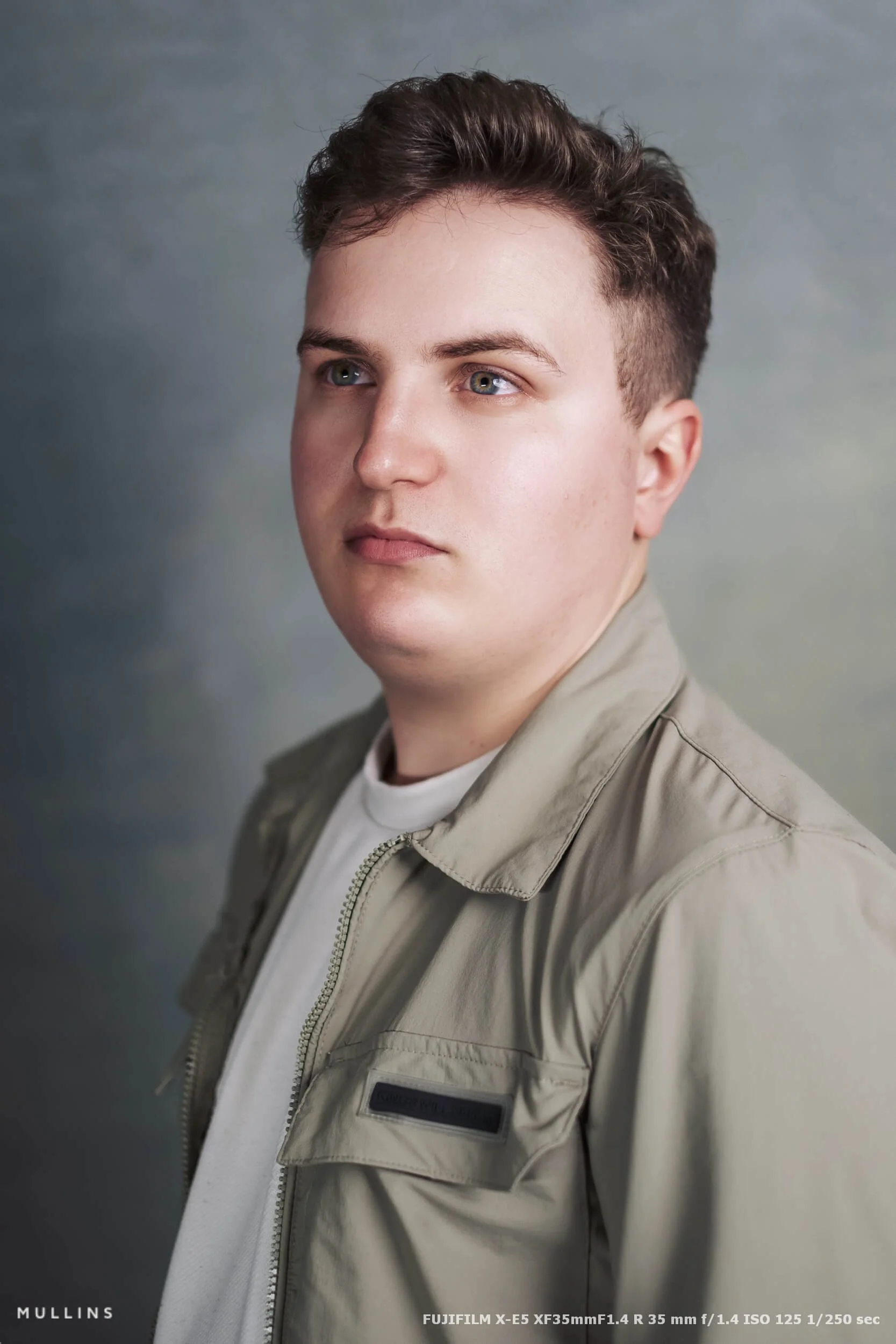

Why I still love the original XF35mm F1.4
It has real character: it offers a look not easily matched by modern Fuji lenses
It suits portraits beautifully: especially if you want a natural look with a bit of softness and soul.
It matches the X-E5’s personality: this is a pairing that feels really enjoyable together.
It is not perfect, which is part of the point: newer lenses may be cleaner or quicker, but this one still has a charm that is hard to beat
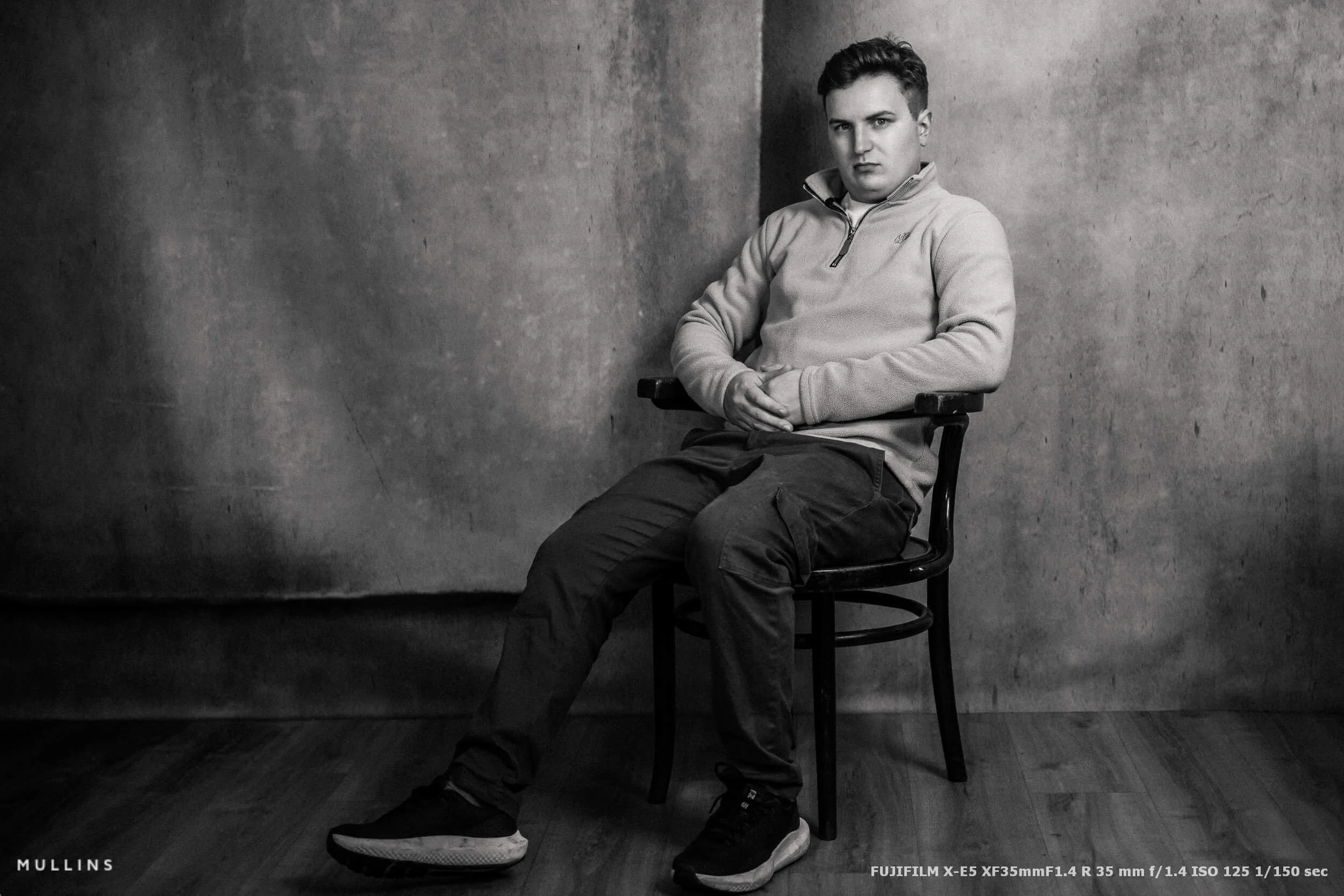
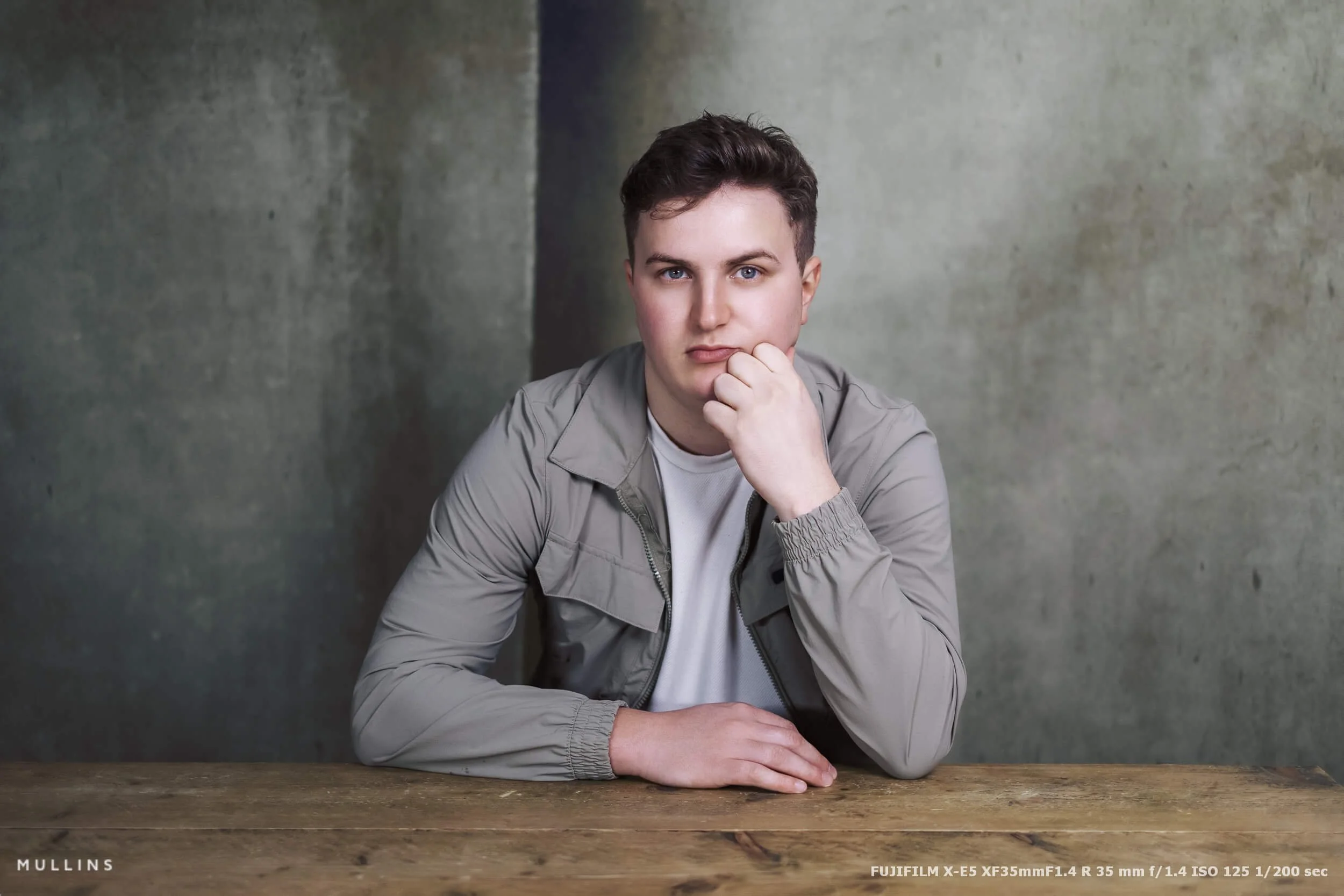
If the 35mm f/1.4 is the lens on this list with the most character, the next one goes in a different direction, leaning into width, space, and a stronger sense of environmental place.
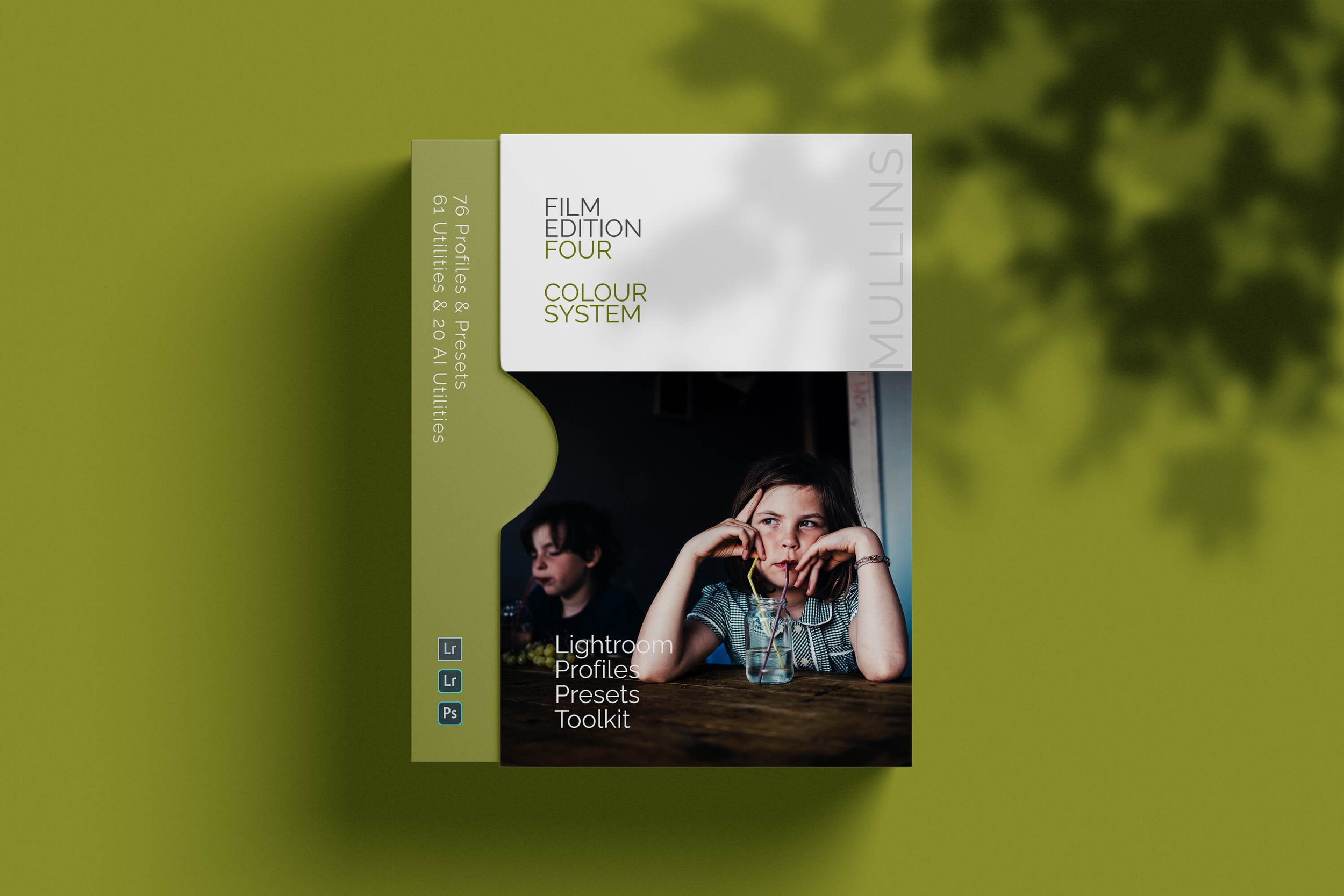
Edited with My Lightroom Presets
All of the images in this post have been edited using my own Lightroom Presets. I mention that not as a sales pitch, really, but because the finished look is very much part of how I want these files to feel - clean, filmic, and consistent without looking overworked.

Fujinon XF16mm F2.8 R WR
Every list like this probably needs one lens that widens things out a bit, and for me, the Fujinon XF16mm F2.8 R WR is the obvious choice.
On the Fujifilm X-E5, it will give you a noticeably broader view without dragging the camera too far away from what makes it appealing in the first place.
That is really the key here. There are wider lenses in the system, such as the 14mm and 10-24mm, and there are faster ones too, but not all of them will feel especially at home on a small body like the X-E5.
The XF16mm F2.8 keeps things pretty tidy. It still feels like a sensible, portable setup, just one that happens to see more of the environment.
At roughly 24mm full-frame equivalent, it is wide enough to quickly add context to the photo. That makes it a strong option for travel, street photography, city scenes, interiors, and any kind of shooting where the surroundings matter as much as the subject.
If the 35mm f/1.4 is about character and the 23mm f/2.8 is about balance, the 16mm is definitely more about space.
I also think it would appeal to anyone who wants the X-E5 to become a proper walkabout camera for places rather than just people.
Architecture, alleyways, markets, station platforms, coastlines, cafes, hotel rooms, all that sort of thing. It gives you more room to describe the environment, but without becoming so extreme that everything starts to feel distorted (unless you are quite careless with it).
That, perhaps, is why it earns its place here. It broadens what the X-E5 can do without ruining the balance of the setup.
Where it fits best
Travel, street photography, city scenes, architecture, interiors, environmental documentary work, and photographs where a stronger sense of place matters.
The trade-off
The obvious trade-off is that a wider lens asks a bit more of the photographer. Composition matters more. Edges matter more. Background clutter matters more.
It is not as forgiving as the 23mm or 35mm. But if you like working with context and structure, that is exactly why it is worth having.
Why the XF16mm F2.8 belongs on this list
It adds width without adding bulk: which is exactly what you want on a body like the X-E5.
It gives the camera a different job to do: ideal for travel, architecture, interiors and scenes where place matters.
It keeps the setup balanced: wider options exist, but not all of them suit the compact spirit of the X-E5 quite as well.
It makes the list more complete: because not every X-E5 user wants a normal lens or portrait lens all the time.
If the 16mm is the lens here that brings more of the scene into view, the next one does almost the opposite and gives the X-E5 reach, speed, and a very different kind of versatility.
Viltrox AF 75mm F1.2 XF
The Viltrox AF 75mm F1.2 XF is perhaps the outlier in this list; at least at first glance, it might not seem a lens suited to the X-E5.
It is bigger, heavier, and a lot less discreet than the other lenses here, so if your only goal is to keep the Fujifilm X-E5 as small as possible, this is obviously not the one. But that is not really why it deserves a place.
I wanted this lens in the list because it shows a different side of the X-E5.
Not every lens choice for this camera has to be about making it tiny.
Sometimes the better question is whether a lens adds a useful capability without making the whole setup feel ridiculous. I think the Viltrox 75mm F1.2 does that very well.
Yes, it changes the camera's character. Yes, it makes the setup larger. But it also gives you reach, speed, subject separation, and autofocus performance that can be very useful in the right situations.
In my case, this is not really a portrait lens on the X-E5. The lens I would reach for first for portraits in this group is still the original XF35mm F1.4.
The 75mm, for me, is more about action and distance. I have used it for photographing my daughter riding her horse and, on the X-T5, a lot of Judo, and that is exactly the sort of situation where it comes into its own.
You have a bit more room to work, you can isolate the subject beautifully, and the faster autofocus makes far more sense than it would in a slower, more static portrait setting.
That is why I think it earns its place here.
It is not the obvious pairing for the X-E5, but it is very useful. If you shoot children running about, horses, dogs, outdoor activity, performances, the less frantic variety of sport, or simply want more compression and separation from farther back, this lens gives the X-E5 a very different kind of usefulness.
Where it fits best
Action, outdoor family moments, performances, weddings, subject isolation, longer-distance shooting, and any situation where reach and autofocus speed matter more than keeping the setup compact.
The trade-off
The trade-off is obvious enough. This is not a small-lens pairing. It changes the X-E5's balance and moves the camera away from its most compact, understated self. I suggest you try this lens before buying - just to check if the weight combination works for you.
But if you are prepared to accept that, you get reach, speed, and a look that none of the smaller lenses on this list can really match.


Why the Viltrox 75mm F1.2 makes sense on the X-E5
It gives the camera reach: useful when you cannot, or simply do not want to, get physically close.
It is strong for action: especially in situations like equestrian photography, outdoor family moments, or any moving subject with a bit of space around it.
It adds subject separation: giving the X-E5 a very different look from the smaller everyday lenses in this list.
It proves a point: the X-E5 may be compact and stylish, but it can still handle more serious jobs when needed.
And then, just before the wrap-up, I wanted to include one honourable mention for a lens that takes things in a completely different direction again. It is not a lens I would call essential for every Fujifilm X-E5 owner, not even close, but it is one that can be enormous fun if you enjoy a more dramatic way of seeing.
Honourable Mention: Viltrox AF 9mm F2.8 XF
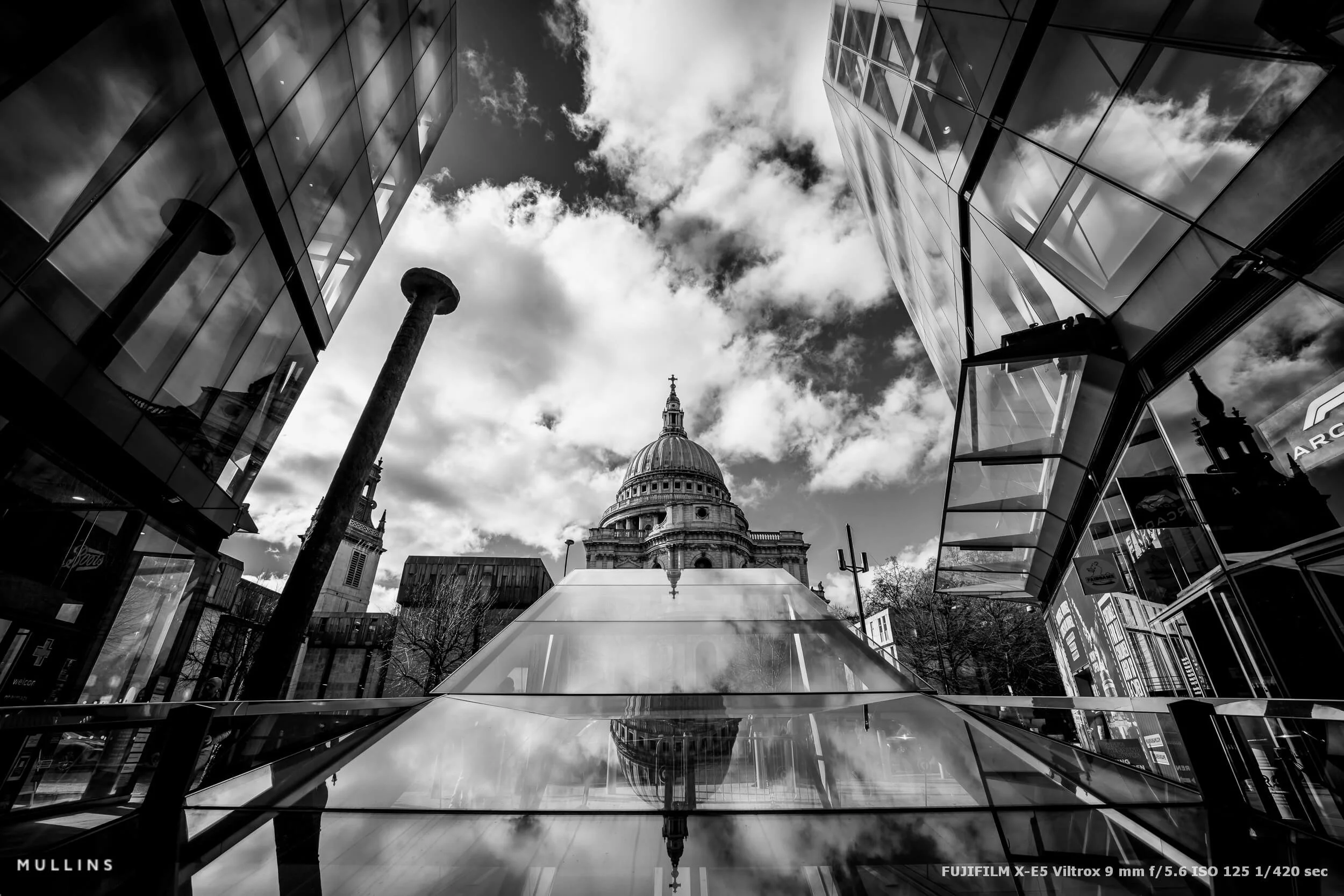
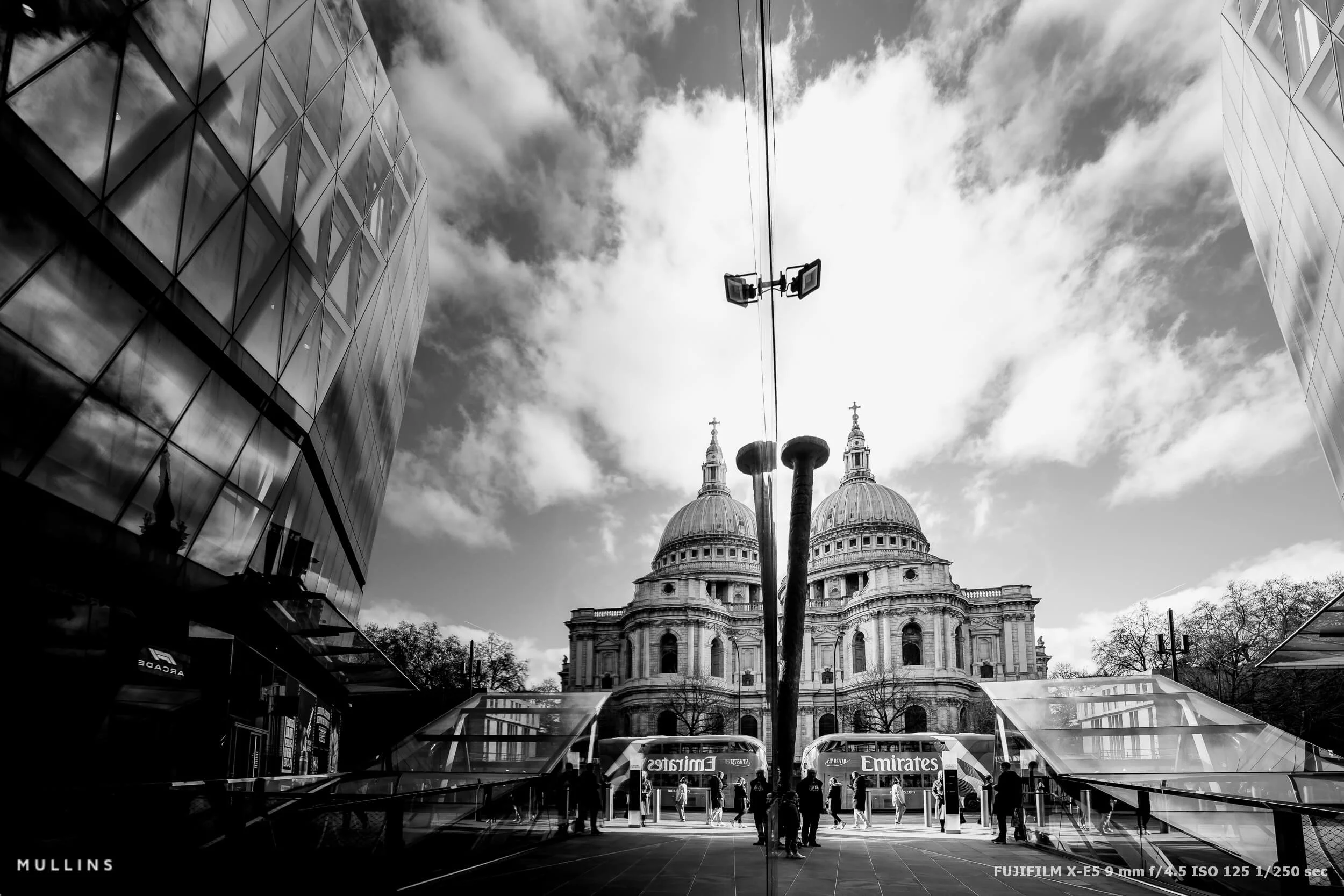
The Viltrox AF 9mm F2.8 XF is not the sort of lens I would recommend as a first purchase for the Fujifilm X-E5, which is exactly why I have kept it as an honourable mention rather than putting it in the main five.
That said, I do think it deserves a mention because it offers something really different.
This is a lens for photographers who enjoy playing with perspective. At this focal length, everything changes. Foregrounds become far more important, backgrounds stretch away, lines become more dramatic, and ordinary scenes can suddenly look far more dynamic than they do to the eye.
Used carelessly, it can all become a bit much. Used well, though, it can be brilliant fun.
On a camera like the X-E5, I think a lens like this works best when you accept it for what it is. This is not your everyday lens. It is not your portrait lens.
It is not the one you leave on the camera for the entire week. It is the one you take when you want to be a bit more playful, or when you know you are heading somewhere visually interesting and want to exaggerate the sense of space.
That could mean architecture, dramatic interiors, street scenes with strong leading lines, travel photographs where the environment matters as much as the subject, or simply moments when you want a picture to feel more immersive than usual.
It is a specialist lens, really, but that does not make it a silly purchase given its price point. Sometimes a specialist lens is exactly what shakes you out of doing the same thing over and over again.
I would not build an X-E5 kit around this lens, but I am very glad it exists.
Where it fits best
Architecture, interiors, dramatic travel photographs, bold street work, tight spaces, and any situation where you want to exaggerate depth and perspective.
The trade-off
The trade-off is that this is a very particular look. It is easy to overuse, and it is not nearly as flexible as the other lenses in this article. But that is also why it can be so refreshing now and then.
Why the Viltrox 9mm is an honourable mention
It offers something completely different: this is the lens in the list for drama, depth and exaggerated perspective.
It can be huge fun: especially for architecture, travel, interiors and visually busy street scenes.
It is not an everyday lens: which is why it sits outside the main top five rather than inside it.
It is best used with intention: when you want a picture to feel bold and immersive rather than simply natural.
So those are my top five lenses for the Fujifilm X-E5, plus one honourable mention for good measure.
And, as is often the way with Fujifilm, the interesting thing is not just which lenses are best on paper, but which ones make the camera feel most enjoyable and most useful in real life.
Best lenses for the Fuji X-E5 — comparison table
| Lens | Best for | Why it suits the X-E5 | Trade-off |
|---|---|---|---|
| Fujinon XF23mm F2.8 R WR | Everyday carry, street, travel | Keeps the camera compact, balanced and very easy to carry. | Less characterful than some of the other options here. |
| Fujinon XF27mm F2.8 R WR | Travel, discreet shooting, everyday use | One of the neatest and most logical pairings for the body. | More practical than distinctive, perhaps. |
| Fujinon XF35mm F1.4 R | Portraits, character, general use | Adds personality and a slightly more soulful look to the X-E5. | Older lens with less modern autofocus performance. |
| Fujinon XF16mm F2.8 R WR | Travel, architecture, wider scenes | Adds width without making the setup feel oversized. | Less forgiving compositionally than the 23mm or 35mm. |
| Viltrox AF 75mm F1.2 XF | Action, reach, subject separation | Gives the X-E5 speed, reach and a very different kind of versatility. | Much larger and less discreet than the others. |
| Viltrox AF 9mm F2.8 XF | Architecture, interiors, dramatic perspective | Offers a bold, specialist option for creative shooting. | A very specific look, not an everyday lens. |
Summary
If I were buying the Fujifilm X-E5 and wanted the lens that makes the most immediate sense, I think I would start with the XF23mm F2.8 R WR. It just feels right on the camera.
Small, balanced, easy to live with, and ideal for the sort of day-to-day photography that a body like the X-E5 invites.
That said, the lens I find most interesting in the list is probably the original XF35mm F1.4. It gives the camera a slightly different personality. A bit more character, a bit more warmth. For portraits in particular, that would be my own pick from this group.
If I wanted a two-lens kit, I think I would go one of two ways.
For a compact setup, I would choose the XF23mm F2.8 and the XF35mm F1.4. That gives you a small everyday lens and then a slightly more characterful option when you want a different look.
If, on the other hand, I wanted the X-E5 to cover a broader range of jobs, I would be tempted by the XF23mm F2.8 and the Viltrox AF 75mm F1.2.
That is a less tidy pairing, perhaps, but a very useful one.
One keeps the camera small and flexible for everyday use, while the other gives you reach, speed and proper subject separation when you need something more specialised.
And I think that is really the point of the Fujifilm X-E5. It can be a beautifully compact everyday camera, but it does not have to be limited to that. With the right lens, or two, it can become a very capable and very enjoyable little system.
FAQ
-
For me, the best all-round lens for the Fujifilm X-E5 is the XF23mm F2.8 R WR. It keeps the camera small, balanced and easy to carry, and the focal length is flexible enough for street photography, travel, family photographs and general day-to-day use.
-
Out of the lenses in this article, I would choose the original XF35mm F1.4 for portraits. It has a lovely character to it and gives portraits a natural look with a bit of warmth and personality. It is not the most modern lens in the system, but it is still one of the most enjoyable.
-
Yes, it can. A lens like the Viltrox AF 75mm F1.2 XF clearly changes the balance of the camera, but it also gives the X-E5 more reach, faster autofocus and stronger subject separation. So while the camera perhaps feels most at home with smaller primes, it can still work very well with larger lenses when the job calls for it.
-
Yes, I think it is one of the most logical pairings for the camera. The XF27mm F2.8 R WR keeps the X-E5 extremely compact and gives a slightly tighter field of view than the 23mm, which many photographers find very natural and easy to live with.

A complete black and white Profile, Preset & Workflow Pack for Lightroom
Film Edition 5 - Workflow Series (Monochrome) is a structured set of Lightroom profiles and presets designed to help you achieve a finished monochrome look quickly and consistently.
This is not a random “pick a look and hope” pack. It’s designed as a repeatable workflow you can run on a full set of images, with fixes and finishing tools when you need them.
If you edit regularly in Lightroom, you already know the problem. You want a strong black-and-white style, but you also need it to behave consistently across different scenes, lighting conditions, and subjects. This pack is designed to help you move fast without the work looking rushed.
You start with one of the custom monochrome profiles to establish the tonal foundation, then shape the image with workflow presets that are designed to work with that profile rather than fight against it. From there, you can use the included Toolkit for things like AI masking, grain, curves, highlight control, sharpening, finishing touches, and everyday problem-solving inside Lightroom. The product page positions the pack exactly this way, with the profile first, workflow second, then utilities and finishers to refine only when needed.
Built for speed and consistency
If you edit your photos in Lightroom, you already know the problem: you want a strong monochrome style, but you also need it to work across different scenes without constant fighting.
This pack helps you move fast without the work looking rushed.
Fast workflow: fewer decisions, clearer steps.
Consistent results: the set hangs together as a series.
Film-inspired tonality: depth, shape, and texture without the “preset look”.
Useful fixes included: real-world Lightroom problems, solved quickly.
What’s included
11 custom monochrome profiles
20 one-click presets
128 Mullins Lightroom Toolkit presets, including AI masks, fixes, utilities, grain, tone curves, colour helpers, sharpening and finishers
Compatibility
Works with Lightroom Classic and Lightroom Desktop. AI Mask presets require Lightroom Classic 11.0+ or Lightroom Desktop 5.0+.
Three for Two Offer
All preset packs are included in the 3-for-2 offer. Add any three preset packs to your basket, and the cheapest one is free at checkout.