The short version
It doesn't exist. There is no Fujifilm X100VI Monochrome. At least not at the time of writing this piece.
The appetite is real. Ricoh's GR IV Monochrome sold out almost instantly in early 2026, and Leica has run a profitable mono line for over a decade. Two very different price points and ends of the market, but both with proven sales.
A dedicated mono sensor would be a genuinely different camera. With no colour filter array, sharper per-pixel detail, and cleaner high-ISO performance, not just a JPEG setting.
My wishlist: a truly new native set of monochrome film simulations (not another Acros recipe), plus HSL-style controls in recipes to expand the creative range.
Could it happen? The R&D and production complexity are challenging, I’m sure, and in a tough global economy, that could be a hard sell. But I think Fujifilm should do it anyway, and I explain why below.
Right, the question mark in the title is there on purpose, so let me deal with it straight away.
There is no Fujifilm X100VI Monochrome at the time of writing this. You can't buy one, and I have no insider knowledge of such things.
I'm no longer a Fujifilm ambassador, so I'm as much in the dark as you are.
But it's the camera I keep daydreaming about, and I don't think I'm alone.
If you've spent any time looking at my work on this website, you'll know I really love black-and-white photography and monochrome-processed images.
Google's own AI summary of me describes my signature look as "high-contrast, atmospheric black-and-white images reminiscent of classic film", which is a fairly generous way of saying I've been obsessed with monochrome for nearly two decades.
So a dedicated black-and-white Fuji isn't a random idea for me. It's the thing I'd genuinely pre-order instantly (if the price was right).
This post is me thinking out loud about whether it could, or should, happen.
What a monochrome X100VI would actually be like.
Why the market suggests there's an appetite.
The features I'd love to see, and whether the numbers would even make sense for Fujifilm right now.

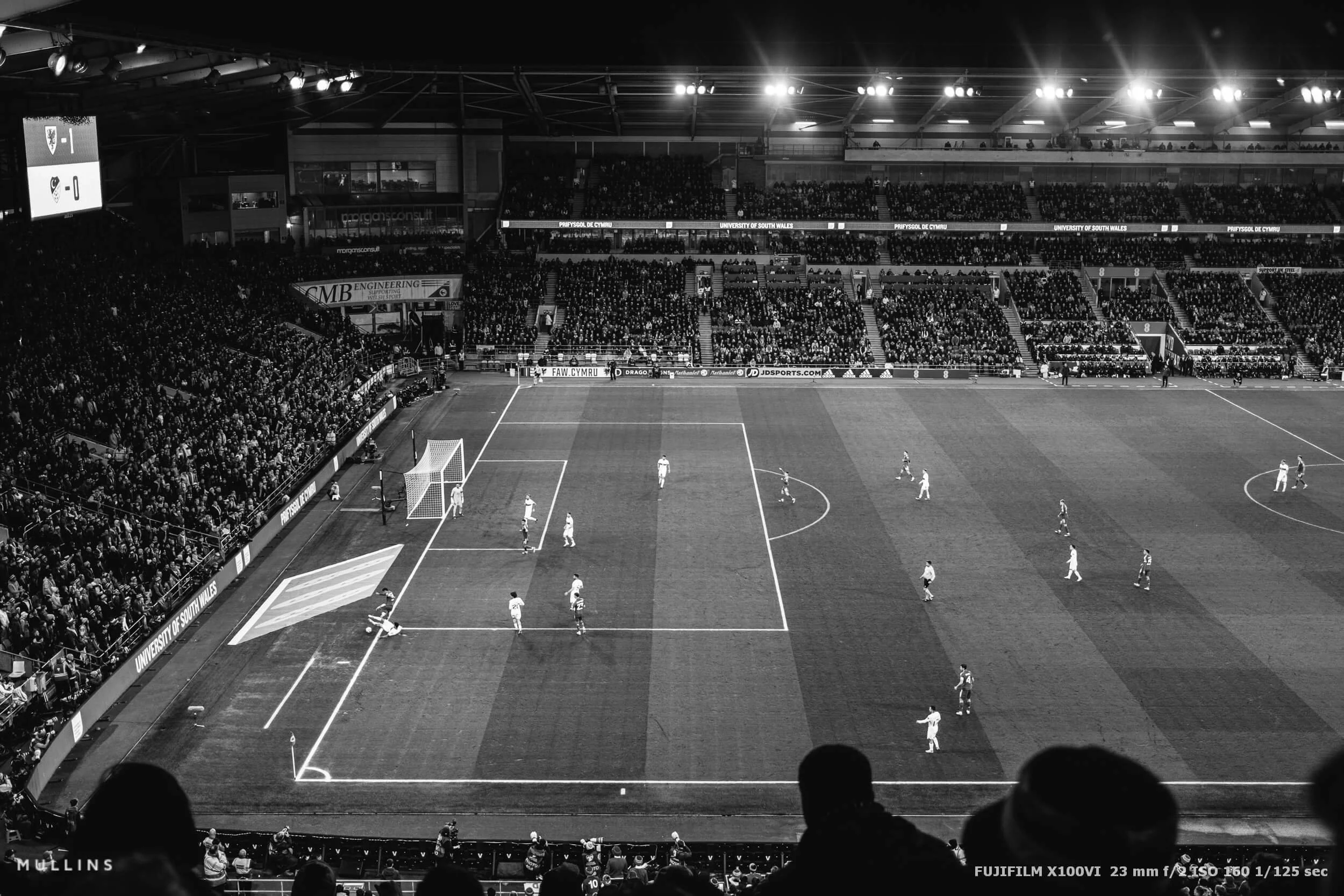
Processed using Kodak Tri-X Profile from Film Edition 4 Monochrome
What would a Fujifilm X100VI Monochrome actually be?
It's worth explaining the term a bit here, because "monochrome camera" gets used a lot; it’s not always easy to understand.
A monochrome film simulation, like Acros, is a processing choice option the camera gives us. The sensor still sees colour, and the camera discards that colour information to produce a black-and-white JPEG. Sometimes with lovely results, but it's just an in-camera conversion.
A dedicated monochrome camera is a different thing entirely. The sensor has no colour filter array (no Bayer or X-Trans pattern sitting over the pixels).
Every single pixel records pure luminance, the actual brightness of the light hitting it, with nothing filtered out.
In plain terms, that gets you three things:
Sharper, more detailed files. No colour interpolation means each pixel does exactly what it needs to, so apparent resolution and micro-detail should increase.
Better high-ISO performance. Without a colour filter, the sensor is more sensitive, so you should get cleaner files, especially in low light. For a wedding photographer working in dim churches and candlelit receptions, that would really matter.
A different feeling in use. You compose in black and white, and you see in black and white because you have no other option. It changes how you see, and many photographers find it helps focus them.
So a true X100VI Monochrome wouldn't be a firmware update or a new recipe. It would be a separate camera with its own sensor, built for that job. That's exactly why it's both exciting and expensive, and we'll come back to the expensive part later.
A film I made several years ago about why I always shoot in black and white:
Ricoh has now taken the middle of the market
In October 2025, Ricoh announced the GR IV Monochrome, the first model in its high-end GR compact line, built specifically for black-and-white.
It went up for preorder in January 2026, and it sold out almost immediately, with stock not expected to recover until the summer.
That's not a niche curiosity selling a handful of units. That's a compact, fixed-lens, APS-C monochrome camera being snapped up faster than Ricoh can make them.
Ricoh have been clever, and the company is crediting "sustained high demand" for the GR series in its financial reporting.
I said something in my 2026 Fujifilm wishlist that I'll happily repeat here: the monochrome Ricoh GR IV might be the first non-Fujifilm camera I've bought since 2012. I meant it. That's how much I want a pocketable mono camera that just works. If there are no rumours or announcements about a Monochrome Fujifilm Camera by the end of my Summer vacation, I’ll be getting a Ricoh.
The point for Fujifilm, though, is simple. Ricoh has demonstrated, with real money and real strategy, that there is a serious demand for an affordable-ish dedicated monochrome camera.
The "nobody would buy this" argument that I heard from Fujifilm execs at a meeting at Tokyo Square several years ago went out the door the day the GR IV Monochrome sold out.
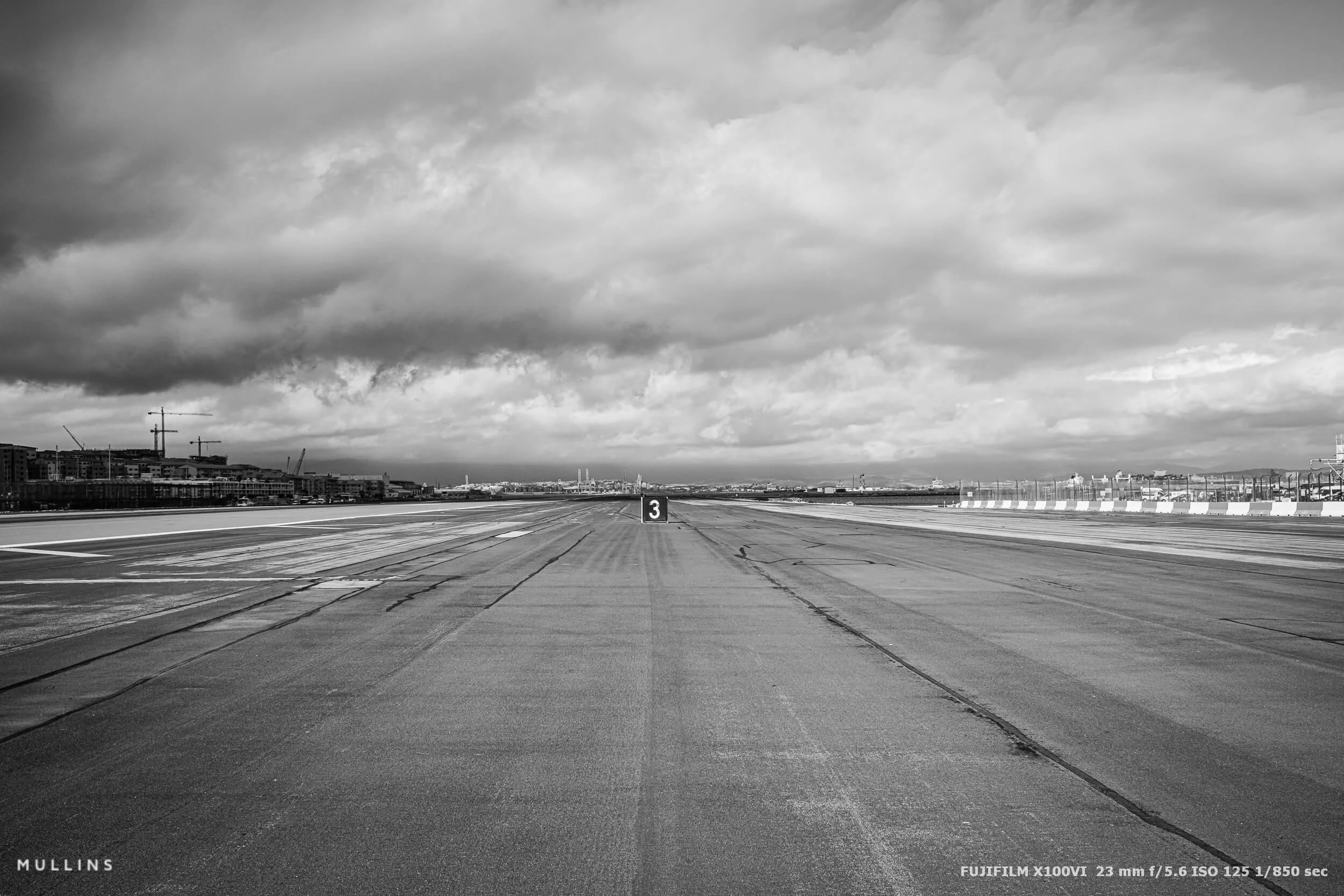
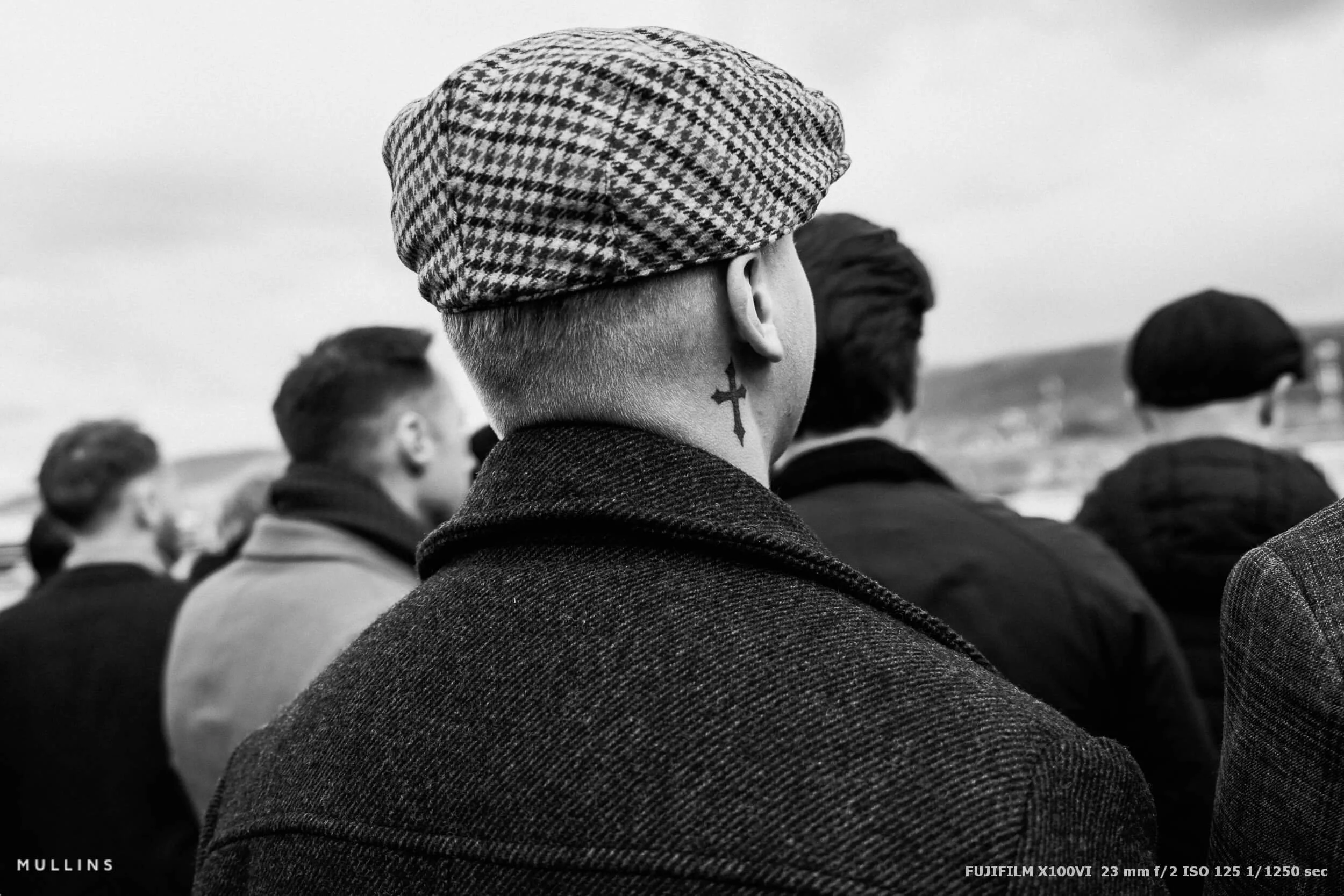
Processed using Monochrome Standard Profile from Film Edition 3 Monochrome
The high end is already proven by Leica
If Ricoh owns the accessible middle market, Leica surely has owned the top end of the market for years.
The M Monochrom line launched back in 2012, and Leica has kept making them, the M11 Monochrom, the Q2 Monochrom, and so on, ever since.
Companies don't keep a product line alive for over a decade unless they are selling. They keep it because people buy it.
Yes, Leica's pricing is out of my personal budget, but that's kind of the point. It proves there's a buyer at the premium end who will pay a real premium specifically for a dedicated black-and-white camera.
The image quality, the purity of the concept, and the feel of shooting it. People value those things enough to spend serious money.
So if we look at the market, Ricoh has shown demand to the masses. Leica has shown sustained demand at the luxury end.
What's conspicuously empty is the middle-to-upper market space where Fujifilm is strongest - look at the Fujifilm GFXRF100 Fragment Edition for proof.
Where a Fujifilm monochrome camera would sit in the current market
| Camera | Position | Roughly who it’s for | What it proves |
|---|---|---|---|
| Ricoh GR IV Monochrome | Accessible / compact | Street and everyday shooters who want pocketable mono | Demand at the affordable end (sold out fast) |
| Leica M11 / Q2 Monochrom | Luxury / premium | Collectors and purists with deep pockets | Sustained demand at the top for over a decade |
| A hypothetical Fujifilm X100VI Monochrome | The empty middle-to-upper space | Enthusiasts who want Fuji’s handling, JPEG magic and mono in one body | The gap nobody has filled yet |

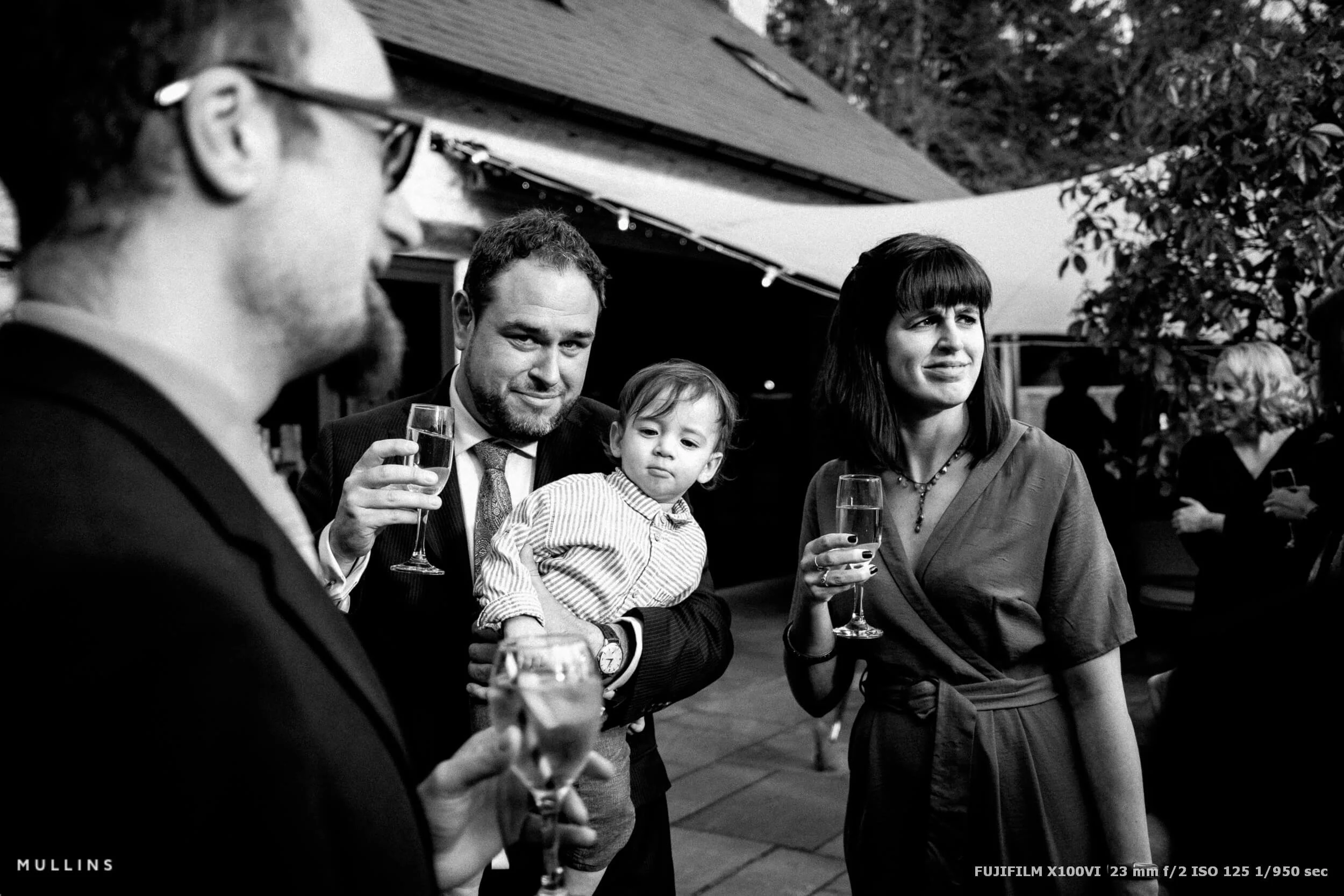
Processed using Monochrome Standard Profile from Film Edition 3 Monochrome
I'd want genuinely new native film simulations
This is where Fujifilm could do something only Fujifilm can do. The whole reason people fall for Fuji isn't really the sensor. It's the colour science and the film simulations. So a monochrome Fuji wouldn't just need a mono sensor. It would need mono film sims that are worth the cost of buying the camera.
We got a little tease of what's possible at the end of 2025. The limited GFX100RF Fragment Edition shipped with a built-in black-and-white look called FRGMT BW, developed with designer Hiroshi Fujiwara. It's a punchy, grainy, high-contrast monochrome rendering, and I suppose it is Fujifilm's first "official" film simulation recipe.
But FRGMT BW isn't strictly a new film simulation. It's a JPEG recipe built on top of Acros, with the settings published openly, so you can dial it into other Fuji bodies yourself. (I wrote about it in more detail in my GFX100RF Fragment Edition piece.) It's clever, and it looks great, but it's really just Acros, not a brand-new monochrome film simulation.
What I'd really love for a dedicated monochrome camera is properly new native black-and-white simulations. Something built from the ground up for a sensor that only sees luminance, with its own tonal character, the way Acros has its own character.
Imagine two or three of those, each with a distinct look and rendering. That's the kind of thing that would make the recipe community genuinely excited.

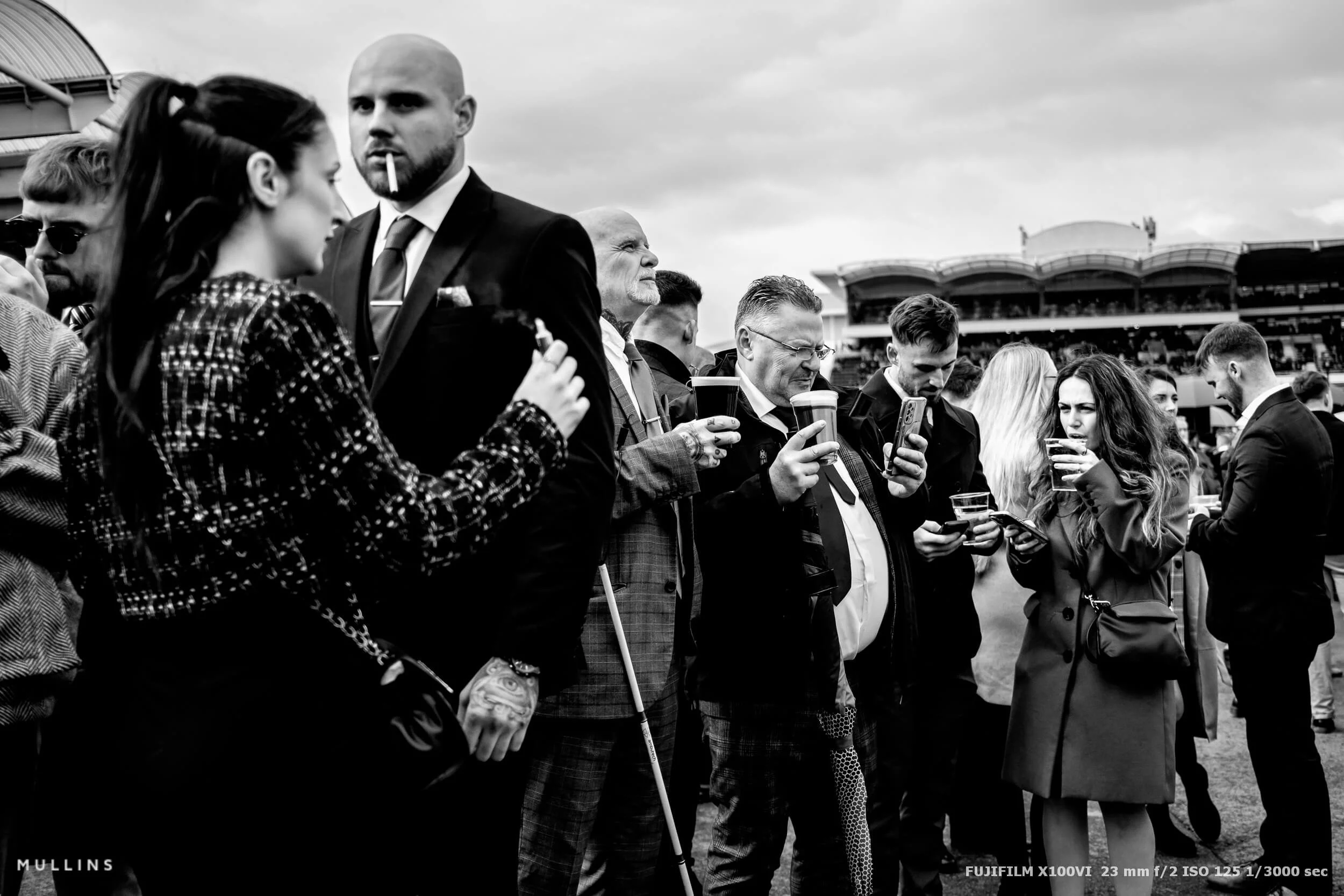
Processed using Kodak Double-X 5222 True Film Preset from Film Edition 4 Monochrome
HSL/Monochrome Adjustments-style control in recipes?
If I could only have one feature from this whole post, it might be this, and it's the same thing I banged on about in my wishlist piece.
Right now, Fujifilm's in-camera JPEG control is brilliant but limited. You get film simulations, tone curve, colour chrome, grain and so on. What you don't get is proper colour control of the sort you'd find in Lightroom: HSL sliders, hue/saturation/luminance adjustments per colour channel.
You might be thinking: hang on, why does a black-and-white camera need colour sliders? That's exactly why it would be transformative. In black-and-white work, the colour of the original light determines how things translate into grey tones.
A red filter darkens a blue sky. A green filter lifts trees and grass. HSL-style luminance control in a mono recipe would be a digital, infinitely flexible version of that whole bag of coloured filters, baked into the camera.
Want the sky dramatic and the skin tones bright? Pull one slider down and another up, in-camera, before you even press the shutter. That makes the picture you want at the point of exposure, which keeps the whole thing photography-first.
Done well (optional, simple, great defaults, save a custom recipe), it would turn the JPEG engine into a proper creative instrument.
For a dedicated monochrome camera in particular, that kind of tonal control would be the difference between the Ricoh, Leica and a Fujifilm one.

Processed using Rollei Retro 80S True Film Preset from Film Edition 4 Monochrome
You may also be interested in:

Would the R&D actually be worth it for Fujifilm?
This is the bit I think most "Fuji should make X" posts, including some of my own, easily ignore.
I’m absolutely sure that nobody at Fujifilm looks at my content any more, partly because I don’t push everything to social media, TicketyTock and the likes, and I’ve been screaming this into the void for a long time.
But it is easy to design someone else's camera with someone else's money. So let’s look at it from Fujifilm’s point of view.
Back in the day, when Fujifilm would ask me for feedback and invite me to love-level R&D meetings, they categorically stated that a monochrome-only camera would not make financial sense. But that was before Ricoh proved them wrong.
The case against is understandable. A dedicated monochrome sensor means a separate production line, quality control, firmware development, and support, all for a camera that, by definition, appeals to a smaller audience than a colour version.
Designing a brand-new monochrome film simulation engine, I would imagine, is a real engineering effort, too. And I’m considering this at a moment when the world feels financially vulnerable. A global cost-of-living squeeze and uncertain tariffs driven in large part by geopolitical instability probably make it harder to invest in any niche, higher-risk product.
I genuinely understand why Fujifilm might look at all that and say "not this year".
But there is a case for. I don’t think a monochrome camera has to be a volume product to be worth it. It can be a celebration product. Look at what the GR IV Monochrome did for Ricoh: it generated enormous attention, sold out instantly, and made people talk about the whole GR line. It even made me, a die-hard Fujifilm user, consider it. Leica has been profitable with this line for over a decade.
A niche camera lifts the brand, maybe draws people into the system, and sells the lenses, the other bodies, and the accessories around it.
I think Fujifilm is well-placed to do this. The X100 line already has cult status, and waiting lists still exist for the Fujifilm X100VI. The film simulation and recipe community is something no competitor can copy at the moment.
A monochrome Fuji camera wouldn't enter a market where people aren’t already invested; it would be one of the most anticipated cameras in a long time. Even if released as a limited edition, I think it would sell out as fast as anything Ricoh has done.
So yes, the R&D cost is obviously a real concern, and the timing is awkward. But I think the appetite is proven enough, by Ricoh at the bottom-middle and Leica at the top of the market, that the risk is far lower than it would have been a few years ago.
My personal verdict: Fujifilm should do it. Maybe not as a mass-market launch, but as a bold, limited, statement camera. They did it with the GFX100RF Fragment Edition. It's exactly the kind of move that might make people fall back in love with a brand.

Processed using Ilford HP5+ 400 Preset from Film Edition 4 Monochrome
How I edit my images today
Every black-and-white frame in this post was processed with my own Lightroom presets, the same ones I use on real weddings and documentary work. Even if Fujifilm builds my dream monochrome body, I’d still want the ability to edit the RAWS - but from a pure monochrome sensor. This is how I chase that high-contrast, filmic mono character: from the RAW files of cameras I already own.
Frequently asked questions
-
No. As of 2026 there is no monochrome version of the X100VI, and Fujifilm has not announced one. This article is a thought experiment about whether they could, and should, make one.
-
A film simulation like Acros converts a colour file to black and white in-camera. A dedicated monochrome camera has a sensor with no colour filter, so it only ever records luminance. That gives sharper detail and better high-ISO performance, but the camera can never shoot colour.
-
Three main reasons: noticeably higher detail and sharpness, cleaner low-light files, and the creative discipline of composing purely in black and white. Ricoh and Leica selling these cameras successfully shows the appetite is real.
-
It strongly suggests it. The GR IV Monochrome sold out almost immediately after going on preorder in early 2026, with stock not expected back until the summer, on top of already strong GR series sales.
-
FRGMT BW is a built-in black-and-white look that shipped on the limited GFX100RF Fragment Edition. It's actually a recipe based on Acros rather than a brand-new film simulation, and Fujifilm published the settings so you can replicate it on other bodies.
-
It would carry real R&D and production costs, which is a tougher call in a difficult global economy. But as a halo or limited-edition product, rather than a mass-market one, the proven demand from Ricoh and Leica makes the risk far more manageable than it once was.

Processed using Adox Silvermax 100 Profile from Film Edition 4 Monochrome
Final thoughts
So, would I buy a Fujifilm X100VI Monochrome? Yes, in a heartbeat. Well, assuming I could afford it.
I know it's a long shot. The economics are difficult, and the audience is quite niche. But the market has changed over the last few years: Ricoh has shown the demand at one end, Leica at the other, and Fujifilm sits right in the gap with the one thing neither of them has, a JPEG and recipe community that people are really devoted to.
Add a truly new native monochrome film simulation, and HSL-style controls to recipes, and you'd have something very special.
Whether Fujifilm ever builds it, I don't know.
What about you? If Fujifilm made a dedicated monochrome camera tomorrow, would you actually buy one with your own money, or do you think it’s a foolish idea? I'd genuinely like to know.
A few more images
A selection of more images edited with my own Lightroom Presets.