

Fujifilm in 2026: probables, possibles, and the stuff I’d love to see

What will 2026 look like for Fujifilm fans?
It’s early 2026 as I’m writing this, which means I can safely do that photographer thing of staring at existing cameras, and pretending I’ve got a crystal ball.
This isn’t a rumours post (I’ll leave that up to the expert). I’m not pretending I know what’s coming, as I’m no longer a Fujifilm ambassador and have as much insider knowledge as you do.
By the way, if you are new here, you might be interested in my Fujifilm Learning Hub.
It’s more of a “what would make sense”, mixed with “what would be brilliant”, with the odd “this would blow my mind” idea sprinkled in.
Because if there’s one thing Fujifilm has always been good at, it’s making cameras that feel like cameras. Photography-first. Dials, feel and a bit of restraint. Perhaps they are not always perfect, but usually interesting.
And 2026 feels like a year where they could really set solid ground in the photography world.
What this article covers
Probables, possibles, and dream cameras for 2026: A personal look at what Fujifilm might realistically release, alongside the longshot ideas photographers would love.
The X-Pro and compact question: Why an X-Pro refresh and a true pocketable street camera (an X70 successor) feel like the two biggest opportunities.
What a new X-Trans generation could prioritise: The real-world gains that are important (readout speed, autofocus confidence, tonal flexibility) rather than just bigger numbers.
JPEG features that could change everything: The in-camera tools I’d love to see, including Lightroom-style colour control that could expand the recipe world.
GFX direction: Where medium format might go next, and how sensor physics limits (and shapes) those dream.
A quick X-Trans timeline (which hints at the future)
This is useful because Fujifilm’s sensor jumps tend to follow patterns. Not always, but often enough that it’s worth looking at.
| X-Trans generation | First seen in | Year | Typical resolution | Notes |
|---|---|---|---|---|
| X-Trans (I) | X-Pro1 | 2012 | 16MP | First X-Trans era. Rangefinder-style body as the launch platform. |
| X-Trans CMOS II | X100S | 2013 | 16MP | Phase detect arrives on-sensor. Fuji iterates quickly on the concept. |
| X-Trans CMOS III | X-T2 / X-Pro2 era | 2016 | 24MP | The big jump to 24MP. Faster, more “modern” APS-C. |
| X-Trans CMOS 4 | X-T3 | 2018 | 26MP | BSI 26MP becomes the workhorse sensor for years. |
| X-Trans CMOS 5 HS | X-H2S | 2022 | 26MP | Stacked sensor approach for speed (40fps headline bursts). |
| X-Trans CMOS 5 HR | X-H2 | 2022 | 40MP | High resolution branch. Better light efficiency and ISO 125 as standard. |
What does that pattern suggest for “X-Trans 6”
If Fujifilm sticks to form, the next sensor jump (call it X-Trans 6, or VI, or whatever marketing name they pick) probably debuts in a body that can justify it.
Historically, Fujifilm likes launching new sensor eras in one of two places:
a flagship “this is the future” body (X-H line has become that)
a headline enthusiast body that sells in volume (X-T line used to be the classic launch pad)
One extra clue, and I think it matters: Fujifilm has shown they’re happy to refresh a camera with a newer processor while keeping an older sensor. The X-T30 III is exactly that: X-Processor 5, but still the 26.1MP X-Trans CMOS 4 sensor.
So in 2026, it wouldn’t surprise me if we see a mix:
One proper “new sensor” launch
Several “new processor, refined body, same sensor” updates around it. Possibly.

Will we see an X-Pro4 in 2026?
The X-Pro4 question (and why it’s complicated)
I’m with you. I want an X-Pro4. I’ve wanted it for ages.
The interesting bit is that Fujifilm publicly acknowledges the demand, but also hints they don’t want it to be a boring refresh. Yuji Igarashi has basically said the plan for X-Pro hasn’t changed, but they’re thinking hard about what it should be.
If I had to guess what makes an X-Pro4 feel “worth it” in 2026, it’s not just “X-Pro3 but faster”.
It’s something like:
the X-T5 / X-E5 era sensor performance (40MP class) in an X-Pro body
better hybrid finder execution (clearer overlay, better info legibility, less compromise)
proper modern autofocus behaviour without turning it into a mini sports camera
one or two genuinely new photographic tools, not video-centric features
And yes, your guess is as good as mine, too.
Fujifilm X-Pro4 Monochrome?
A monochrome-sensor X-Pro4 would be ridiculous and wonderful. Especially now that Ricoh is leaning into a dedicated monochrome GR IV model, planned for Spring 2026.
If the monochrome Ricoh GR IV comes to fruition, it will be the first non-Fujifilm camera I’ve purchased since 2012.
Would Fujifilm do it? I honestly don’t know. It’s niche and increases production complexity. But as a hero product, it would make people talk, and personally, I think there would be enough demand for it.
The X70 successor: X80, X90
This is the other gap I keep coming back to.
There’s a genuine space for a serious, pocketable, photography-first compact that isn’t trying to be a vlogging tool. Ricoh owns that space culturally, though that wasn’t always the case. I loved, and still love, my Fujifilm X70.
Fujifilm could absolutely challenge it if they choose the right philosophy.
If Fujifilm made an “X80” properly, I think it would need:
APS-C X-Trans sensor (not 1-inch)
updated RAW support
a genuinely small fixed lens that’s optimised for that sensor, not just “good enough”, but small enough to keep it pocketable.
quick controls, fast startup, and zero confusion.
Basically, it should feel like a GR competitor that happens to be a Fujifilm, not a Fujifilm that happens to be small.

I desperately need an update to my Fujifilm X70
A proper GR challenger from Fujifilm’s point of view
Ricoh is doing what Ricoh does: taking street photographers seriously. They’ve even publicly committed to a GR IV Monochrome, as mentioned, which is such a pure, bold, and beautiful move.
So what does Fujifilm do?
The most Fujifilm response would not be “match the GR spec-for-spec”. It should be:
beat it on shooting experience
beat it on JPEG colour and mono rendering
make it feel like a camera you want to carry daily
And that brings me onto something I’ve discussed with the Fujifilm engineers in the past - better “computational JPEG editing”.
The JPEG recipe world, blown wide open
If Fujifilm added proper colour control in-camera, it would change everything.
I don’t just mean more Film Simulations. I mean genuinely powerful, photographer-friendly JPEG tools. Something like:
HSL sliders (even if simplified)
proper colour grading controls (shadows/mids/highlights)
a more flexible tone curve tool
local adjustments are probably a step too far, but even global tools would be huge
Done well, this doesn’t turn Fujifilm into a phone camera. It turns the JPEG engine into a creative tool. And it keeps the whole “photography-first” thing intact because it’s still about making a picture, not rescuing one later.
Also, from a selfish point of view, it would make the whole Fujifilm recipe community go absolutely feral, in a very good way.
So many people come to Fujifilm because of the JPEG Recipes and Film Simulations. I’d love to see more work done on this, as they have experimented with on the GFX100RF Fragment Edition.
The X-half idea (and the “X-half Pro” thought experiment)
The X half design is lovely. It’s also, by definition, not a pro tool. It’s using a 1-inch sensor and it’s JPEG-only. Fujifilm’s own spec sheet literally lists JPEG as the still image format and that is absolutely fine. The X-Half is selling like crazy and it’s been a success for Fujifilm.
But my idea is:
An X-half Pro.
Same design language. Same layout. But built around an APS-C X-Trans sensor, with RAW support, a properly sharp compact lens, and just enough speed to make it a real daily camera for people who actually shoot a lot.
The X-Half is a lovely camera to hold and use. Fujifilm could make a potential gold mine with an X-Half Pro.
Why I think it would work:
it would feel different to everything else
it would be a proper street tool, not a novelty
it would be the camera you take when you want constraints, but not limitations
it would look seriously cool
And yes, it would probably annoy some people because it doesn’t fit into neat categories but when has that ever stopped Fujifilm in the past? Which is great for the industry.
Sensor physics: why some of my wishes probably stay that way
This is a bit boring, but it’s the bit that stops some dream cameras from existing.
When people say “just make it smaller but better”, the physics replies with:
bigger sensors need bigger image circles, which means bigger lenses
faster readout (stacked sensors, better processing) costs money and generates heat
higher megapixels usually mean smaller pixels, which can hurt high ISO unless the tech keeps improving
You can see Fujifilm balancing this already in the X-H2 / X-H2S split. One is the high-res idea, one is the speed idea. Same generation with different compromises.
So if (when) X-Trans 6 arrives, I could see a similar philosophy: maybe two flavours again, or at least a clear “this is the speed one” vs “this is the detail one”.

The Fujifilm GFX100RF is a really beautiful camera
Where does GFX go next?
GFX is in an exciting place because Fujifilm has already proven it can make large format more portable without making it feel like a studio brick. I love using my GFX100S in the studio.
They’ve also leaned into faster readout and better processing in the top end. The GFX100 II uses a new 102MP sensor, and Fujifilm explicitly mentions improved readout speed and the X-Processor 5.
And then there’s the GFX100RF, which is basically Fujifilm saying “yes, large format can be a carry-everywhere camera”.
So for 2026, the GFX directions that feel possible are:
more “walk-around” GFX concepts (fixed lens, compact-ish bodies)
continued AF improvements and readout improvements
maybe more creative aspect ratio tools and workflow features, because GFX buyers (like me) actually use that stuff
The less plausible (but fun) idea is a truly high-speed GFX that behaves like an action camera. Medium format physics makes that problematic. It’s probably not impossible, but I imagine expensive and very R&D budget heavy.
A Note about how I edit my RAW Files
If you’d like to see the presets I use all the time (including the images in this post), they’re on my Presets page, and they work on cameras from any brand (not just Fujifilm).

What this might all mean for us
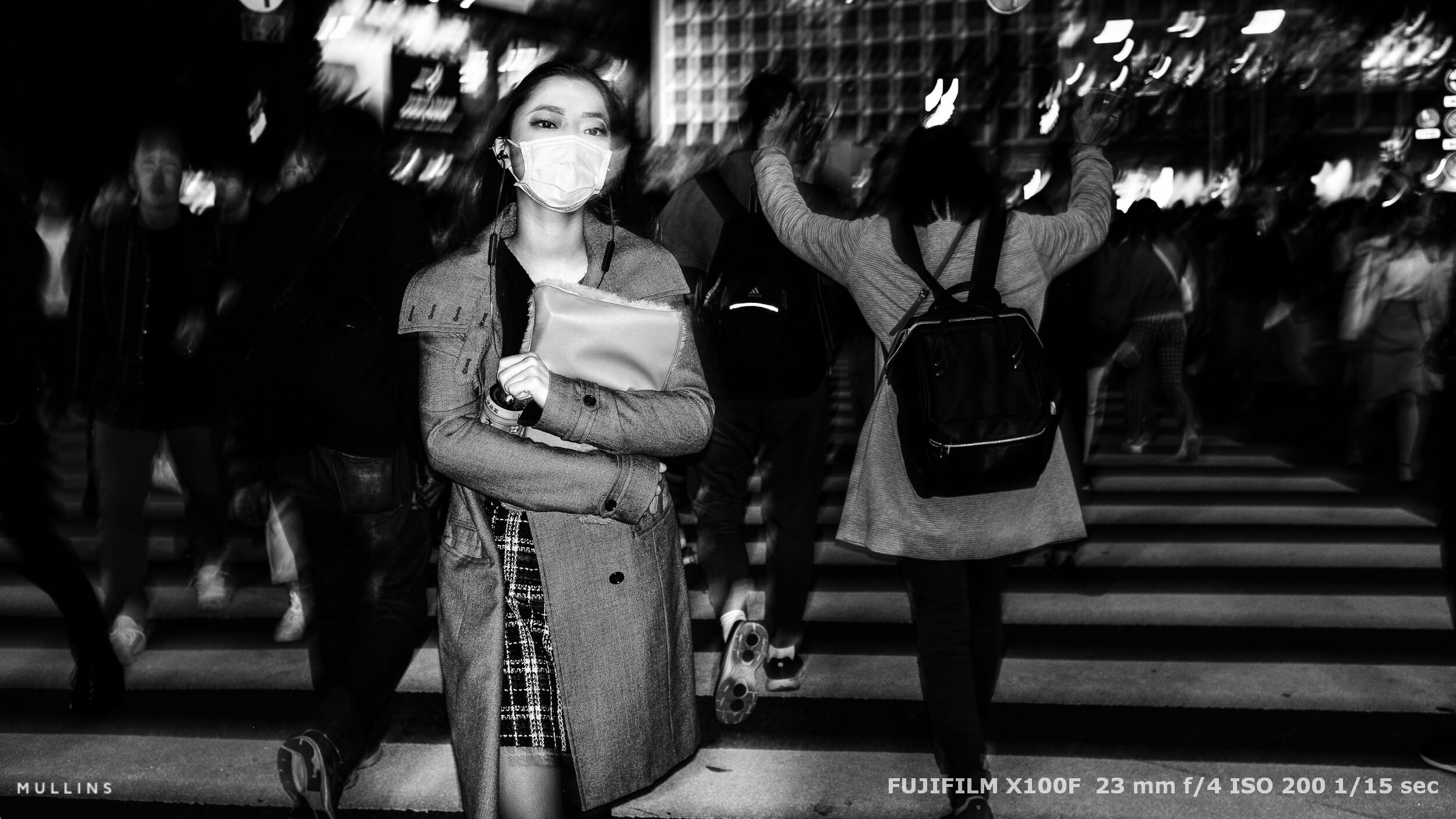
Street photographers
This is where Fujifilm can properly take the heat out of the Ricoh train in my opinion. Not by copying it, of course. By doing the Fujifilm thing: make it feel like a camera you want to carry, then make the JPEGs so good and the usability so simple.
Fast & reliable: Instant wake, no lag, no hesitations. Street shooters forgive a lot, but not a camera that feels like it’s thinking. The GFX100RF is too slow for rapid street shooting (though great for more considered work).
A “small camera” lens philosophy: Not just sharp. Small, consistent and very predictable results. A lens works well at close-ish distances and doesn’t cause issues at f/2.
JPEG control that doesn’t feel like engineering: If Fuji pushed “computational JPEG” idea, it needs to feel playful, not like a computer programme.


Wedding photographers
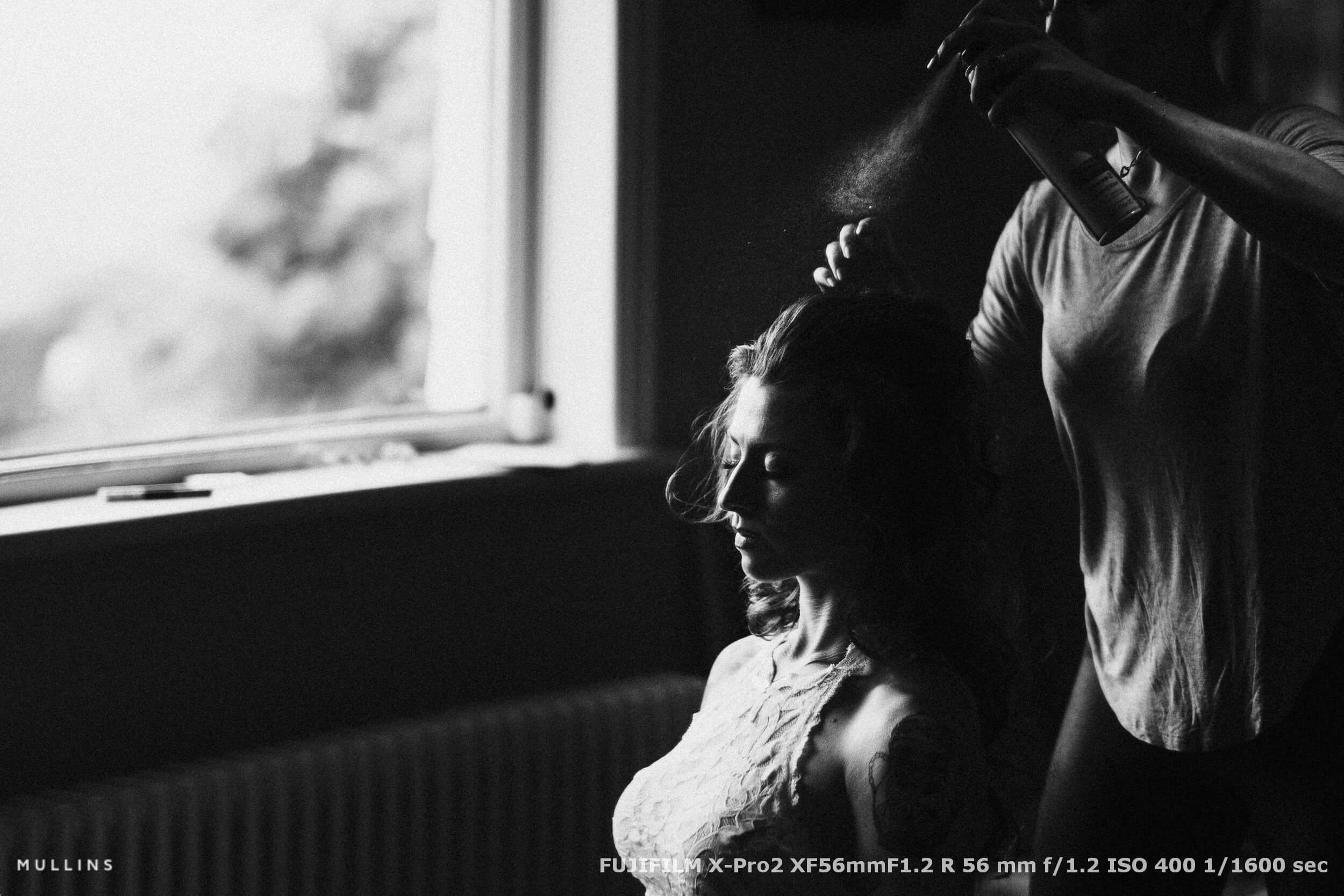
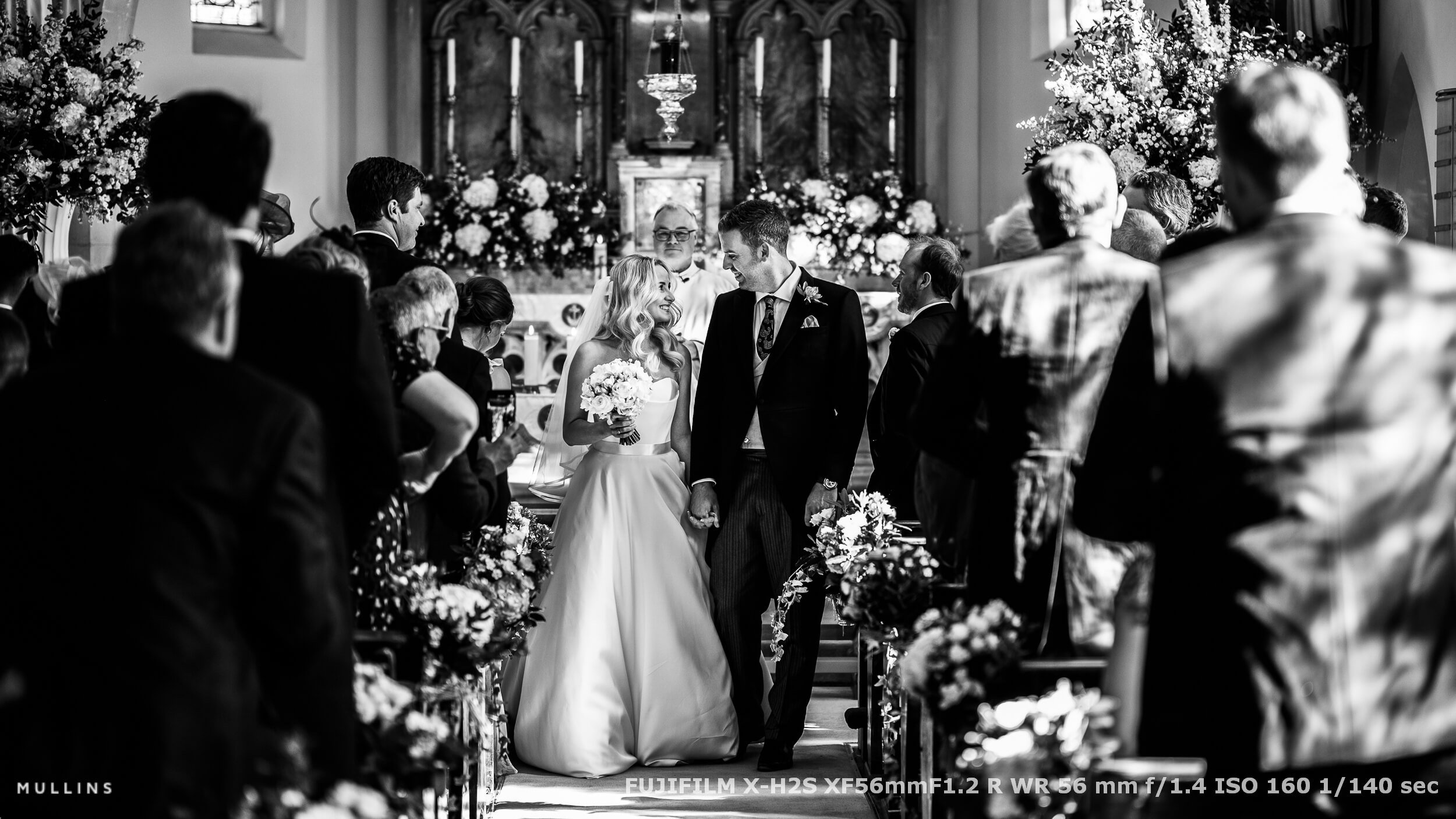
Weddings are where “photography-first” can’t be a gimmick; it has to be the best. The best wedding cameras disappear in use. They do not become an exercise in fiddling with menus and cumbersome controls.
Face/eye AF that behaves in difficult circumstances: Mixed light, backlit veils, movement, chaos. The camera should be able to cope at all times.
Better highlight behaviour in JPEG: Fuji JPEGs are already lovely, but weddings are basically an endless fight to protect the highlights.
Workflow friendly: Dual card systems that make sense, faster culling support, and perhaps even better battery in the real world.
Please, no internal-only storage
There’s a little trend popping up where some camera brands are leaning into internal storage, sometimes alongside cards, sometimes as the main option. On paper, it sounds great. In practice, I think it’s a step backwards for anyone shooting real jobs, especially weddings.
For wedding work, removable cards are a risk-management system. If a card fills up, you swap it. If something feels odd, you change it. If the camera gets knocked, soaked, or decides to have a tantrum, you can pull the card, and your files are already physically separated from the thing that’s failing. That separation is the whole point.
Internal-only storage removes that safety net. If the camera won’t power up, won’t connect properly, or glitches mid-transfer, your images are trapped inside it. You’re now relying on cables, ports, battery level, firmware behaviour, and a clean transfer at the end of a long day, which is exactly when you’re tired and least interested in fiddling about.
I’m fine with internal storage as an optional extra, like a small cache or backup, but I really hope Fujifilm don’t go down the internal-only route. Give me dual slots, simple card swaps, and reliable redundancy every time.


Sports and action
This is the one area where Fuji still gets judged against the big two. And it’s not always fair, in my opinion.
Subject tracking that doesn’t bail when it gets hard: Busy backgrounds, quick direction changes, partial occlusion.
Buffer and write performance that feels endless: UHS-II Cards that enable an almost endless burst, even in RAW.
EVF clarity under motion: Not just refresh rate. It’s how stable and readable it feels when you’re panning.


Probable vs Possible vs Dream
| Prediction | Why it makes sense | Who it’s for | Likelihood |
|---|---|---|---|
| X-Pro4 | There’s still a huge appetite for a rangefinder-style flagship that feels like a “forever camera”. | Street, documentary, travel | Possible |
| X70 successor (X80?) | A genuinely pocketable APS-C camera would be a headline product again. | Street, everyday, travel | Possible |
| More X-Processor 5 trickle-down bodies | Fuji are clearly happy spreading that platform across ranges. | Everyone | Probable |
| “Computational JPEG” tools (HSL-style control) | It fits the recipe culture perfectly, as long as it stays photographer-friendly. | JPEG shooters, creators | Dream |
| GR-style challenger built the Fuji way | There’s space for a premium compact that isn’t trying to be a mini phone. | Street photographers | Possible |
| Monochrome sensor X100 / X-Pro | It would be niche, expensive, but loved by the right people. | Monochrome purists | Dream |
| X-half “pro” version with serious internals | The design is lovely. A serious sensor inside would make it more than a novelty. | Everyday + street | Dream |
| APS-C “holy trinity” lens refresh (lighter, faster AF) | Small improvements here would have outsized real-world impact. | Weddings, events, generalists | Possible |
FAQ
-
Fuji have left the X-Pro line untouched for a while, so the demand is definitely there. Whether 2026 is the year depends on how they prioritise niche enthusiast bodies versus mass-market sellers. I’d call it possible, not certain.
-
They could. The question is whether they think the audience is big enough to justify a whole production run and support pipeline. If they did it, it would probably be a limited edition first.
-
It has to be genuinely pocketable, quick to start, and have a lens that feels made for street. If it’s even slightly bulky, people will just buy an X100-style camera or a GR.
-
It could, if it’s done badly. But if it’s implemented as optional, photographer-friendly tools (simple controls, great defaults), it could make Fuji JPEGs even more addictive.
-
At the moment, “X-Trans VI” is still mostly talked about as speculation rather than an official Fujifilm release name. Until Fuji announce it, treat it as a placeholder for “whatever comes next”.
-
Expect the system to keep splitting into two vibes: more compact, carryable medium format on one side, and more creator/cinema friendly bodies on the other. The physics of heat, size and power will always shape what’s possible.
-
If the GR fits your life, yes, just buy it and go shoot. But Fuji could still win people back if they build a truly compact camera with their colour, their ergonomics, and their JPEG magic.
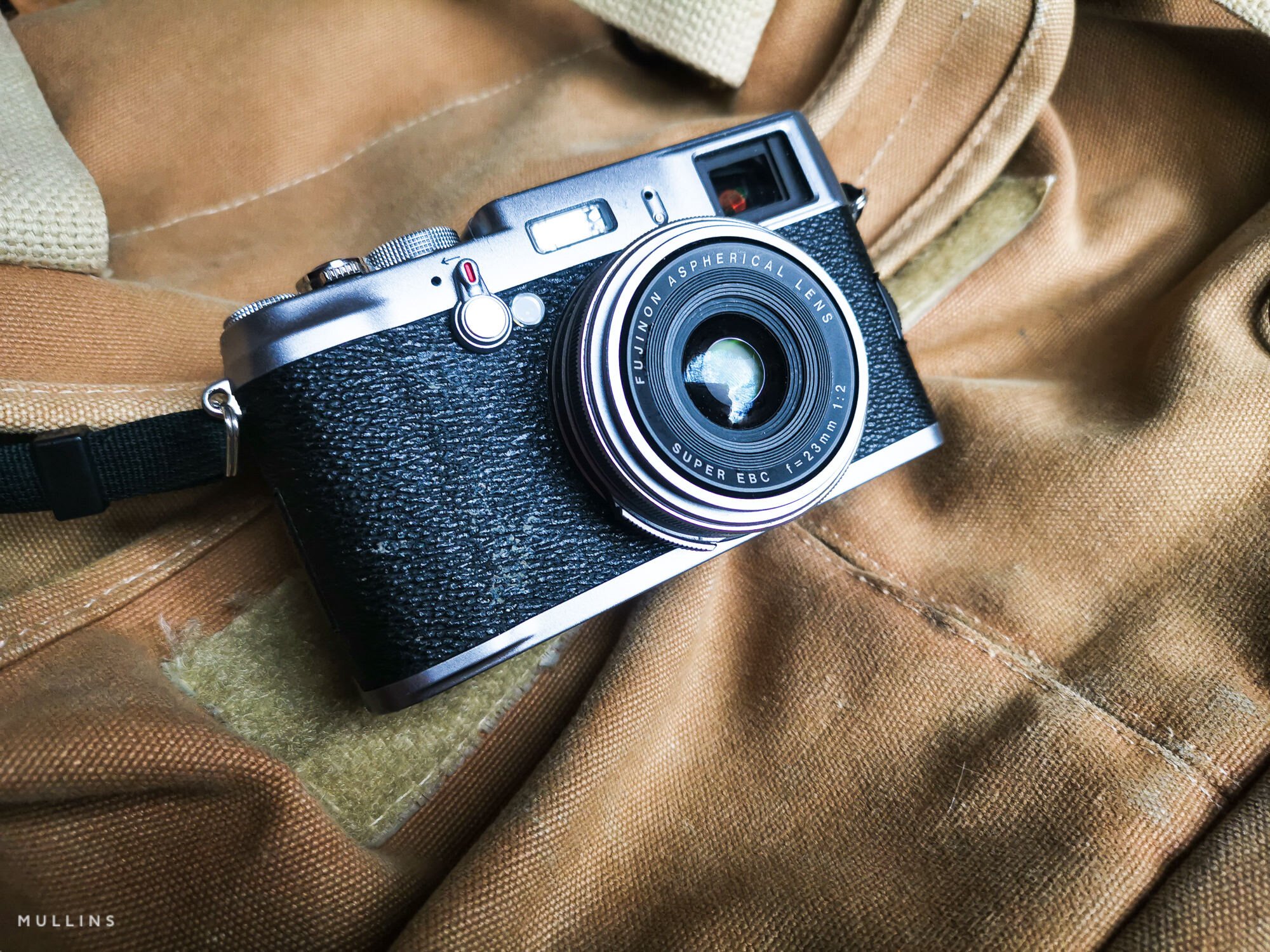
My Original Fujifilm FinePix X100
Final thoughts
If Fujifilm want 2026 to feel like a proper statement year, I think it comes down to one simple thing: keep building cameras that feel like they’re made for photographers first. Something you can feel in the way the camera starts up, focuses, handles highlights, and just generally stays out of your way.
The sensible money is on incremental improvements across the range and a continued push to refine what already works. But the excitement, the bit that gets me excited at least, comes from those bolder moves: an X-Pro refresh that feels “worth the wait”, a true compact that takes a swing at the GR world, and JPEG tools that make the recipe culture even more creative without turning the menus into a nightmare.
What do you want Fujifilm to do in 2026, even if it’s wildly unrealistic? And what would you actually buy with your own money?

A complete black and white Profile, Preset & Workflow Pack for Lightroom
Film Edition 5 - Workflow Series (Monochrome) is a structured set of Lightroom profiles and presets designed to help you achieve a finished monochrome look quickly and consistently.
This is not a random “pick a look and hope” pack. It’s designed as a repeatable workflow you can run on a full set of images, with fixes and finishing tools when you need them.
If you edit regularly in Lightroom, you already know the problem. You want a strong black-and-white style, but you also need it to behave consistently across different scenes, lighting conditions, and subjects. This pack is designed to help you move fast without the work looking rushed.
You start with one of the custom monochrome profiles to establish the tonal foundation, then shape the image with workflow presets that are designed to work with that profile rather than fight against it. From there, you can use the included Toolkit for things like AI masking, grain, curves, highlight control, sharpening, finishing touches, and everyday problem-solving inside Lightroom. The product page positions the pack exactly this way, with the profile first, workflow second, then utilities and finishers to refine only when needed.
Built for speed and consistency
If you edit your photos in Lightroom, you already know the problem: you want a strong monochrome style, but you also need it to work across different scenes without constant fighting.
This pack helps you move fast without the work looking rushed.
Fast workflow: fewer decisions, clearer steps.
Consistent results: the set hangs together as a series.
Film-inspired tonality: depth, shape, and texture without the “preset look”.
Useful fixes included: real-world Lightroom problems, solved quickly.
What’s included
11 custom monochrome profiles
20 one-click presets
128 Mullins Lightroom Toolkit presets, including AI masks, fixes, utilities, grain, tone curves, colour helpers, sharpening and finishers
Compatibility
Works with Lightroom Classic and Lightroom Desktop. AI Mask presets require Lightroom Classic 11.0+ or Lightroom Desktop 5.0+.
Three for Two Offer
All preset packs are included in the 3-for-2 offer. Add any three preset packs to your basket, and the cheapest one is free at checkout.