

Three Years with the Fujifilm X-T5: Real-World Review and Sample Photos
I’ve been shooting with the Fujifilm X-T5 for about three years now, and it’s become my default working camera. Not because it’s my favourite camera to use, but because it keeps showing up, doing the job, and staying out of my way.
What I want to do is show you what the X-T5 looks like in real hands, in real jobs, with real photos. Weddings, sport, family, street, the lot. Some of the images will be quiet. Some will be messy. That’s kind of the point with my style of documentary photography.
I’m using the X-T5 as my primary camera partly because there still isn’t a modern X-Pro successor (where is the X-Pro4?) that matches the newer sensor and processing. I prefer the X-Pro way of shooting. I always have. But the X-T5 is the camera that exists, and it’s a very good one.
What this article covers
A long-term, real-world Fujifilm X-T5 review from a working photographer.
Sample photos across sport, weddings, family and street.
The key specs that actually matter for still photography (not video).
A proper pros and cons section after three years of use.
Who the X-T5 is for in 2025 and who should probably skip it.

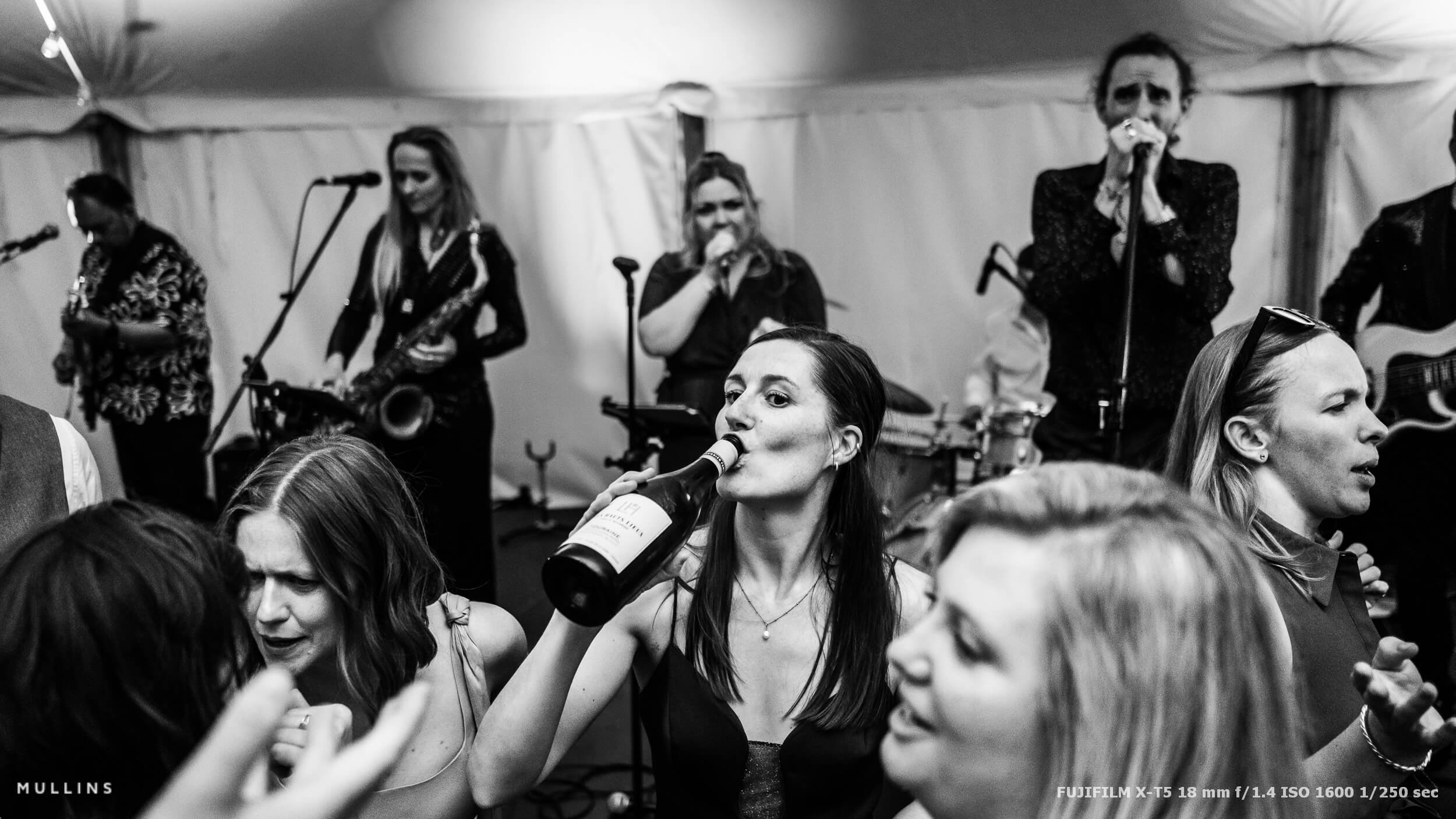
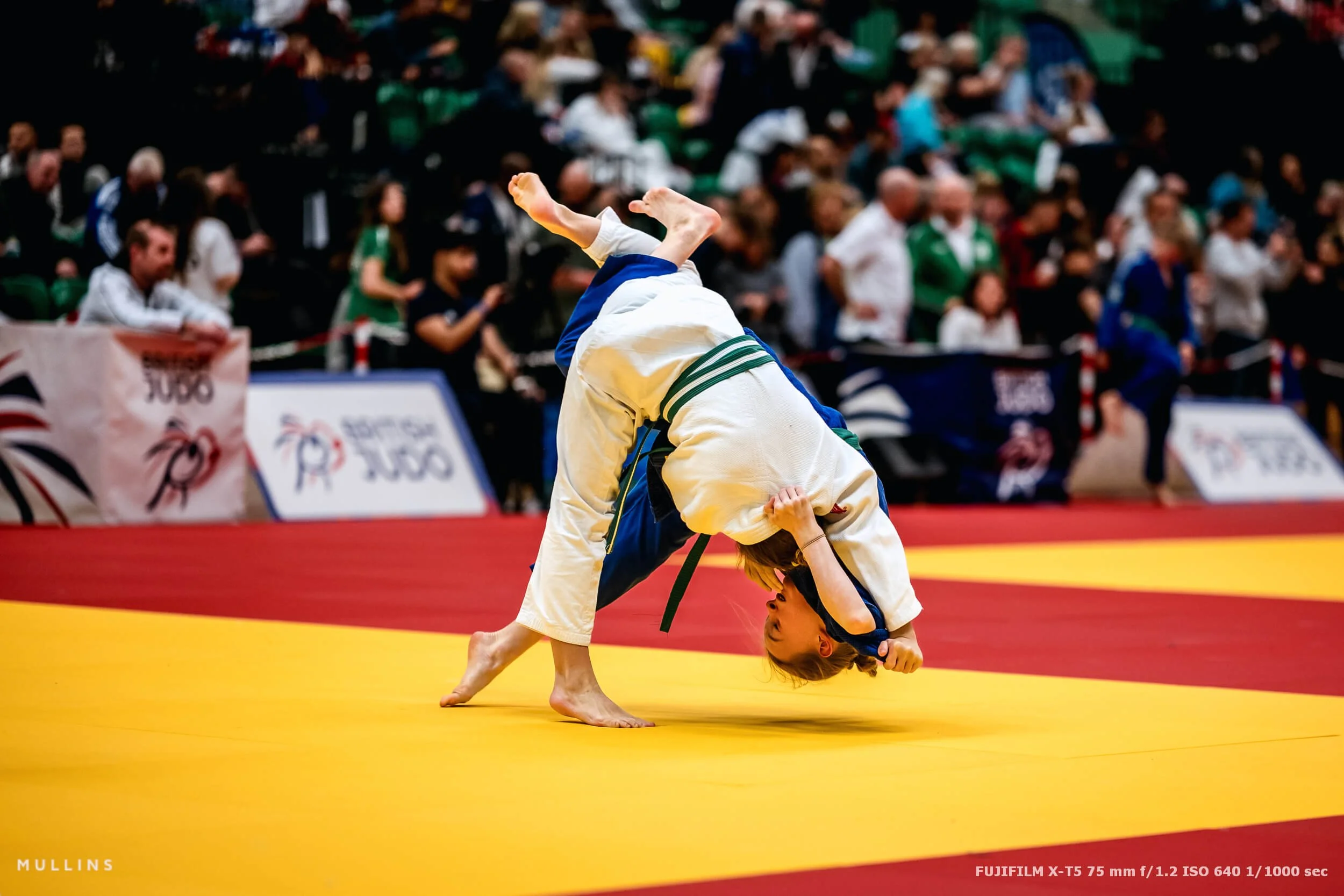
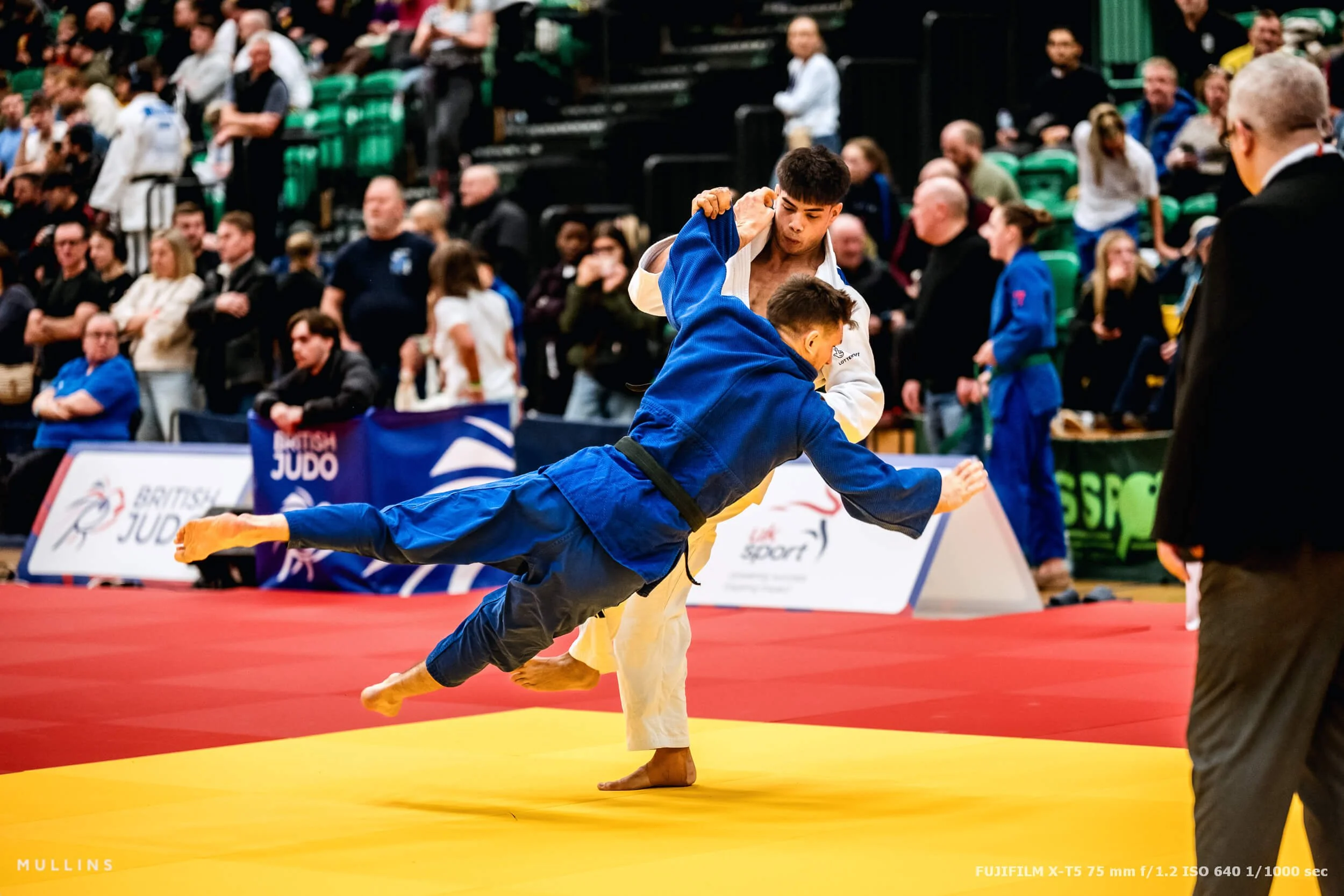

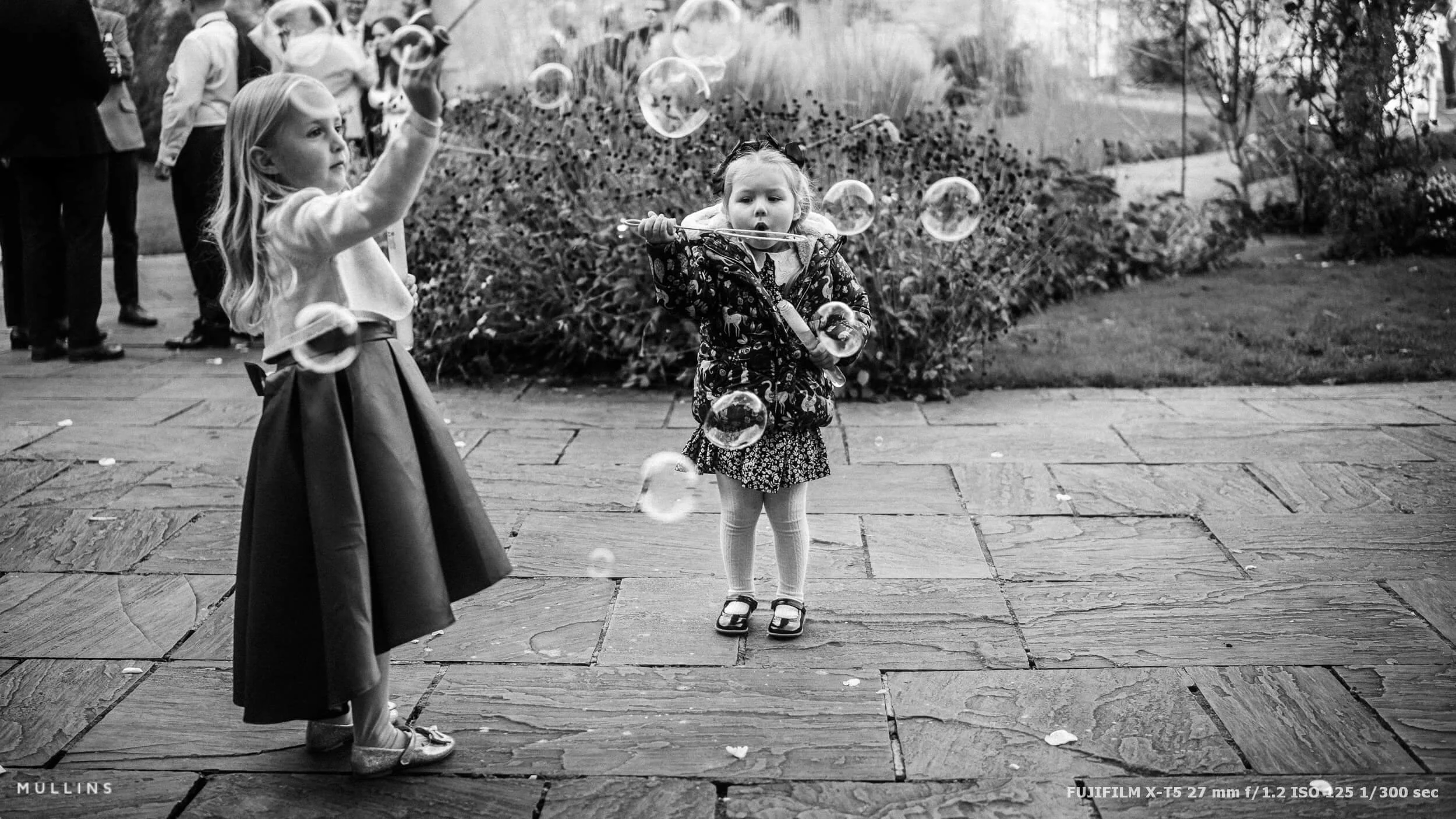
A handful of frames from three years with the X-T5. Different jobs, different light, same camera.A Note on the Images
All of the images in this post were edited using my Film Edition 4 Lightroom Presets. They’re built for a clean, film-inspired finish without the heavy-handed, trendy stuff, and they’re designed to work with RAW files from any camera brand, not just Fujifilm. My usual workflow is simple: I get the exposure and white balance in the right place first, then apply the preset as a starting point, then make a couple of small tweaks depending on the light. Nothing complicated. The aim is consistency and mood, without losing the honesty of the moment.
My quick verdict after three years
If you want the short version, here it is.
The Fujifilm X-T5 is a photographer’s camera. It rewards decent technique, it gives you a lot of file to work with, and it’s reliable enough. You just shoot, and that’s the best part.
It’s not perfect. Autofocus expectations have got a bit ridiculous in the last few years, and it won’t turn you into a sports photographer overnight. The big files can also nudge you into a heavier workflow if you’re not careful.
But overall? I’d buy it again. In fact, I already have three - two to shoot with, and one as a backup.
The “specs” that matter for stills, and why I care
I’m not going to paste a full spec sheet. You can see that elsewhere. But there are a handful of headline things that genuinely change how you shoot and what you can expect from the files. So here’s my photographer’s version of the spec list.
| Spec | What it is | Why it matters (stills) |
|---|---|---|
| Sensor | 40MP-class APS-C sensor | More cropping freedom, more detail for prints, but your technique shows more. |
| In-body stabilisation | IBIS (up to 7 stops, depending on lens) | Handheld shooting in dim light is easier, especially for documentary moments that are not moving fast. |
| Shutter speeds | Fast mechanical and very fast electronic options | Helps in bright light at wide apertures, and gives flexibility for freezing motion when you need it. |
| Dual card slots | Two memory card slots | Essential for paid work if you want backup recording and less stress. |
| Handling | Physical dials (shutter speed, ISO, exposure comp) | Quick changes without menu diving, especially useful under pressure (weddings, events, sport). |
| File sizes | Larger RAW/JPEG files than older 24/26MP bodies | Brilliant quality, but it can slow culling, backups and editing if your workflow is already on the edge. |
Image quality: the reason most people buy this camera
Let’s talk about the files, because that’s possibly the most important element.
The X-T5 gives you a lot of detail. Sometimes, almost too much, and I often add a little bit of grain using my AI Lightroom Presets. If you’re coming from an older 24 or 26MP Fuji body, the first thing you notice is how far you can push a crop and still keep a believable image.
That’s been useful for sport. It’s been useful for wedding photography too, especially in those moments where you can’t physically move any closer without becoming part of the ceremony. Cropping becomes a safety net rather than a panic.
The second thing you notice is that it’s honest. If your shutter speed is too slow, you will see it. If your focus is sloppy, you’ll see it. If you’ve been a bit lazy with your technique because your last camera was more forgiving, this one will tell on you.
I don’t mind that, to be honest. I’d rather have a camera that rewards good habits and the Fujifilm X-T5 does just that.
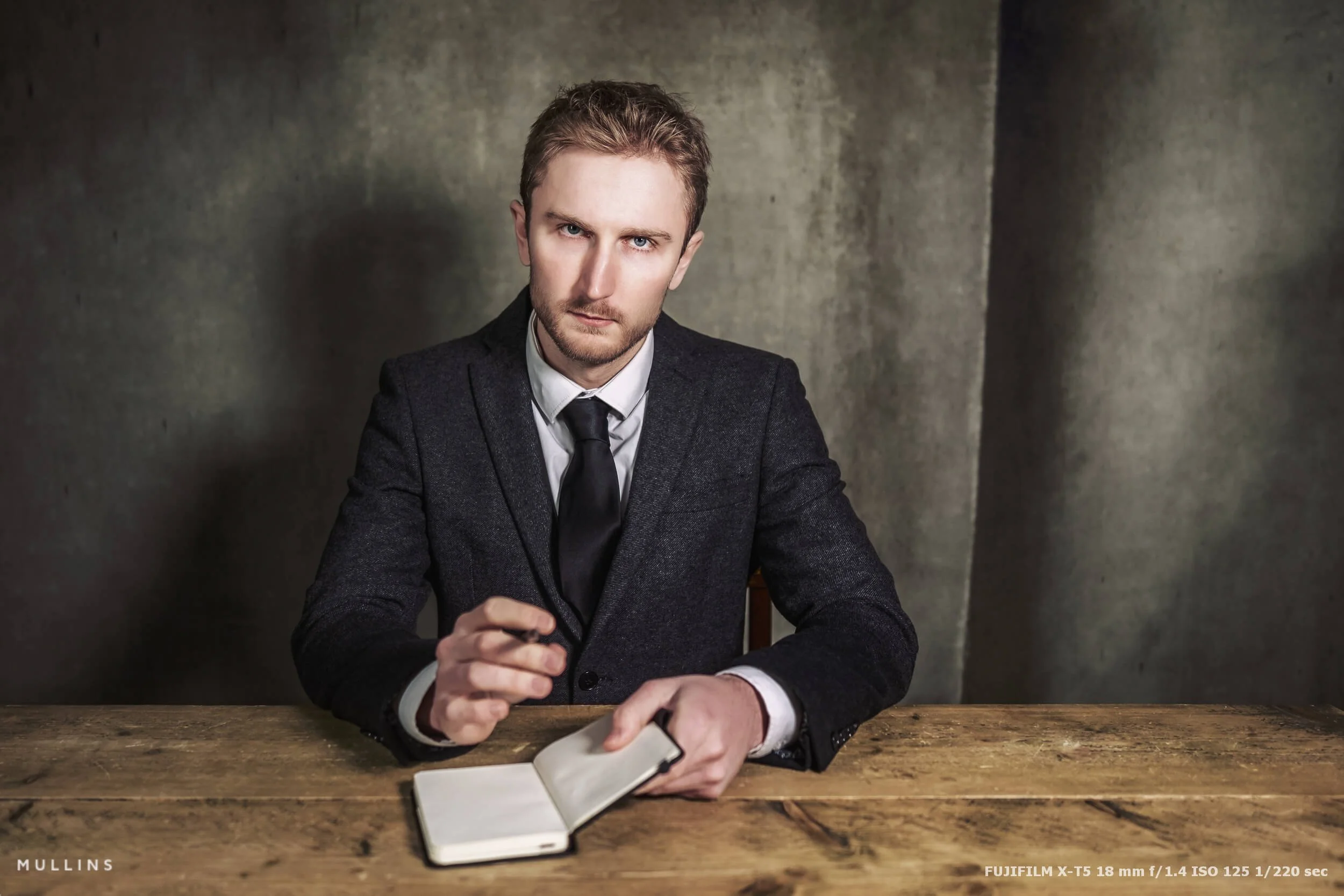
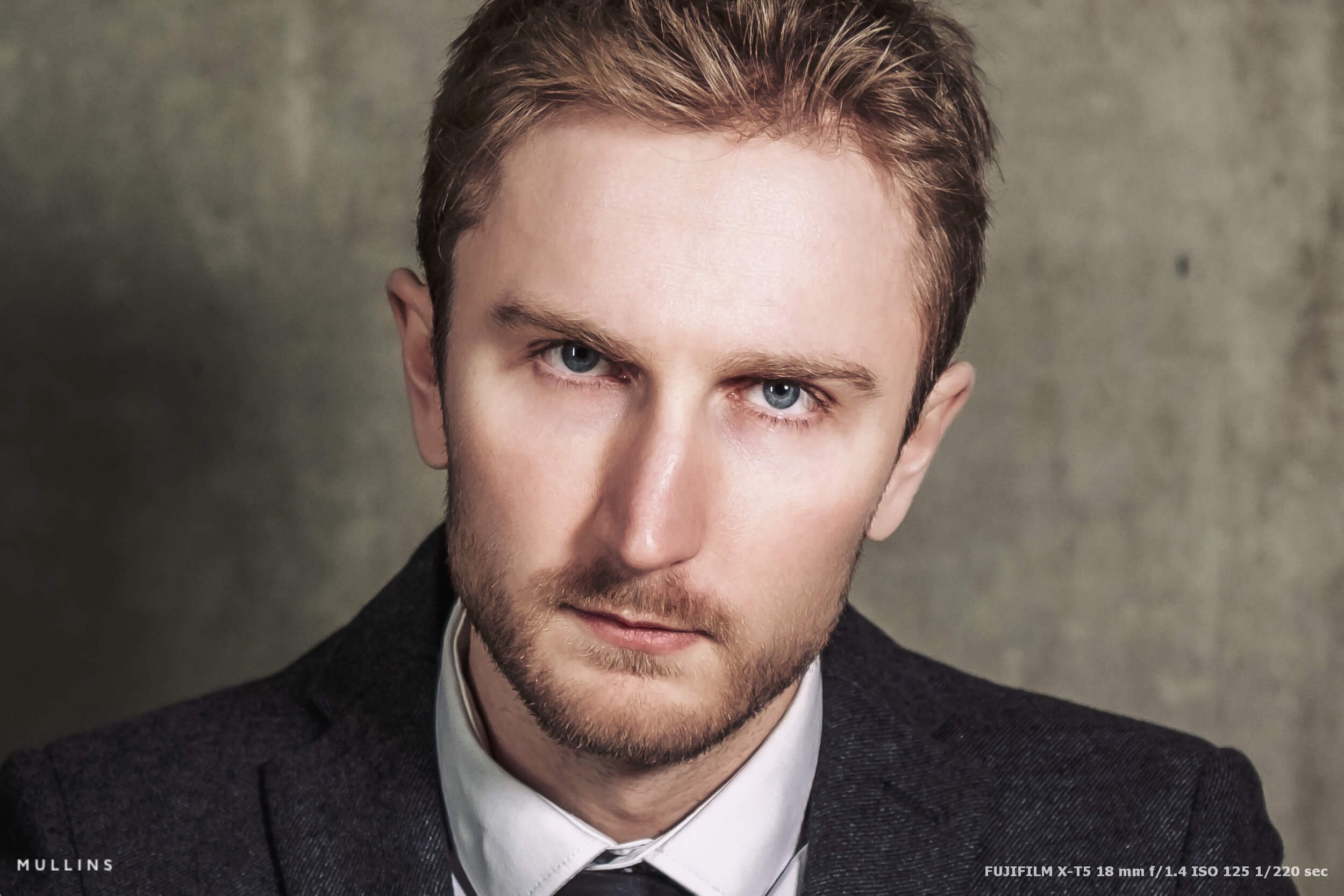
A crop that would have been a bit desperate on an older body, but still holds together here.Dynamic range and the “Fuji look” thing
I’m not really interested in arguing about colour science. It’s a bit like arguing about the best biscuit. People get weirdly emotional.
What I will say is this: I’ve always found Fujifilm files easy to work with (and I work exclusively in Adobe Lightroom). Whether I’m delivering JPEGs with a film simulation look, or I’m editing RAWs with my own presets, the X-T5 files behave in a predictable way.
Highlights are workable. Shadows can be lifted without turning everything into crunchy grey soup. Skin tones are good if you don’t do anything daft with white balance.
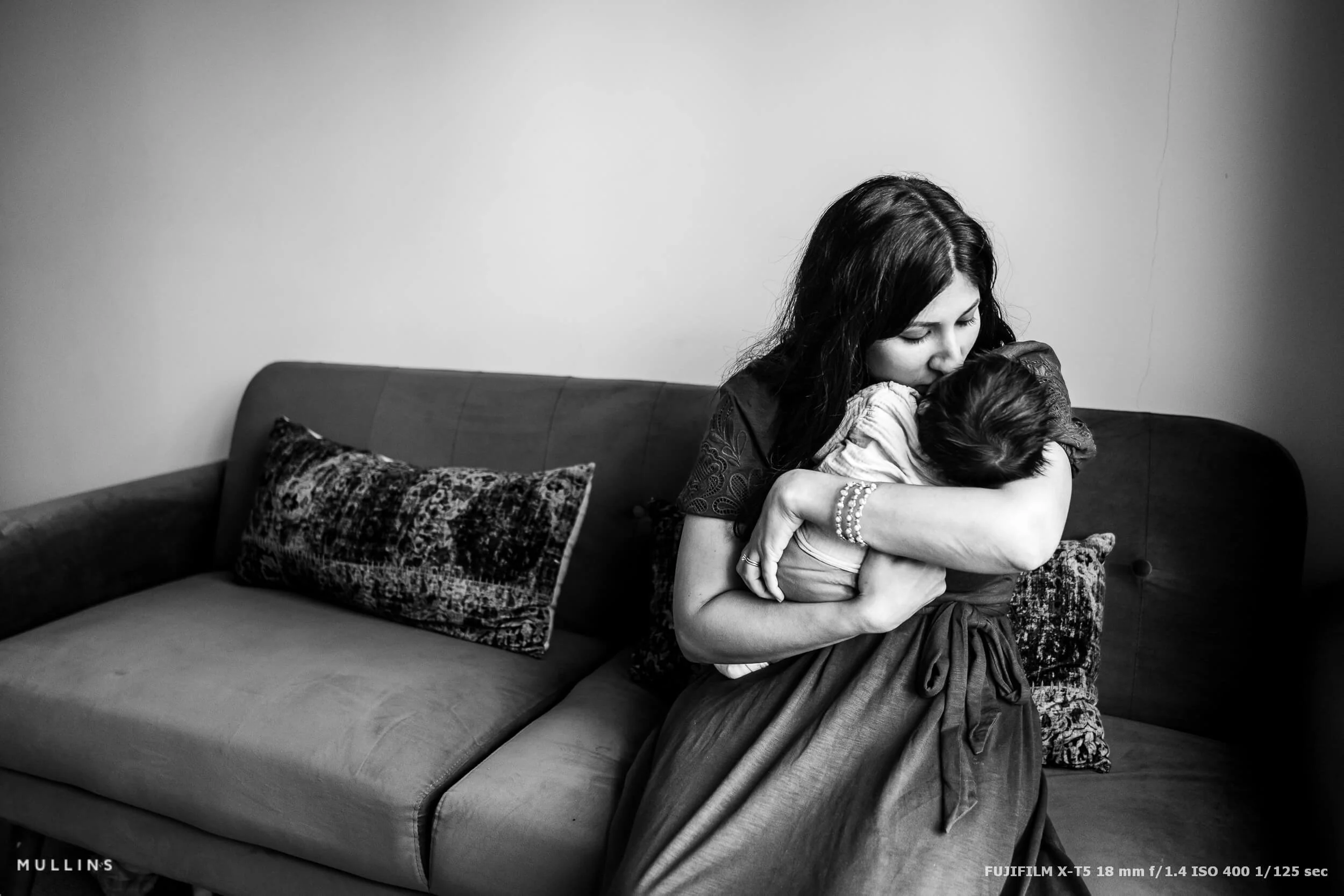
Family moment in soft window light with gentle highlightsAutofocus: good, not magical
This is the section where people either nod along or get unnecessarily angry.
The X-T5 autofocus is good. It’s noticeably better than older generations in terms of confidence, and in normal photography it’s just fine. Weddings, family, street, portraits, documentary work, it does what it needs to do.
Sport is where things get more nuanced. It can absolutely shoot sport. I’ve used it for sport. But you need to work with it a bit.
If you expect it to lock on like a top-end dedicated sports body, in every light, with every subject, at every distance, while you spray frames and hope for the best… you might be disappointed.
If you treat it like a camera, set it up properly, use sensible AF areas, keep your shutter speed honest, and accept that your keeper rate is partly your job, it performs.
“A slightly boring truth: the X-T5 is at its best when you know what you are doing with it.
I’ve made a healthy living with Fujifilm cameras, and I’ve had no real dramas with focusing. Not because I got lucky, but because I took the time to learn how the camera behaves, set it up properly, and then actually use it the way it wants to be used. Once you do that, the X-T5 just works. It’s consistent, it’s predictable, and it lets you get on with the job.
What does wear me down a bit is how quickly some people dismiss the autofocus on this camera, as if anything short of eye-detect that never misses and a burst rate that could film a hummingbird’s mid-life crisis is somehow unusable.
Cameras that feel like they can do everything instantly can also take something away from the process. They start to feel more like machines, and the photographer’s role becomes “point in roughly the right direction and let the camera sort it out”. I get why that appeals to some people, and fair play if that’s what you want. For me, though, the fun and the emotional side of photography is in the craft. It’s in timing, anticipation, and making choices, not outsourcing the whole moment.
And that’s really where the X-T5 has earned its place. In all sorts of awkward light and fast-moving situations, it’s held its own. If you meet it halfway, it meets you more than halfway back.”
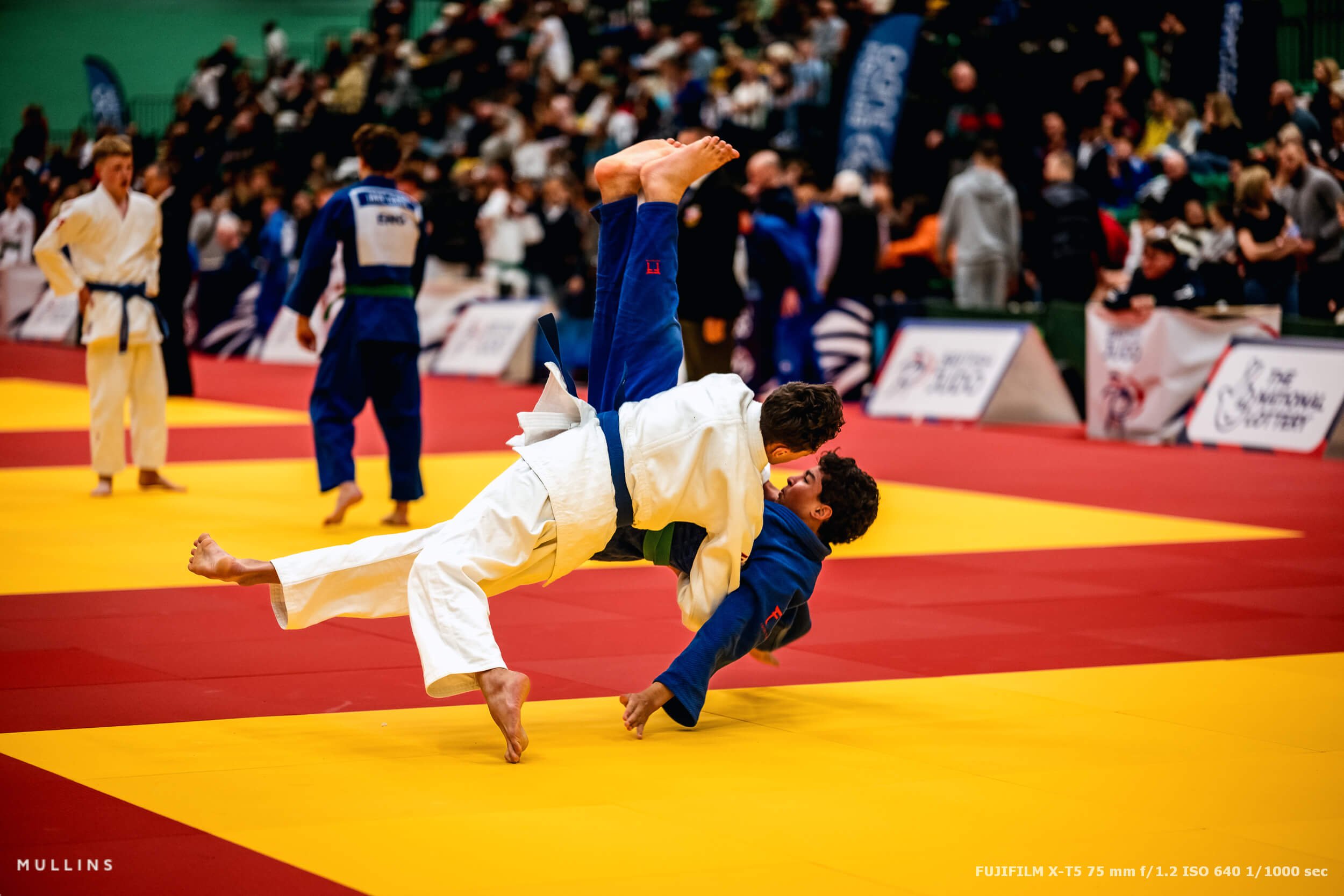
Sport is doable, but you have to shoot like you mean it.Stabilisation: brilliant, especially for documentary work
IBIS isn’t particularly sexy, but it’s one of those features that changes your photography without you noticing.
For wedding prep, speeches, dim venues, winter family sessions in British houses that somehow have the lighting of a Victorian museum, stabilisation helps. It doesn’t freeze a dancing person, obviously. But it does let you hold the camera steadier at slower shutter speeds when the subject isn’t moving much.
It also helps when you’re shooting wide and close, which is a big part of how I see things. If you’re living around 18mm and you’re working in real spaces, that extra steadiness matters.
Handling and the dials: this is why I enjoy it
The reason I still like Fujifilm is the way the cameras are laid out. The X-T5 is an excellent example of that.
I like the dials. I like that shutter speed is a dial. I like that ISO is a dial. I like that exposure compensation is right there. It makes the camera feel like a camera.
And I know some people think that’s just nostalgia, but it’s also speed. Under pressure, the simpler your decisions are, the better you shoot. If you’ve ever photographed a wedding ceremony and had to change settings without looking like you’re fiddling with a gadget, you’ll understand what I mean.
My lens pairing, and why it suits the X-T5
Most of my work lives on two focal lengths, and it’s been that way for a long time.
I’m usually on an 18mm and a 56mm. Wide for context and closeness. Tight for emotion and detail without getting in people’s faces.
That pairing suits the X-T5 perfectly because the files hold up. The wide shots have detail and texture. The tighter shots have bite where you want it, and you can still crop if something happens faster than your feet can move.
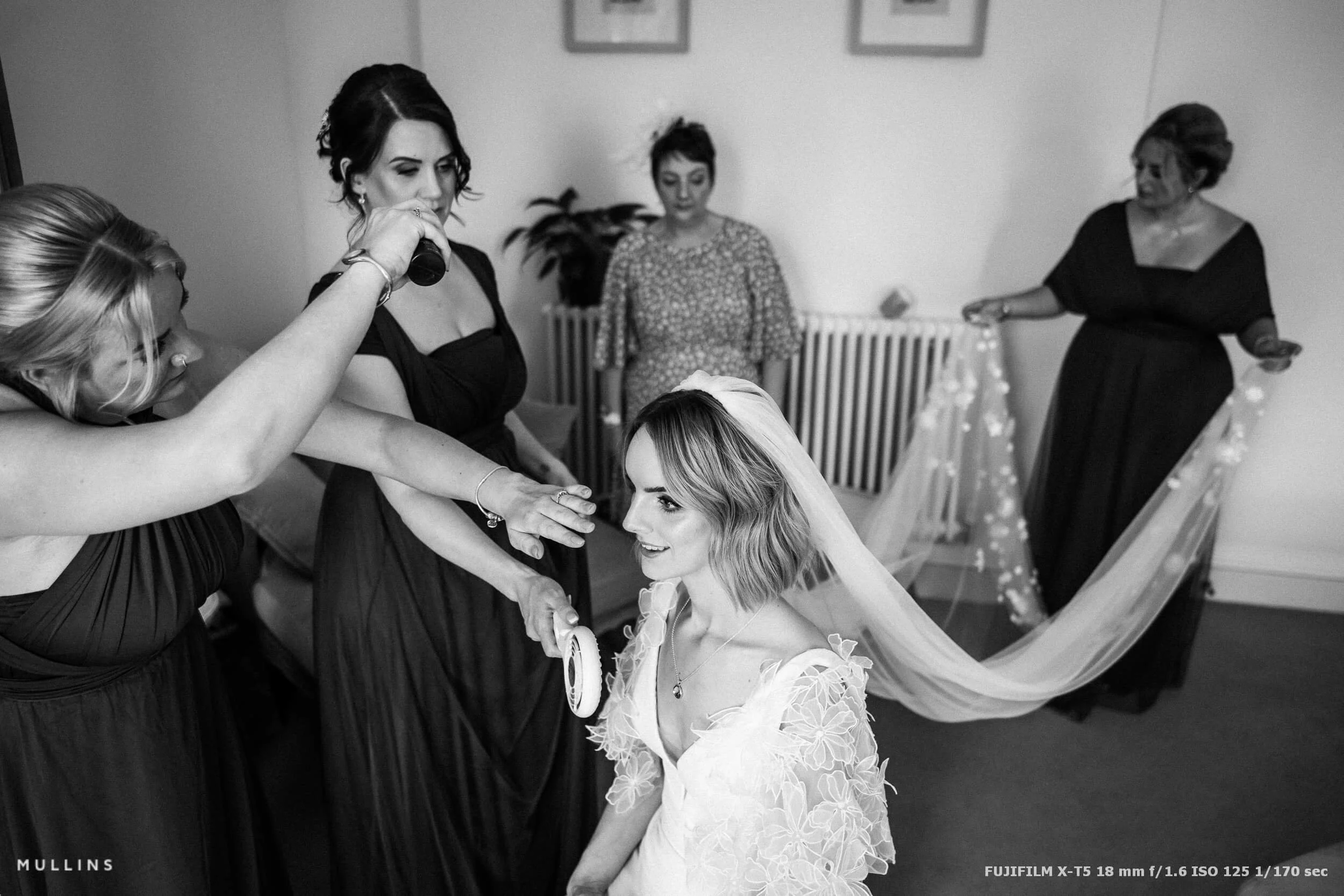
Wide documentary photograph showing layered storytelling in a real environment.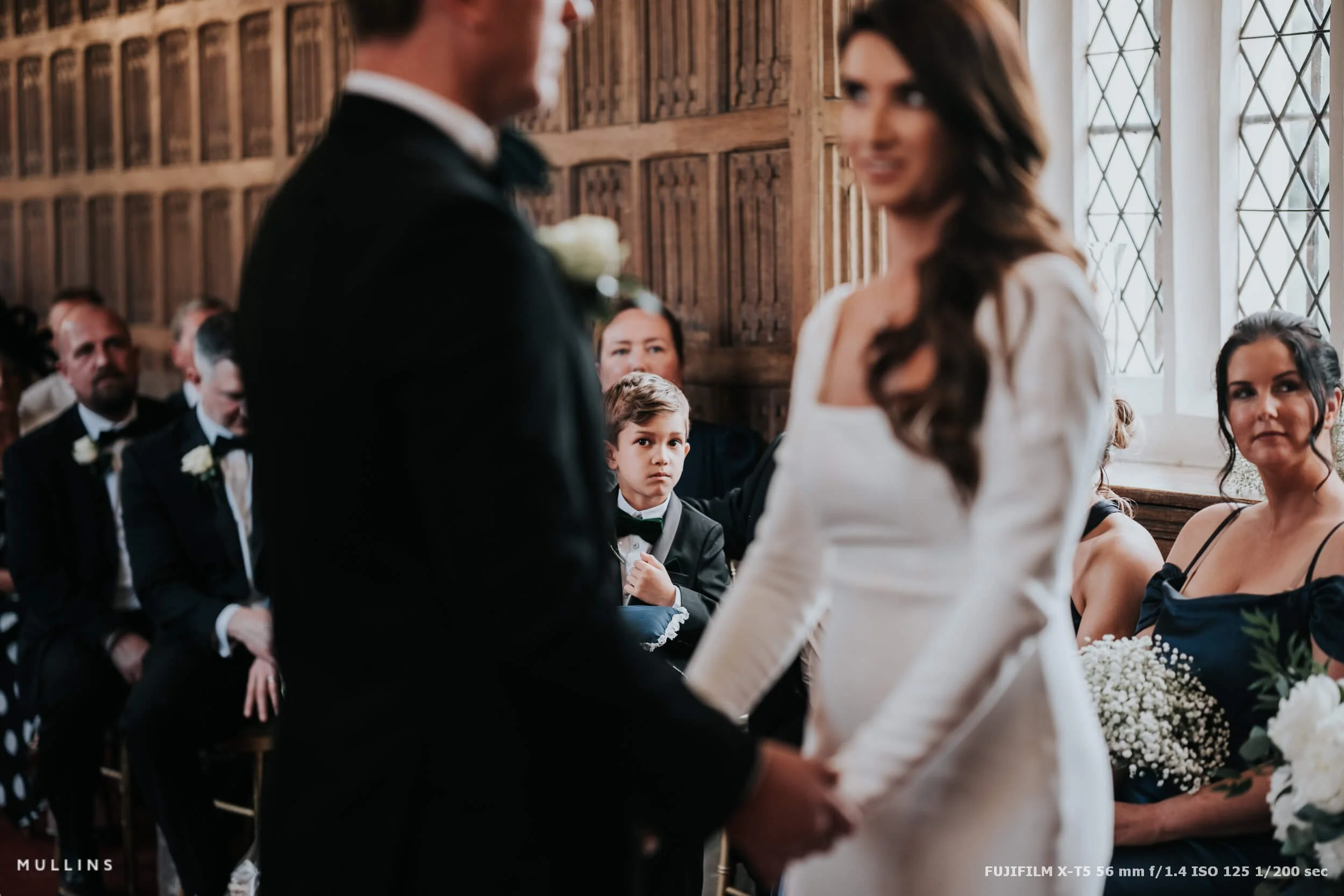
Tight portrait-style frame showing emotion and connection.The X-Pro4 situation (and why the X-T5 became my main camera)
This is a personal bit.
If there were an X-Pro body that matched the modern sensor and processor and felt like an X-Pro should feel, I’d be all over it. I prefer shooting with an offset viewfinder-style camera. I like the way it sits in my hands. I like how it encourages a slightly calmer pace.
So the X-T5 became the sensible choice. And it’s not a compromise in image quality. It’s not a compromise in reliability. If anything, it’s a more capable workhorse in some ways.
It just doesn’t give me the same joy as shooting in the X-Pro style. That’s not a technical criticism. It’s a feel thing. And I’m fine admitting that, and your mileage may vary.
Sometimes the camera you love and the camera you need are different cameras.
Real-world use: weddings
As a professional Wedding Photographer, I put a lot of work through the Fujifilm X-T5. Enough to know whether I trust it.
Weddings are the ultimate stress test because everything happens once and quickly.
The X-T5 holds up. Two card slots give me peace of mind. The files were flexible. Low light was manageable with the right lenses. The camera never feels like it is fighting me.
When a camera is doing its job, you stop thinking about it, and you start thinking about people. That’s where the pictures come from.
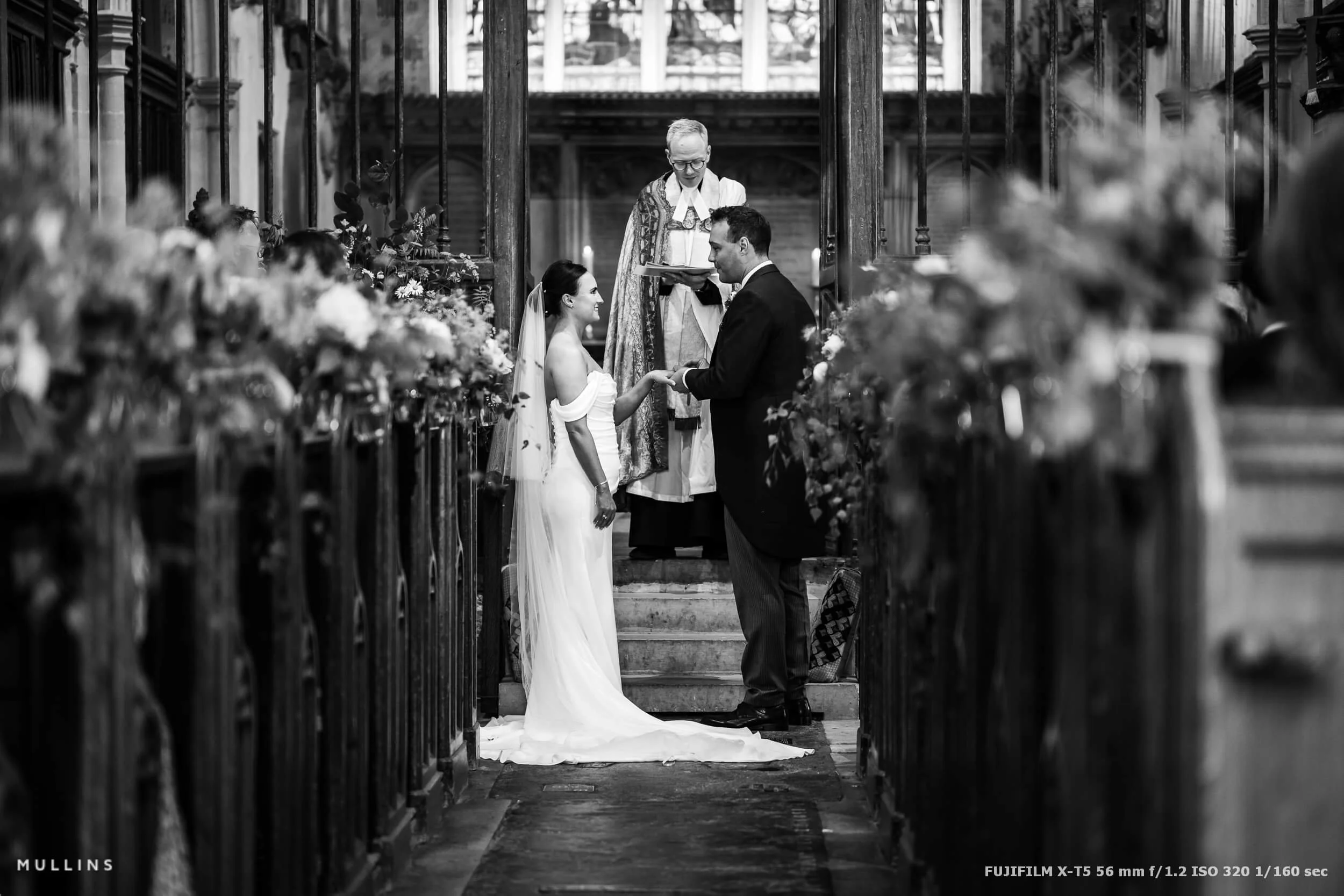
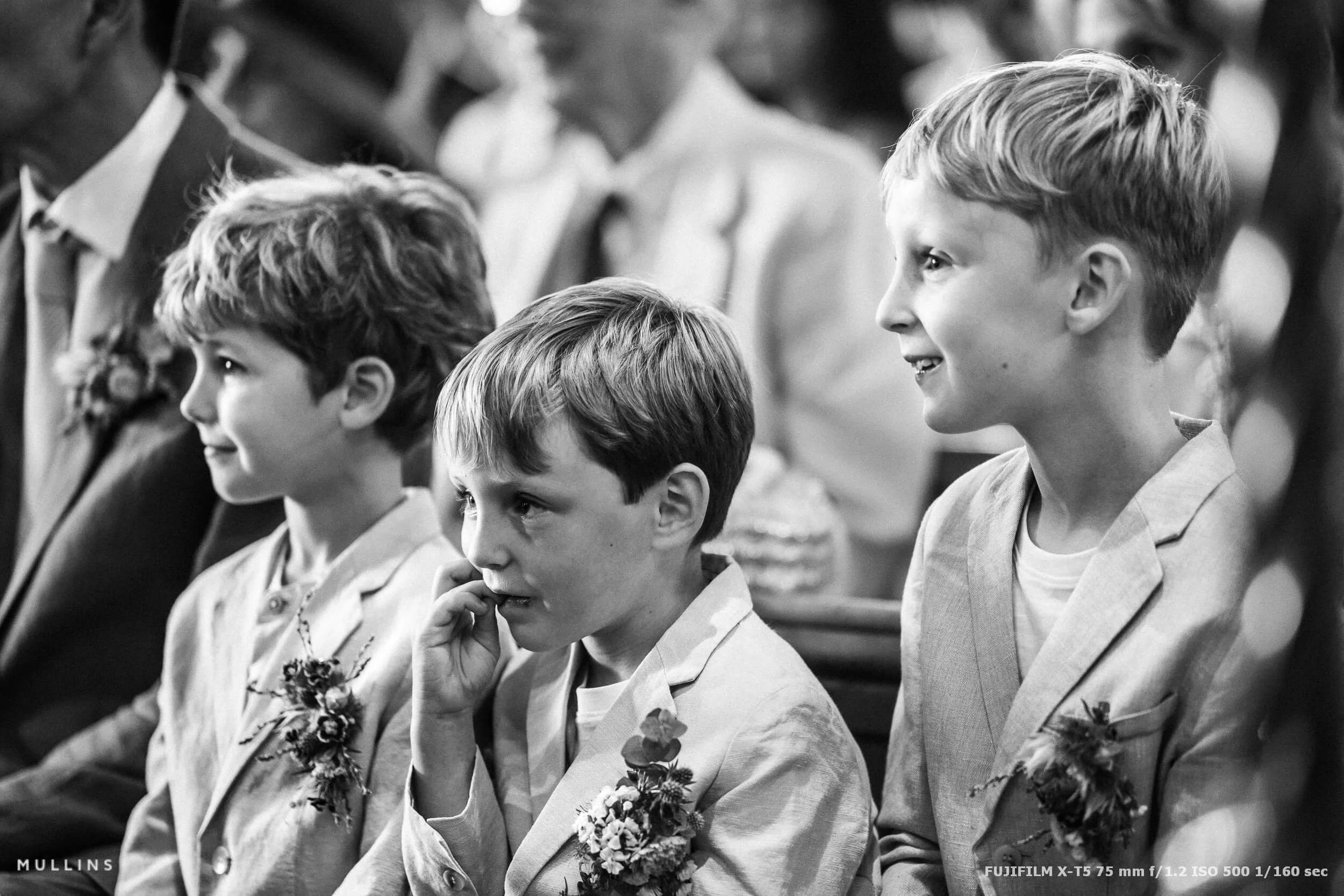
Documentary wedding photographs showing a candid emotional moment during a ceremony.Real-world use: family
Family photography sessions are usually about light, timing, and not making it feel weird.
The X-T5 is small enough that it doesn’t feel intimidating, especially with the right lens. It’s quick. It’s quiet. It lets me stay close and responsive.
And because the files are strong, I can work quickly in post. That matters more than people think. When you’ve shot a session with kids, you don’t want to sit at a computer for days second-guessing everything.
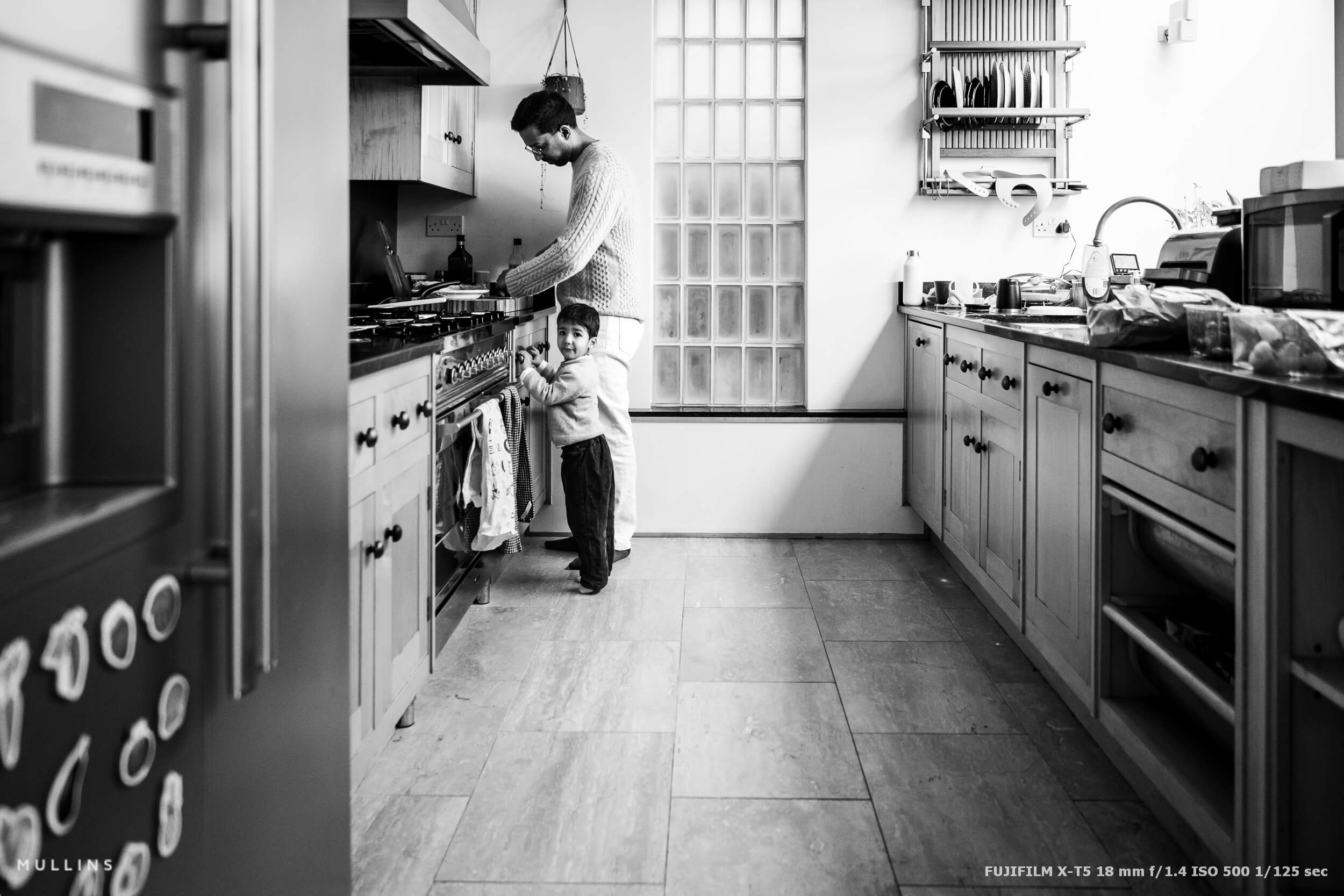

Documentary family photograph capturing natural interaction and humour.Real-world use: street and personal work
This is where the X-T5 becomes great fun.
You can shoot it in a very “pure” way with the dials and a small prime, and it feels traditional. Or you can set it up to be quick and modern, and it behaves like a fast, capable digital tool.
For street work, I like that it doesn’t demand attention. It’s not huge. It’s not flashy. It’s just a camera without a red dot.
And yes, the 40MP files are overkill for a lot of street photography. I get that. But I also like the freedom to crop when I want to tighten a moment without changing the feel of the scene.

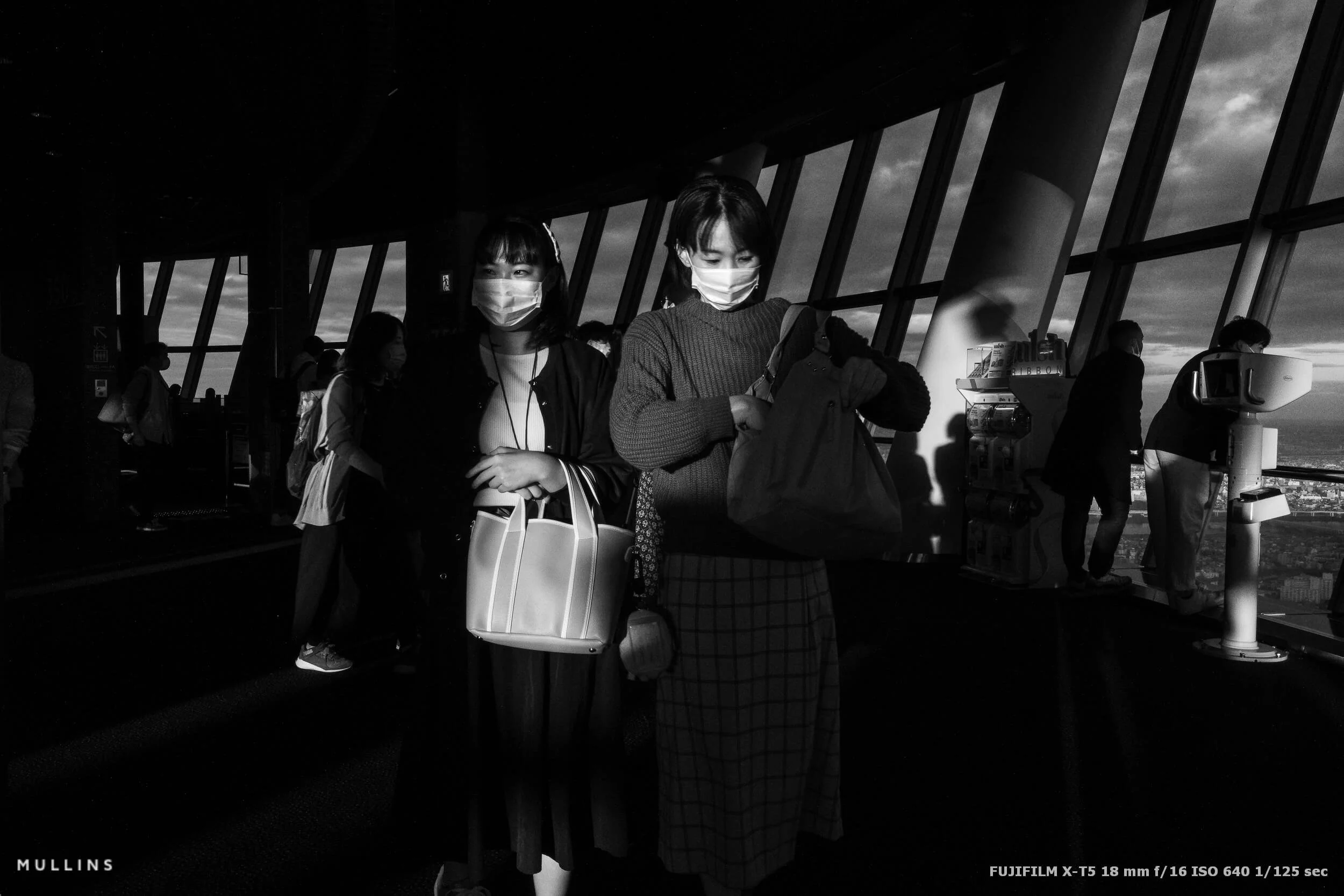
The Fujifilm X-T5 is a lot of fun if you want it to be.
Real-world use: sport
Sport is where you learn what you really think about autofocus, and what you really think about your own timing.
When everything is fast, you want the camera to do more work for you. The X-T5 does some of that work. Not all of it.
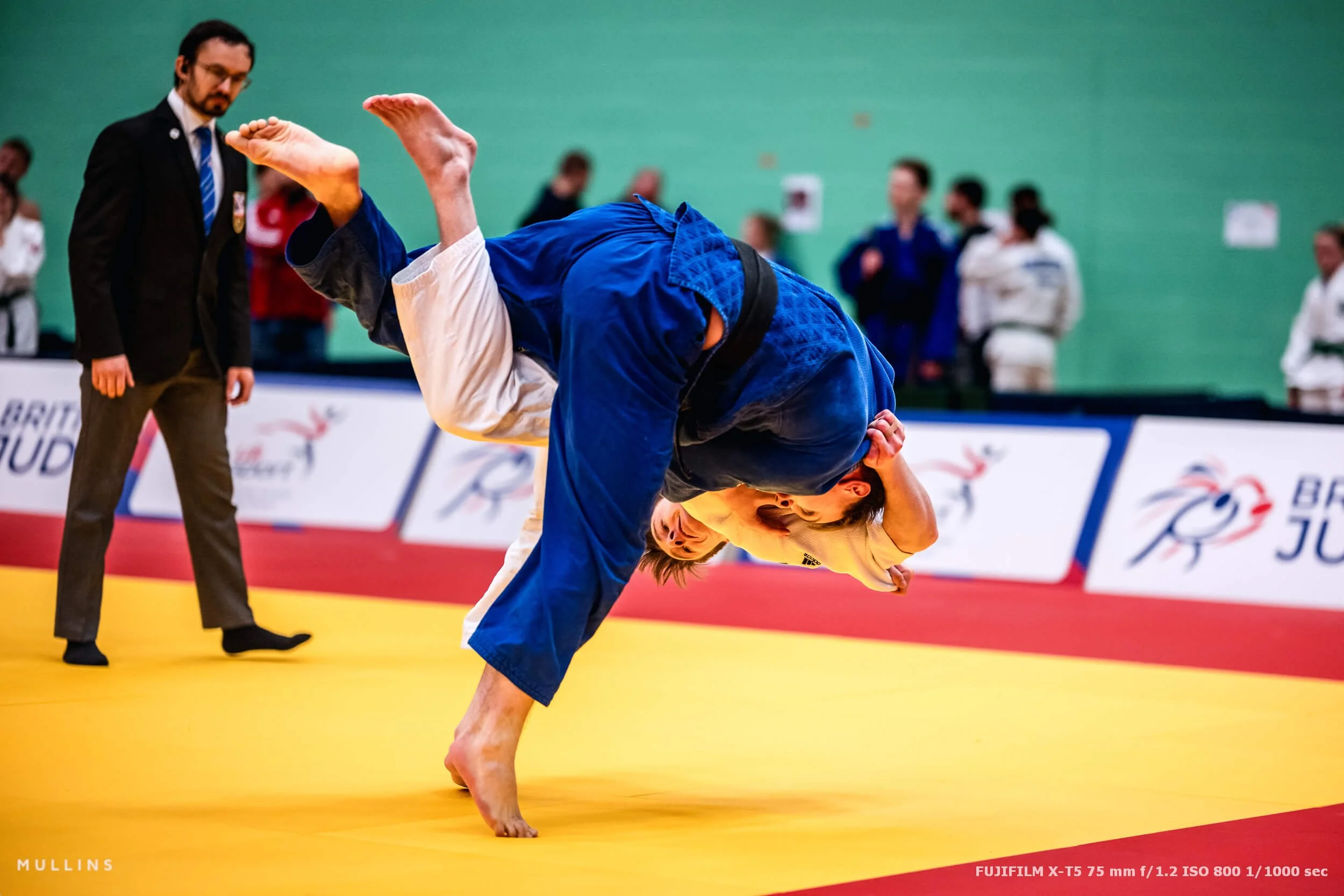
My approach is to keep it simple. Use AF modes that work. Avoid tiny focus points on chaotic subjects. Shoot with intention rather than hope. Don’t fire a thousand frames just because the camera can (although you will definitely want to burst through moments).
When you do that, you can get strong results. And the extra resolution can be useful too, especially if you’re stuck on the wrong side of a barrier or you can’t physically get closer.

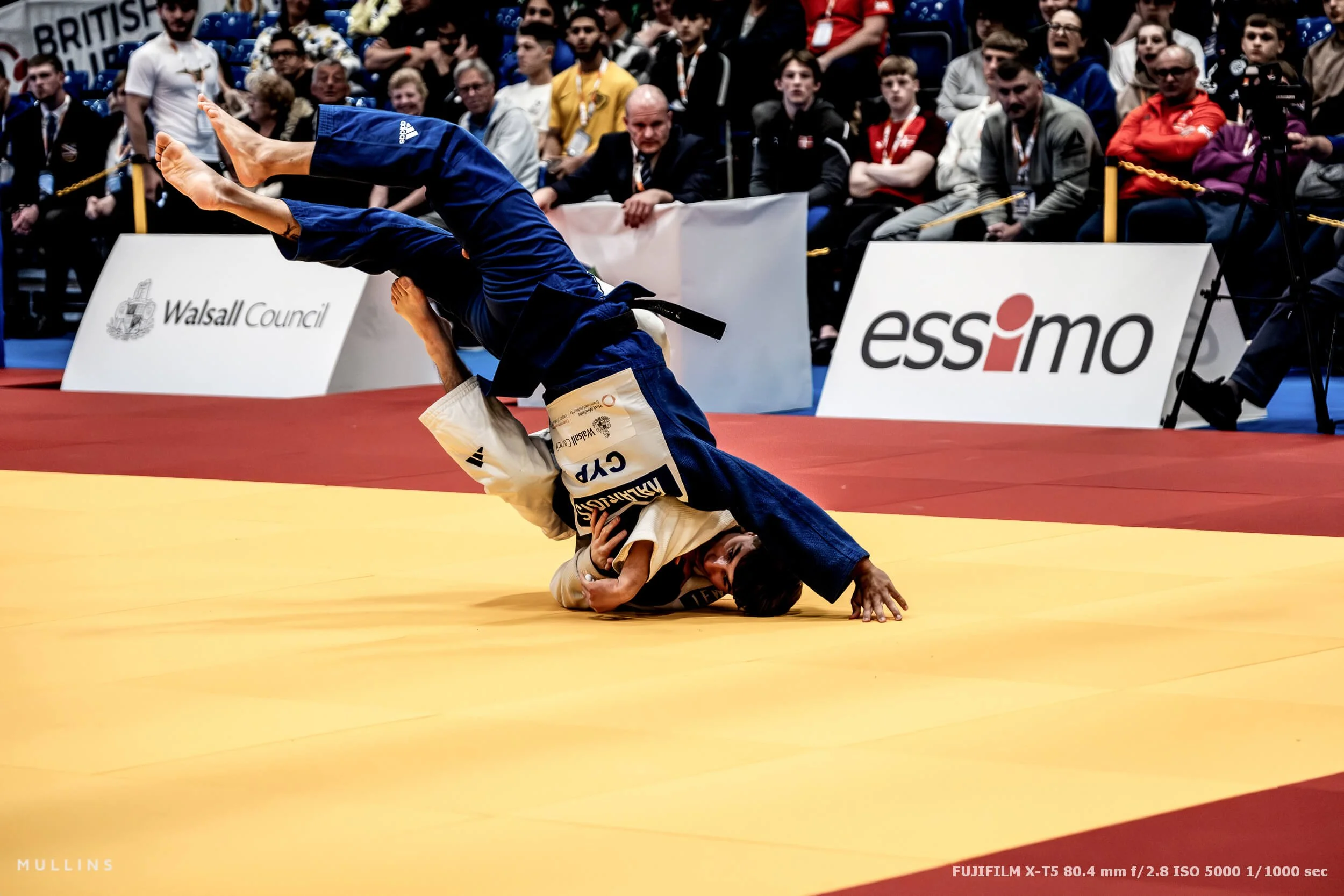
Sports photograph showing anticipation and atmosphere before action.Pros and cons after three years
This is the section most people read, so I’ll keep it pretty straightforward.
Pros
Image quality: Detailed, flexible files that hold up to cropping and printing.
Handling: The dials and layout are fast once you build muscle memory.
Stabilisation: Genuinely useful in real-world documentary shooting.
Dual card slots: Peace of mind for paid work.
Size and weight: Easy to carry as a working camera without feeling toy-like.
JPEG options: Film simulations and JPEG output are still legitimately good.
Cons
Big files: Storage, backups, and editing performance can creep up if you’re not disciplined.
Menu setup: Like most modern cameras, it’s best once you’ve customised it. Out of the box, it can feel busy and quite daunting.
Not an X-Pro: If you love the rangefinder style of shooting, the X-T5 is brilliant but it’s not that.
Who I think the Fujifilm X-T5 is for in 2025
If you mostly shoot stills, if you like the tactile dial experience, and if you want a camera that can cover a wide range of work from documentary to family to sport, the X-T5 makes a lot of sense.
If you want the easiest autofocus experience possible for action, and you don’t care about dials or the Fujifilm shooting style, you may be happier elsewhere.
And if you’re someone who loves the X-Pro experience and you’re waiting for a modern version, I get it. I’m there with you. But I also don’t think waiting forever is a good strategy.
Final thoughts
After three years, I still enjoy using the X-T5, and I still trust it. That’s probably the best compliment I can give a camera.
It’s not a fashion accessory. It’s not jewellery. It’s a tool. A very good tool.
If you’re looking at the X-T5 because you want a serious stills camera that can handle real work, it deserves to be on your shortlist. If you’re looking at it because you want the internet to tell you it’s the “best”, I can’t really help you with that. Cameras don’t work like that. They either fit the way you shoot, or they don’t.
If you’re into Fujifilm shooting and you want more practical, stills-focused help (settings, recipes, real-world use), have a look around my Fujifilm Learning Hub on the site.
And if you’re someone who shoots RAW and wants a consistent look across any camera brand, my Lightroom presets are built for exactly that. Colour and monochrome, quick workflow, AI utilities & no fuss.
FAQ
-
Yes, if you’re a stills-first photographer and you like the Fujifilm way of working. It’s not a “new” camera anymore, but it doesn’t feel outdated in the way it shoots or the files it produces.
-
It can be, if your workflow is already creaking. But the upside is real, especially for cropping and printing. The trick is being disciplined with culling and storage.
-
Yes, within reason. It’s capable, but you’ll get the best results when you keep your technique sharp and your autofocus setup sensible.
-
I’d love the same modern sensor and performance in a true X-Pro style body. That’s not really a knock on the X-T5. It’s just what I personally prefer.

A complete black and white Profile, Preset & Workflow Pack for Lightroom
Film Edition 4 - Monochrome is a structured black-and-white preset and profile pack for Lightroom, designed to help you create expressive monochrome work with depth, texture, and consistency. It is built around handcrafted presets, custom monochrome profiles, workflow utilities, and AI-powered tools, giving you a more complete editing system rather than just a handful of looks.
This is not a simple desaturation pack. It is designed to give your images the tonal richness, contrast depth, grain character, and film-inspired response associated with classic black-and-white stocks. The page positions it around the look and feel of films such as Kodak Tri-X, Ilford HP5+, Fuji FP-3000B, and Rollei Retro, supported by raw-level monochrome profiles that shape tone and dynamic range before you even start adjusting sliders.
If you edit regularly in Lightroom, you already know the challenge. You want black-and-white work to feel intentional, not flat, muddy, or overly digital. This pack is built to help you move quickly while still giving your images character. The included profiles give you a strong tonal base, the presets build on that foundation, and the utilities and AI tools are there when you need more precise control.
Built for speed and consistency
Fast workflow with fewer decisions and clearer starting points
Strong monochrome tonality with depth, texture, and film-inspired contrast
Flexible profiles that can be used on their own or as the base for a full preset edit
Useful workflow, AI, and technical adjustment tools for real-world Lightroom editing
What’s included
65 handcrafted black and white presets
15 custom-built monochrome base profiles
Time-saving editing utilities
AI-powered tools for the latest versions of Lightroom
Technical Adjustment Utilities for monochrome tone curves, contrast response, and highlight behaviour
Compatibility
Built for Lightroom Classic, CC, and Cloud, with AI-powered tools included for the latest versions of Lightroom.
3 for 2 offer
All preset packs are included in the 3-for-2 offer. Add any three preset packs to your basket, and the cheapest one is free at checkout.