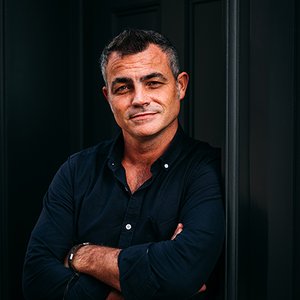
Hosting a Street Photography Workshop for Fujifilm in Dubai
This is the question I still get asked the most, after all these years:
“How do I become a Fuji Ambassador”?
I’m going to start this with something a lot of people don’t really want to hear.
If your goal is the badge and the ego of proclaiming “you are an ambassador for Fujifilm”, you’re chasing the wrong thing. Read on to understand my thoughts.
The Truth
Being an ambassador shouldn’t be an ambition:
It should be a reward.
Being an ambassador for any camera brand should be something that happens because you’ve built the work, the reputation, the reliability, and you’ve been useful to the community long before anyone at Fujifilm ever notices you.
And yes, I’m saying that as someone who was in the programme for a long time. Fujifilm brought me in as their first official wedding photography ambassador back in early 2013, which feels like a very long time ago.
I want this post to put to rest the questions I get on a weekly basis: “How do I become a Fujifilm Ambassador?” or “Who do I need to speak to at Fujifilm to become an X-Photographer?”
Fujifilm UK changed the programme in 2022, and my time as an X-Photographer ended. I was sad, but I understood it, and I still use the cameras because they’re right for me, not because I ever had a title.
If you only read one section, read this
This is the answer to “How do I become a Fujifilm ambassador?”:
Make work that stands up on its own: not necessarily viral or trendy, just consistently strong and recognisable.
Be visible in the right ways: not “tag Fuji 400 times a day”, but share work, share process, teach, help, contribute.
Be easy to work with: deadlines, reliability, professional behaviour. Brands notice that stuff quickly.
Build trust over time: a few great posts don’t do it. Years of solid work do.
Let it come to you: the moment you start asking “who do I speak to?”, you’re thinking about it in the wrong way.
I’ll explain all that properly, with examples, and with a few stories from my time in the programme - including the good bits, the awkward bits, and the bits that surprised me.
What I’m going to cover in this post
What Fujifilm ambassador / X-Photographer status actually is (and what it isn’t).
How it started for me, and what I was doing before anyone asked.
The sort of things I did for Fujifilm, and the benefits I got back (some obvious, some not).
How and why it ended for me.
A shout-out to current UK X-Photographers and why they deserve the spotlight.
A quick look at how different regions handle these programmes differently (the UK versus the US/Japan, etc.).
You’ll also see me link out to the current UK ambassadors on Fujifilm’s own site, because they’re doing good work and it’s only fair to point people in the right direction of the current tranche of X-Photographers.
How it started
Fujifilm didn’t “discover” me because I emailed the right person or chased the badge. It started because I bought a camera, used it on a real job, and then wrote about it like a normal human intrigued by what I was using.
Back in 2010, Fujifilm announced the original FinePix X100 at Photokina. I was smitten and ordered one as soon as I could.
Then serendipity played its part.
The FinePix X100 arrived on the morning of a wedding at Cripps Barn. So I chucked it in the bag, shot most of the day on my DSLR system, and grabbed a handful of frames on the X100 just to see what it could do.
The focus was… well, “early adopter” focus. But when I got home and looked at the files properly, it was obvious there was something in that little camera. Not perfect, certainly not as capable as my DSLR back then, but there was a future in it.
What mattered, for me anyway, was that it changed how I thought about shooting. Seeing what the image would look like before I took it, rather than guessing and fixing later, felt like a proper paradigm shift. The size and weight of the little thing allowed me to blend in as a Documentary Wedding Photographer, like I just couldn’t do with my Canon system.
That’s when I started using the X100 as much as I could, just to figure out how to make it work in my hands.
From there, things snowballed because I kept writing and sharing. In March 2012, I was writing a regular business column for Professional Photographer Magazine, and I was asked to review the Fujifilm X-Pro1. I went all in, bought the kit, started using it, and began building a body of real-world work with it.
Then came the first proper “tap on the shoulder” from Fujifilm UK. Around that time, they asked me to supply some images for Focus on Imaging (what most people now call The Photography Show). Ironically, as I write this, 2026 is the first year in many that I haven’t been invited to speak at the show.
I was flattered, of course, but it also made sense to Fuji. I didn’t ask to be involved. Instagram wasn’t part of my world back then, so I certainly wasn’t tagging them every five minutes.
I was already doing the thing, and their request was basically, “Can we show what you’re doing?”
That, right there, is the point most people miss when they ask, “Who do I speak to at Fuji to become an ambassador?” Nobody is waiting for the perfect email. The work tends to do the introduction.
The Tokyo call (and why it wasn’t a free holiday)
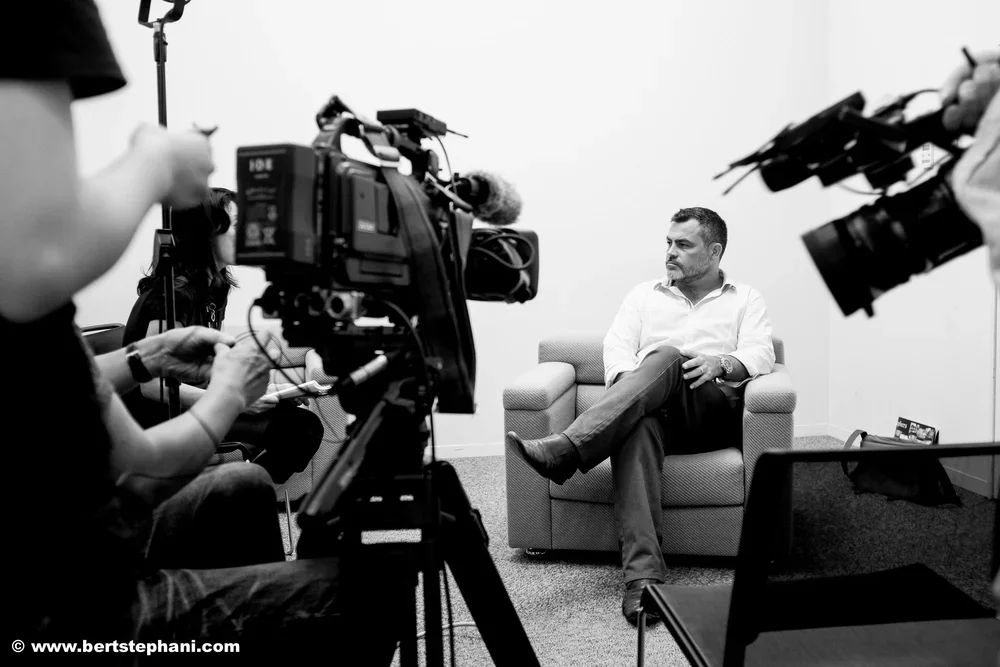
Kevin being interviewed by the photography press in Tokyo (credit: Bert Stephani)
A couple of years after that first X100 moment, I got one of those calls that makes you, well, very proud, and a bit stunned.
Fujifilm asked if I’d like to go to Tokyo for the first X-Photographers meeting.
Now, I should say this because people always imagine it wrong. This wasn’t “come over, have a nice time, take a few snaps, cheers”.
It was work. Proper work.
I was still not a brilliant flyer back then either, so I remember feeling equal parts excited and slightly sick.
But once you’re there, you realise what they actually want from you. They’re not looking for someone to wear a badge and post pretty pictures. They’re looking for photographers who can clearly explain how cameras behave in the real world and help shape what happens next.
On that first trip, it was basically this:
Two big presentations on two different days (one for the press, one for the engineers).
Eight hours in a small, hot room with the marketing team, throwing ideas around.
A long report written in advance, so we weren’t turning up empty-handed and improvising.
Fuji paid me for my time, which is important to note, too. It was work, after all.
Reality check
It’s not about the badge: they’re not looking for someone to wear a title and post pretty pictures.
It’s about real-world credibility: photographers who can explain, clearly, how the cameras behave in the real world.
And it’s about shaping what comes next: trusted input that helps influence future cameras, features, and direction.
It wasn’t a “gift”, it was a business arrangement. Sometimes you get loan gear to test. Sometimes you get asked for sample images and get paid for them, too. And sometimes you make content, and you don’t get paid, because the value comes in other ways.
It’s a bit of a mix, and I think it’s healthier when people are honest about that. There is a lot of smoke and mirrors on the internet where people’s currency seems to be their ego.
And here’s the bit that comes back to the actual question this post is answering. By the time Fuji called, I’d already been doing the work. Writing. Sharing. Replying to endless questions. Showing up. Being dependable. The Tokyo trip didn’t create that. It happened because of it.
What Fujifilm actually wanted from me (and what I got back)
This is where a lot of people get it wrong, because they picture an ambassador programme as a kind of permanent pat on the back. A title. A bit of borrowed kit. The occasional show appearance.
I saw plenty of ambassadors come and go in my time, and it was usually down to effort. A few would get the title, brag about it, drop hints that they’d been playing with a pre-release camera, and then… nothing. No reviews, no helping in the community, no turning up, no proper contribution.
It was all ego, and the badge was the whole point. The ones who stayed the course were the grafters. They wrote, they shared real experience, they showed up in the chats, they gave back, and they treated it like a responsibility rather than a status symbol.
The rest, more often than not, fell by the wayside pretty quickly.
In reality, Fujifilm wanted something much more practical. They wanted photographers who could do two things at once.
First, make real work with the cameras. Not just brag, not “first impressions”, not a staged brand shoot. Proper photographs, in the messy conditions we all deal with.
Second, translate that into something useful. Feedback, ideas, education, and confidence for potential customers. You become a bridge between engineers, marketing, and the people actually spending money on the gear.
That Tokyo trip is the perfect example. The big headline story is “went to Japan”. The real story is “sat in rooms and argued about what matters for real photographers”.
We got to help choose the direction for the next generation of film simulations, which I still find slightly mad. And I remember a very specific conversation about button layout for what would become the X-T1.
The engineers had their view, but our choices won because they came from real-world use. That’s the sort of input that doesn’t sound particularly glamorous, but it’s the stuff that makes a camera feel right in the hand of other photographers - like you. And its a testament to Fujifilm’s understanding of what makes a great camera.
And just to keep this grounded, because I want this post to be useful, here’s what that relationship looked like in day-to-day terms.
What I did for Fujifilm
Supplied images for events and displays
Wrote and talked about the system publicly, often in a way that made it less intimidating for working photographers
Provided real-world feedback and ideas, sometimes directly to the team building the next thing
Showed up. A lot. Talks, interviews, workshops, press, and the boring stuff like deadlines and approvals
What I got from Fujifilm
Some of it was obvious. Travel, access, opportunities, and being in rooms I never expected to be in. In Tokyo, they also paid me for my time, which I think is an important detail. It wasn’t a favour. I was there to work.
But the bigger benefits were less tangible.
It was the friendships. The community. Being surrounded by photographers who were genuinely good at what they did, often in completely different genres, and having conversations that made me better. That’s the part I’m grateful for, even now.
And it’s why I’m careful with this article. I’m writing it to explain how the reality works, because the “who do I email?” approach is basically a dead end.
The truth about how camera brands choose ambassadors
They don’t choose you because you want it.
They choose you because you’ve already demonstrated three things:
You can produce consistent, credible work
You can represent them without drama
You create trust in the wider community, not just attention for yourself
That last one is the difference between being an influencer and being influential. The first is a job title. The second is a side-effect of doing good work for a long time.
“There is a difference between being an influencer and someone who influences.”
My First Fujifilm X-Photographer Stage Talk (2013)
As mentioned, back in 2013, Fujifilm Global filmed my first on-stage X-Photographers talk, and it’s still up on their official YouTube channel, which feels slightly surreal all these years later.
The description they used was, “Mr. Kevin Mullins, a X-Photographer, is talking about his experience of FUJIFILM X”, and that pretty much sums it up.
It’s a proper time capsule from the early X-series days, but the core message hasn’t really changed: real-world use, real jobs, and why these cameras mattered to how I photographed.
Do you need to speak to someone at Fujifilm?
If you’re in the UK, the honest answer is: there isn’t a magic email address that unlocks ambassador status. Fujifilm UK have actually put their process in writing, and it’s basically “we work with you first, over time”.
They call that first step “Collaborators”, and it’s where a relationship starts. Not with a pitch. With actual collaboration.
Fujifilm UK even spell out the kind of runway they want before they’d consider someone for the ambassador programme, and it’s roughly 12 to 18 months of working together on projects.
The kinds of things they list include workshops or photo walks, blog interview pieces, trying kit before launch, providing sample shots, and creating social content. They also set expectations around being a working pro, and shooting professional work exclusively on the Fujifilm kit you’ve bought yourself.
What Fujifilm expects
Expect a lead-in: Fujifilm UK outline a realistic lead-in before ambassador status is even on the table - roughly 12 to 18 months of working together on projects.
Expect collaboration: workshops or photo walks, interview-style blog pieces, trying kit before launch and providing sample shots, and creating social content.
Expect professionalism: they also set expectations around being a working pro, and shooting professional work exclusively on Fujifilm kit you’ve bought yourself.
So if someone’s asking, “Who do I speak to to become a camera ambassador?”, I’d point them here instead of giving them a name.
Start with the official Collaborators route: it’s literally built for this.
Be visible in a way that helps other photographers: not just posting photos, but explaining decisions, sharing the process, and teaching a bit. That’s what brands can actually use.
Make it easy to say yes to you: clear portfolio, clear niche, consistent output, no drama.
Expect it to take time: if you’re trying to skip the “prove you’re reliable” stage, you’re basically asking them to take a punt. And they won’t.
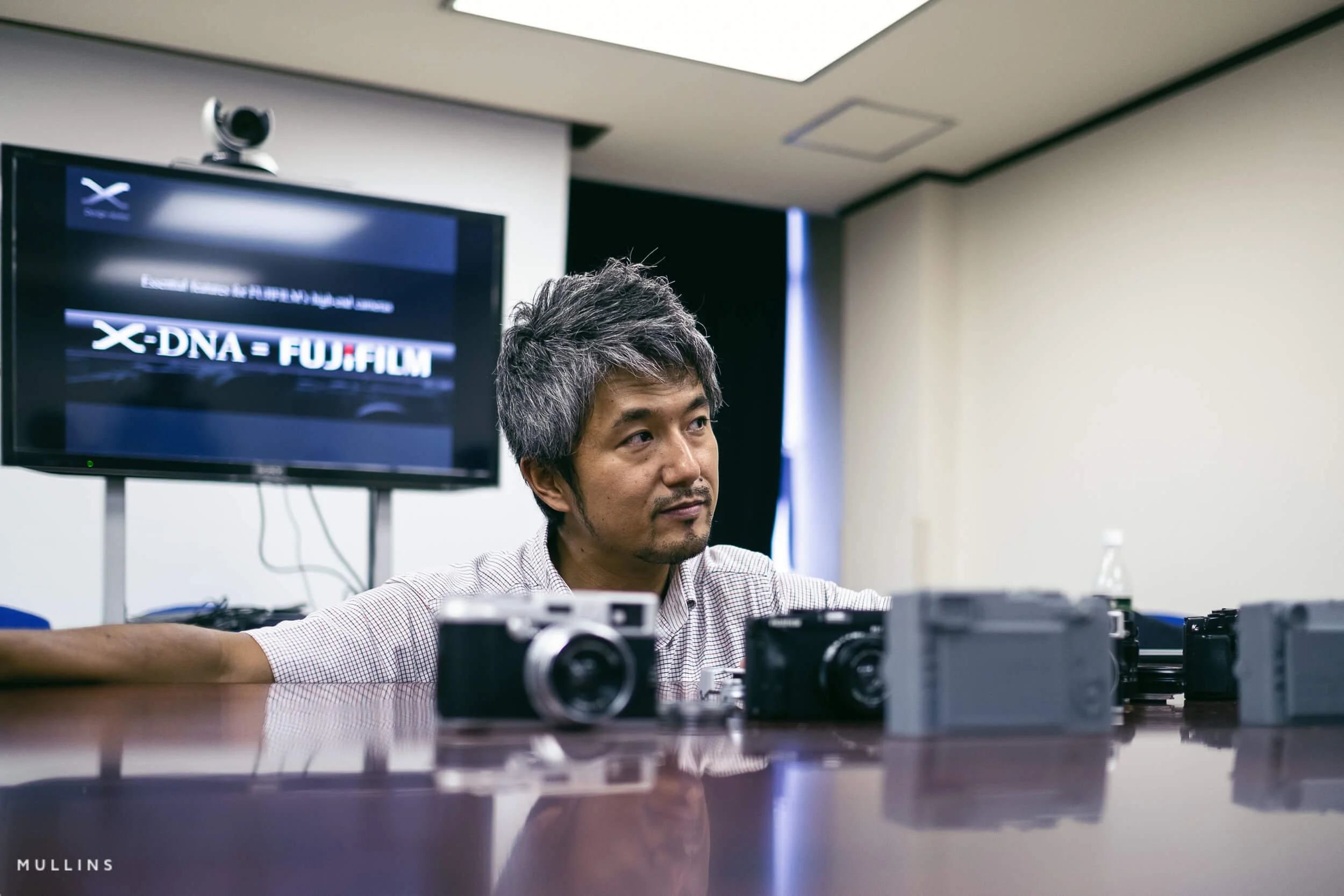
Prototype design conversations and X-DNA Discussions.
A quick word about the current UK X-Photographers
Before I go anywhere near the “how it ended for me” bit, I want to put a couple of names front and centre, because this post is not meant to be me looking backwards.
If you’re reading this because you want to become a Fujifilm ambassador, go and spend ten minutes looking at the current UK X-Photographers. Not as a list of people with a title, but as a list of photographers who are doing the work at a level that makes them impossible to ignore.
Two I rate massively are Josh Edgoose and Oliver Wheeldon.
But look at them all. I’m sad my face is no longer on that gallery, but I’m happy it was there once.
If you want to turn that gallery into something practical, here’s what I’d suggest you look for when you view their work:
Consistency: Can you spot their images in a grid without seeing the name?
Decision-making: What do they leave out, not just what they include?
Intention: Does it feel like a photographer who knows what they’re trying to say, even when the subject changes?
Professional presence: not hype, just steady, credible, useful output.
That’s the bit most people miss when they ask me, “Who do I speak to?”
Fujifilm (and any camera brand, really) is far more likely to notice someone who has built that kind of body of work and who contributes to the wider community than someone who simply wants the label and is driven by ego.
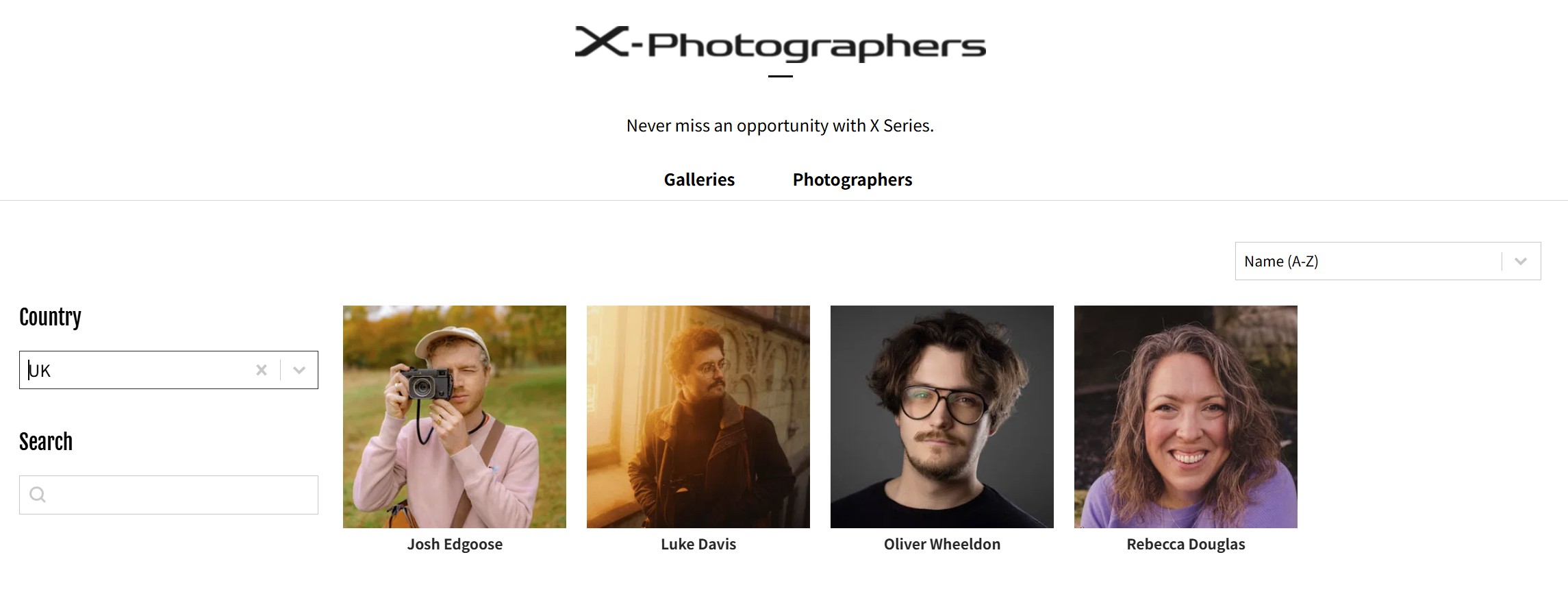
The current Fujifilm UK X-Photographers. Sadly, I’m no longer there, but everyone on the list deserves to be there.
Wedding work on Fujifilm over the years
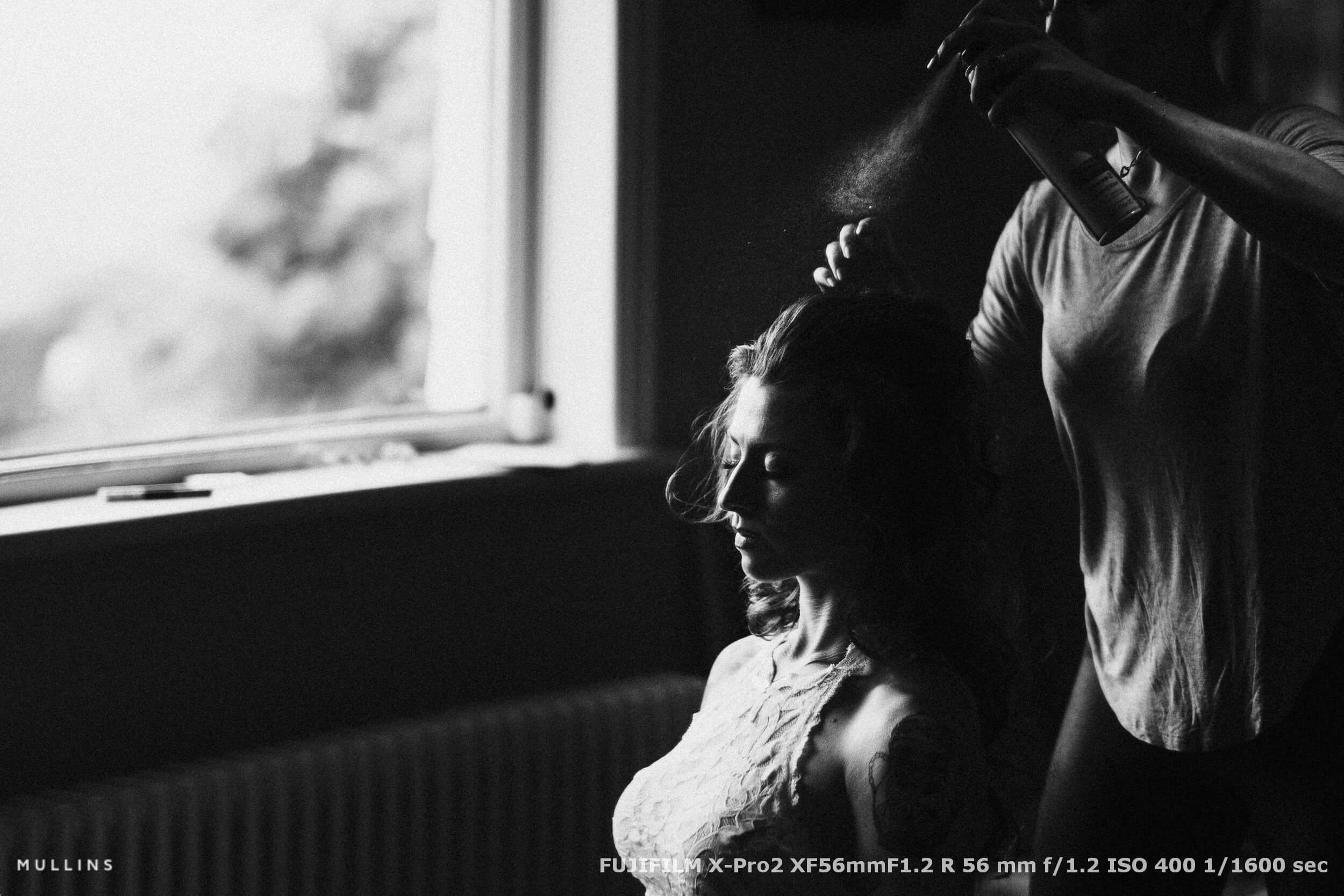
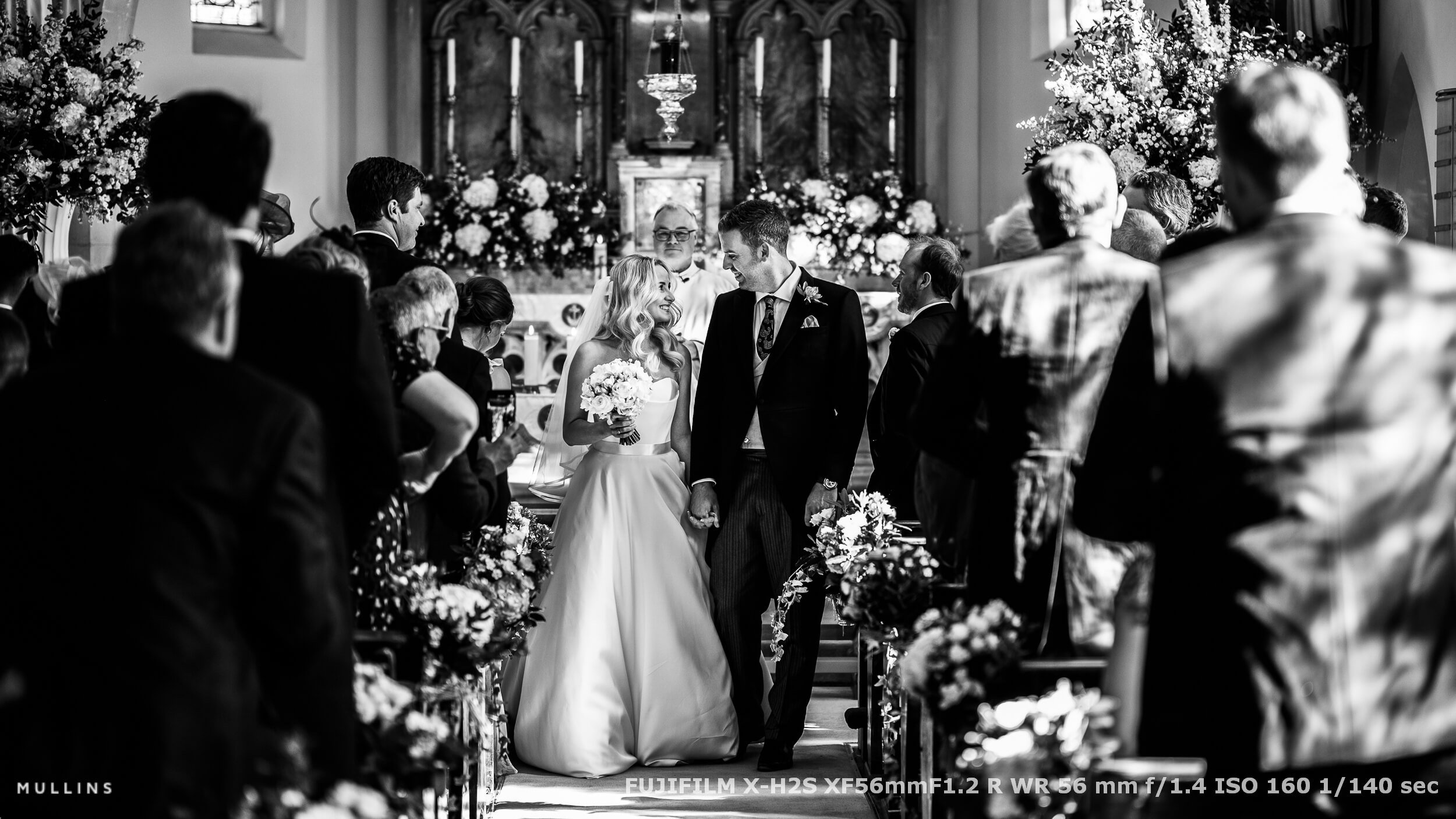
Here’s a selection of my wedding photography made on Fujifilm cameras over the years. It’s a mix of different venues, different light, and all the usual unpredictability that comes with a wedding day, but it shows the sort of work I’ve produced with the system across a long stretch of time.




What gets you noticed
There’s no magic contact: the “who do I speak to?” question misses the point.
Do the work first: Fujifilm (and any brand) is far more likely to notice someone who’s built a strong, consistent body of work.
Be useful to the community: contribution, teaching, and showing up tends to beat chasing a label driven by ego.
When it ended (and why I’m still here)
At some point, every brand programme changes. People come in, people move on, priorities shift, and the marketing plan gets rewritten by someone who wasn’t in the room at the beginning. That’s not a complaint, it’s just how it goes.
For me, Fujifilm UK changed their ambassador programme and my time as an X-Photographer came to an end. I wrote about it at the time because I didn’t want rumours doing the rounds, and I didn’t want anyone thinking I’d suddenly fallen out with the brand.
I was sad, very sad, of course, and still am (I’d love to still be involved), but I was also very clear on one thing. I wasn’t about to throw my toys out of the pram and “jump ship”. I still enjoy using the cameras, and I was waving the Fujifilm flag because the kit was doing what I needed it to.
And that’s why I keep this entire blog going, and I hope people find it interesting and useful.
That’s the line I’m going to keep repeating through this post, because it’s the difference between being attached to a title and being attached to your own work. The badge went away. The photography didn’t, and neither did my clients.
I’m also genuinely grateful for what came with it. Fujifilm UK and the team in Tokyo gave me opportunities I’ll never forget. Some of them were public, like talks and events. Some of them were less obvious, like being trusted to sit in rooms where ideas were being shaped.
And honestly, some of the best bits were the friendships and the community around it, which I don’t think you can fake even if you tried.
From what I’ve seen, the UK seems more willing to refresh and rotate ambassadors, whereas other regions often appear to keep people in place for much longer.
I’m asked way too often things like “Why is such and such still, and you and the ambassador are not? Did you get kicked out?”
I’m not pretending I know the internal thinking across every country, but it’s a noticeable difference from the outside. And it’s worth saying because it stops people from assuming there’s a single universal “Fujifilm process” that works the same everywhere.
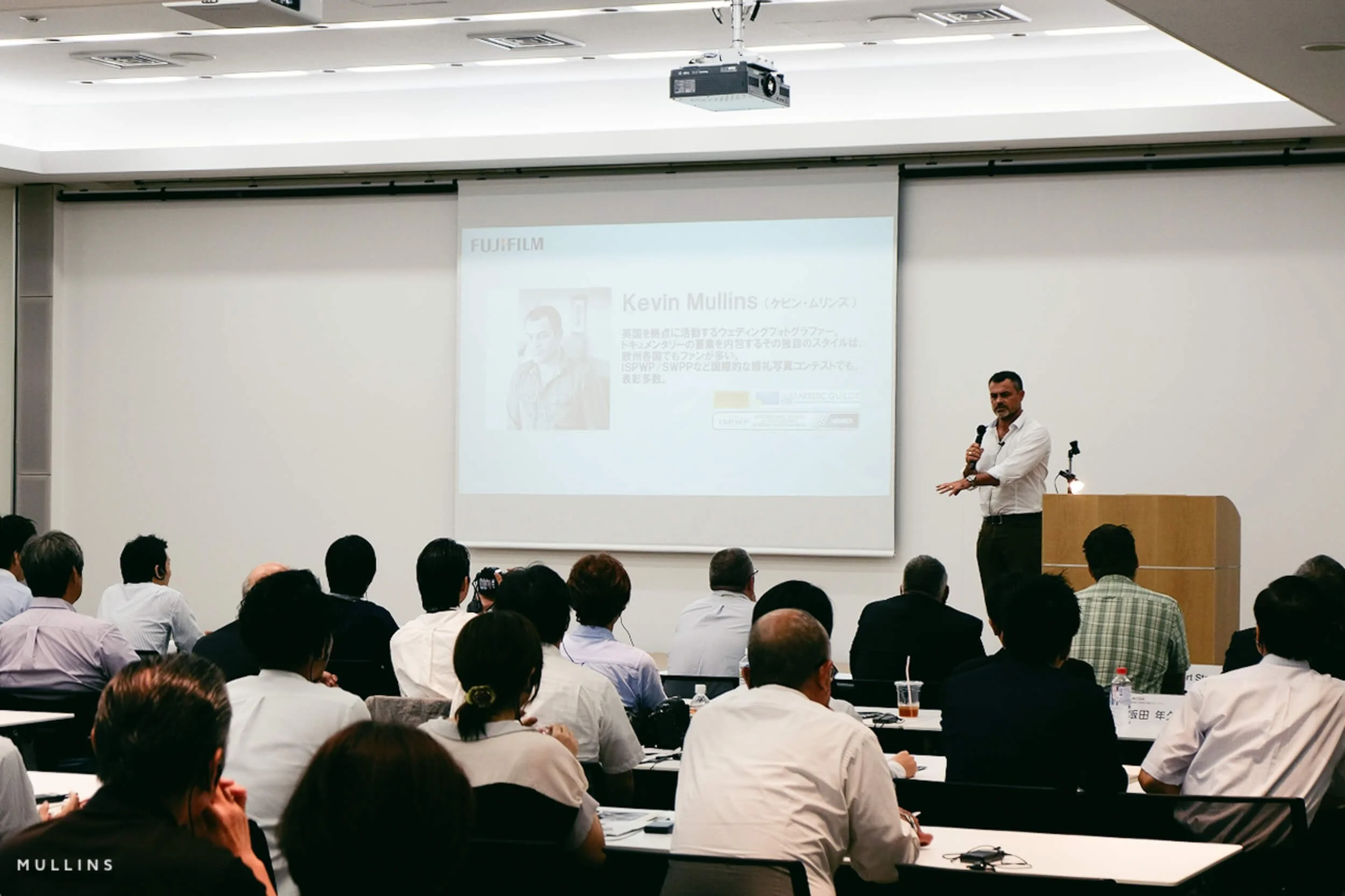
On stage in Japan presenting to engineers
Why I stayed loyal to Fujifilm after the badge went
When Fujifilm UK ended my ambassador role, it was an email. The message was essentially “we’re changing direction”, and it was done kindly. No corporate nonsense, no fallout, no awkwardness. Just a change. A nice meal followed, we shook hands, and we still have a good relationship.
I often have management from Fujifilm on The FujiCast podcast, which is a good example of the relationship we still have.
The part I want to be really clear about is this: I didn’t keep shooting Fujifilm because I used to have a title. I kept shooting Fujifilm because the system was still the best fit for how I work.
That was true before I became an ambassador, and it was true afterwards. And it’s still true as I write this piece. I’ve said it publicly before, and I still stand by it. I used Fujifilm because it was right for me and my business, not because I was on a list.
The ambassadors (of any camera brand) who immediately move on to a new system once they are dropped…well, they shouldn’t have been ambassadors in the first place.
That’s where the loyalty comes from on this site, I think. It isn’t blind loyalty, and it isn’t contractual loyalty. It’s earned. It’s years of using the cameras, pushing them in real situations, sometimes helping improve them, and building a way of working around them.
If I found a system that was genuinely better for what I do, I’d switch. I don’t say that to sound edgy or threatening. It’s just the reality of being a working photographer who cares about integrity. My clients always come first, and my readers deserve honesty.
“I’d rather be consistent and credible than loyal to a logo.”
Brands can spot the difference between someone who’s “team Fuji” no matter what, and someone who uses the kit because it genuinely suits their work.
The second one tends to be more useful.
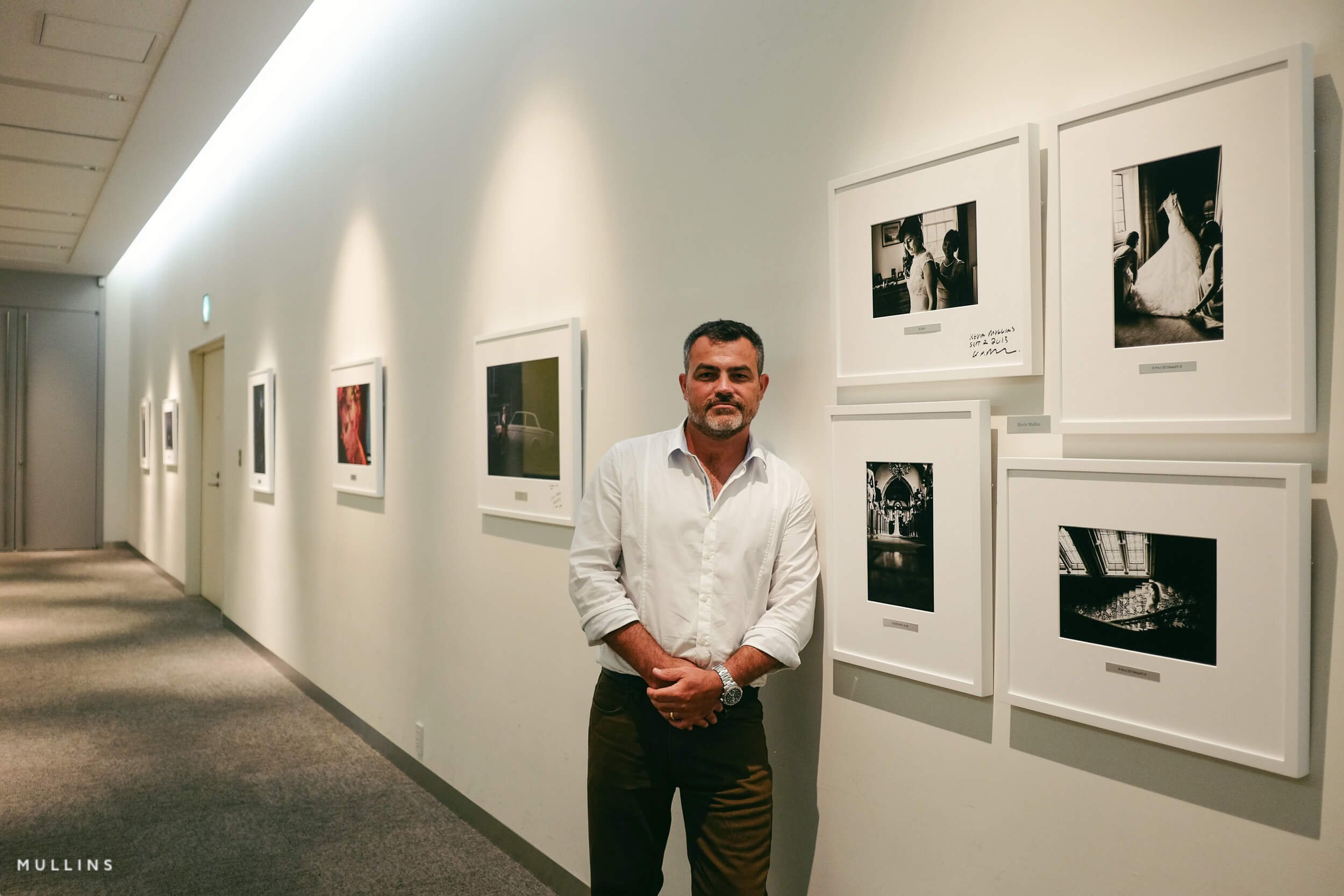
Me next to a set of my images at the permanent gallery, Tokyo Square.
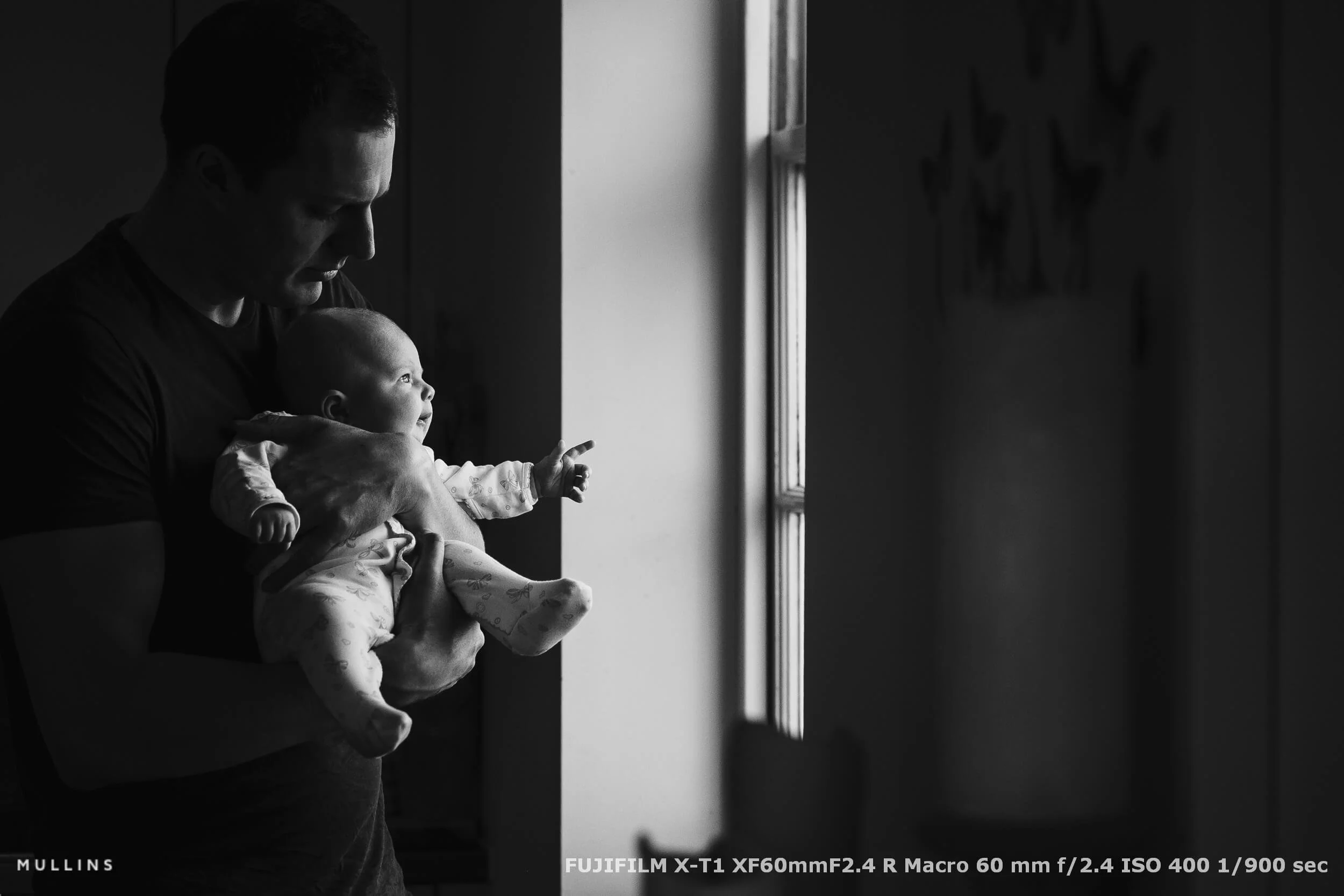
Family photography on Fujifilm
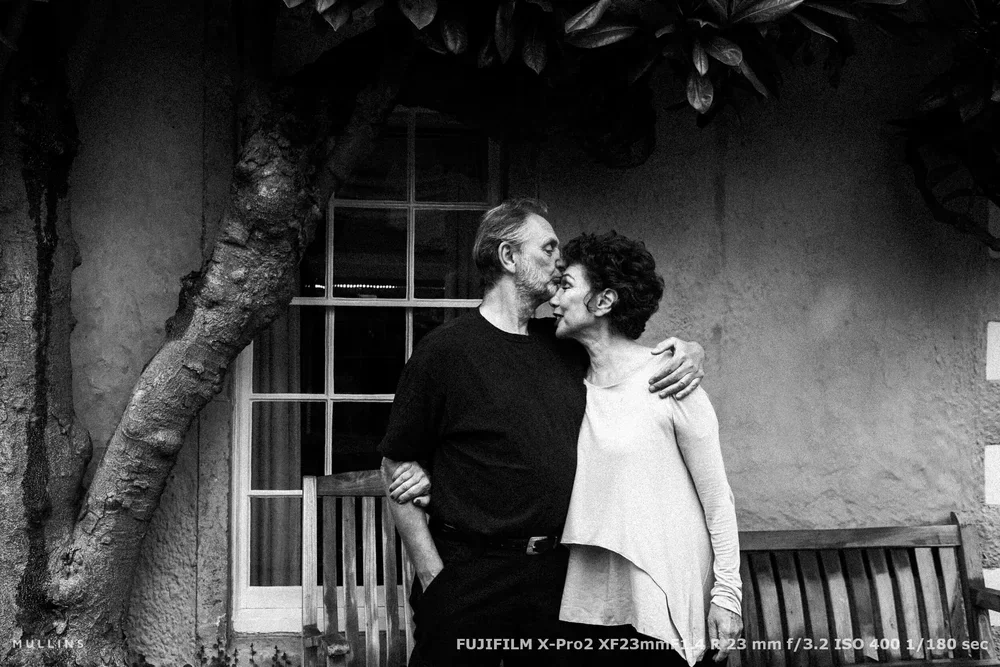
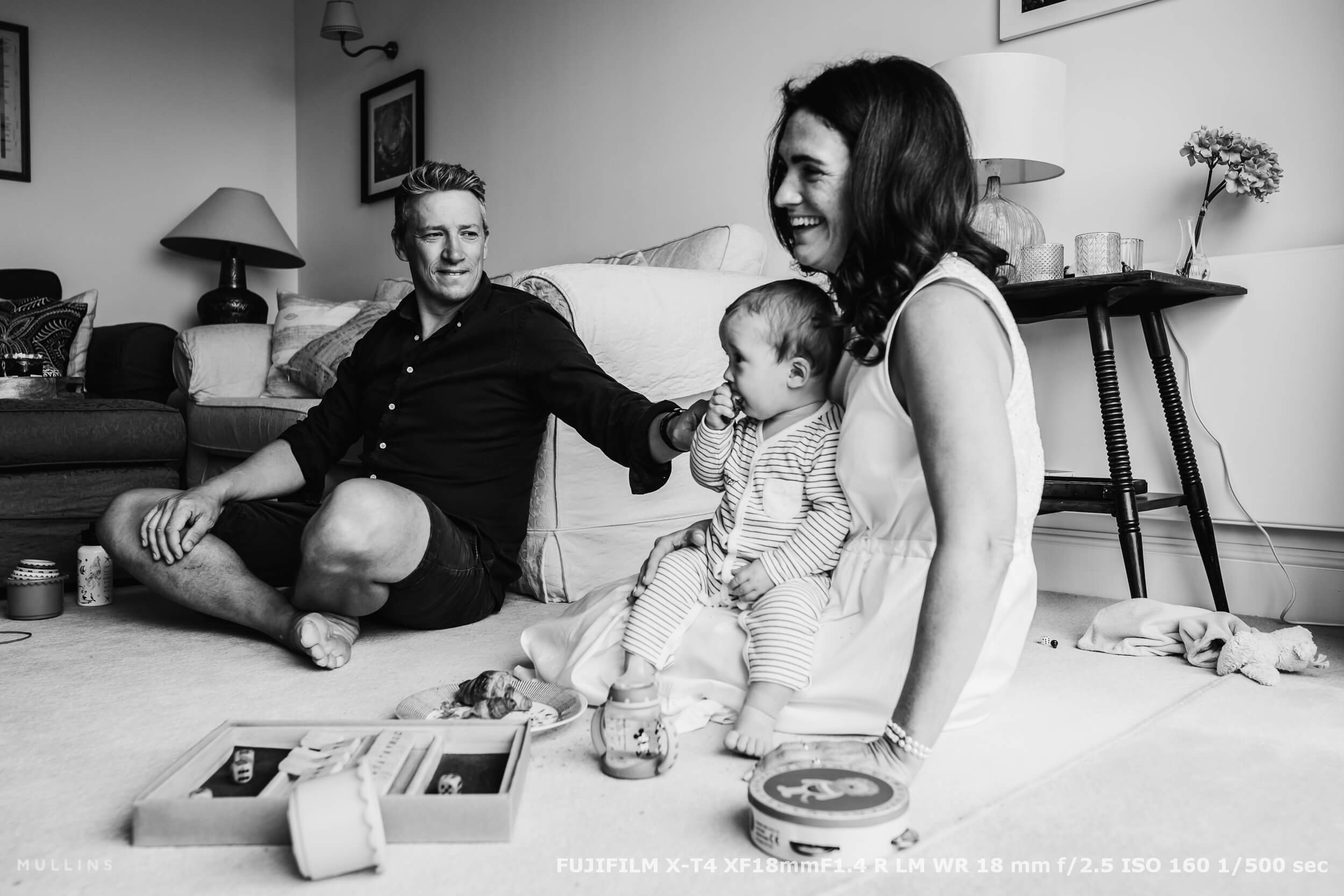
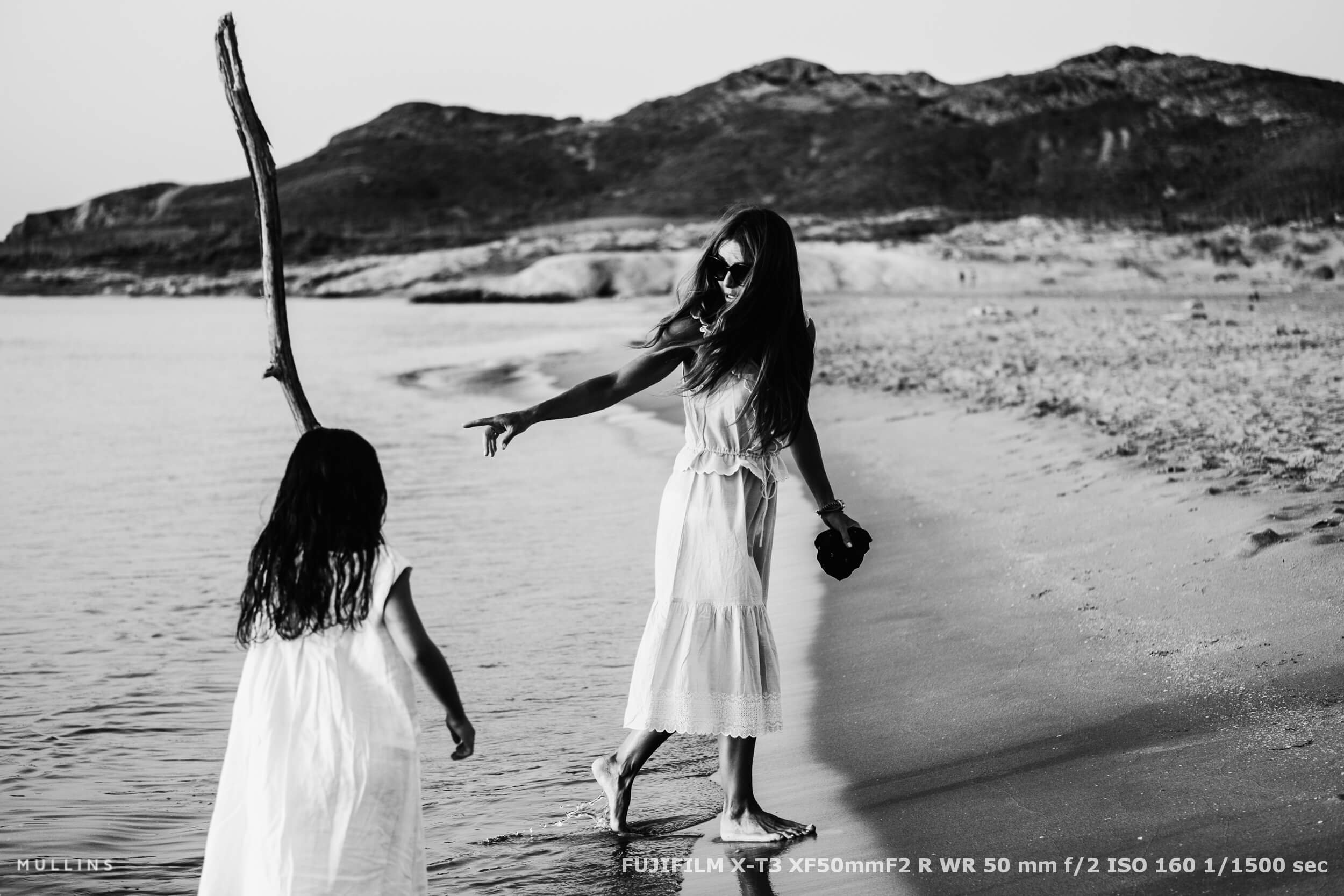
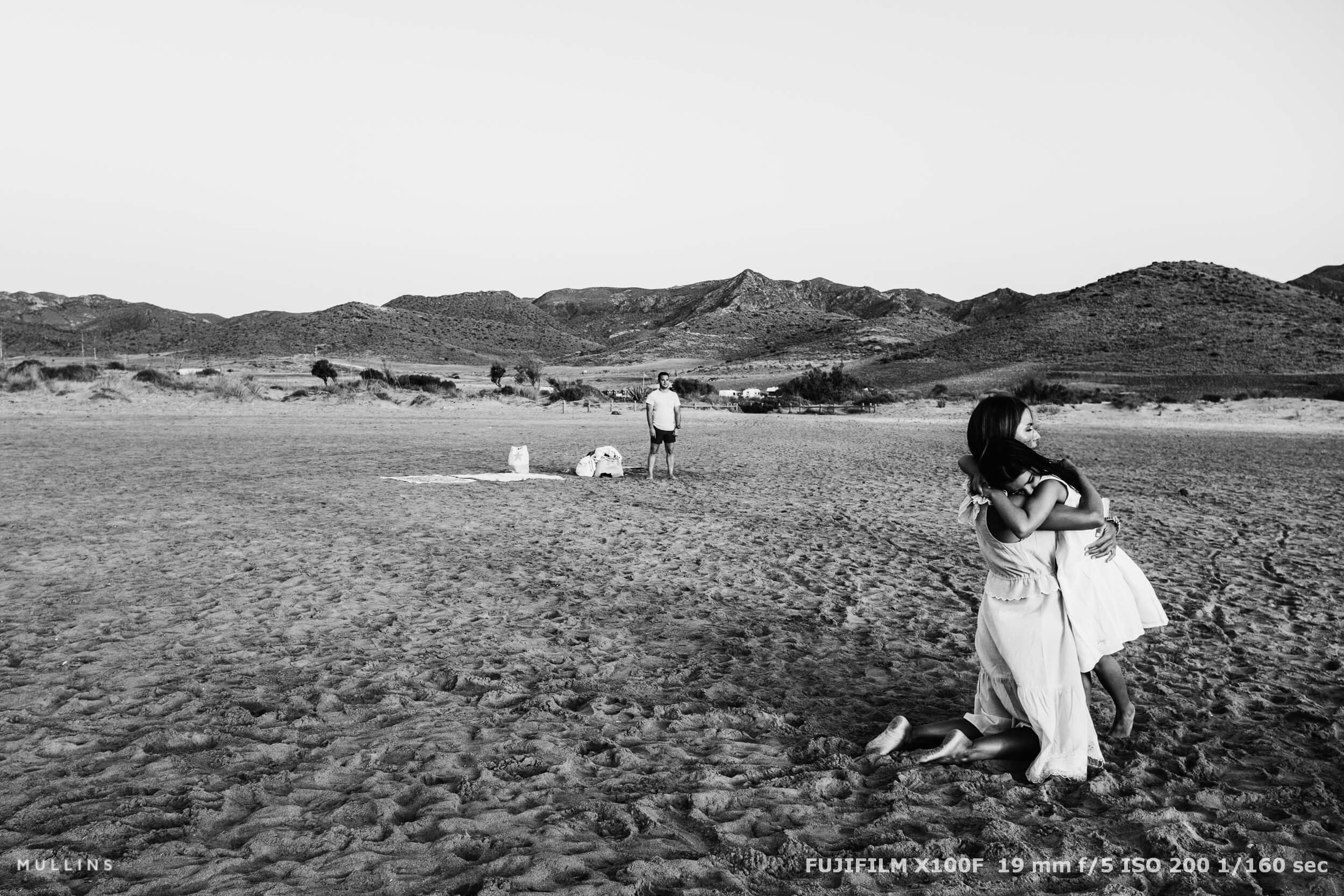
Here’s a selection of family photography I’ve shot for clients using Fujifilm cameras. These sessions are usually about keeping things relaxed and natural, with a bit of room for people to be themselves, and this set gives a good feel for the kind of images that approach produces across different families, homes, and light.

The practical answer in 2026
If someone in the UK asks, “How do I become a Fujifilm ambassador?”, this is the most useful answer I can give.
Fujifilm UK have basically published the route. They prefer to build a working relationship first, typically over around 12 to 18 months, before considering anyone for the ambassador programme.
That’s not me guessing. That’s them saying, in plain English, that they want to work with you across a handful of projects before anything official happens.
So, what does that actually mean in real life?
Treat it like a long game: you’re not applying for a job. You’re building proof over time that you’re a safe, useful, reliable person to work with.
Do the kinds of work they can actually use: Fujifilm UK explicitly mentions things like running a workshop or photo walk, writing a blog interview piece, trying new kit before launch, providing sample shots, and creating social content such as a reel.
Be professionally established: they state that you must be working as a professional photographer or videographer as your main source of income.
Expect brand loyalty expectations: in the UK guidance, they also state you must be shooting all your professional work exclusively on the Fujifilm kit you’ve purchased yourself.
That last point matters because it ties into what I said about integrity. The best ambassadors are the ones people trust, and trust tends to come from consistency and honesty, not from someone who changes brands every six months because a new box turned up.
This, I hope, is where the “who do I speak to?” question gets laid to rest.
Fujifilm UK tell people to tag them and use their hashtag if they want the social team to notice work worth sharing. How times have changed.
Influential beats “influencer” every time
A lot of the “how do I become a Fujifilm ambassador?” questions aren’t really about photography. They’re about access. Free kit. Being on the inside. That sort of thing.
Fujifilm doesn’t need another person who wants a badge or who has purchased 20,000 Instagram followers because they are driven by ego. They need photographers who are already doing the work, already invested in the system with their own money, and already showing a level of work ethic that makes them safe to attach a brand to.
It’s something you earn, not something you’re entitled to.
And if anyone thinks that’s just me trying to sound noble, the Tokyo trip is the reality check. I wasn’t flown over to “be important”. I was asked to present, talk to engineers and designers, and do the unglamorous part that nobody puts on Instagram. Two presentations, long meetings in small rooms, a report written in advance, and interviews with the press.
Hard work, basically.
Honestly, this stuff doesn’t start with freebies. It starts with commitment.
And this is where the “fanboy” accusation comes in.
Over the years, I’ve been called a Fujifilm fanboy more times than I can count, usually by people who don’t know me, don’t know my work, and don’t particularly care about the truth.
They just want a label they can throw, because it’s easier than engaging with what I’m actually saying.
The irony is, my loyalty has never been blind. It’s been earned. I’ve used Fujifilm because it suits my work and my shooting style. If I found a system that was genuinely better for what I do, I’d switch. That’s not disloyalty, that’s integrity.
What really gets me, and I’ll say it plainly, is the keyboard warrior side of it. The weird little sniping comments, the jealousy dressed up as “calling you out”, the assumptions made with absolute confidence by people who were never in the room and have no idea what the job involved.
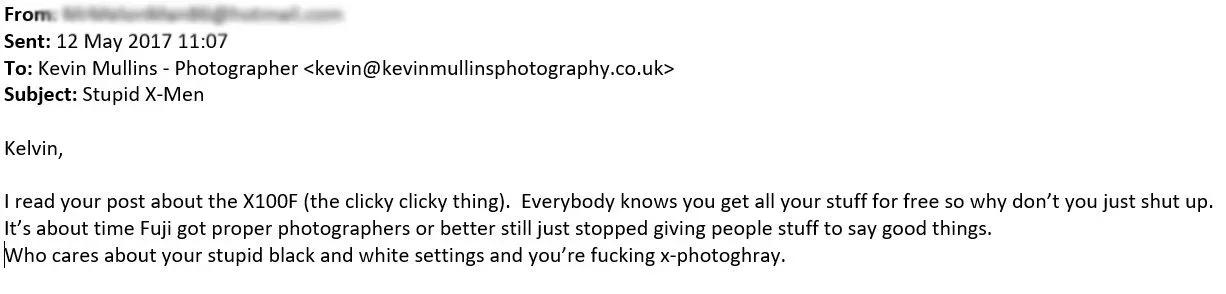
An example of one of the many messages I received over the years.
It’s ugly. And yes, it makes me angry. It makes me sad too, if I’m being truthful, because it chips away at the part of YouTube that’s meant to be about sharing and learning. People will have noticed I post far less these days on YouTube, and that’s a big reason why. I’m not interested in feeding that energy.
If you want to disagree with me, fine. If you want to debate cameras, brilliant. But if your whole contribution is “fanboy” or “shill” or whatever word you’ve learned this week, you’re not making a point. You’re just announcing you don’t have one.
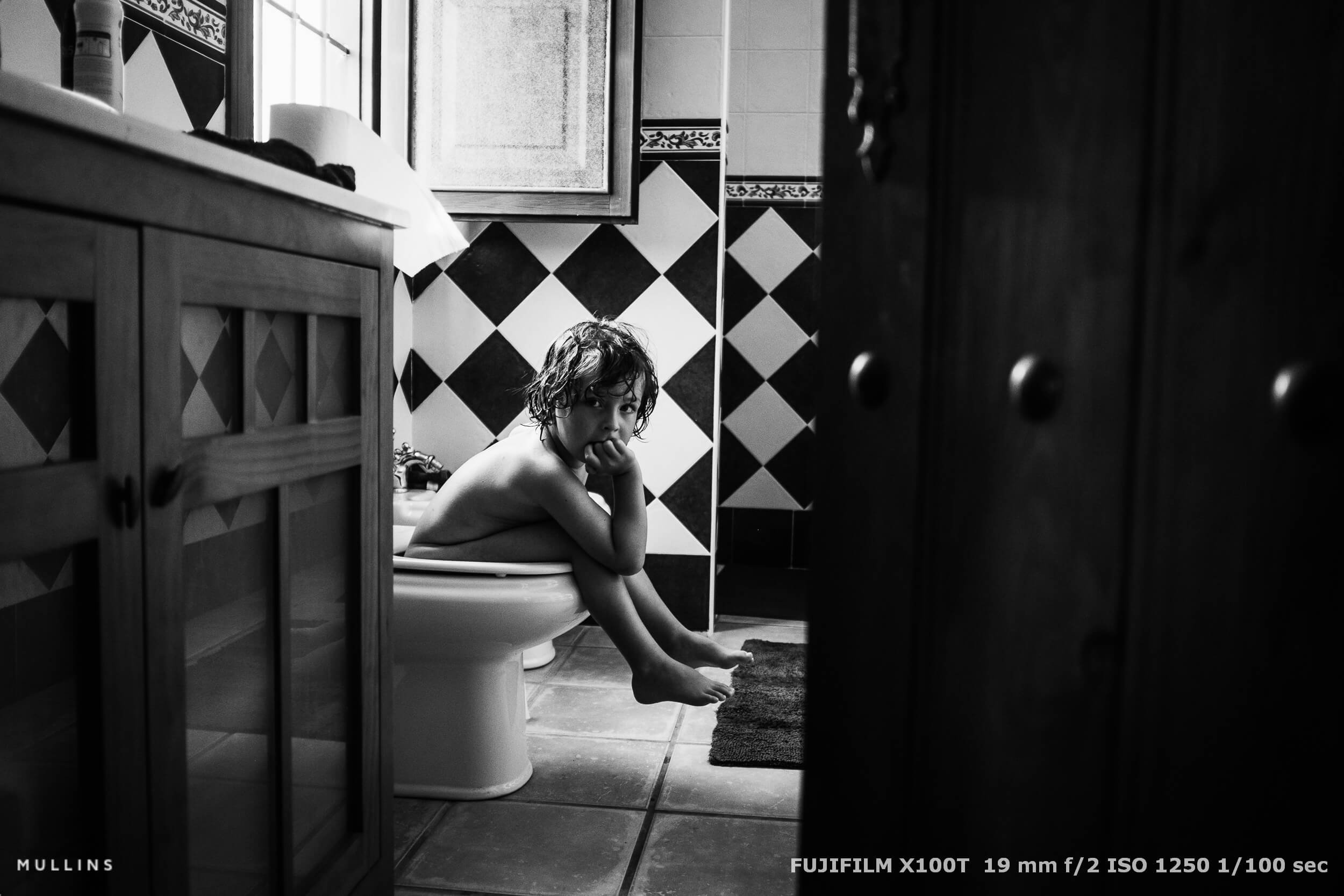
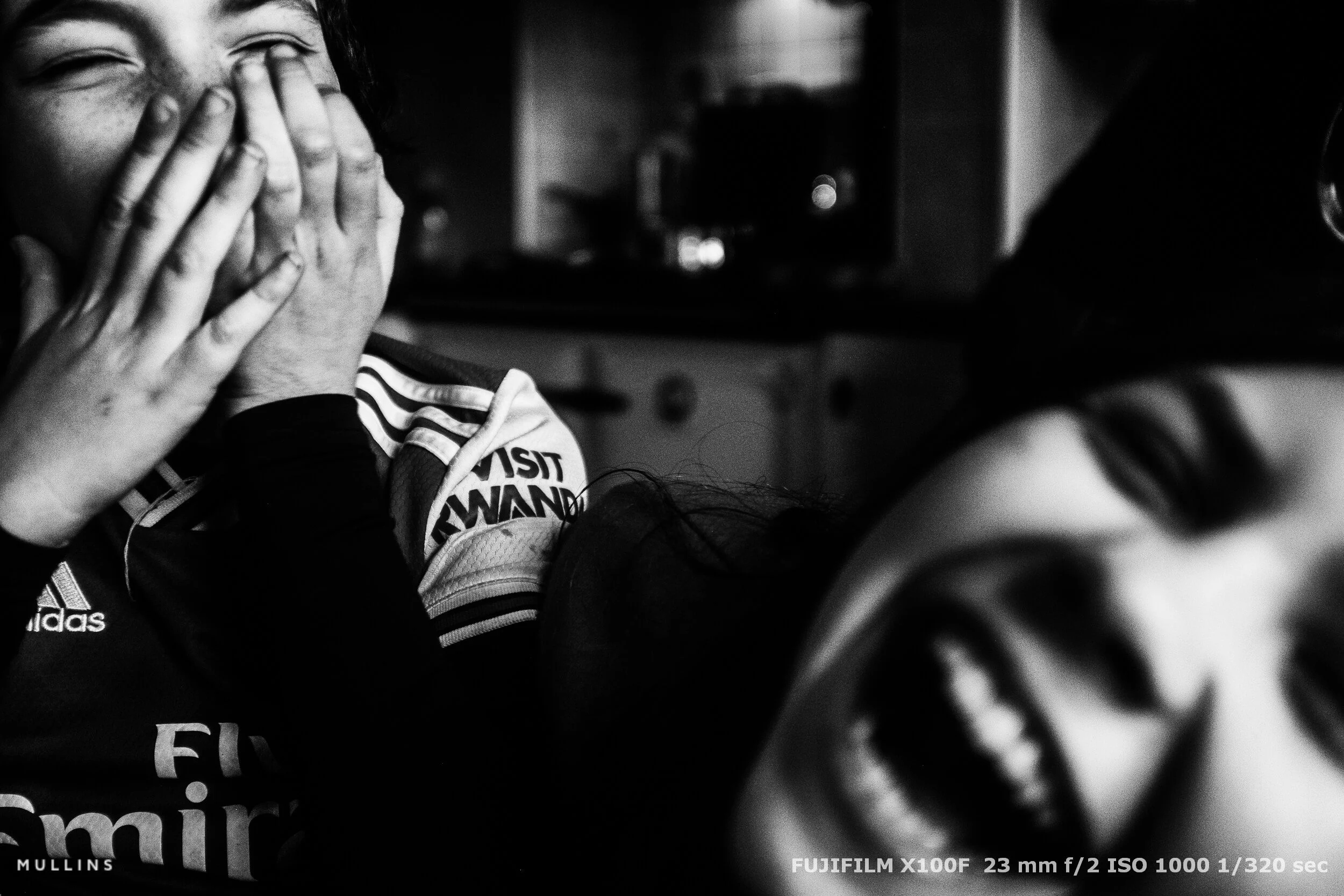
Personal work on Fujifilm
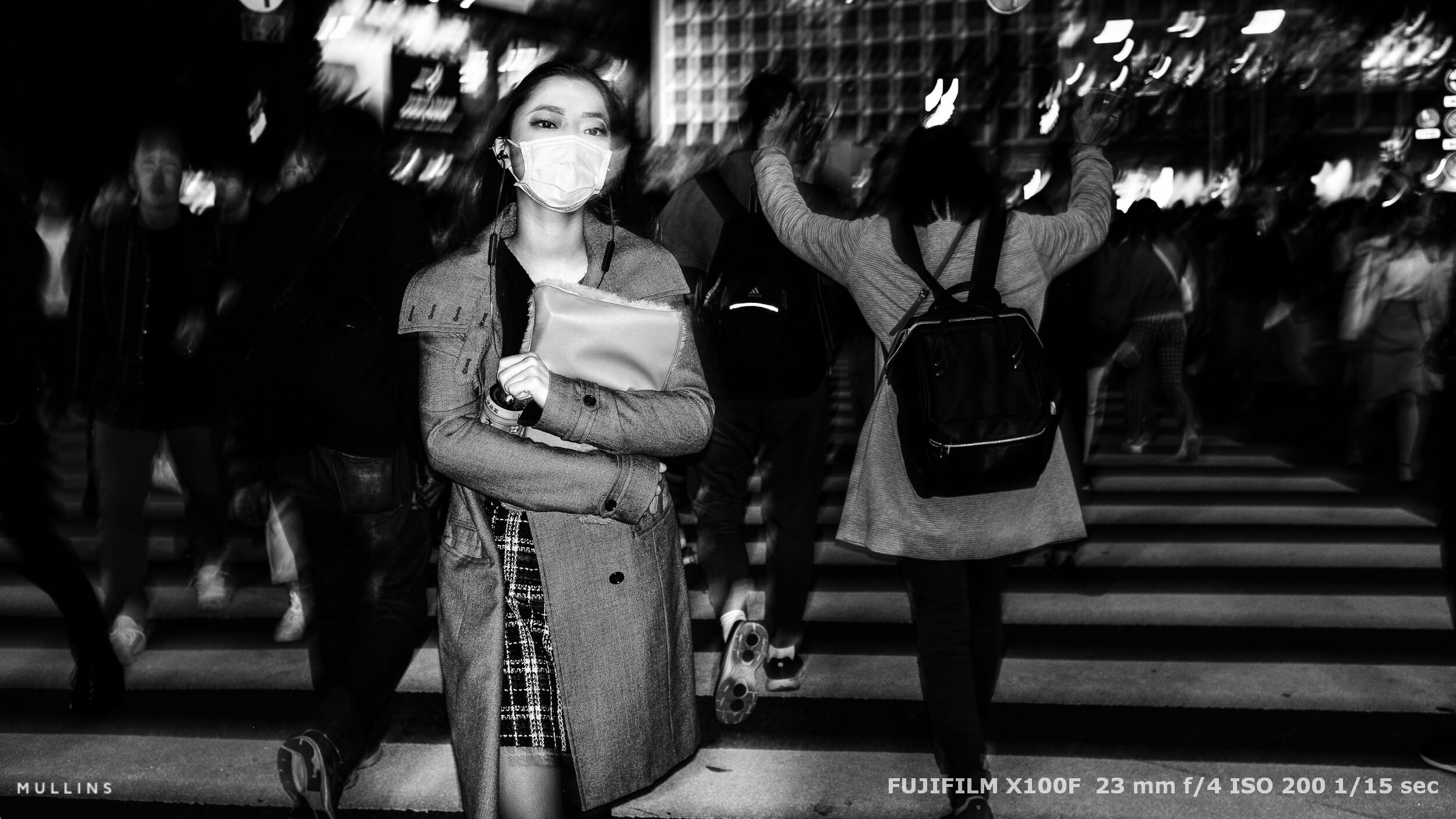
And here’s a small gallery of my own personal photography made with Fujifilm cameras over the years. These are the quieter pictures, the ones I take for myself when there’s no client brief and no pressure, just a camera in my hand and a moment worth noticing.





The End?
So that’s the truth of it, as plainly as I can put it. From now on, when I’m asked “How do you become a Fuji Ambassador?”, I’ll refer them here.
I didn’t step away from Fujifilm. Fujifilm UK changed direction, they kindly told me, and my time as an X-Photographer ended.
And yes, I’m still sad about it. I probably have said that already, but it’s because it’s still true.
Not because I miss a title or being “on a list”. It’s because I loved being part of something that felt bigger. I loved the people. I loved the sense that what we were doing mattered, even when it was just arguing about buttons in a meeting room or hammering a camera in ways that only working photographers ever do.
And I’m proud of what came out of those years.
If you’re reading this because you want to become a Fujifilm ambassador one day, I hope this post helps you understand what’s actually required. It’s not about knowing the right person. It’s not about follower numbers. And it’s definitely not about free kit. It’s about showing up, doing the work, and building enough trust that a brand is happy to put your name alongside theirs.
And if it never happens for you, that’s not failure either. The badge isn’t the point. The work is the point. The people you help along the way, the photographers you encourage, the community you contribute to, the photographs you make when nobody’s watching. That’s the real stuff.
I’m going to keep doing what I’ve always done on this site: sharing what I know, showing the work, talking honestly about the gear, and trying to be useful.
If that helps a few photographers along the way, brilliant. If it inspires someone to pick up a camera and stick with it a bit longer, even better.
And if you still feel like asking me, “Who do I speak to?”, you already know my answer.
Becoming an ambassador shouldn’t be the ambition. It should be the reward.
Want to support my work?
If you’ve found this post useful and would like to support the work I do here, the simplest way is to check out my Lightroom presets, workshops, books, online courses, and plugins.
They’re all built around the same idea as this article: real-world photography, done properly, with tools and teaching that help you get there a bit faster.