


At a glance
Camera: Fujifilm X100VI • Sensor: 40MP X-Trans • Lens: Fixed 23mm f/2 • Stabilisation: IBIS • Use case: Fast, candid day out with back-to-back moments.
Why these samples: Real-world scenes rather than test charts. I prioritise timing, light and composition over technical perfection.
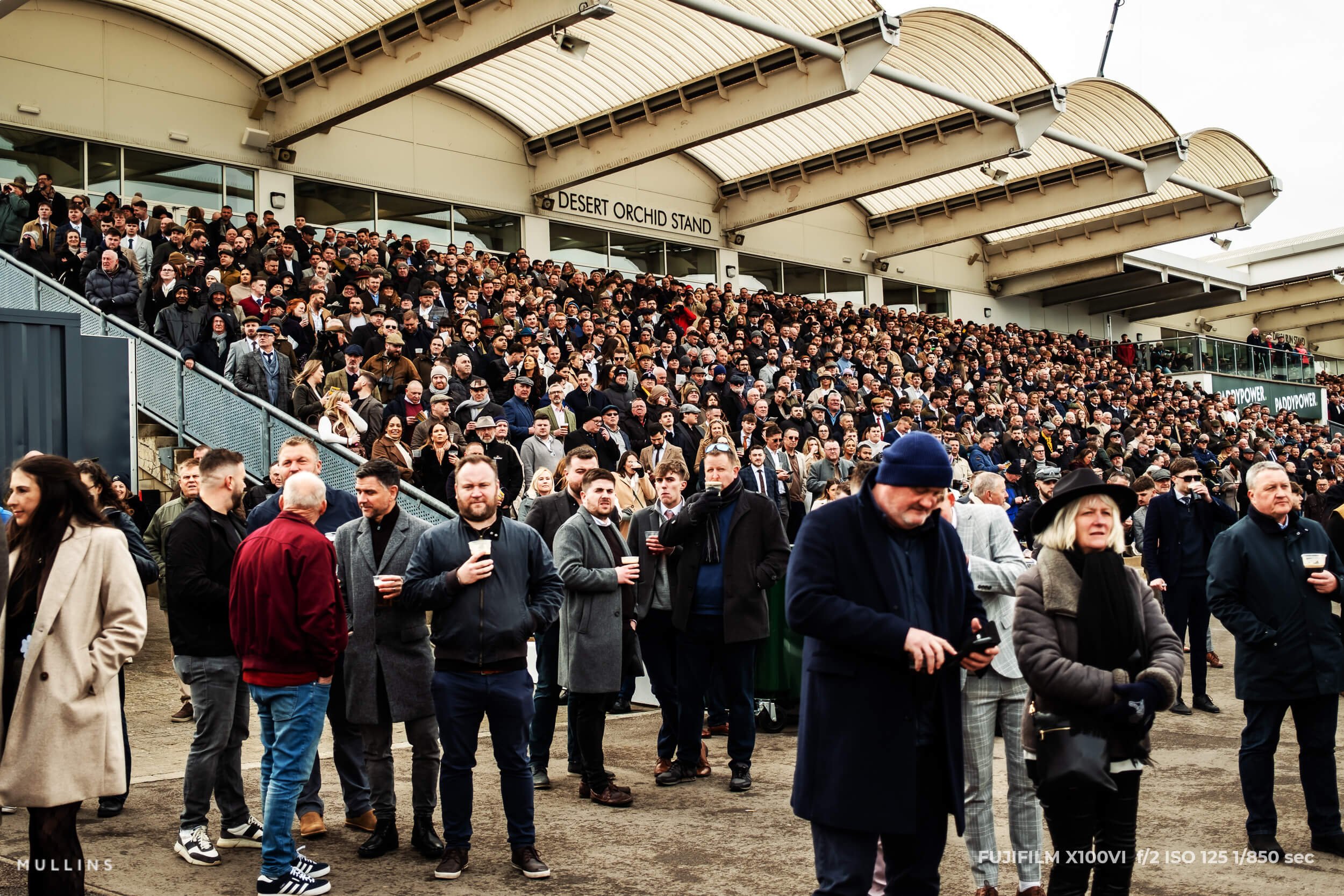
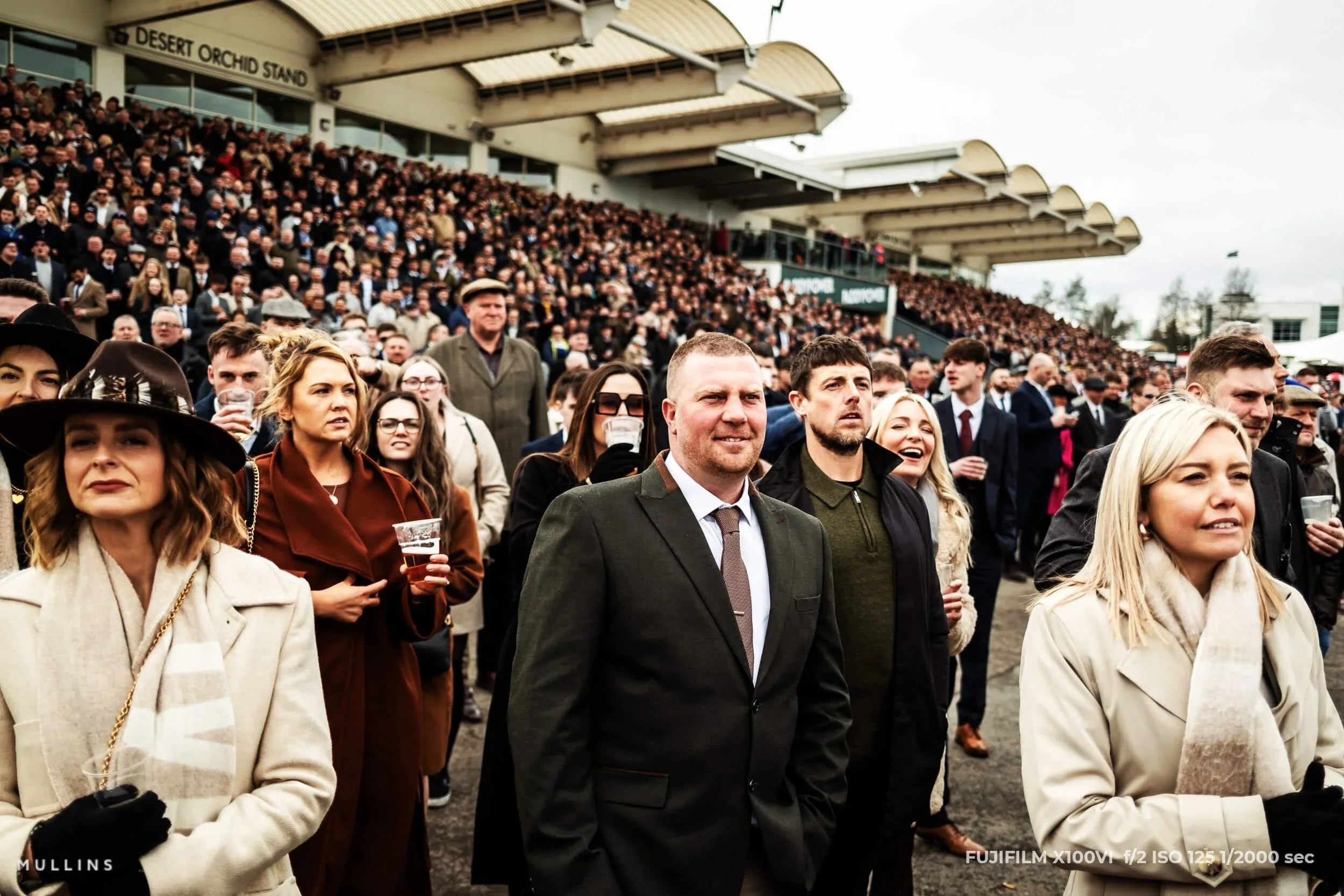
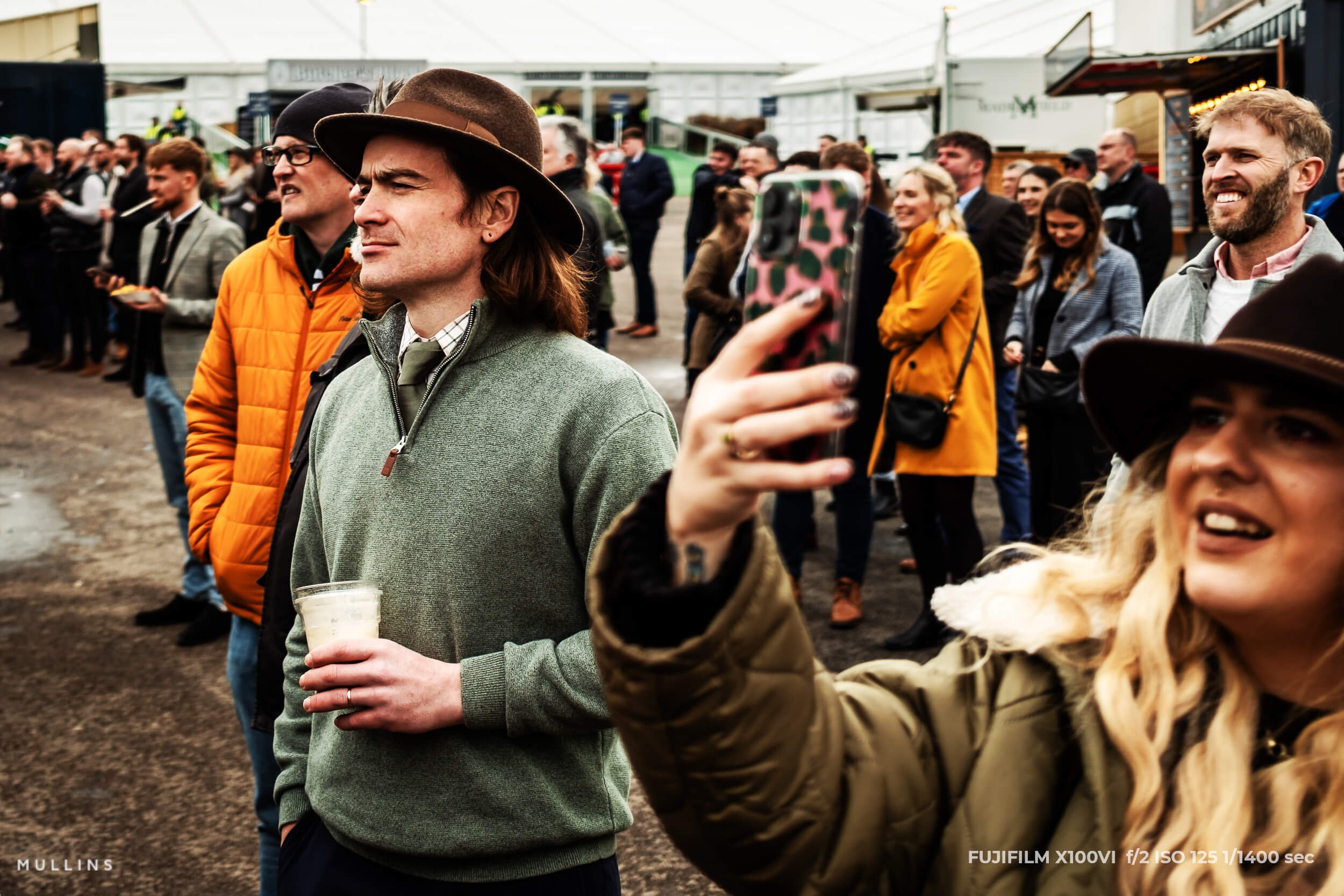
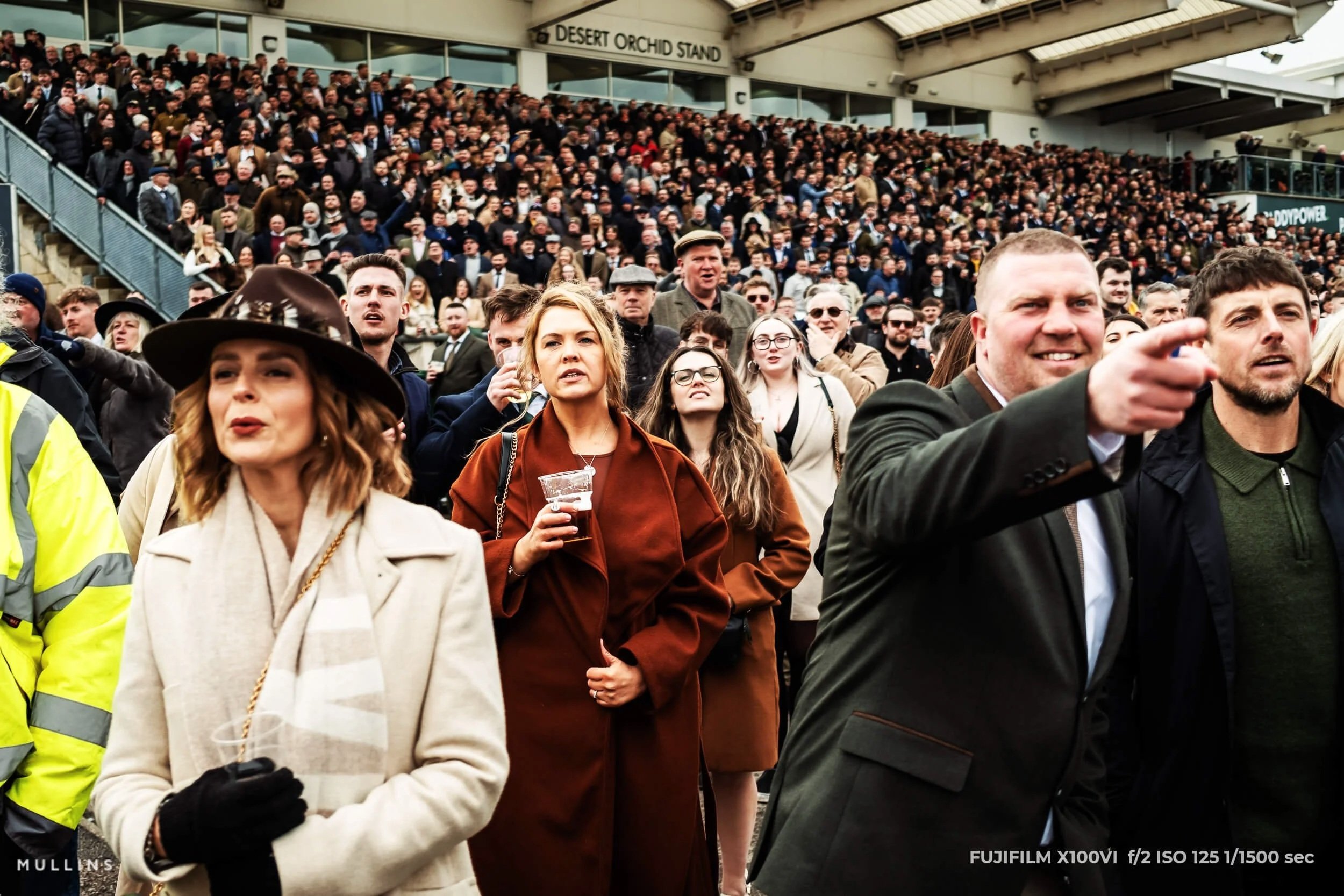
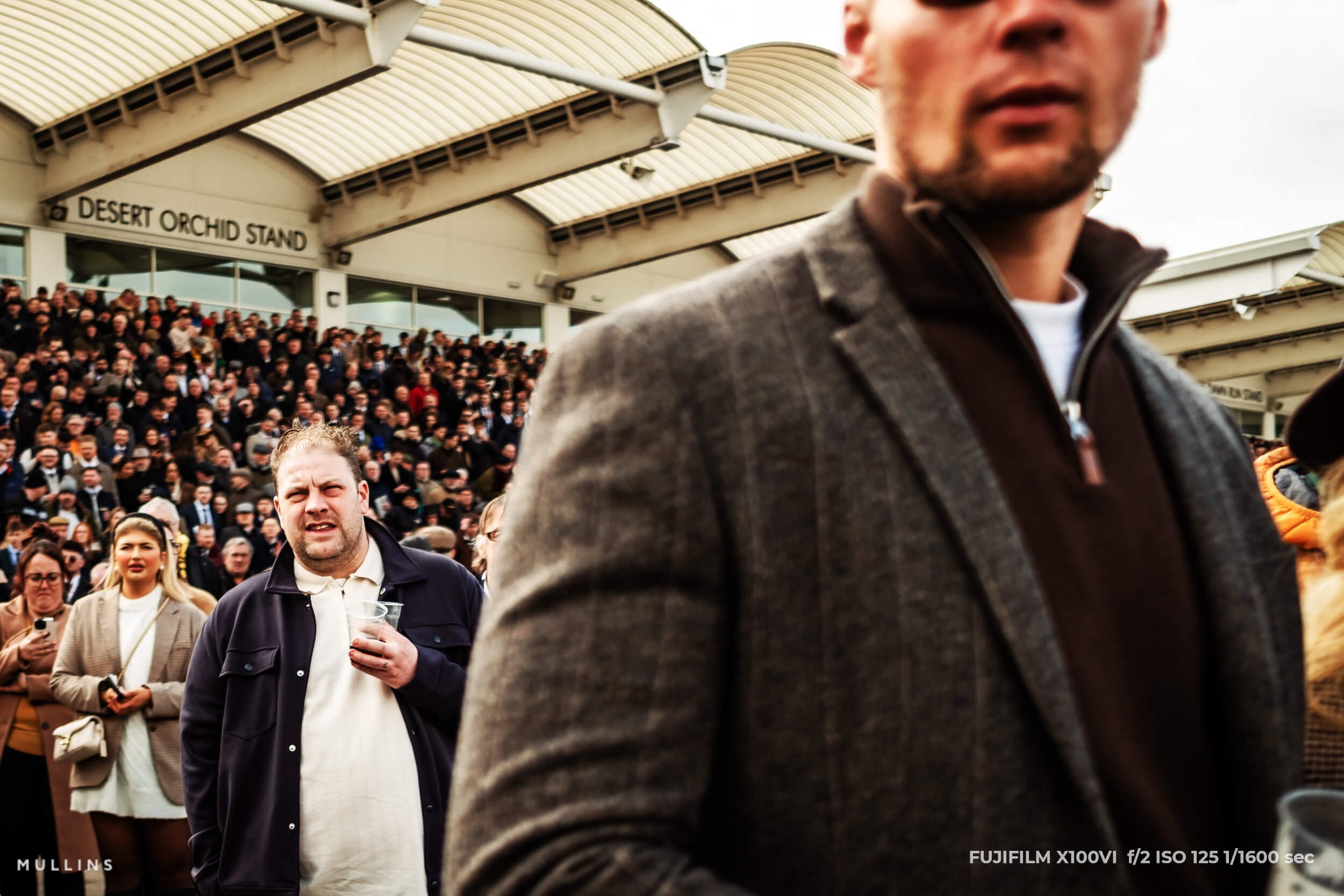
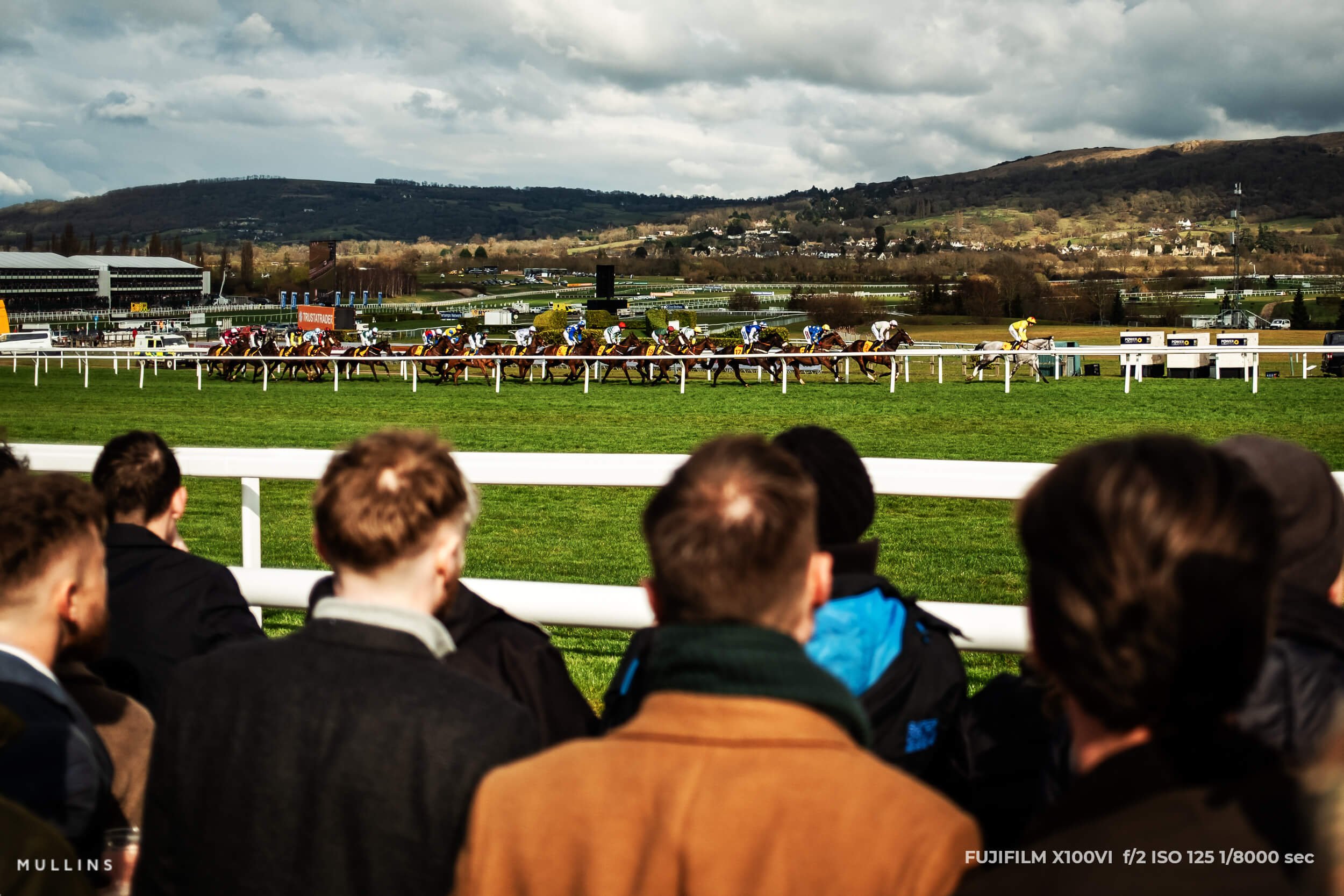
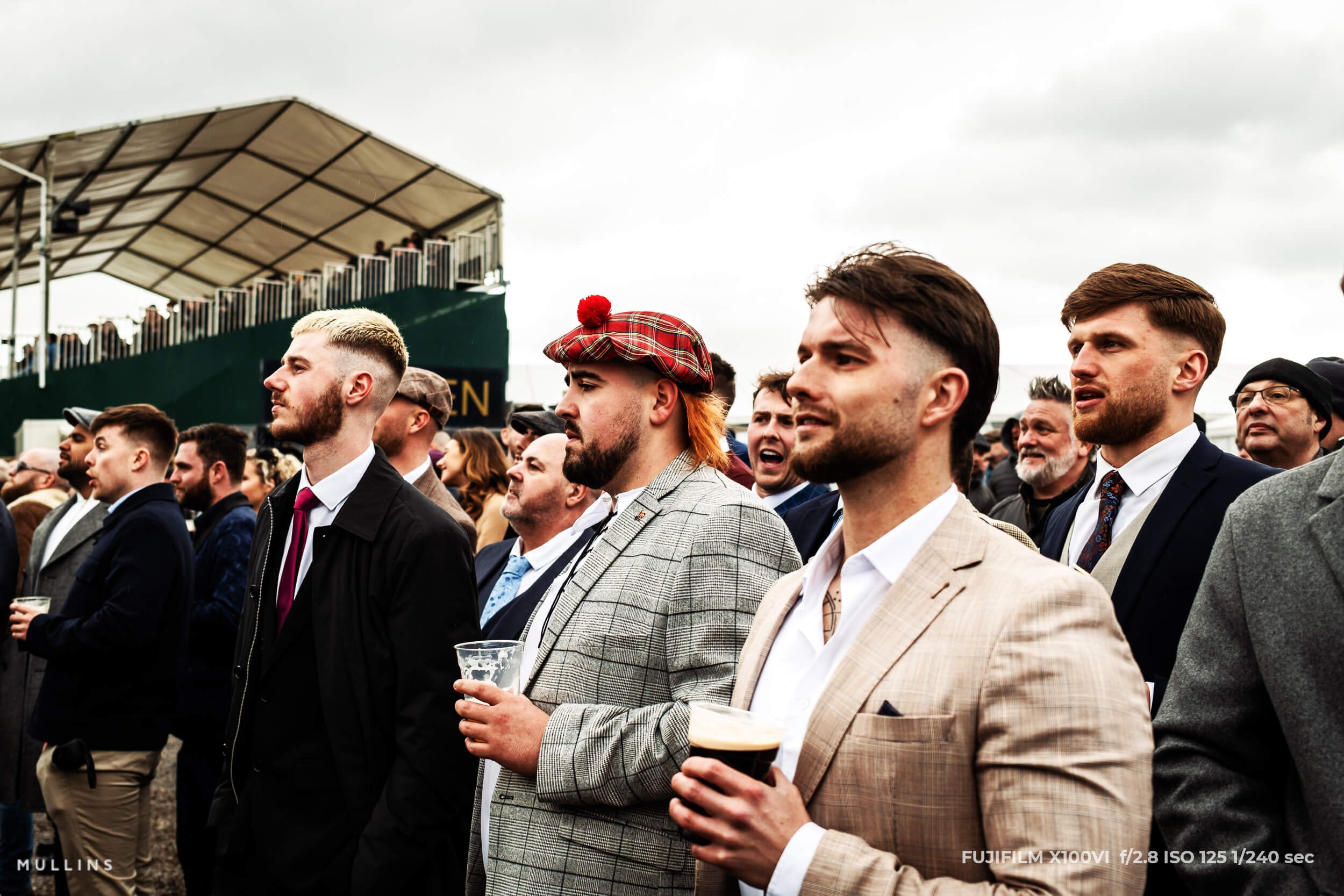
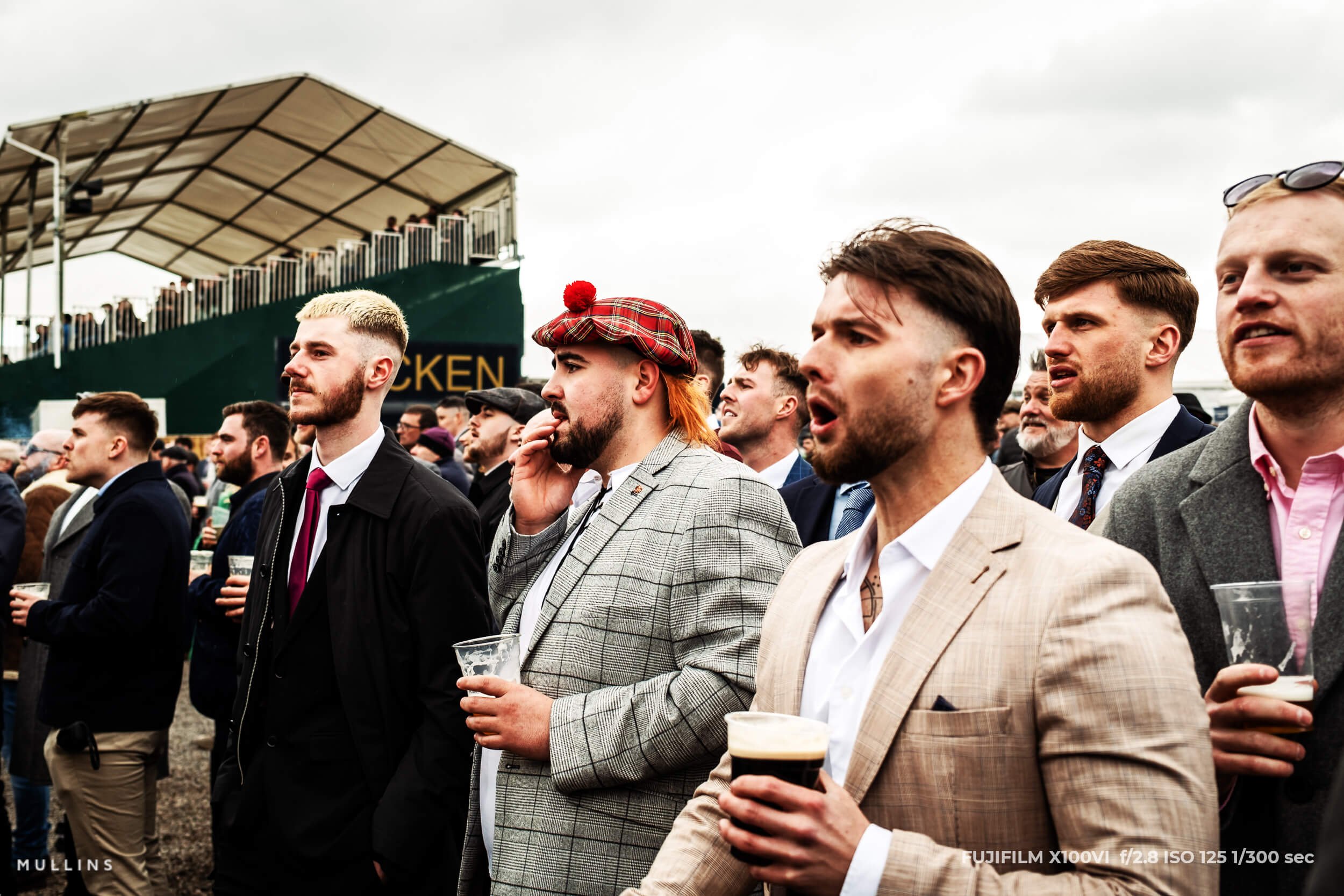
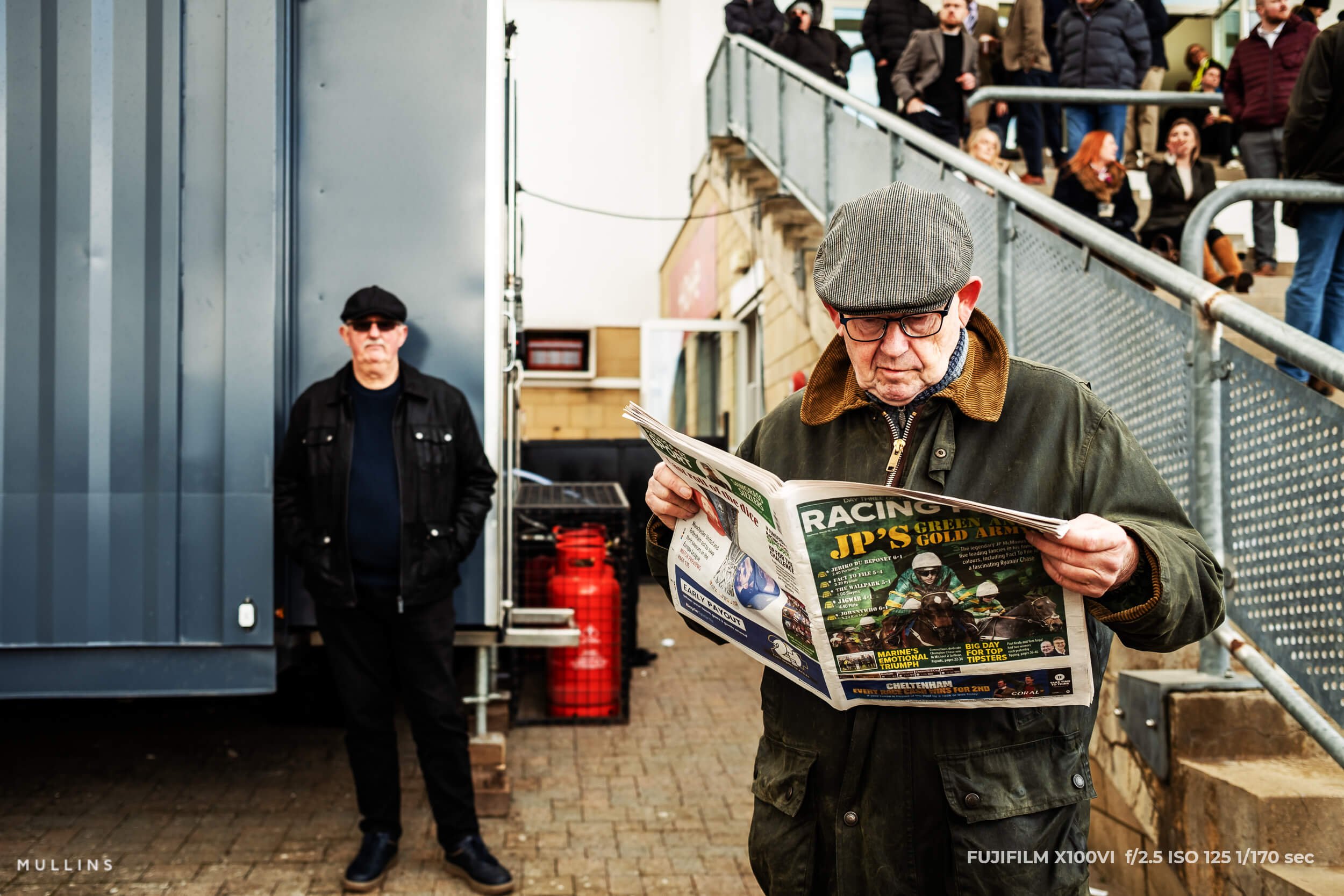
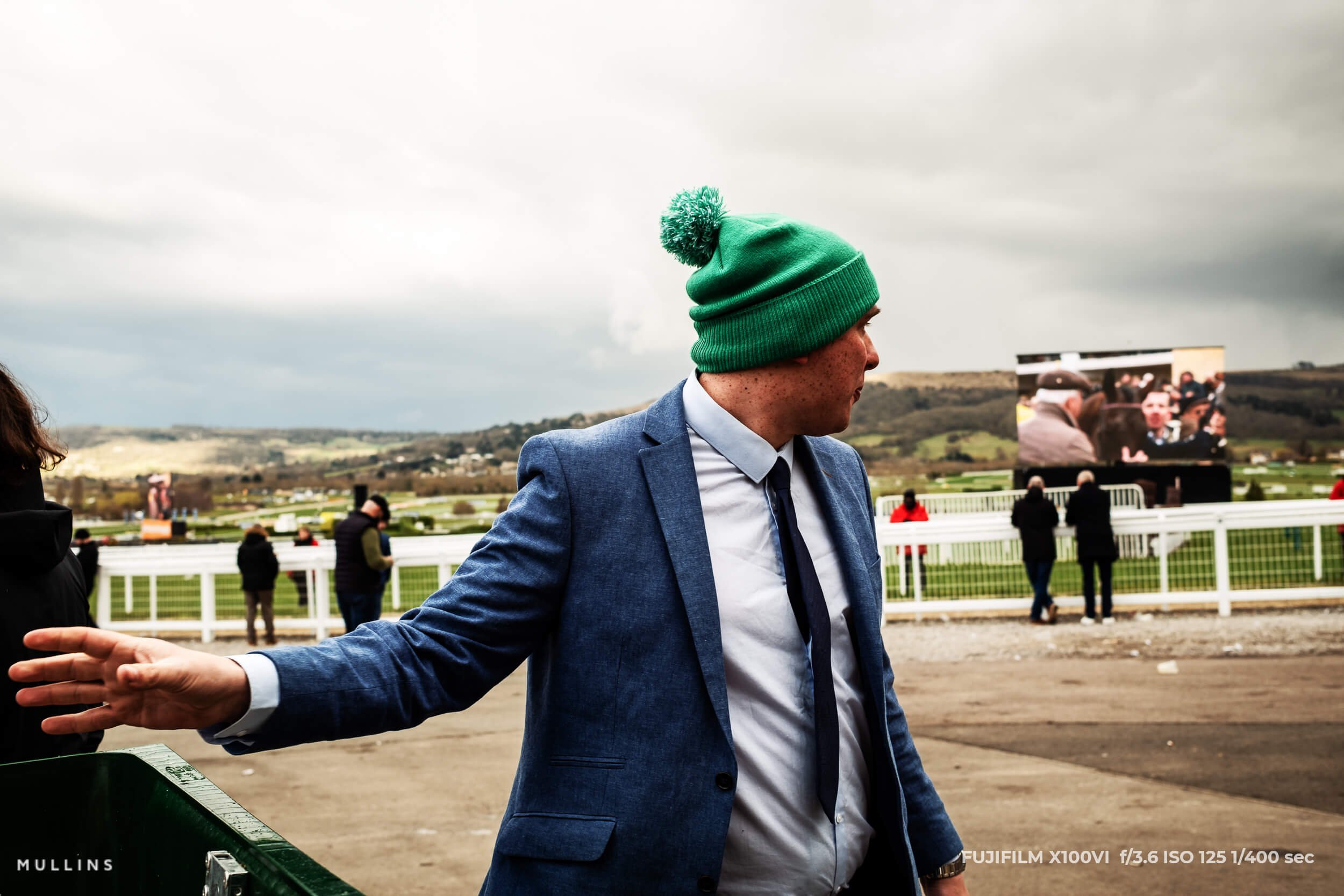
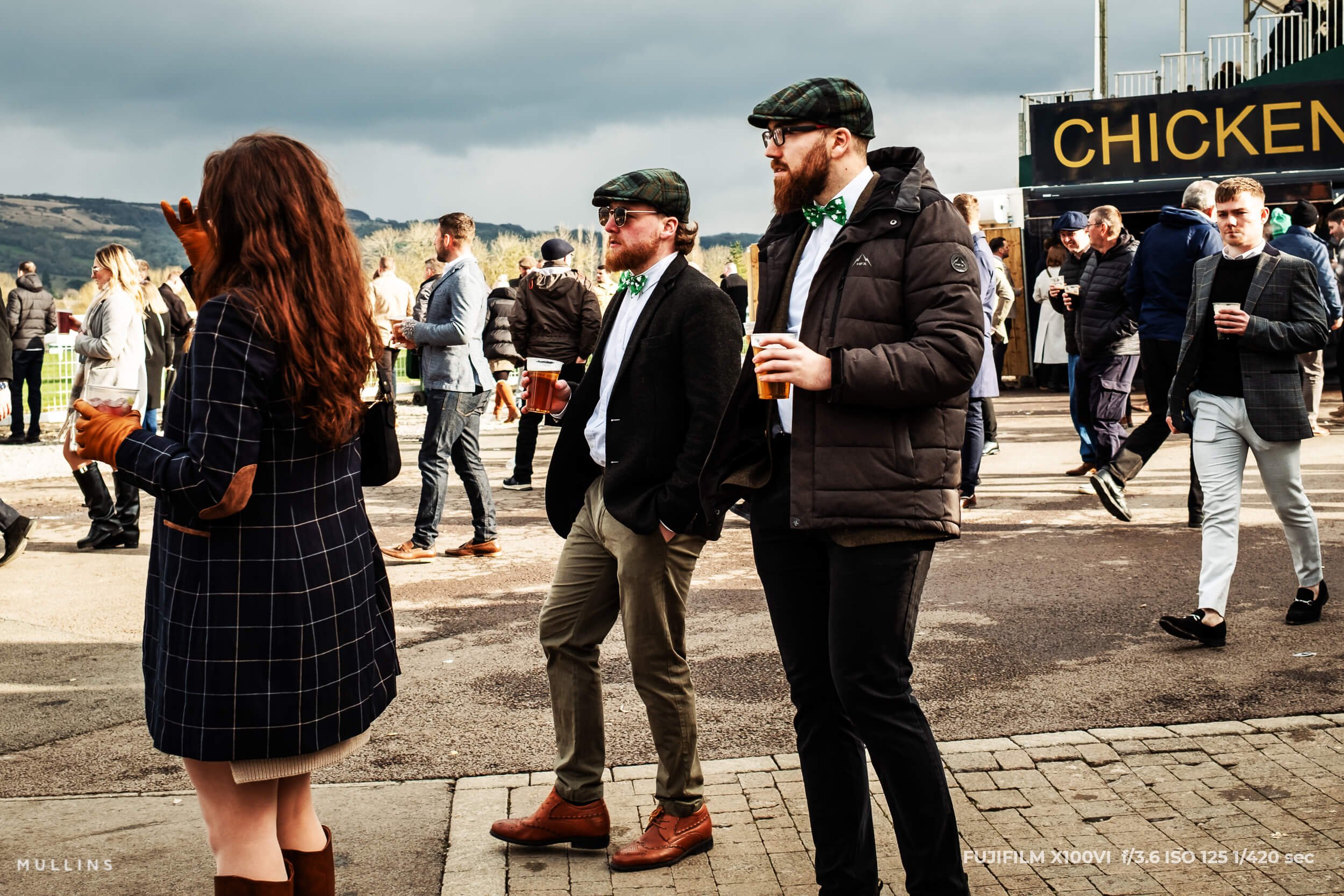
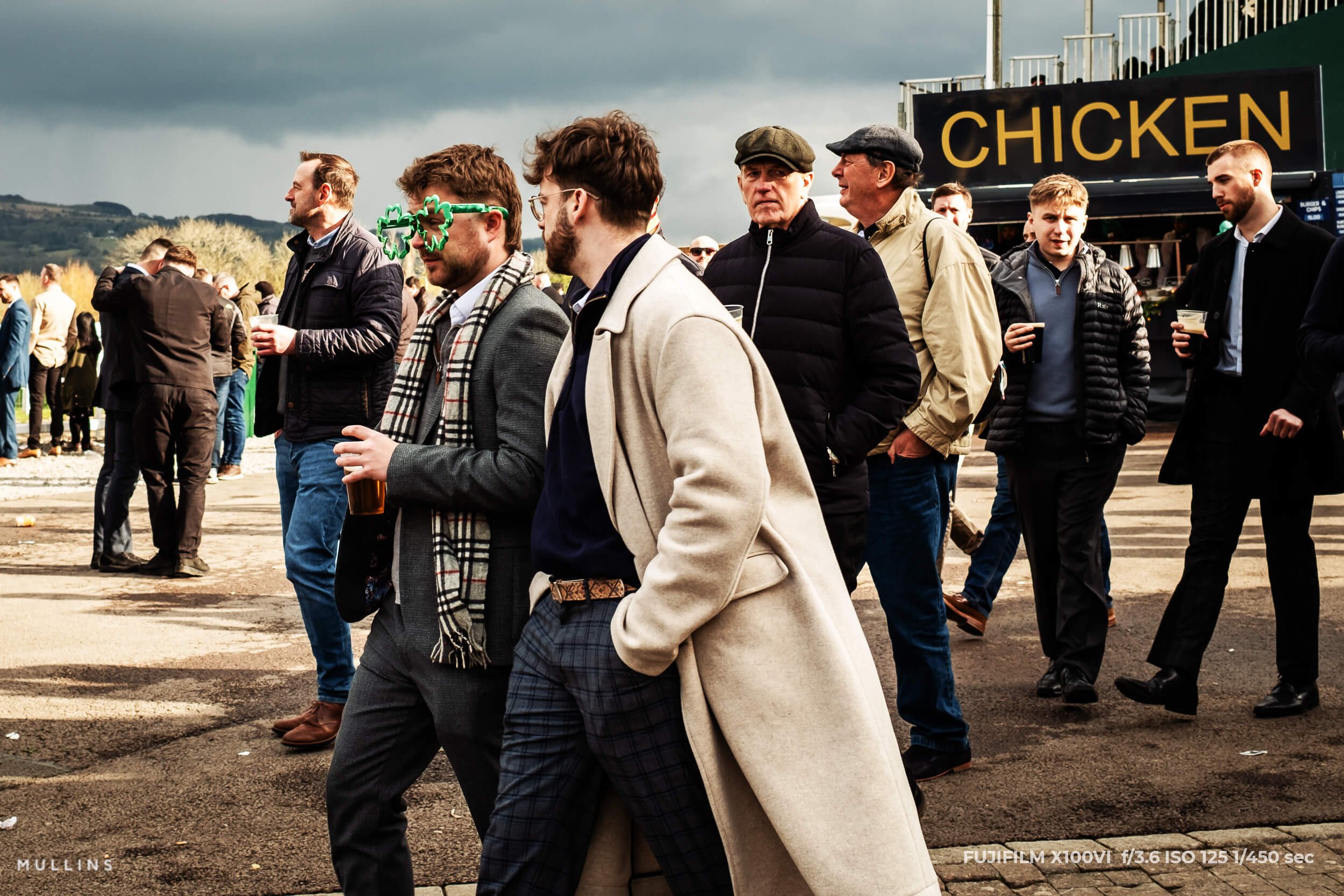
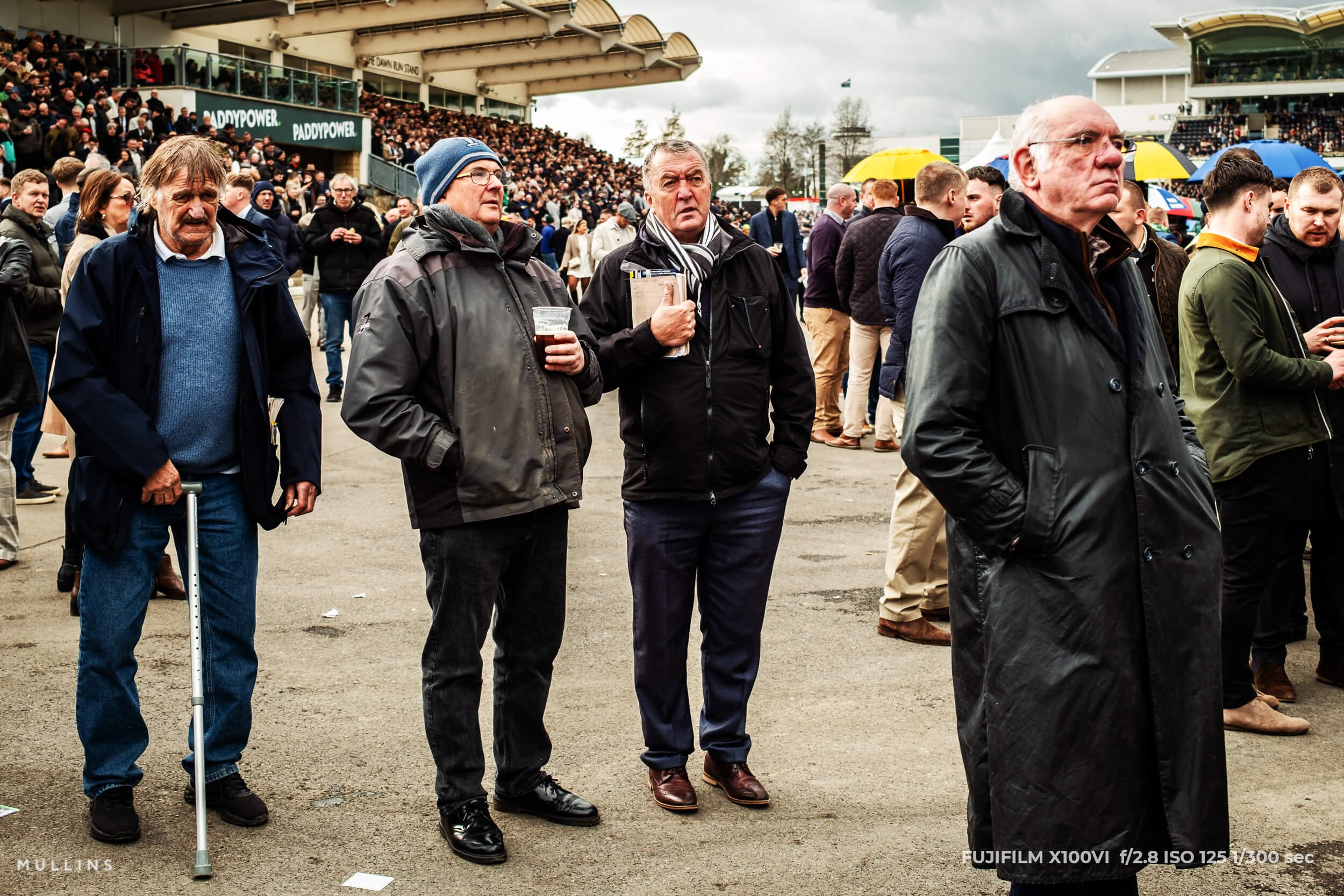
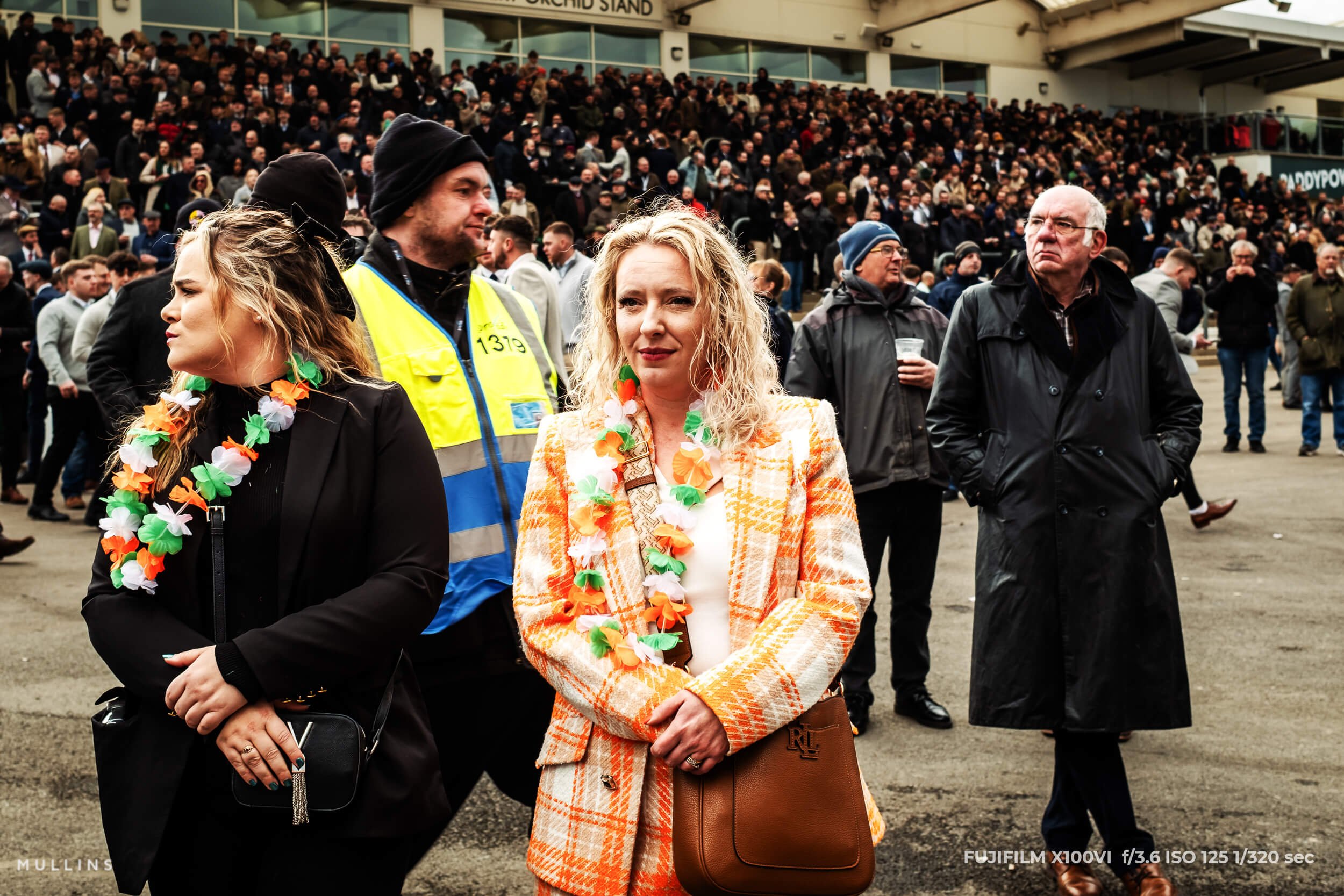
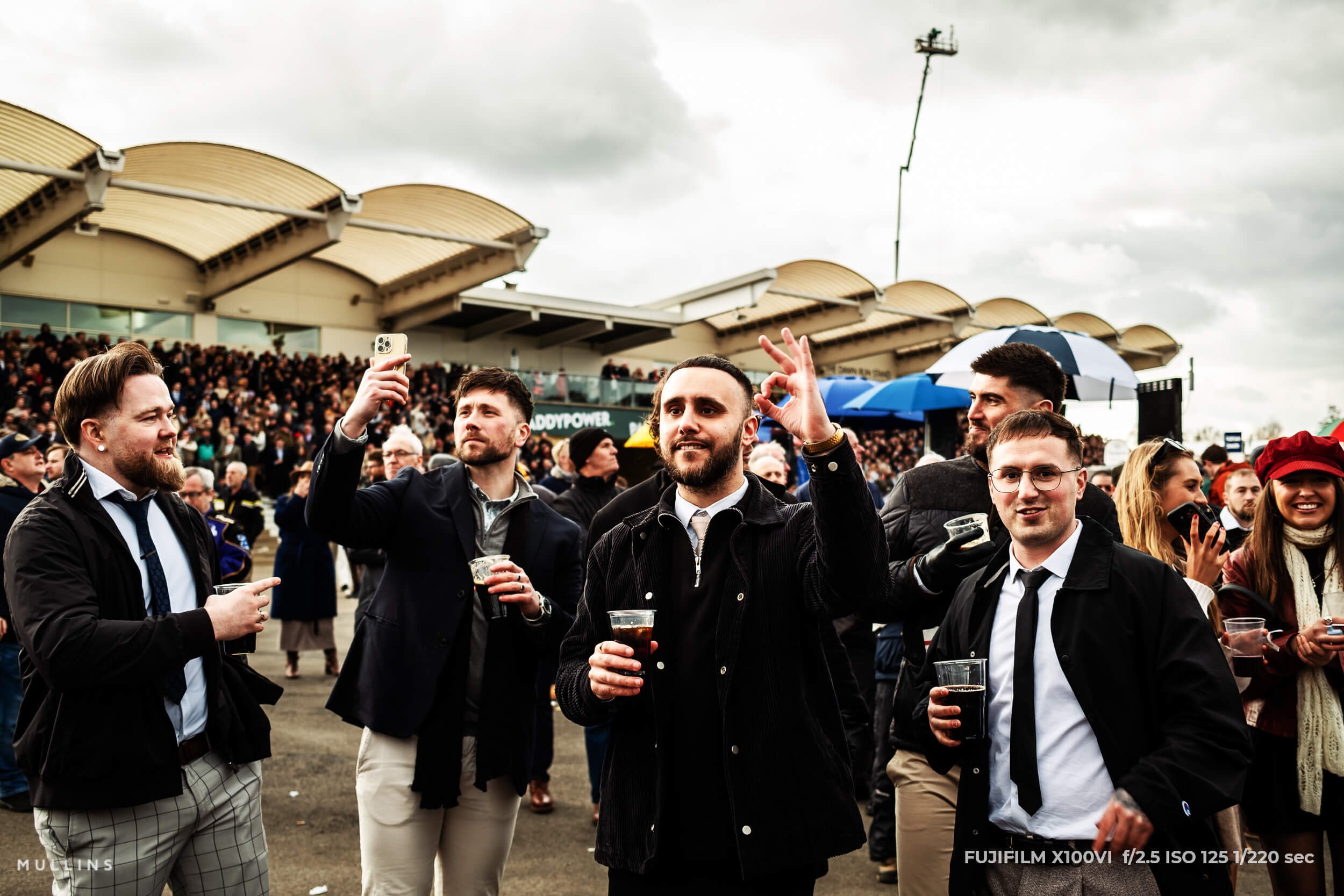
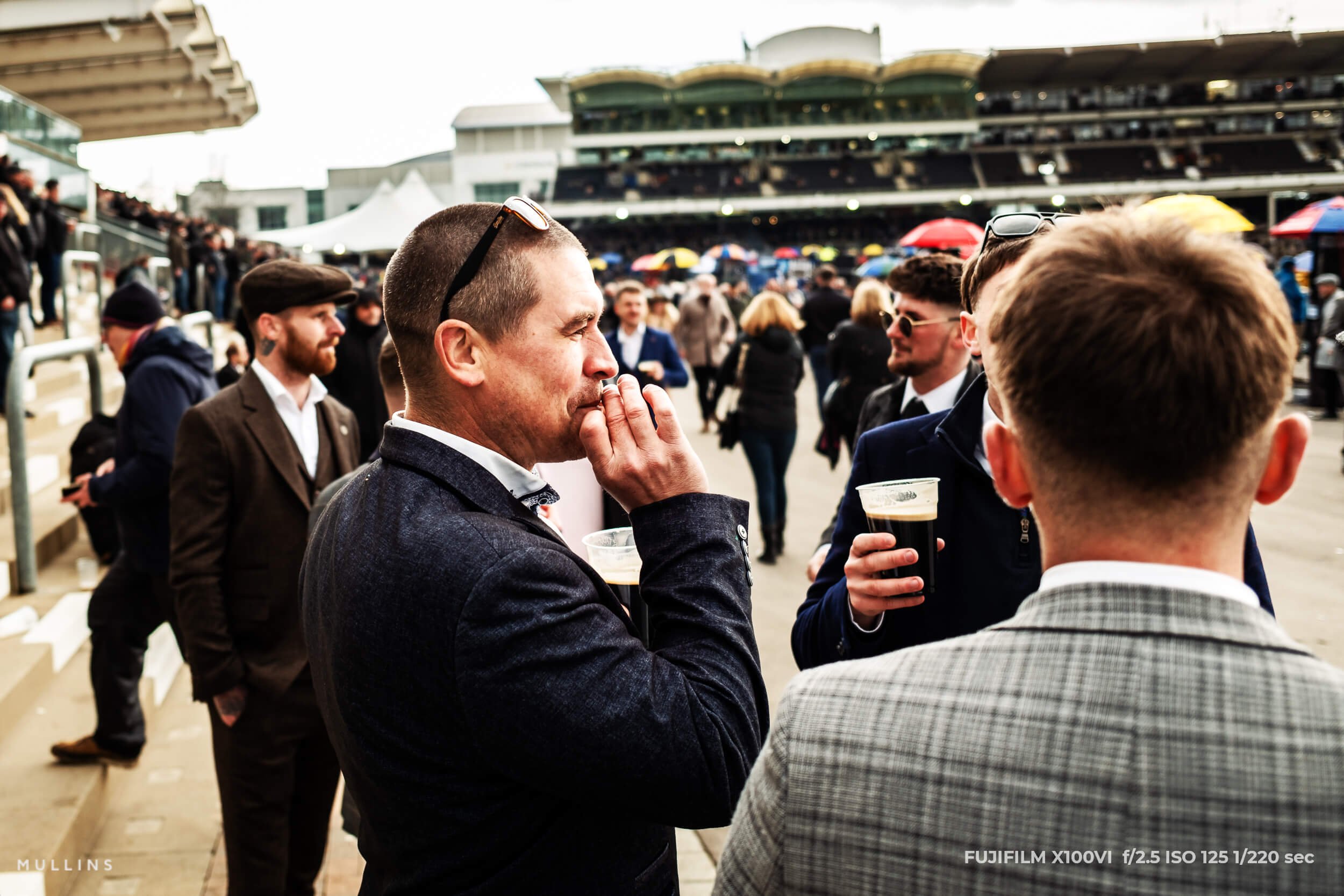
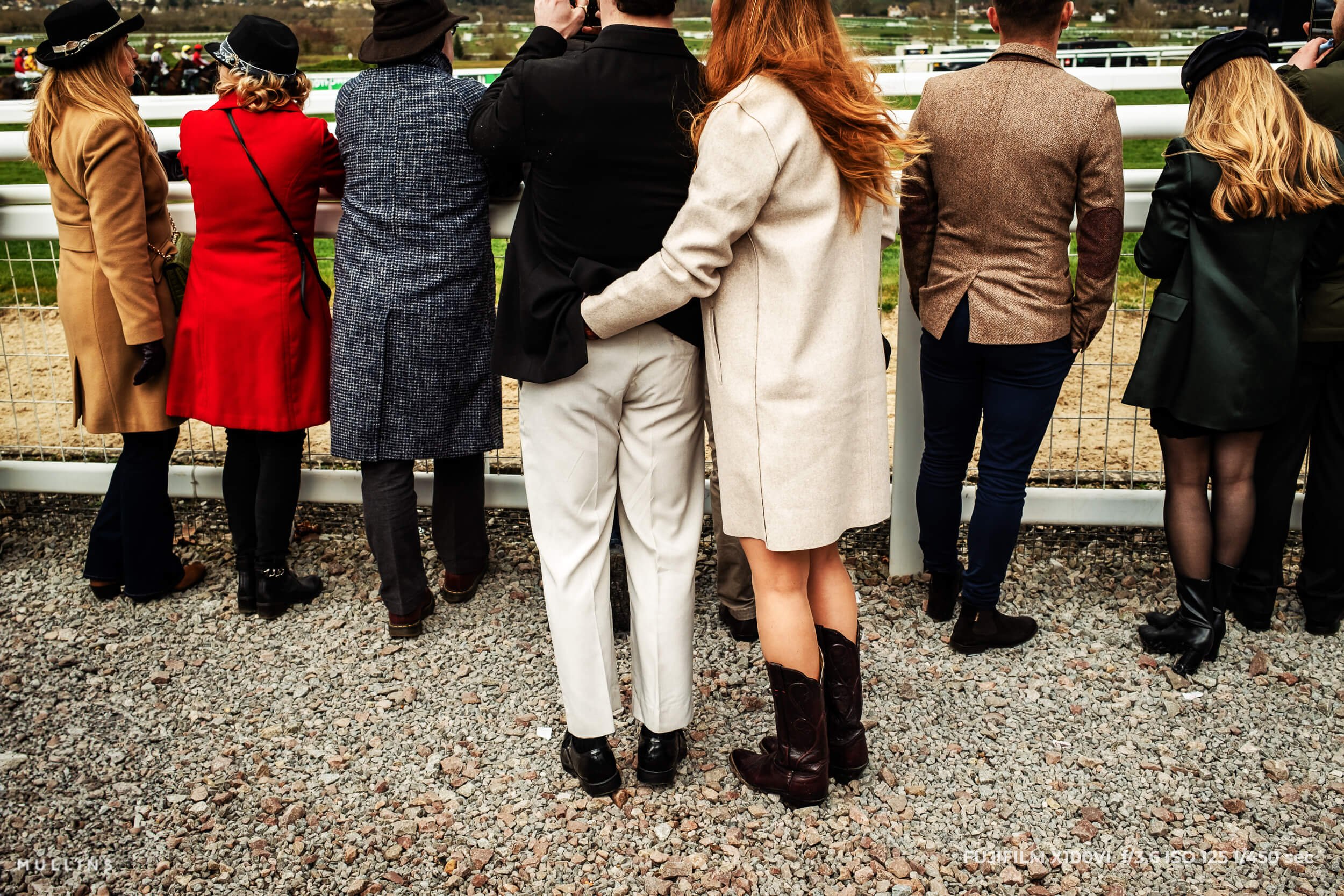
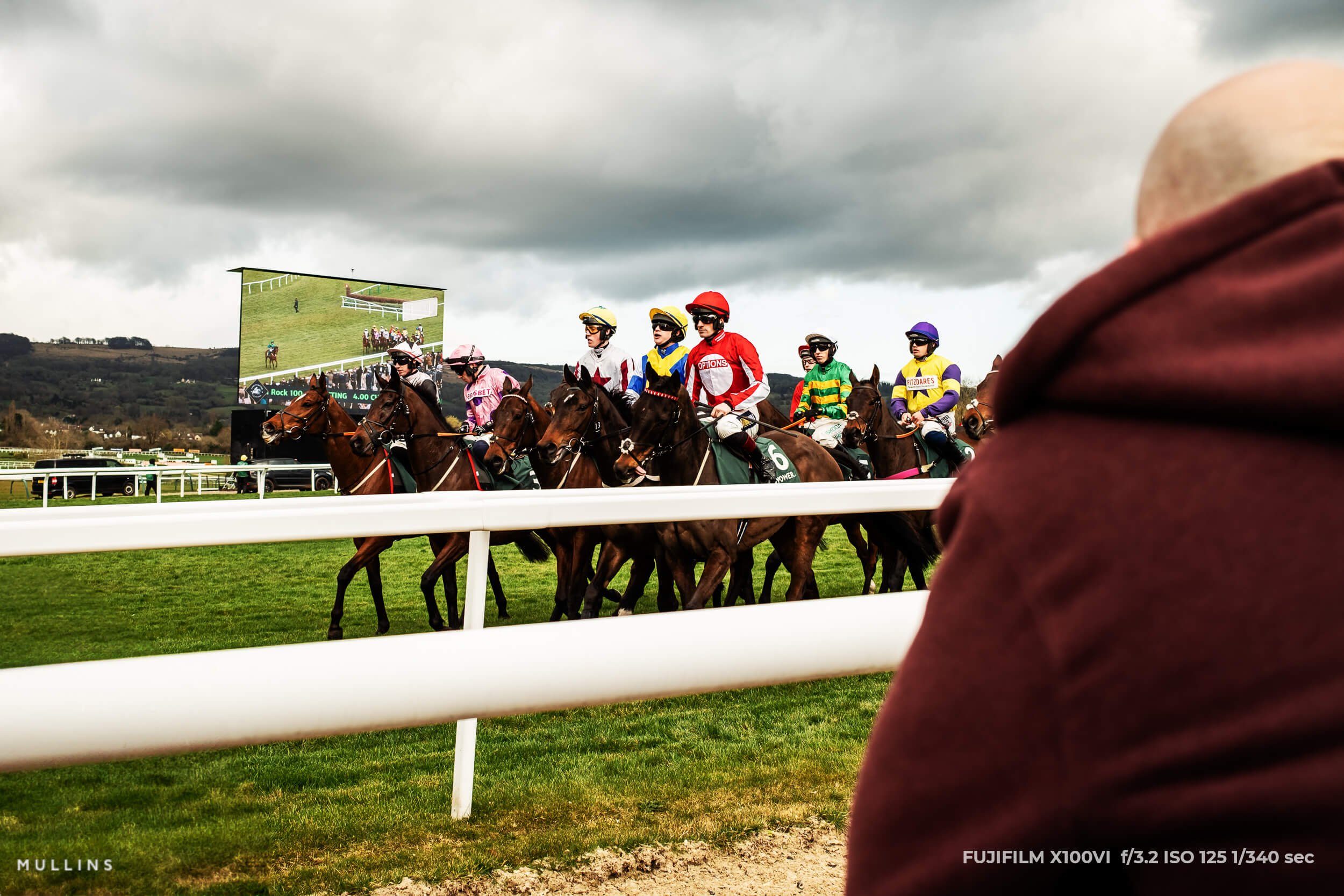
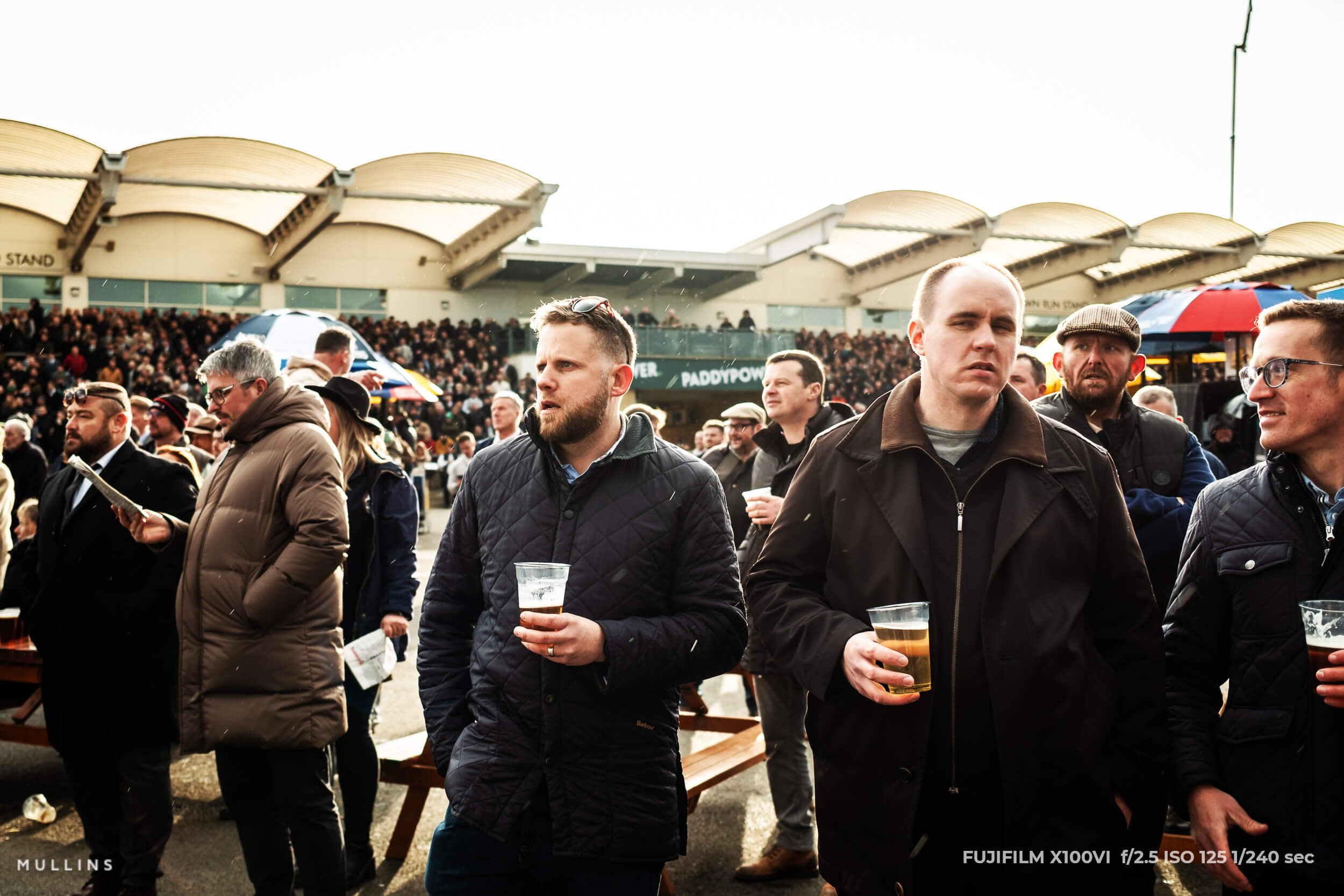
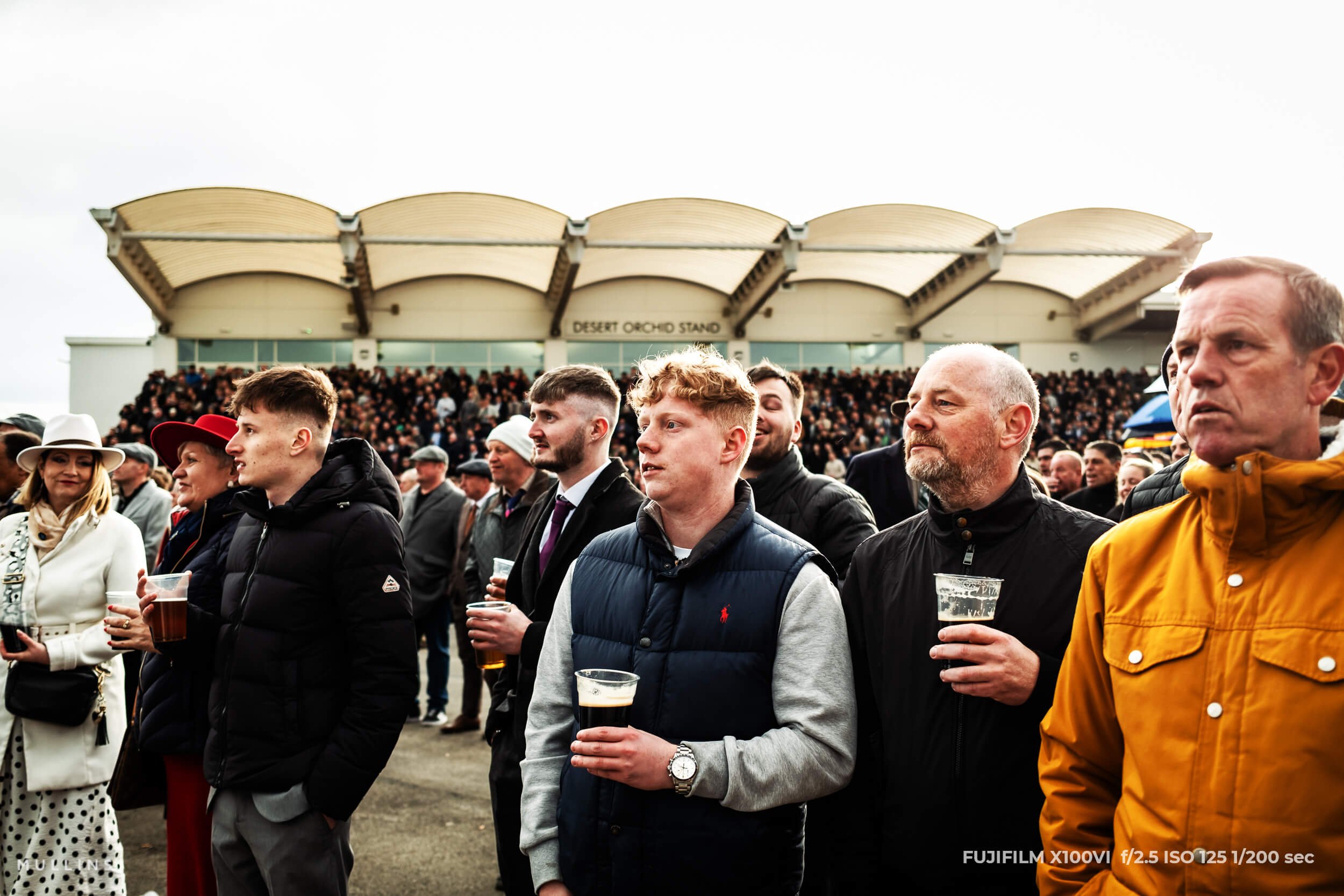
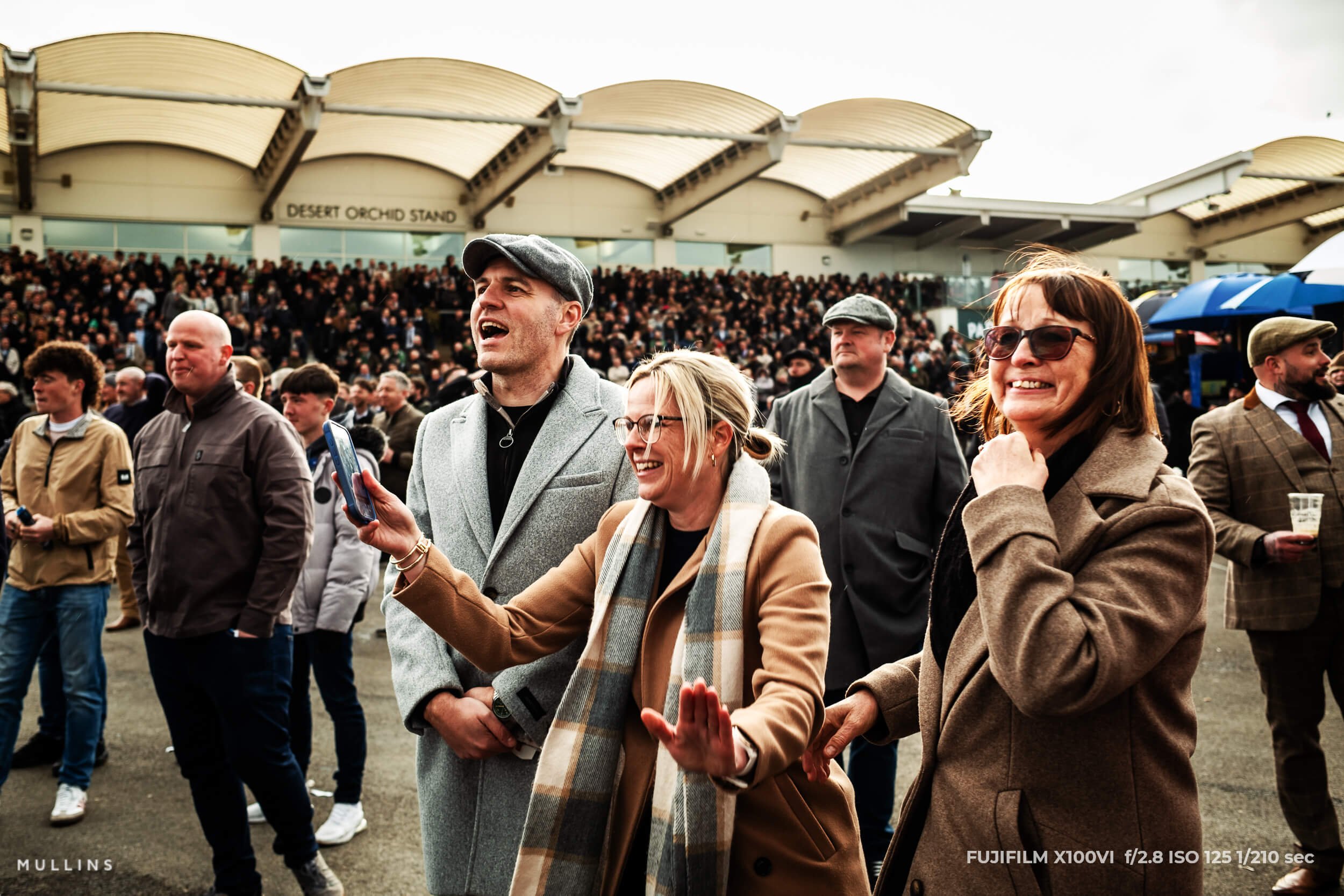
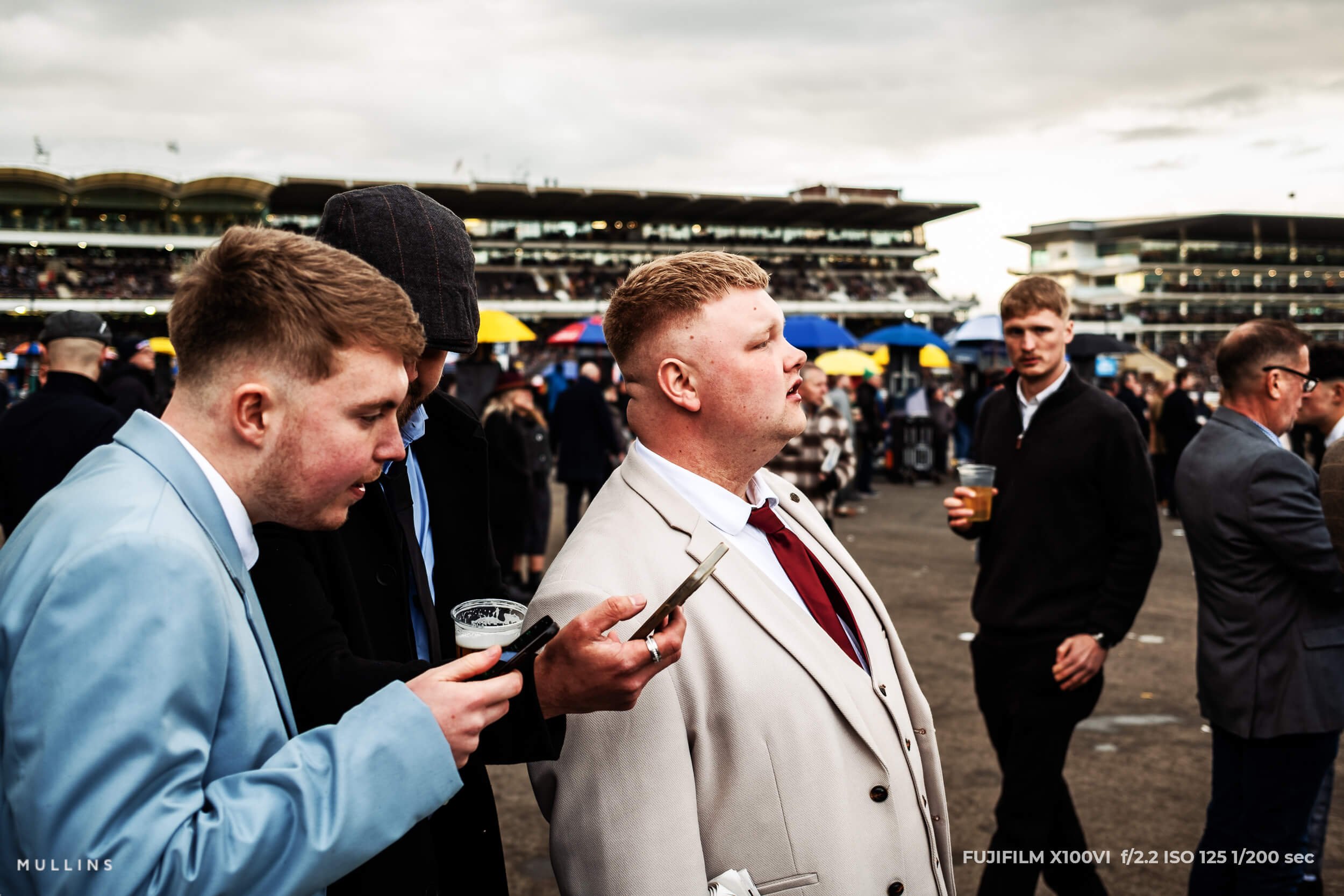
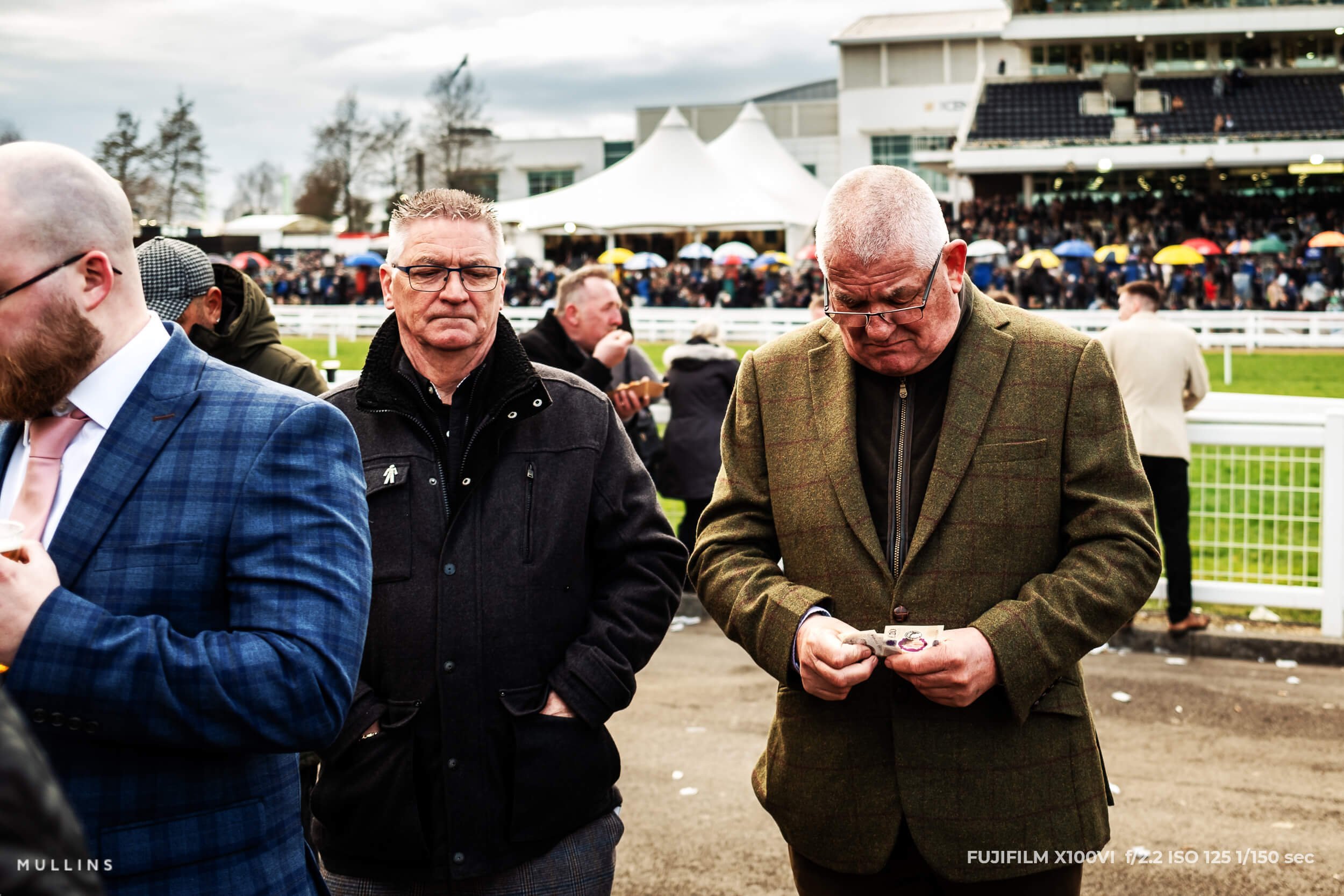
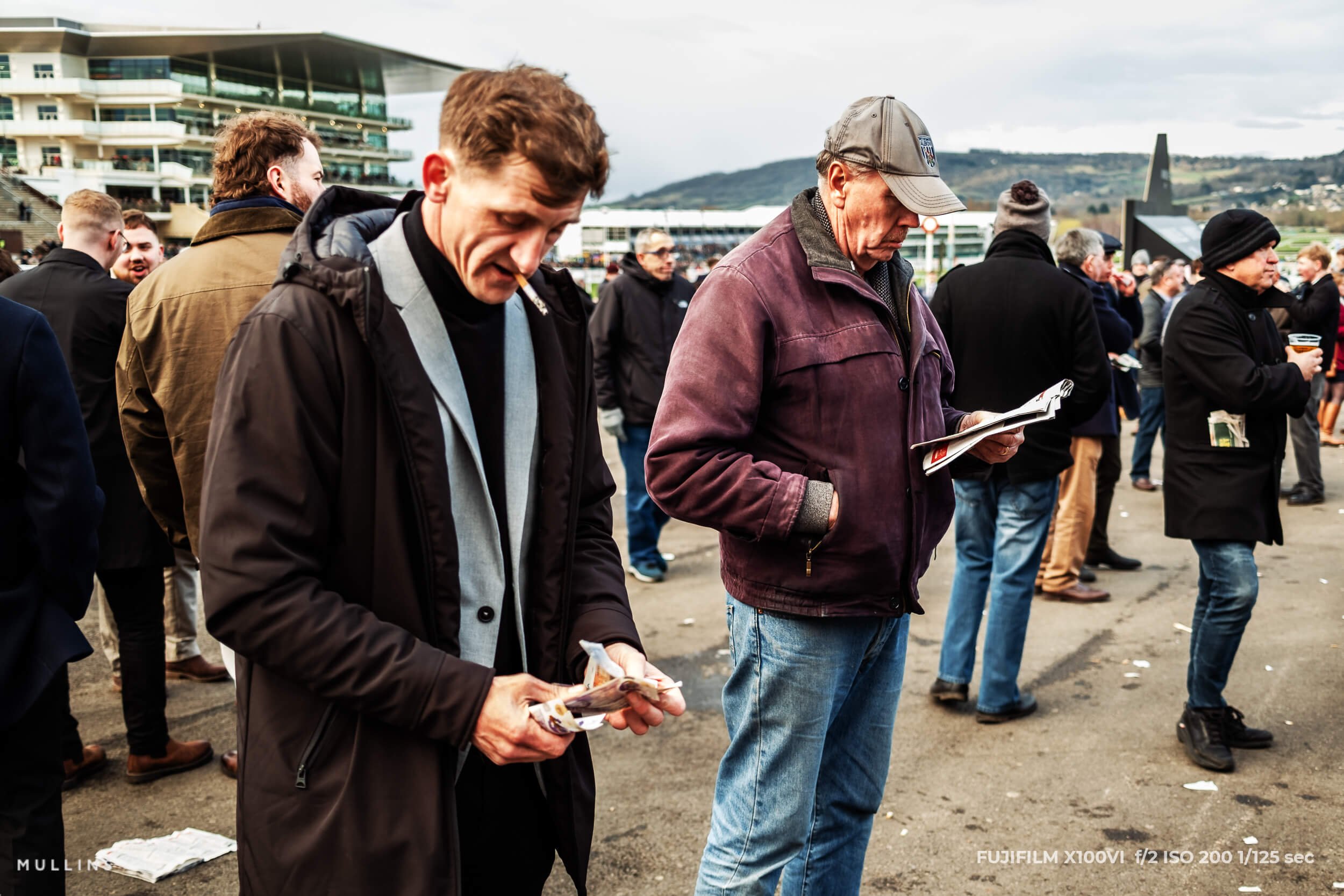
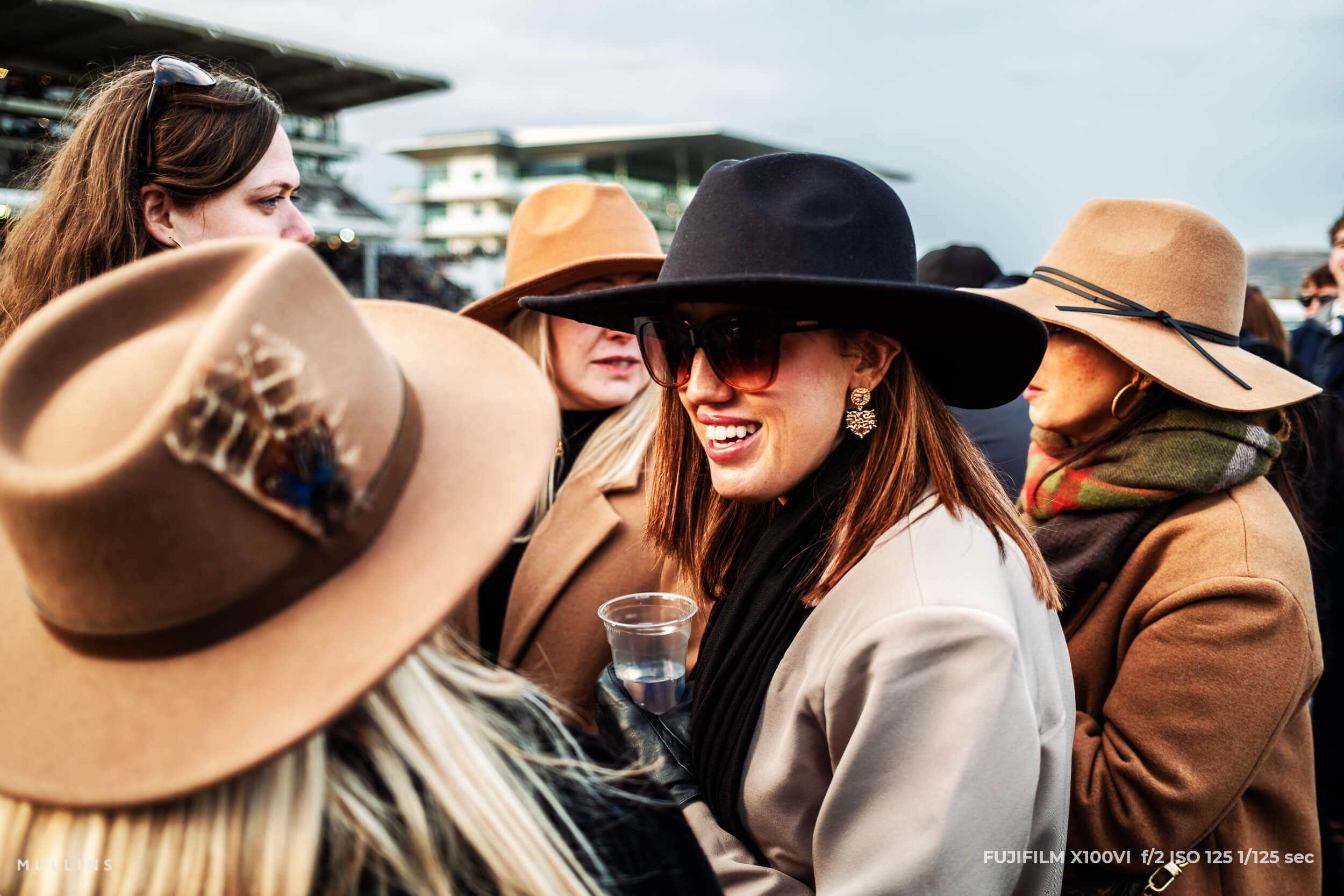
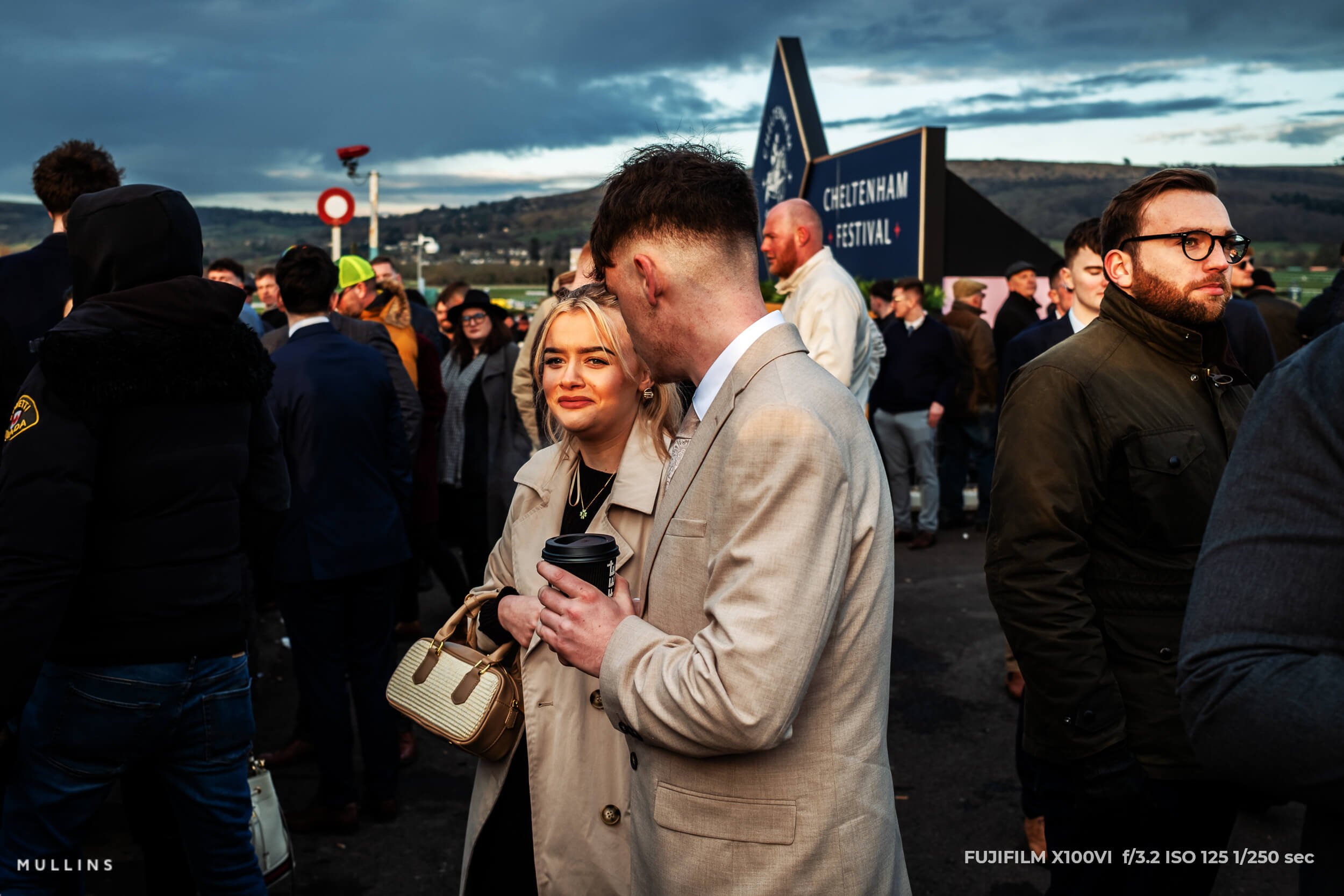
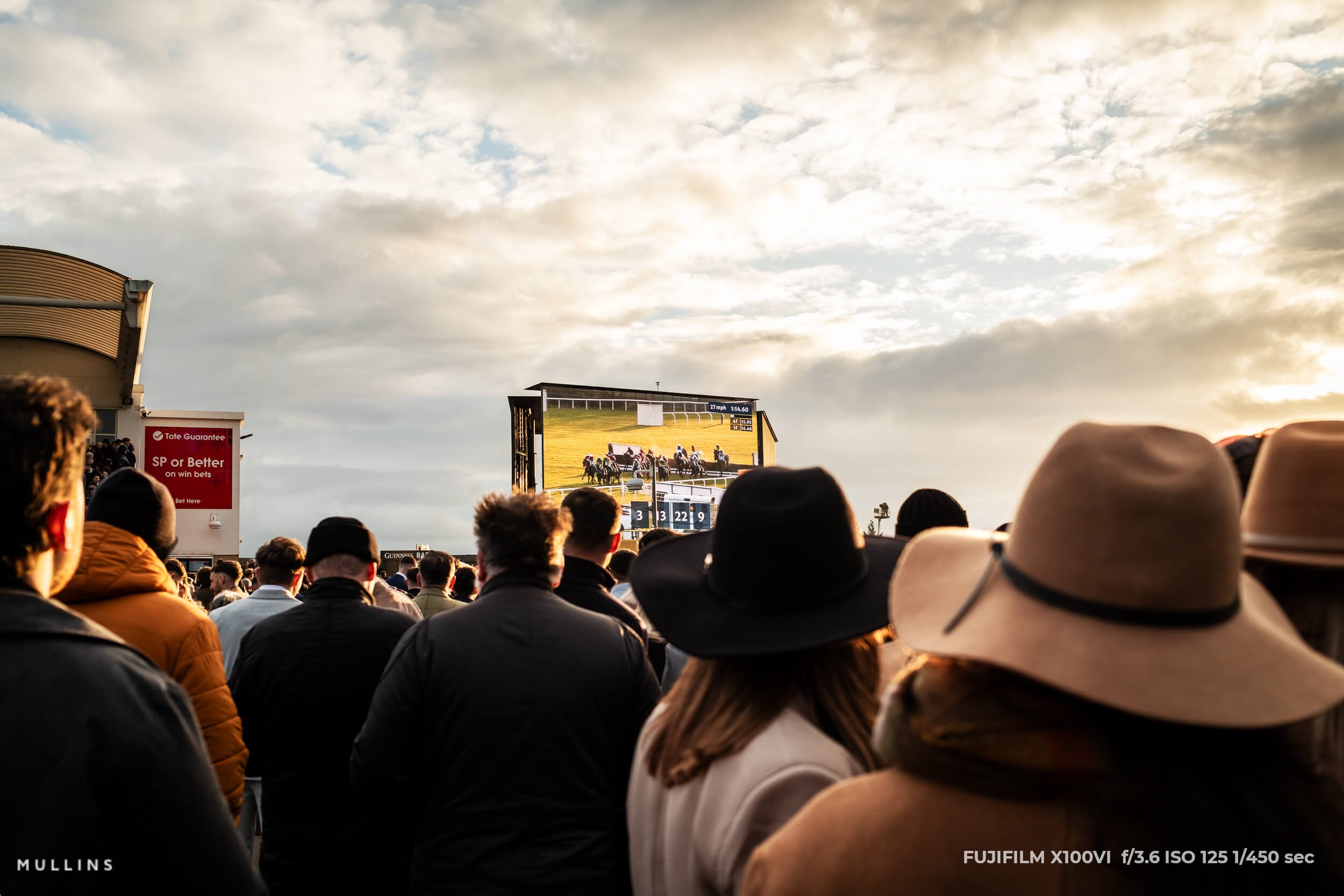
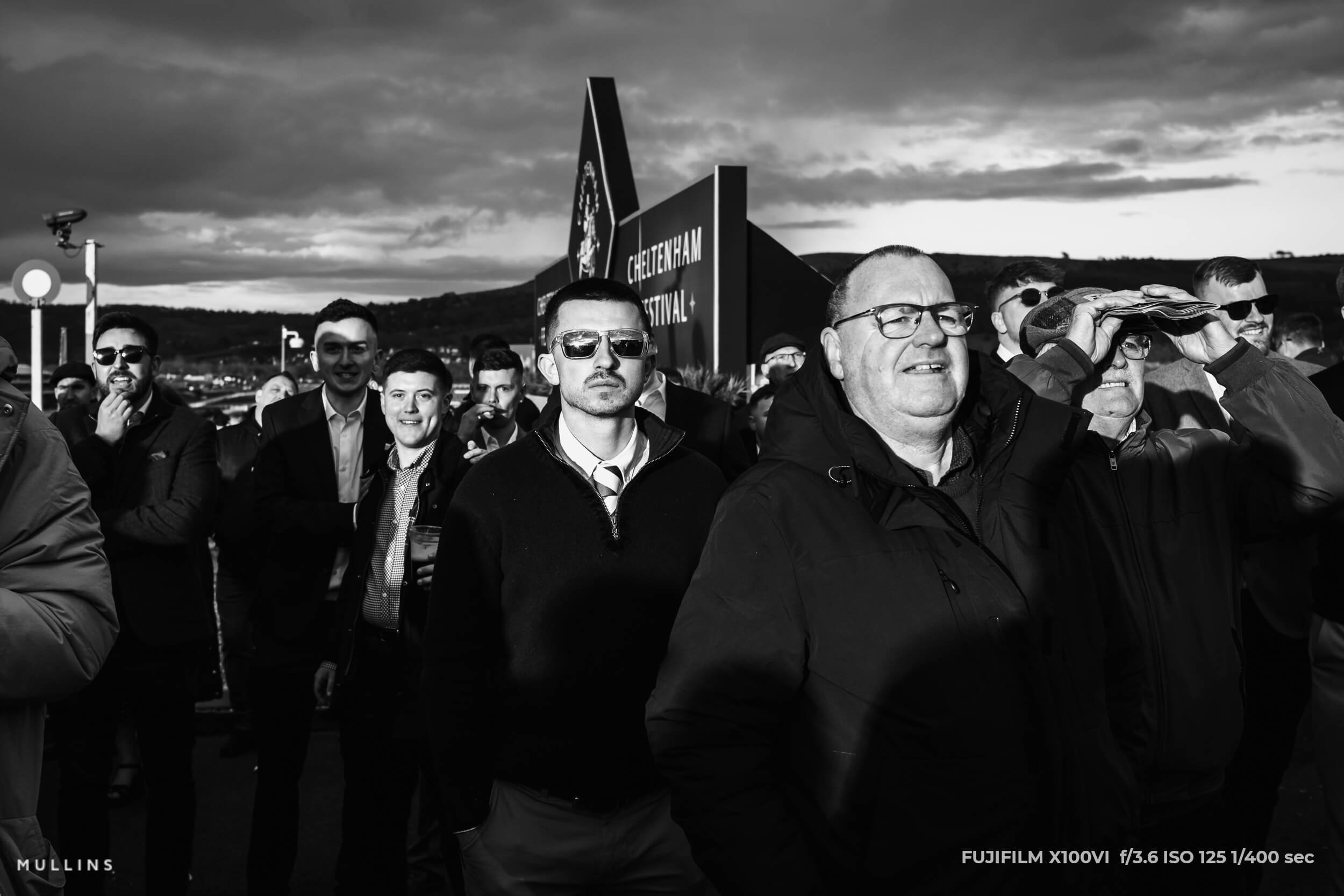
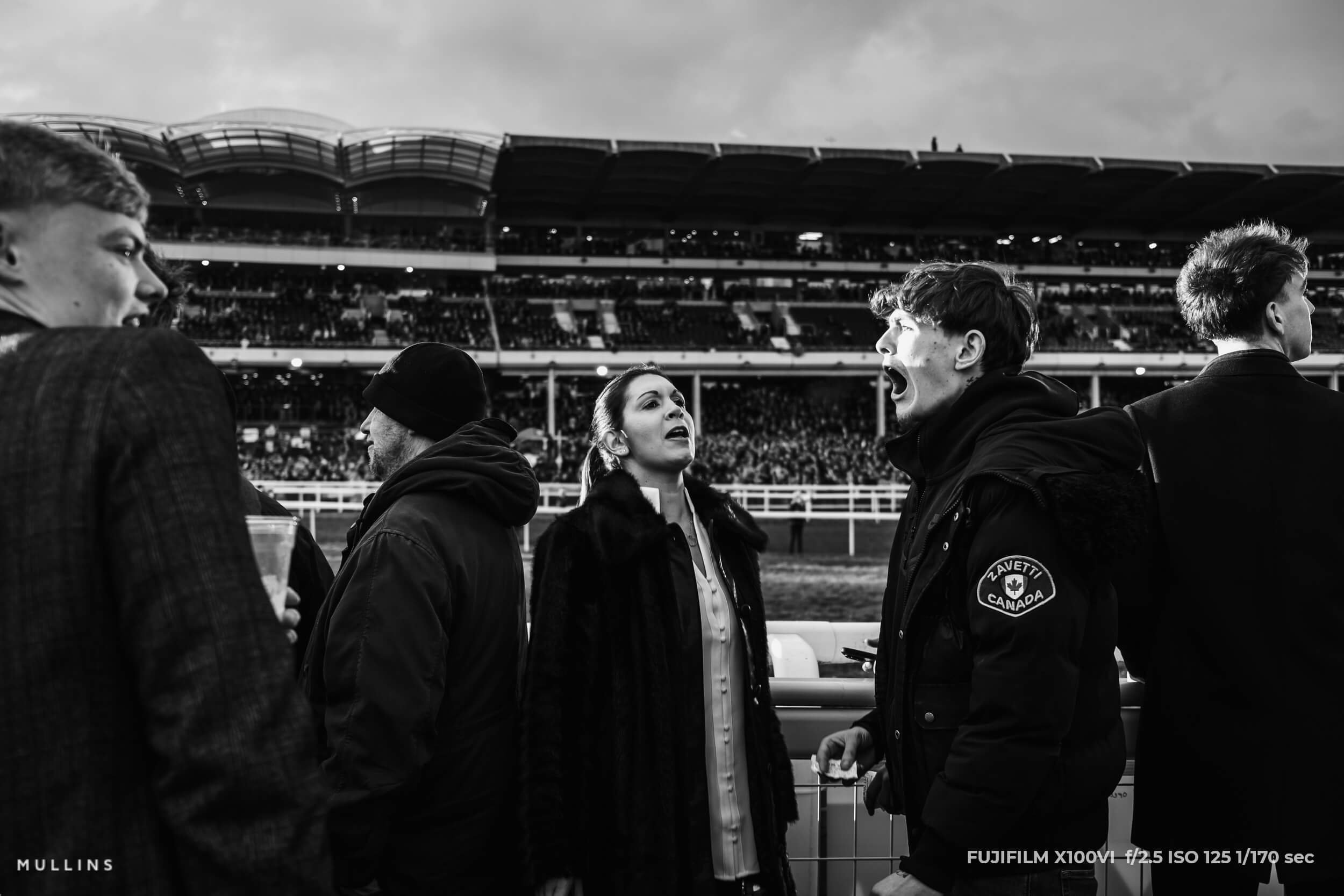
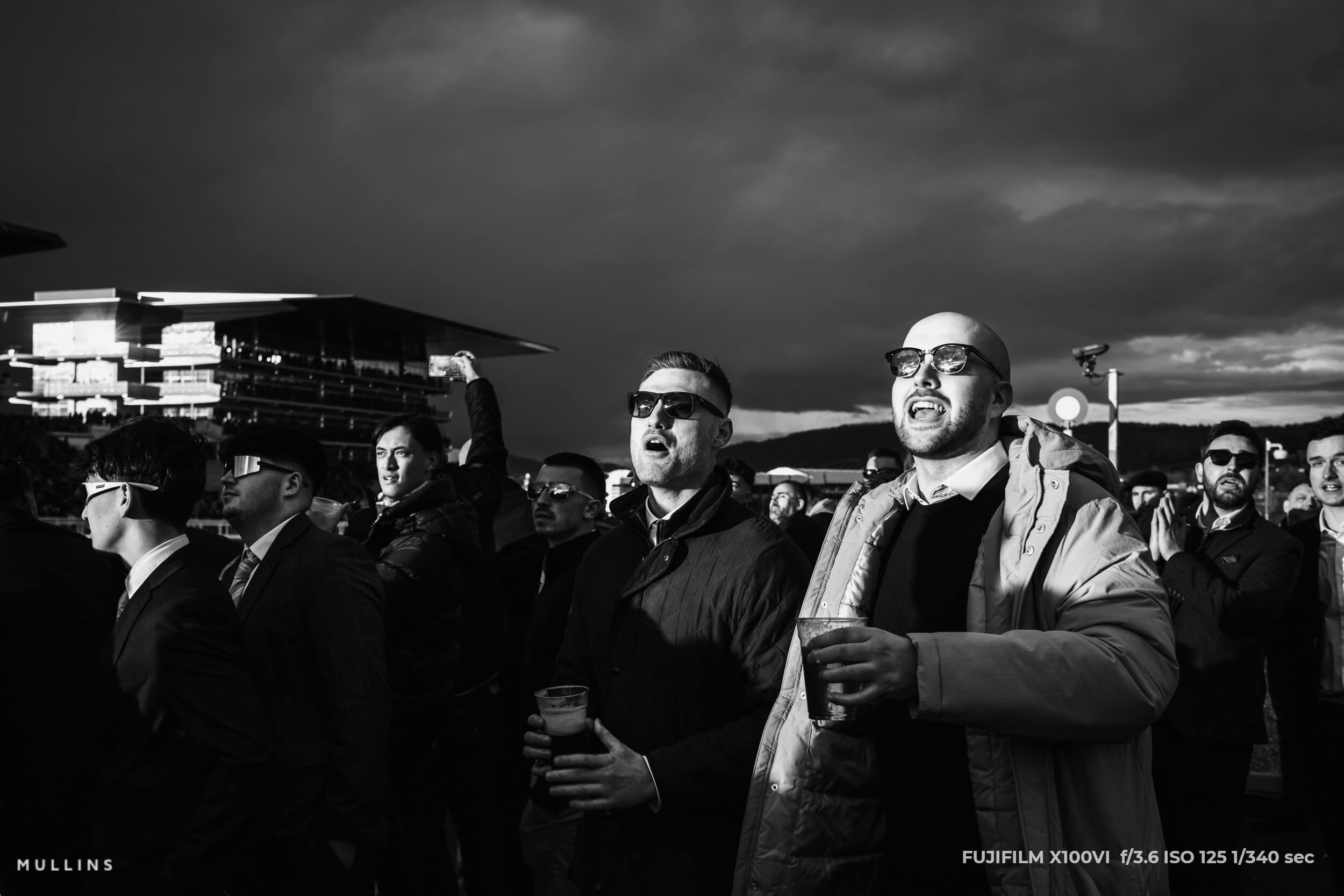
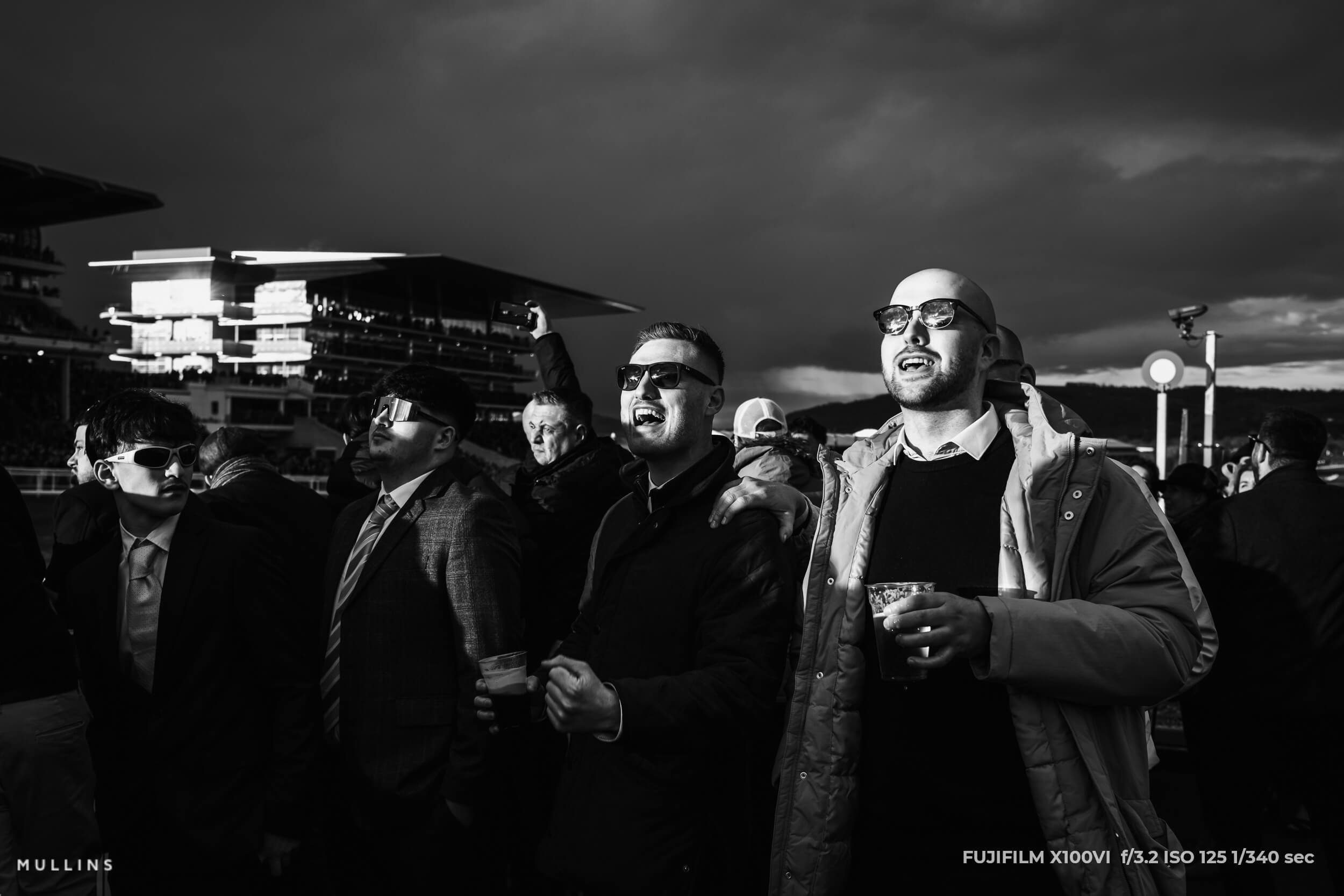
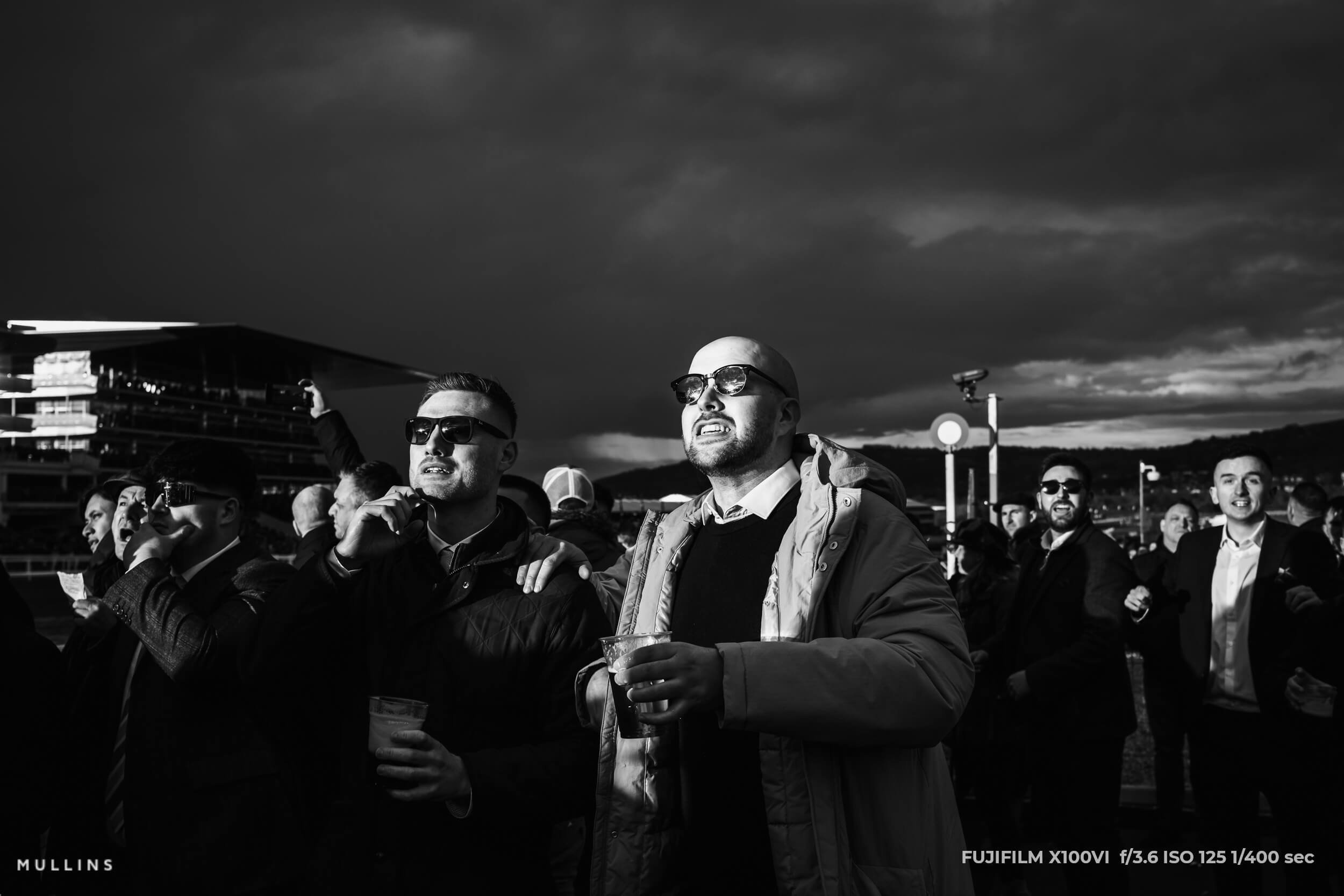
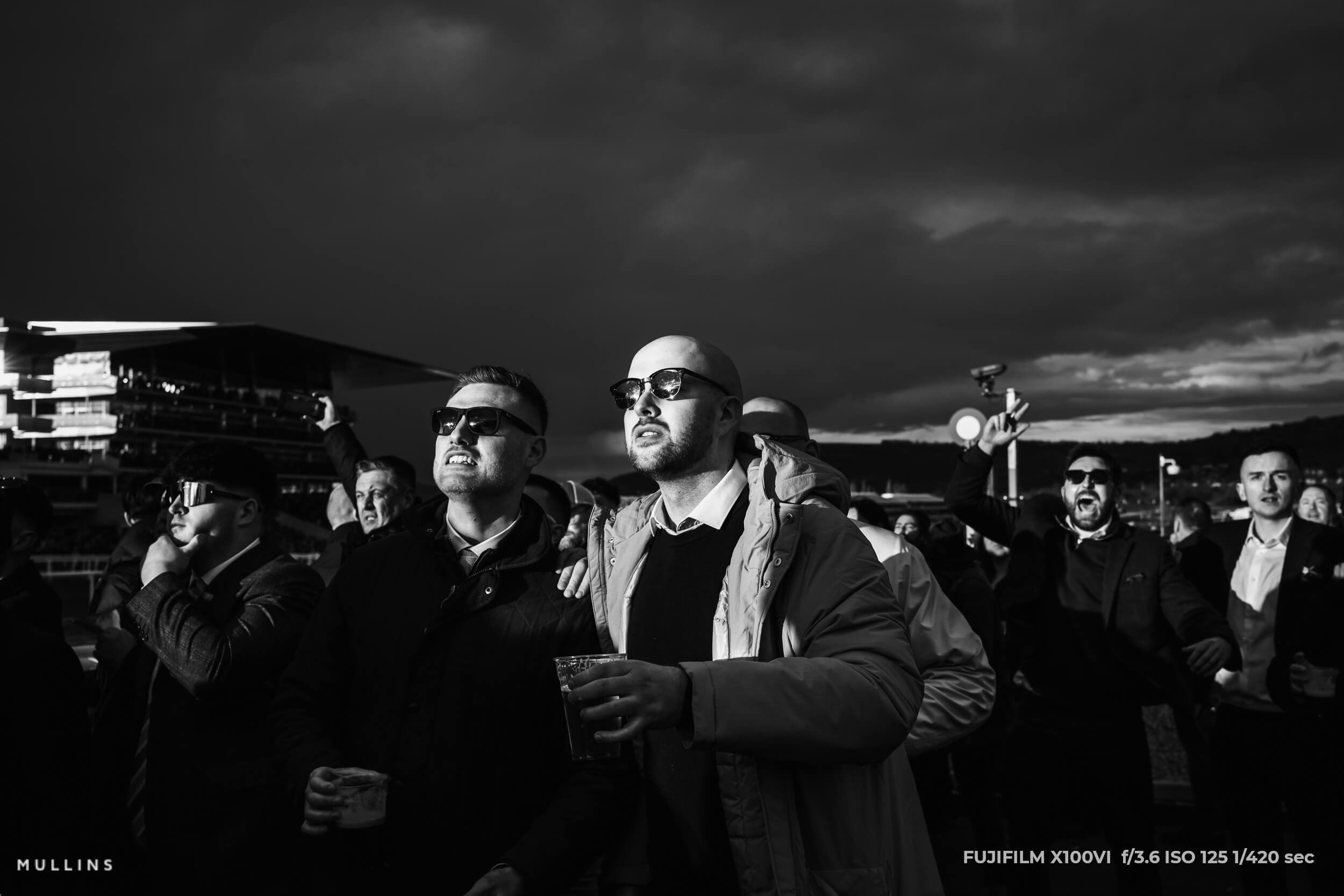
Every year, I head to the Cheltenham Festival – not for the horses, not for the betting, but for the people.
Armed with a camera (and usually a Guinness), I spend the day people-watching and snapping whatever catches my eye.
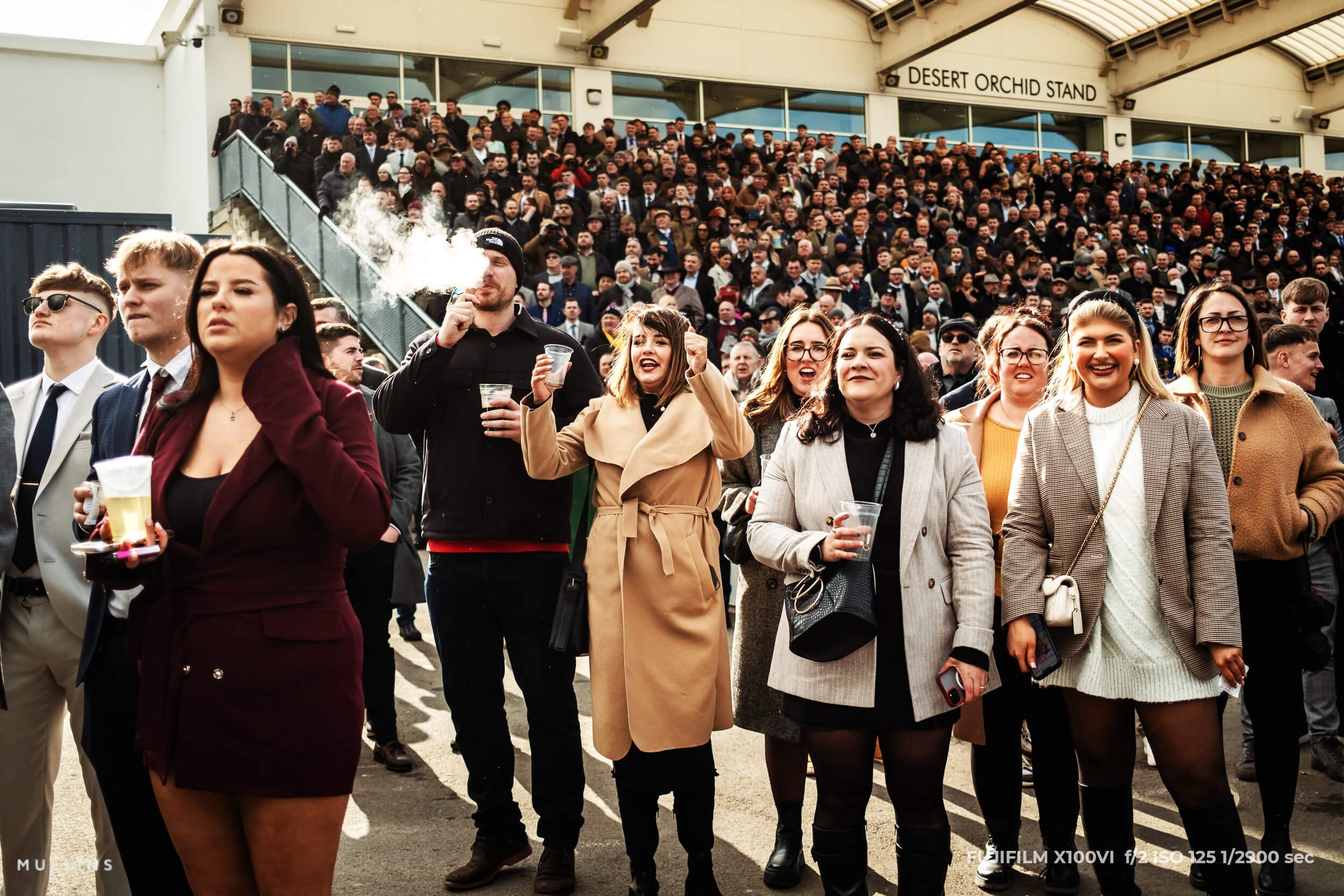
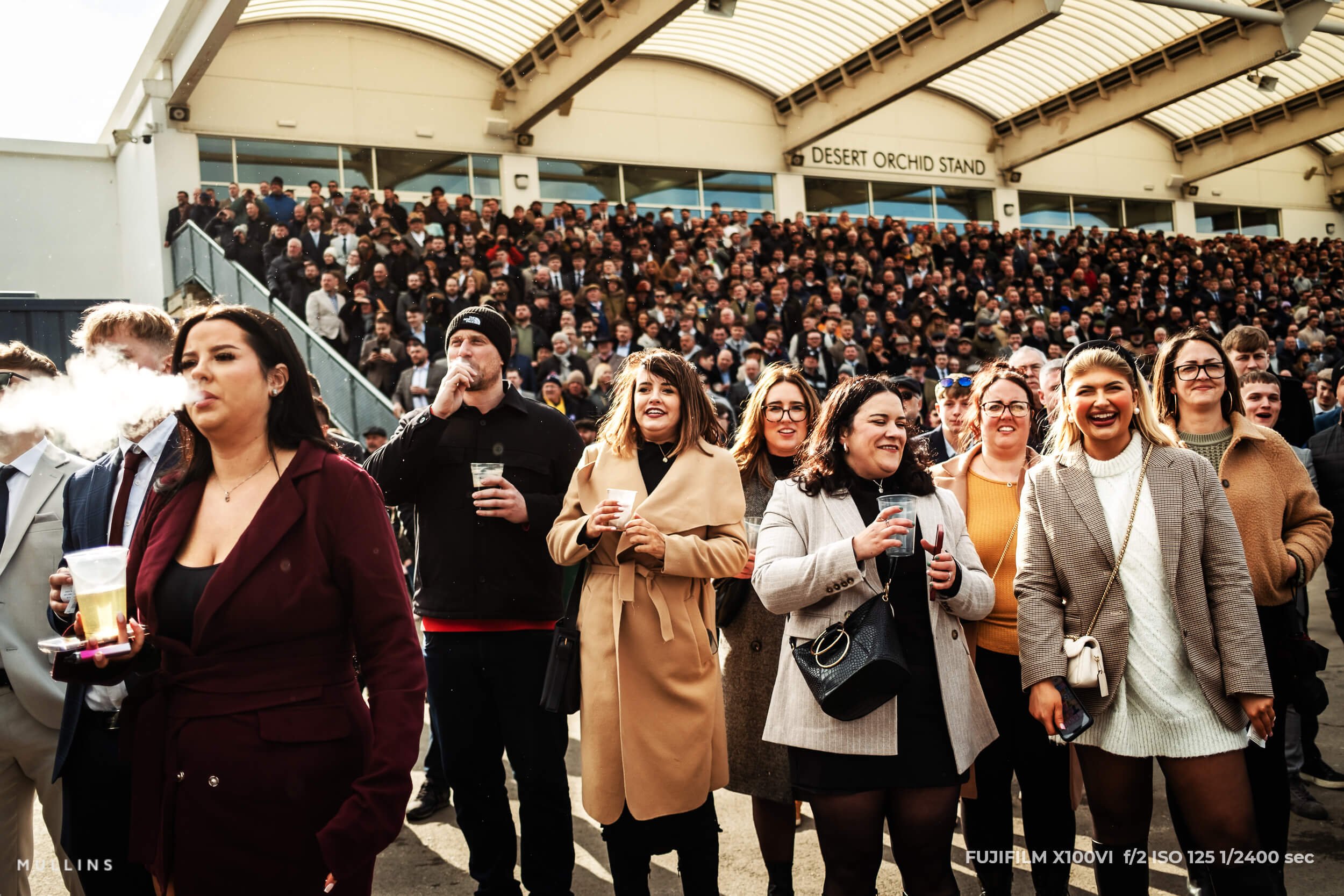
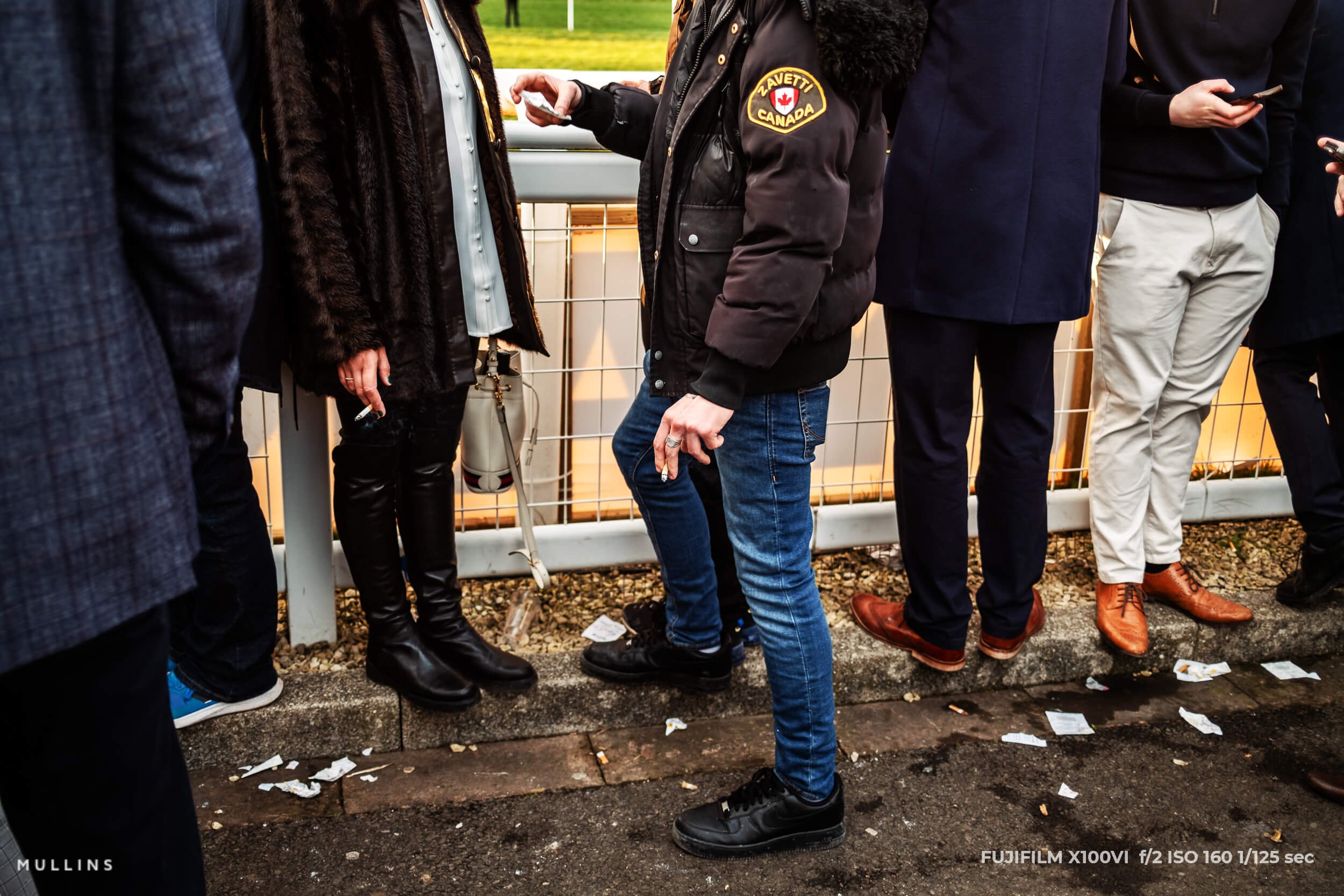
There’s something about the mix of sharp suits, statement hats, pints before noon, and the unpredictable British weather that makes it a visual feast. It’s not staged or curated — it’s just real life, dressed up and a bit tipsy.
This year, like last, I brought along the Fujifilm X100VI – the newest in Fujifilm’s legendary compact series.
Why the Fuji X100VI?
I've used almost every version of this camera over the years. The X100VI keeps the classic form factor, adds IBIS, and brings that new 40MP sensor into play.
On paper, it's a street photography dream – and in practice, I think it more than holds up.
The X100VI is stealthy enough that no one bats an eye. I wandered around Cheltenham all day with it slung over my shoulder, shooting both colour and black & white, and it just got out of the way — which is exactly what I want from a camera like this.
It’s also worth noting: Cheltenham don’t officially allow large cameras in the racecourse. At the bag check, I’ve seen plenty of people being stopped and asked to leave their kit in the security shed. But every year, they give me a nod and wave me through with the little Fuji. It looks like a tourist’s camera, not a pro setup — and that’s one of its greatest strengths. You can be discreet, stay under the radar, and just focus on capturing the moment.
How I Edited the Images
All the photos here were edited using my Film Edition 3 presets.
Colour shots use my Tetrachrome Profile – think punchy tones with a nostalgic filmic feel.
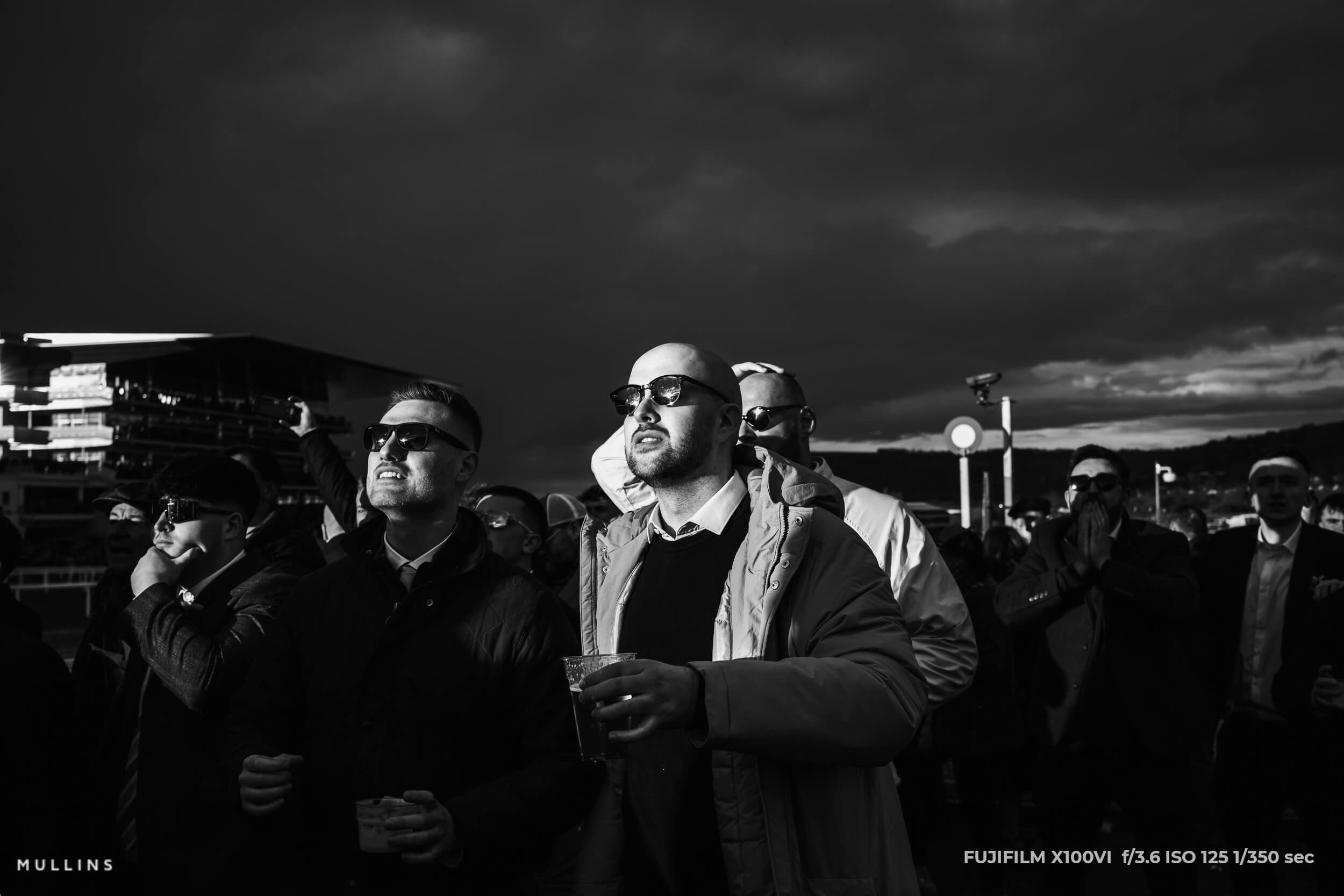
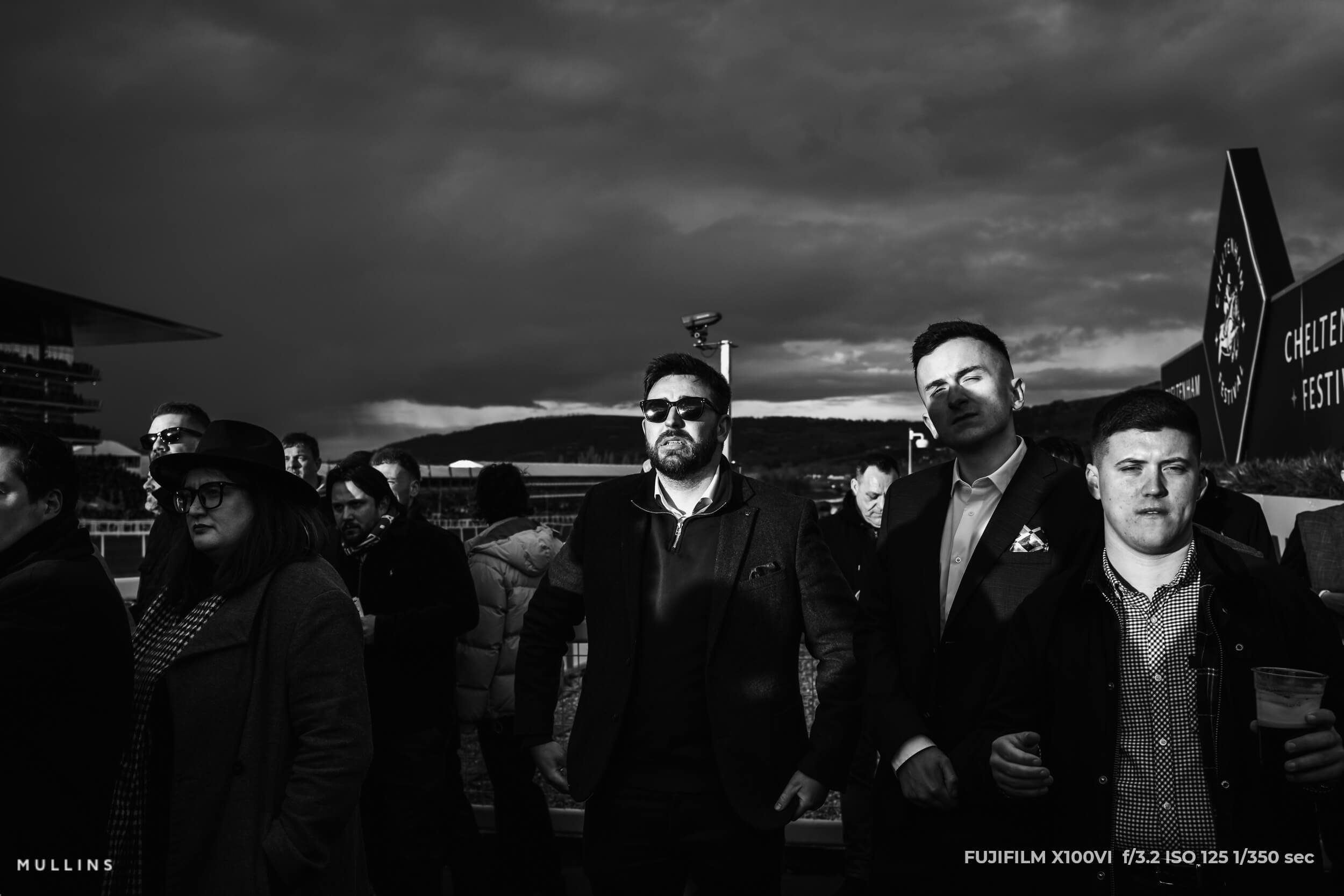
Black & white images were edited with my Tri-X Profile, which channels a classic gritty monochrome vibe without going full moody noir.
If you’re a fellow Fuji shooter, you’ll know how good these files are straight out of camera – but I like to give them a little nudge to bring out the atmosphere and style I’m after.
You’ll see a mix of candid portraits, quiet moments, fashion highlights, and the occasional chaotic crowd shot.
What I love about the X100VI is how it handles contrasty midday light just as well as soft overcast tones – which, in true festival fashion, we had plenty of both.
What to look for in the gallery
Light: Backlight, reflected pockets, practicals in frame.
Composition: Layers, overlaps, edge interest to hold depth.
Moment: Micro-expressions, near-miss gestures, transitions.
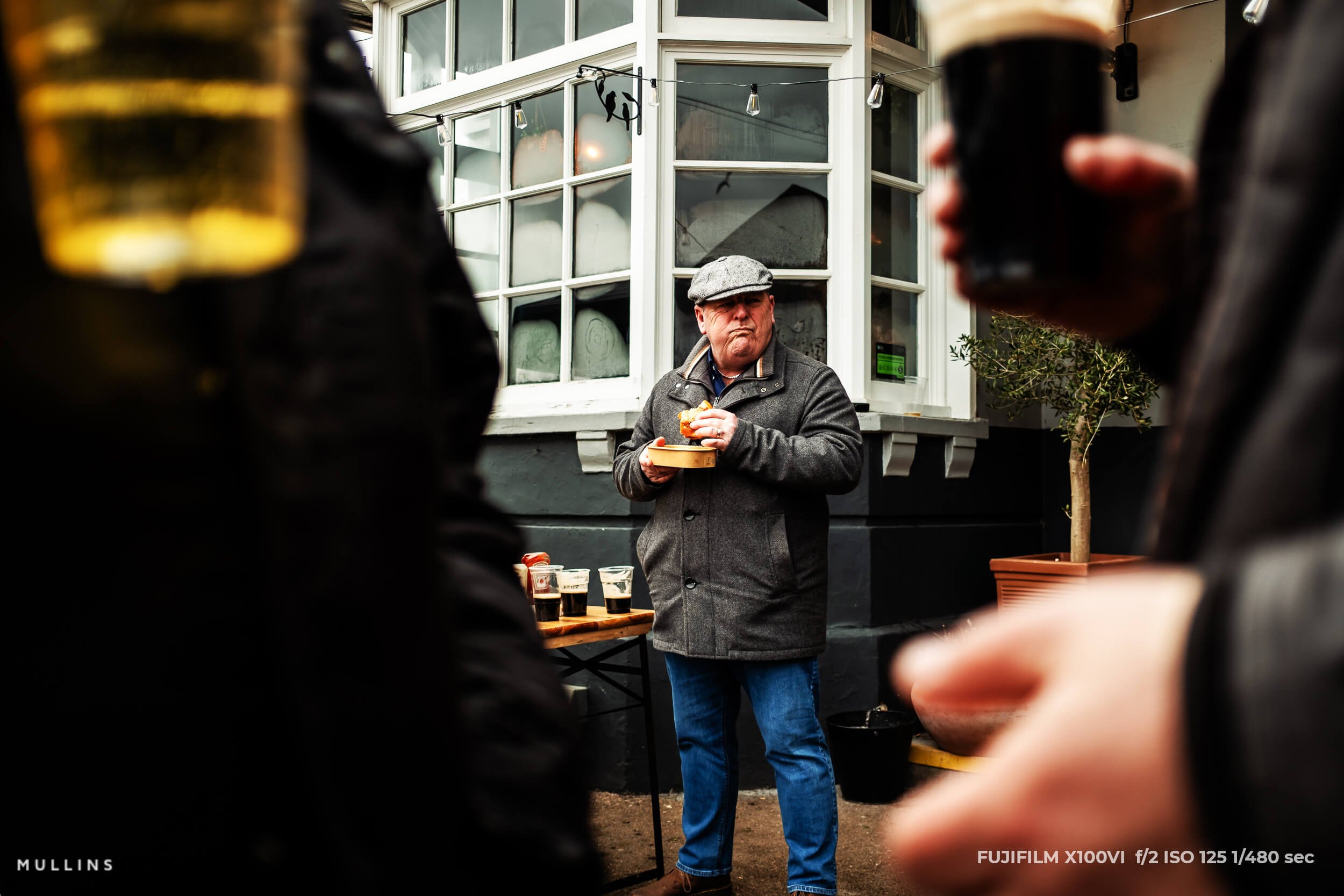
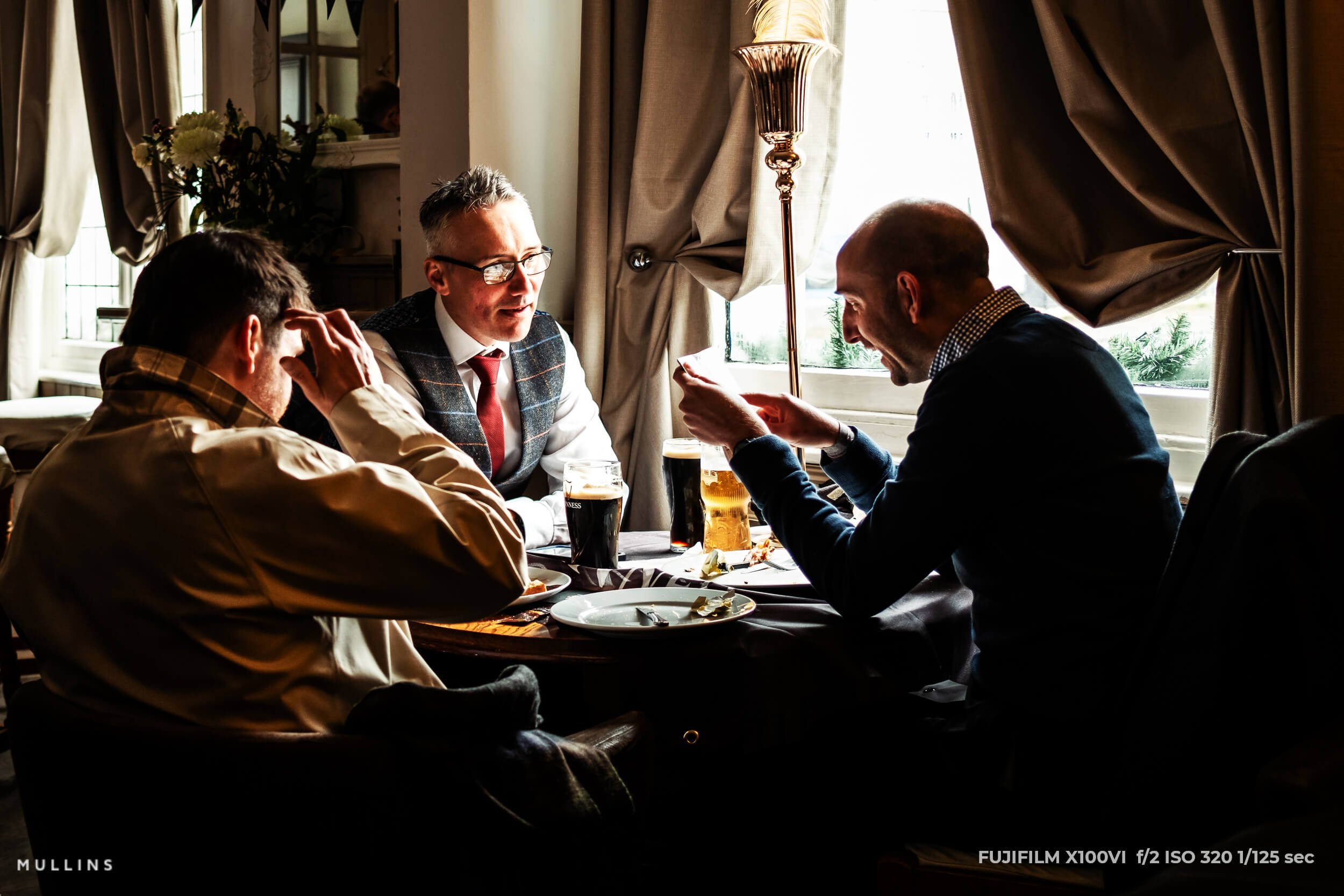
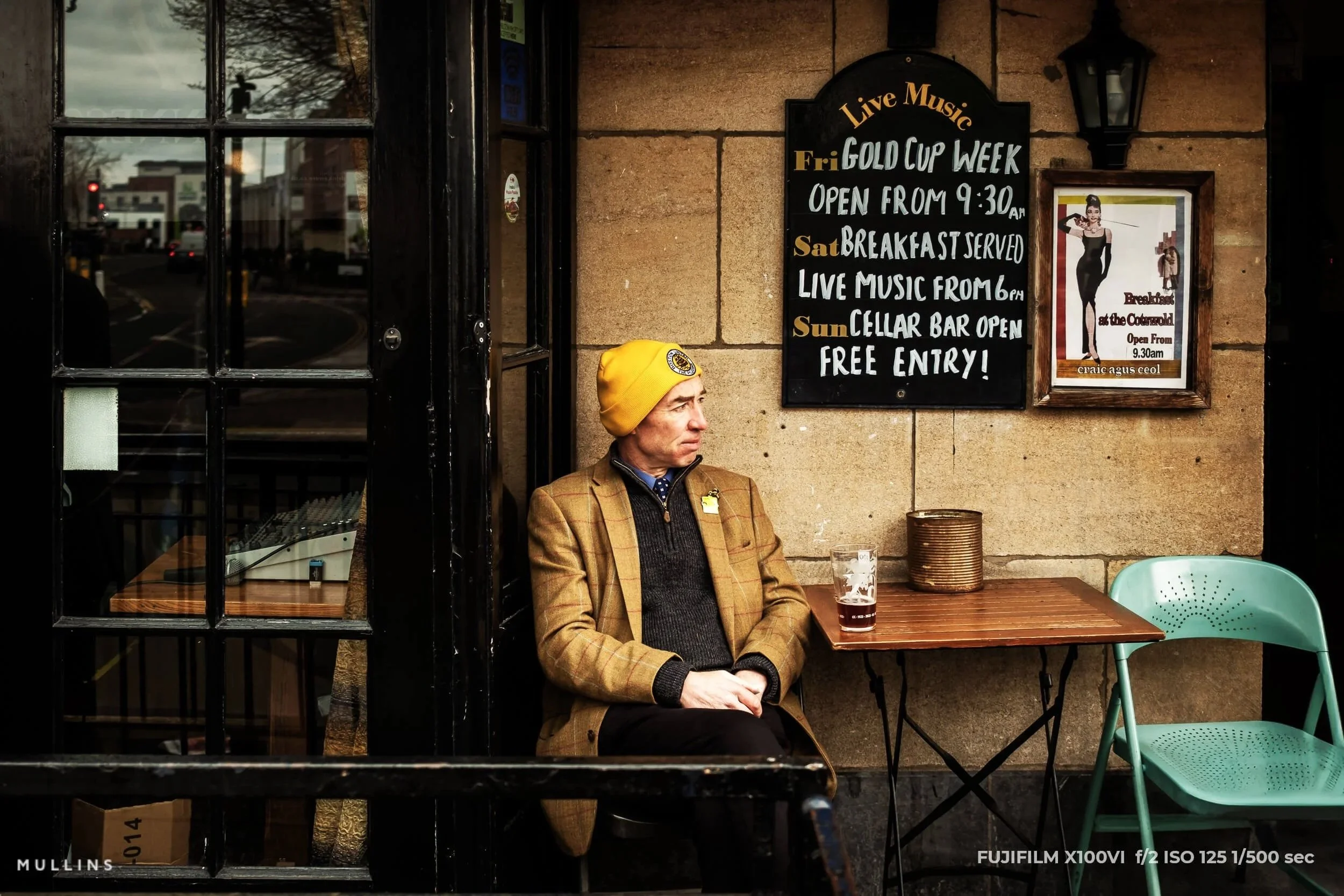

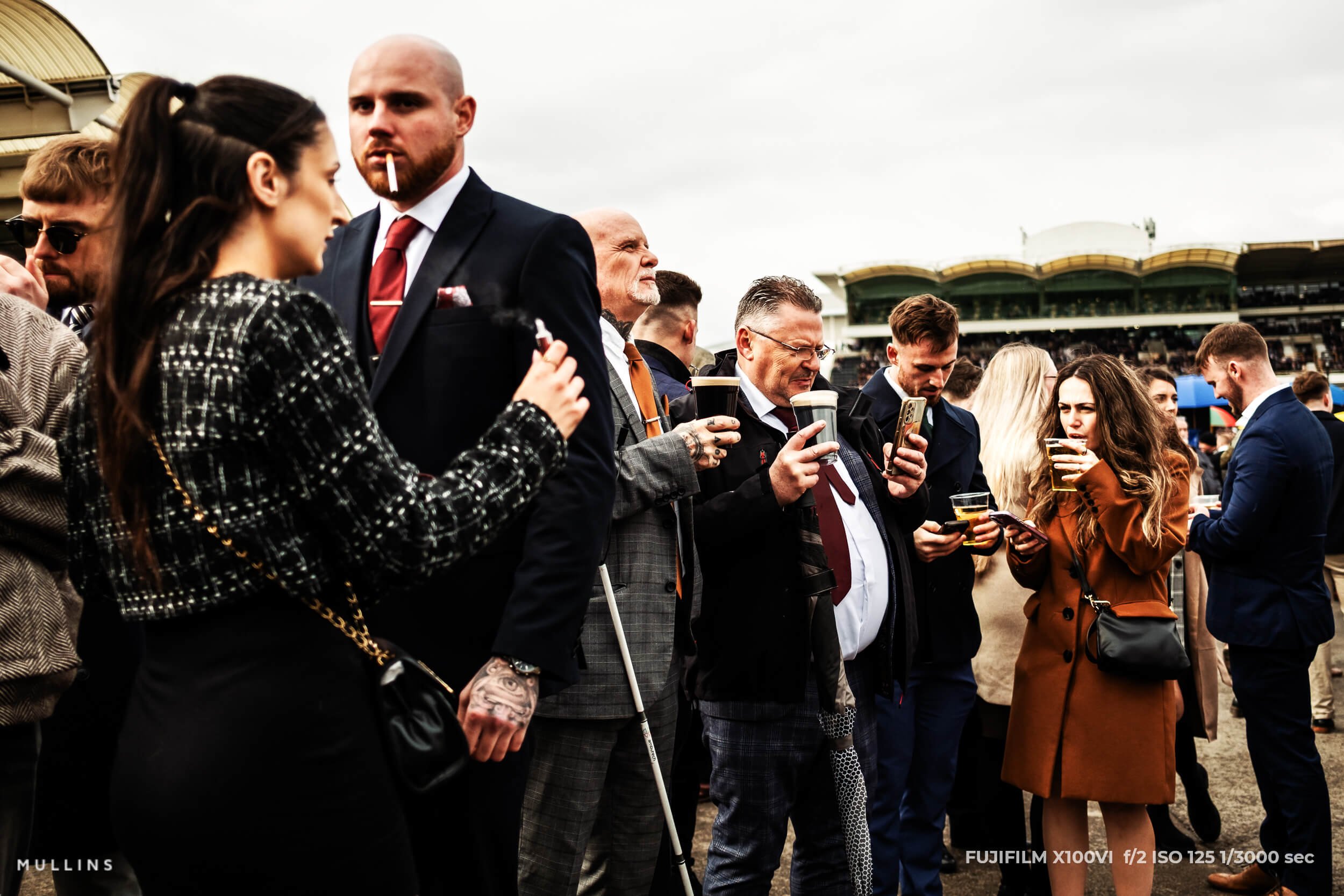
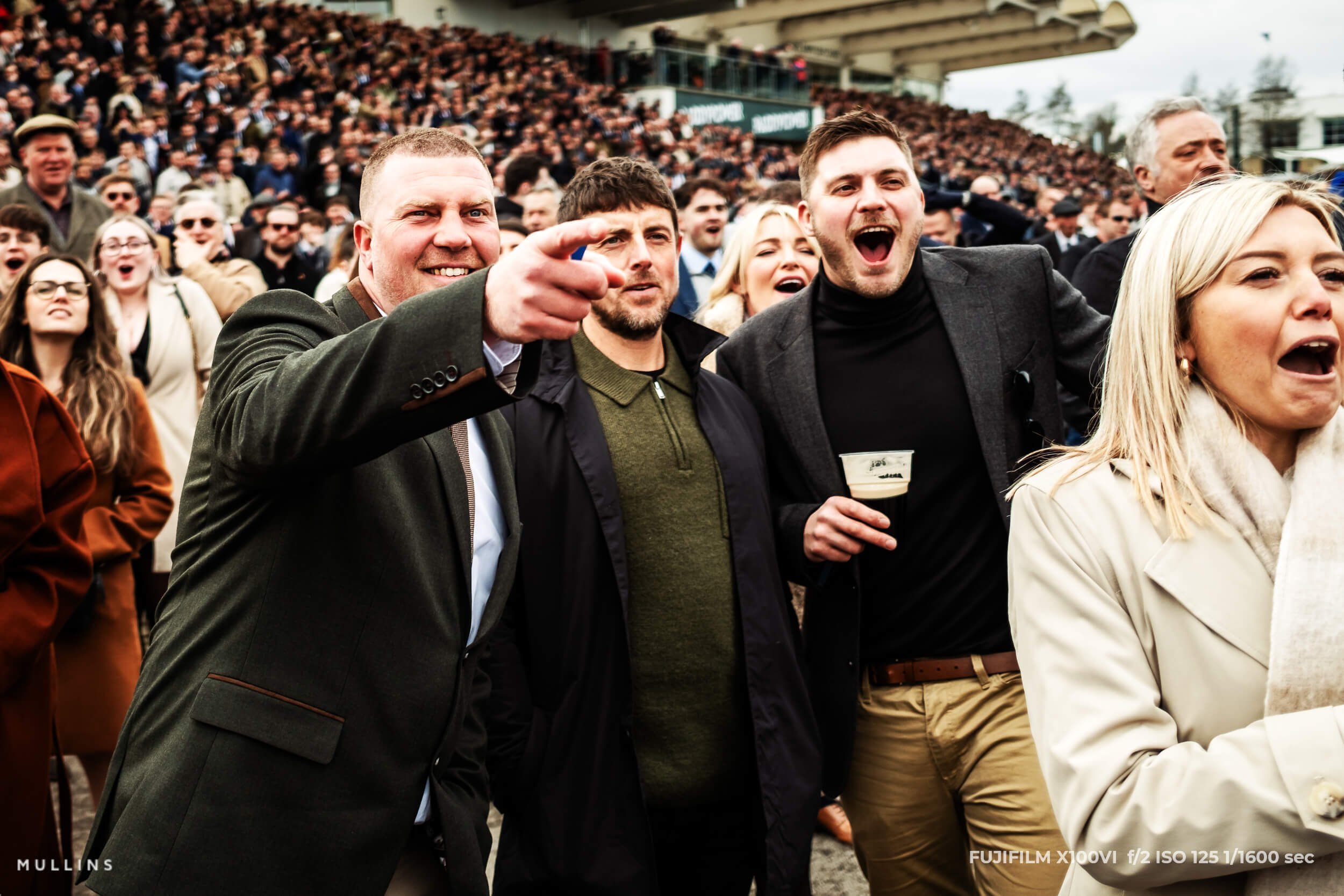

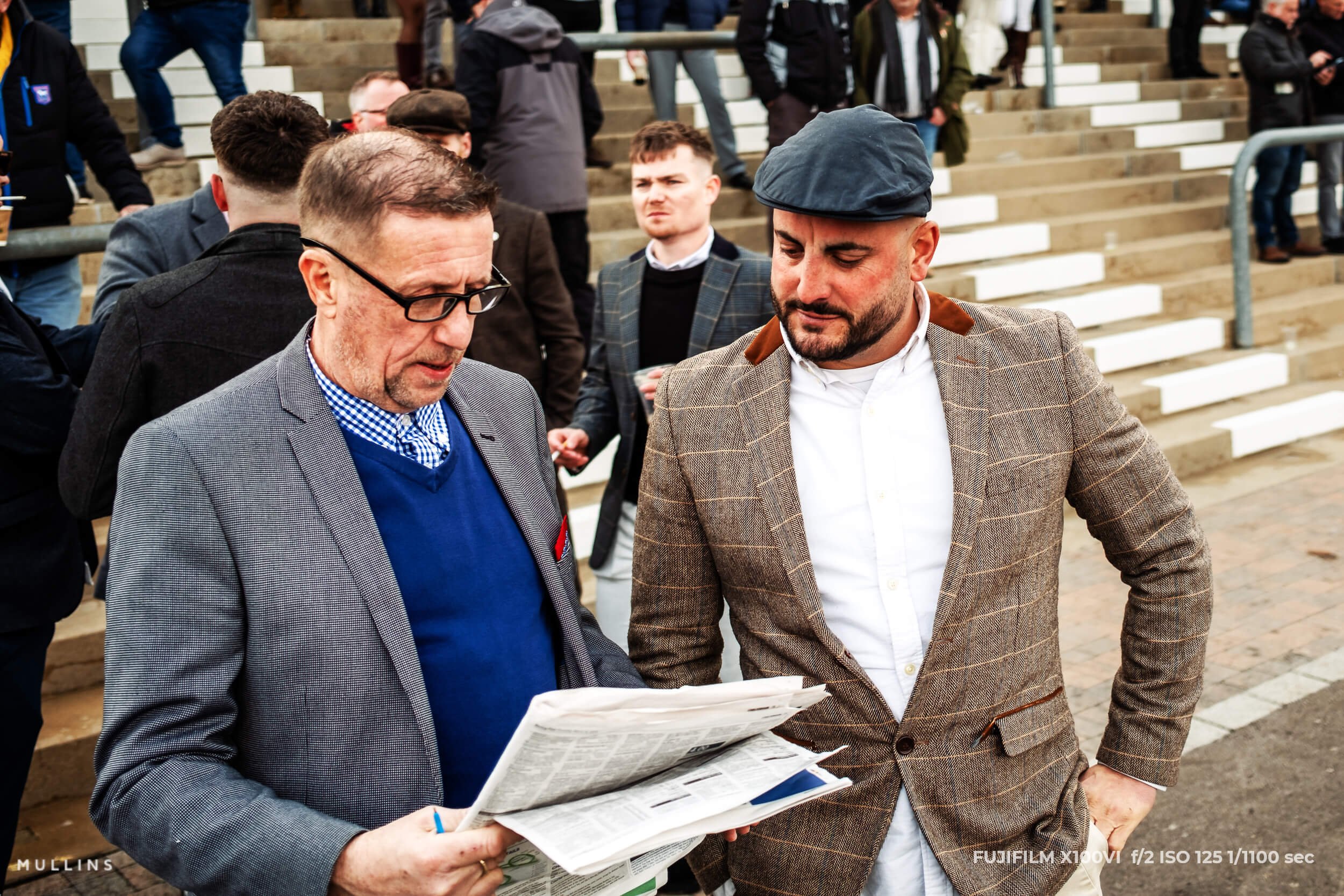
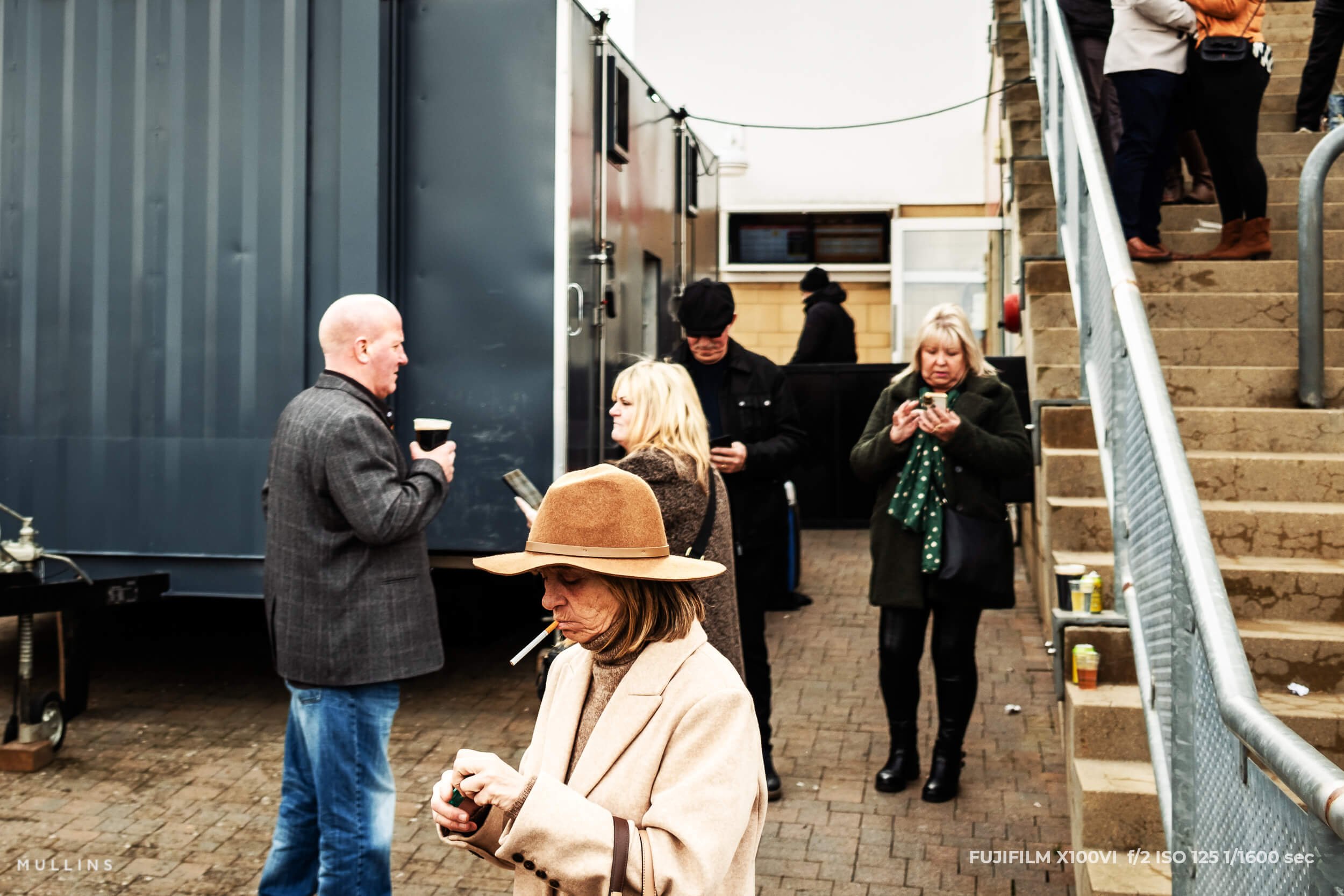
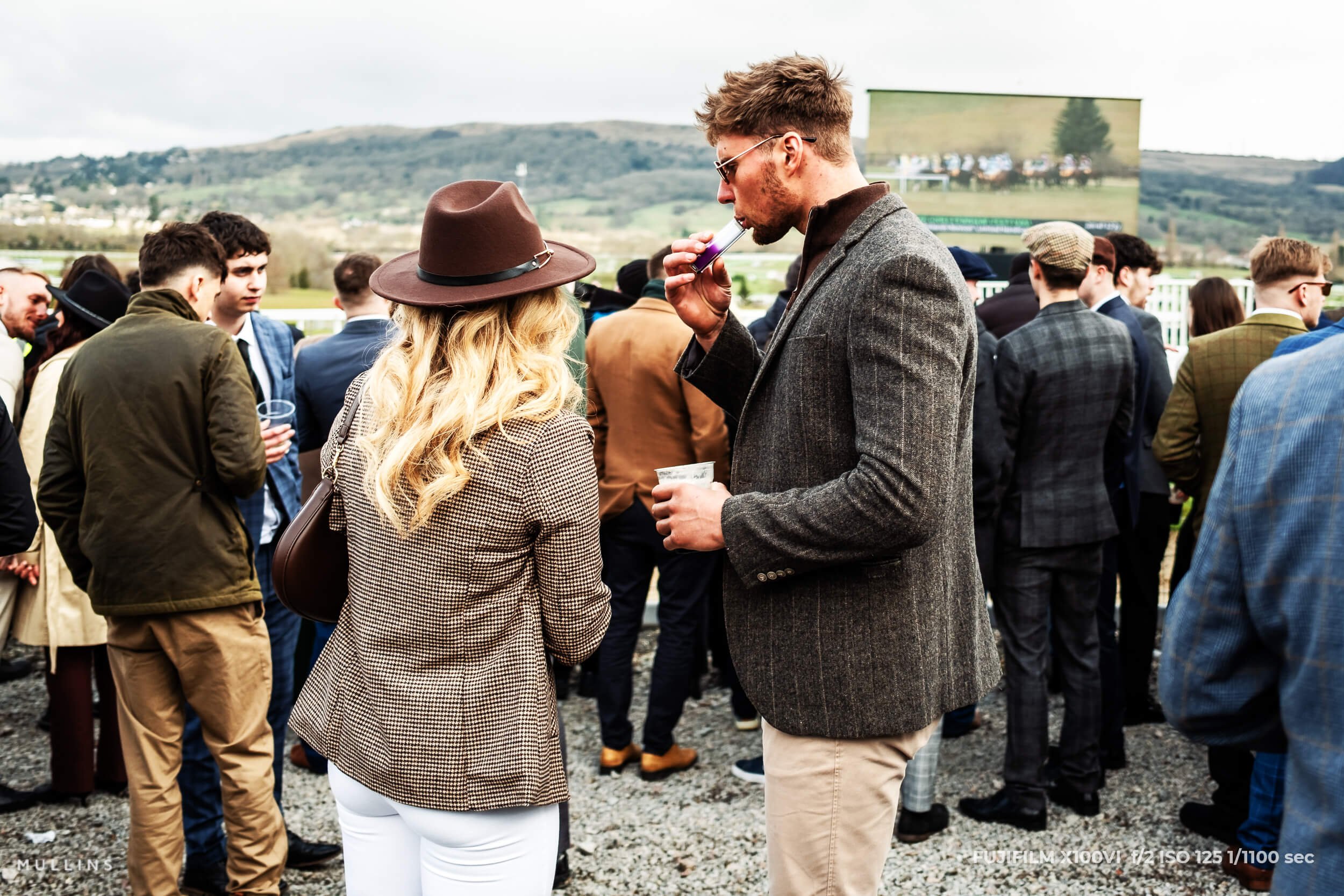



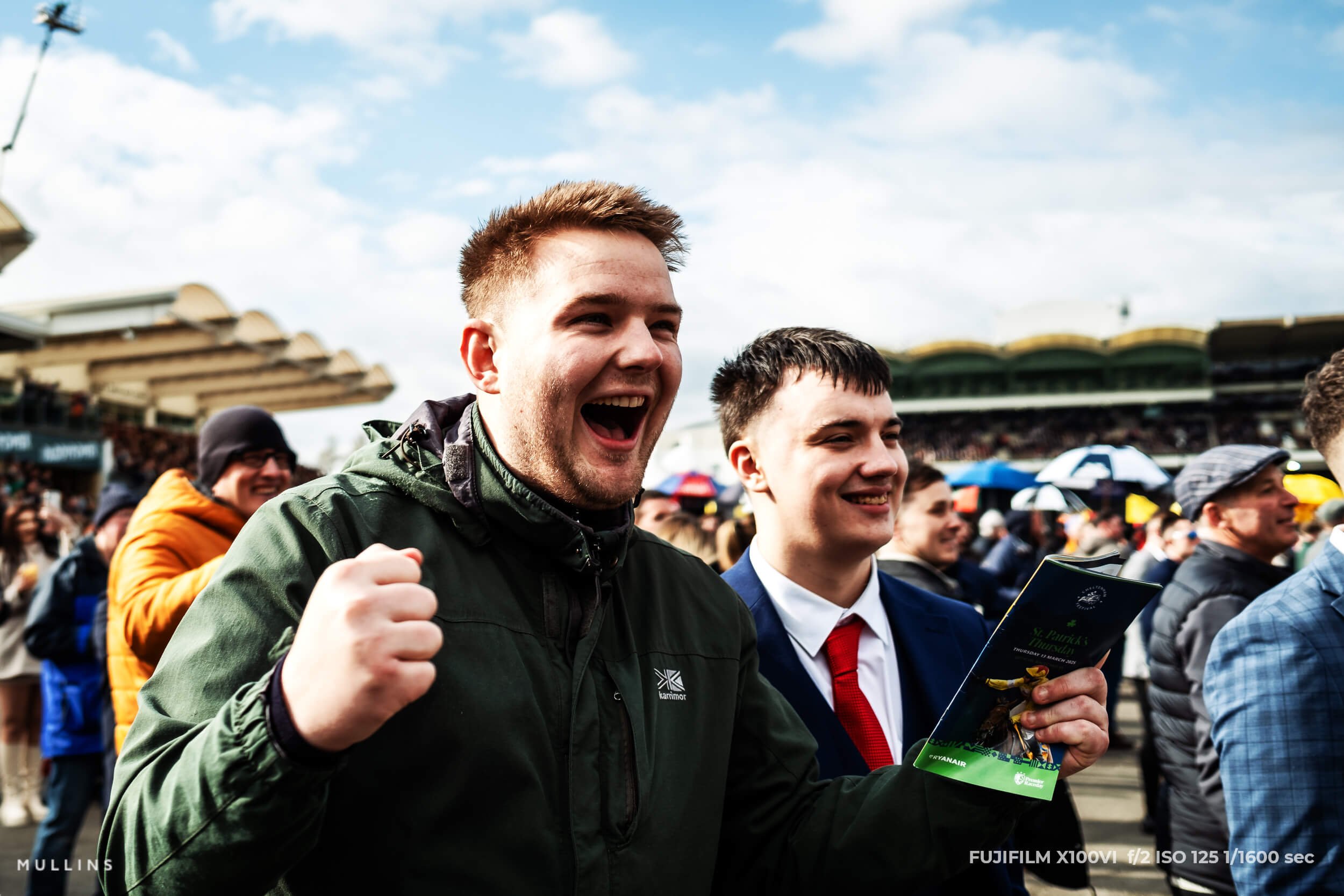
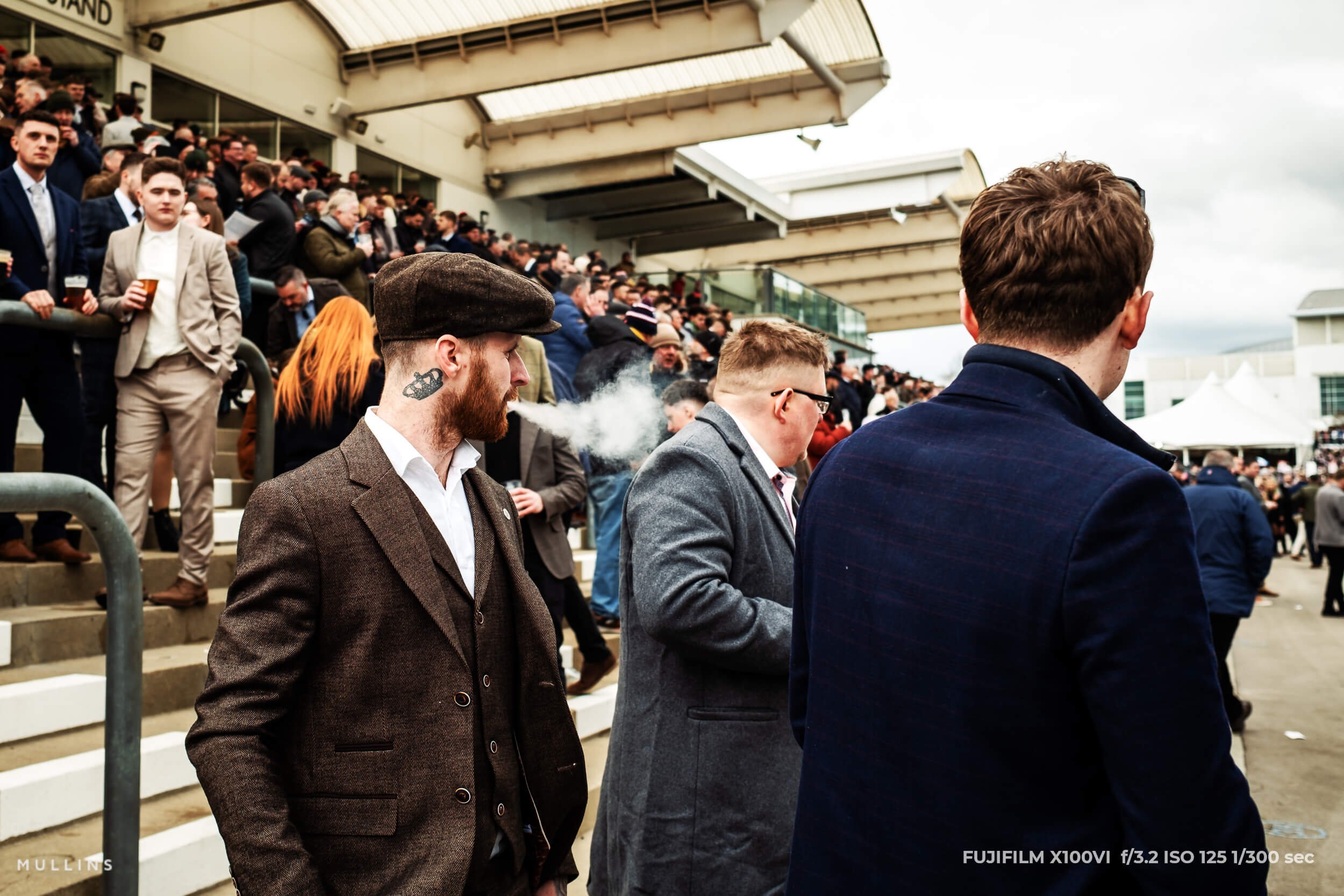
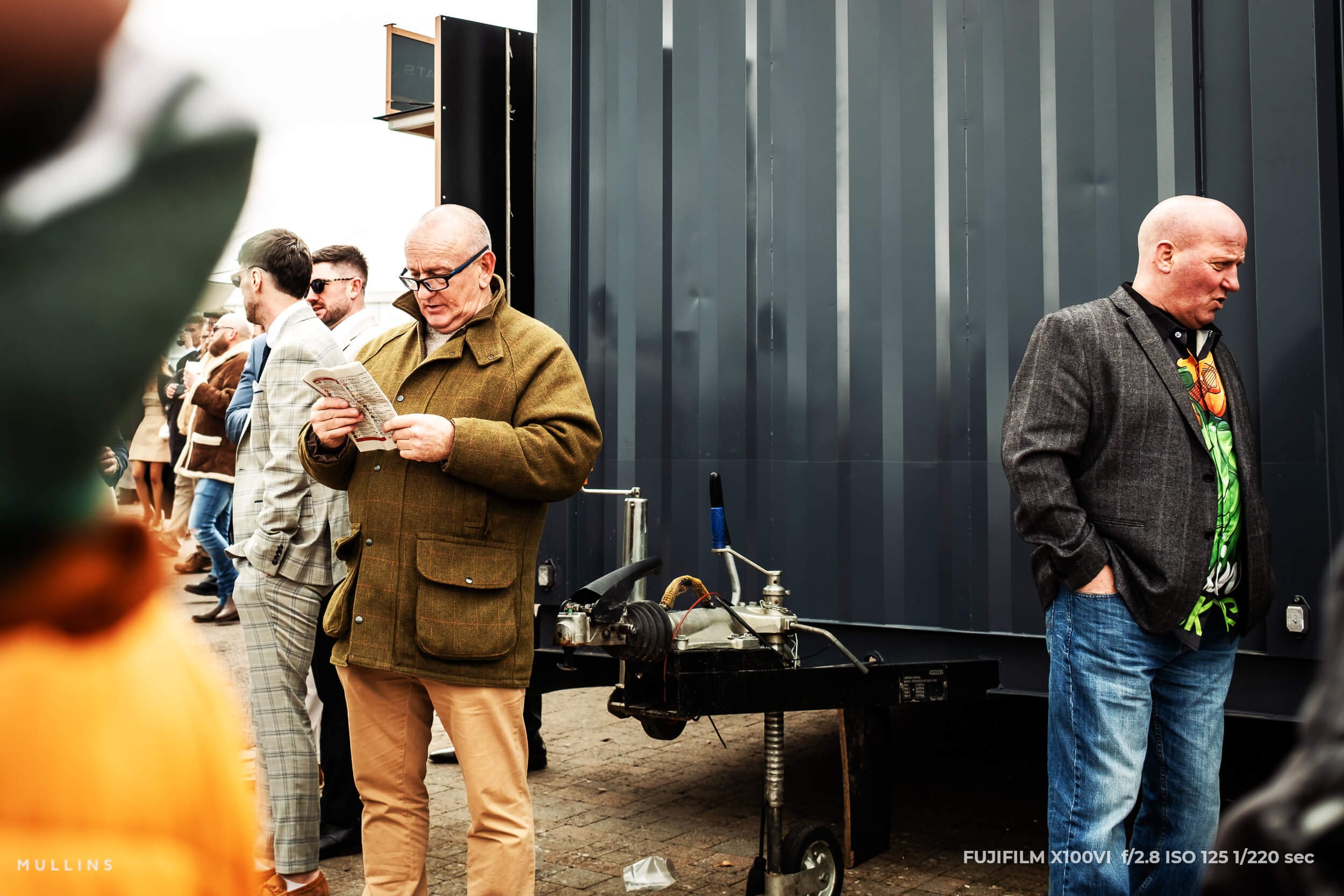
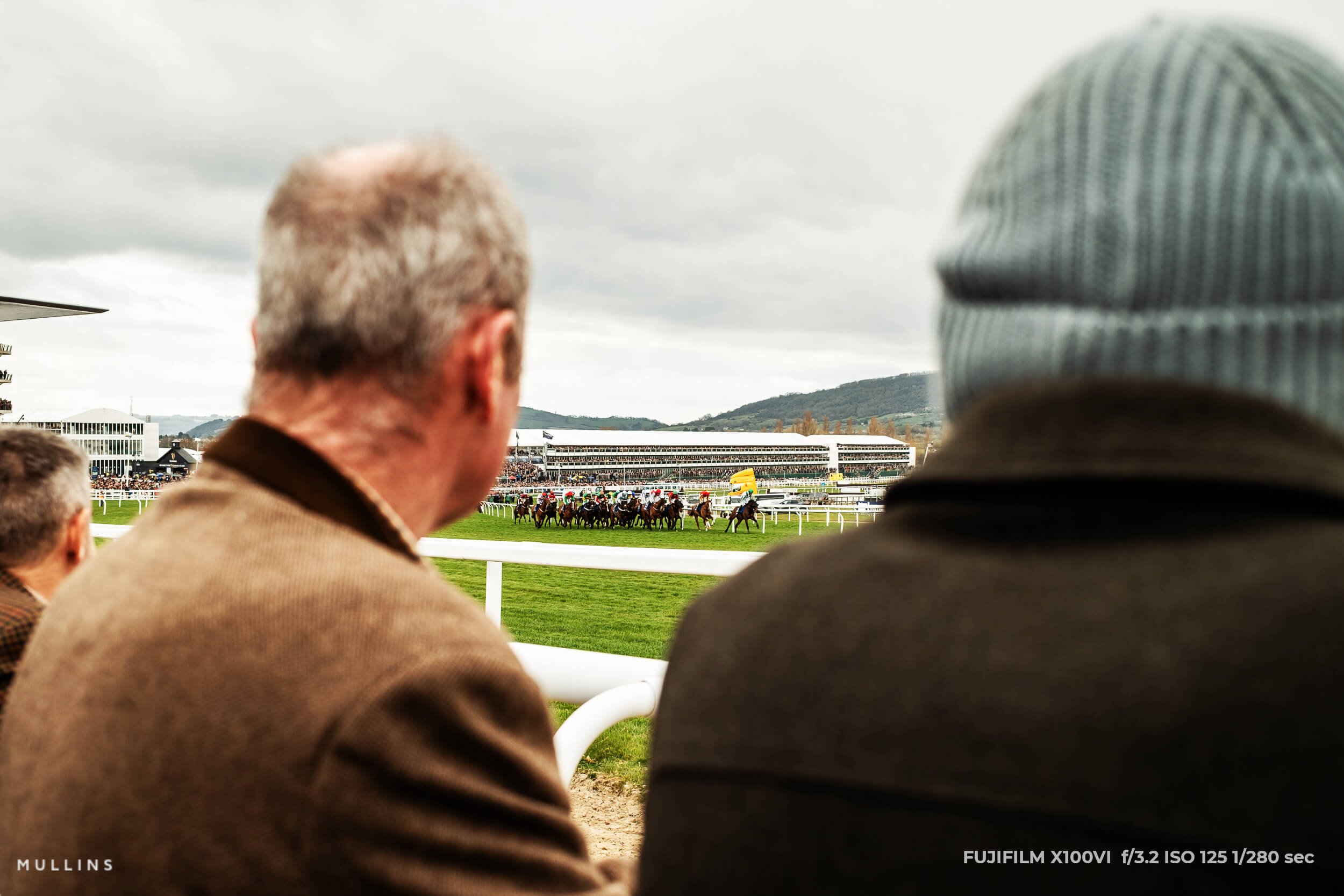





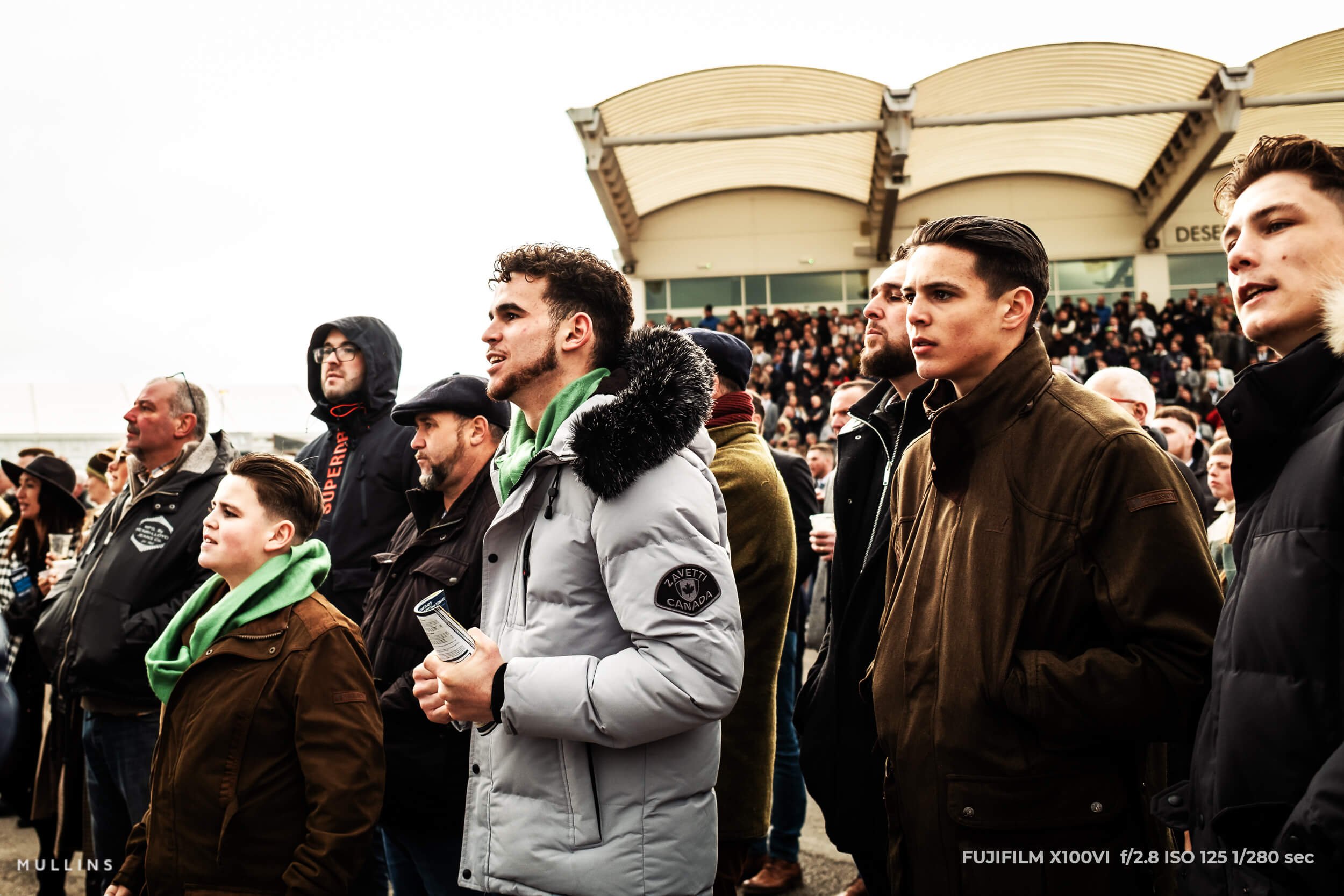
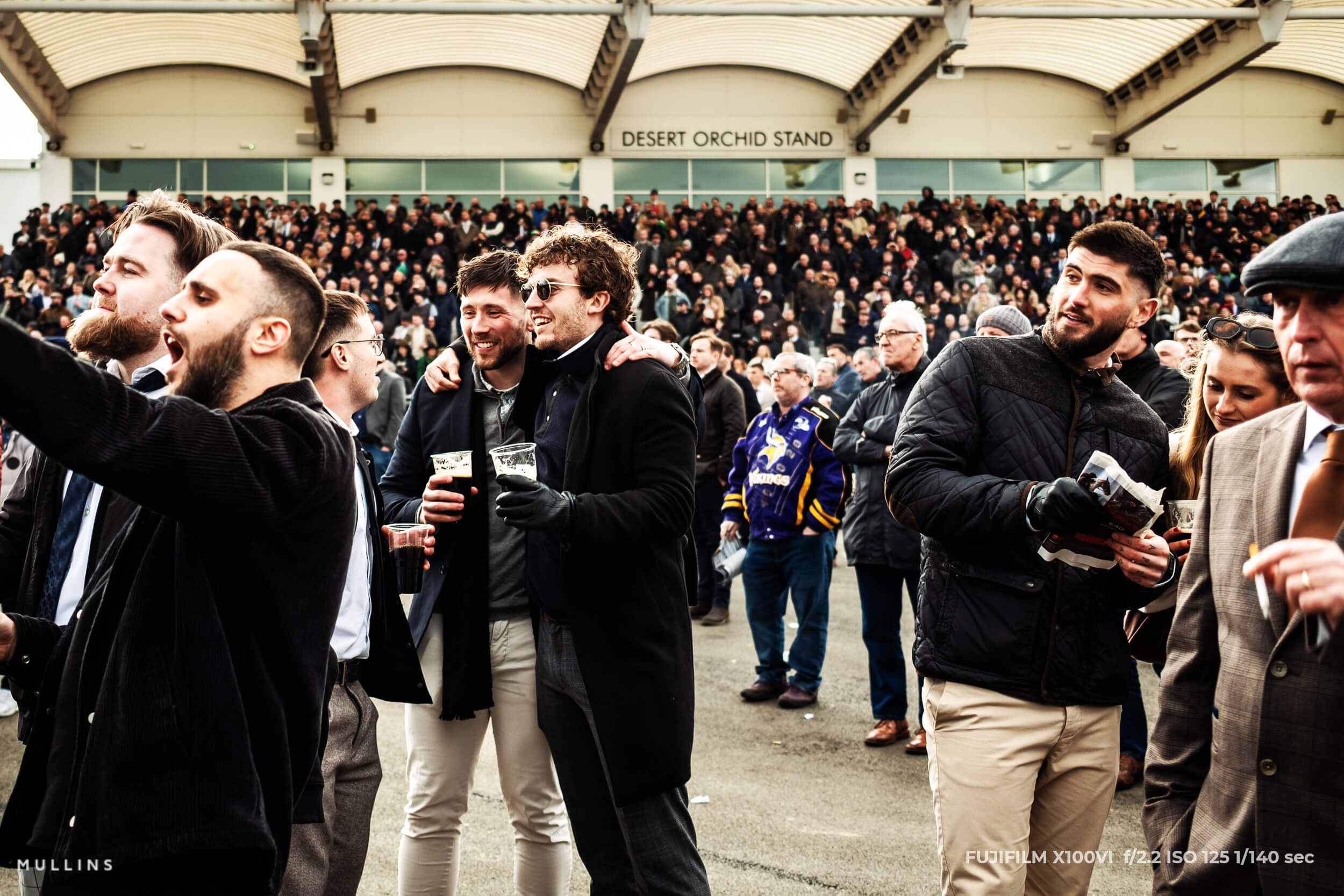
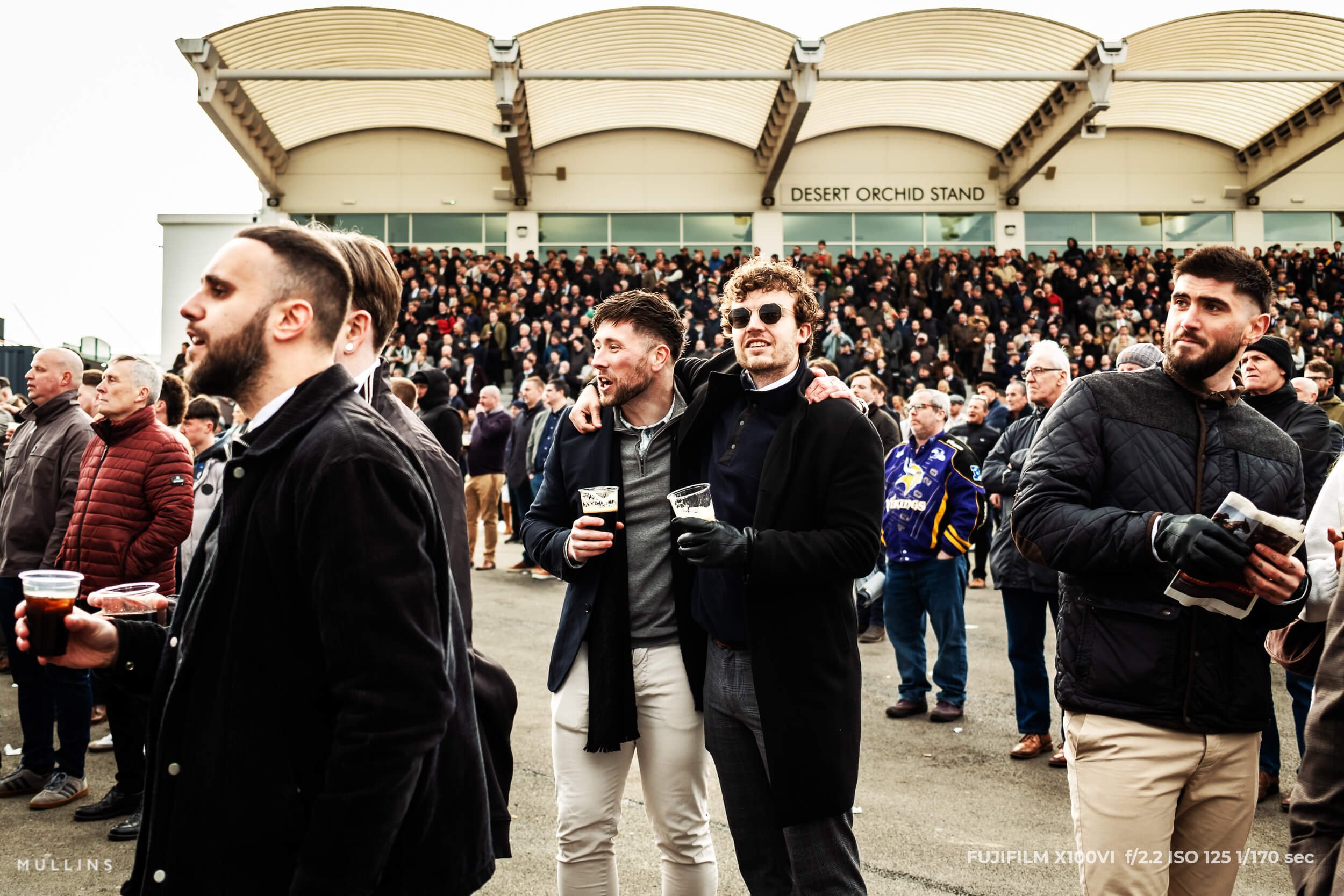
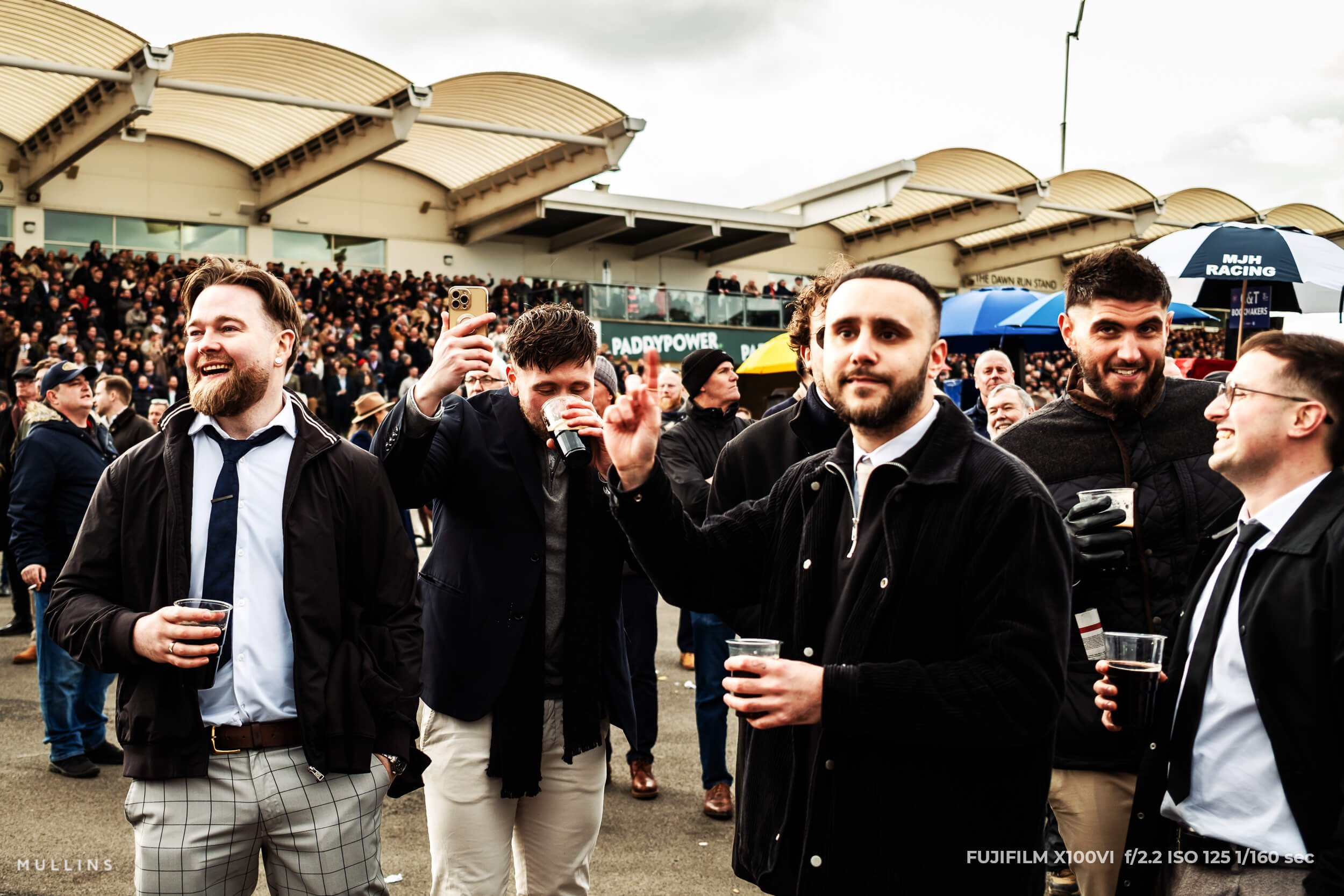


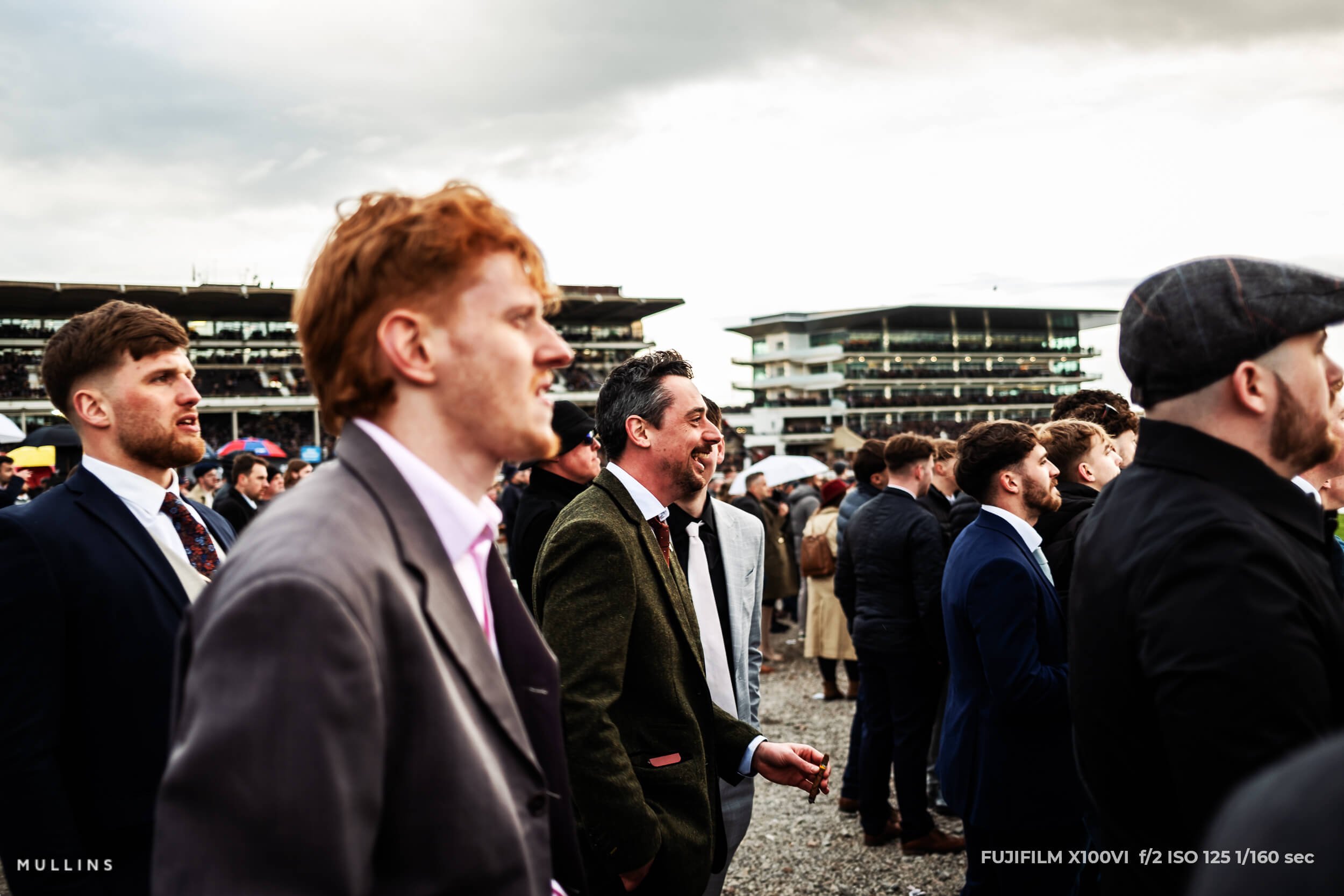
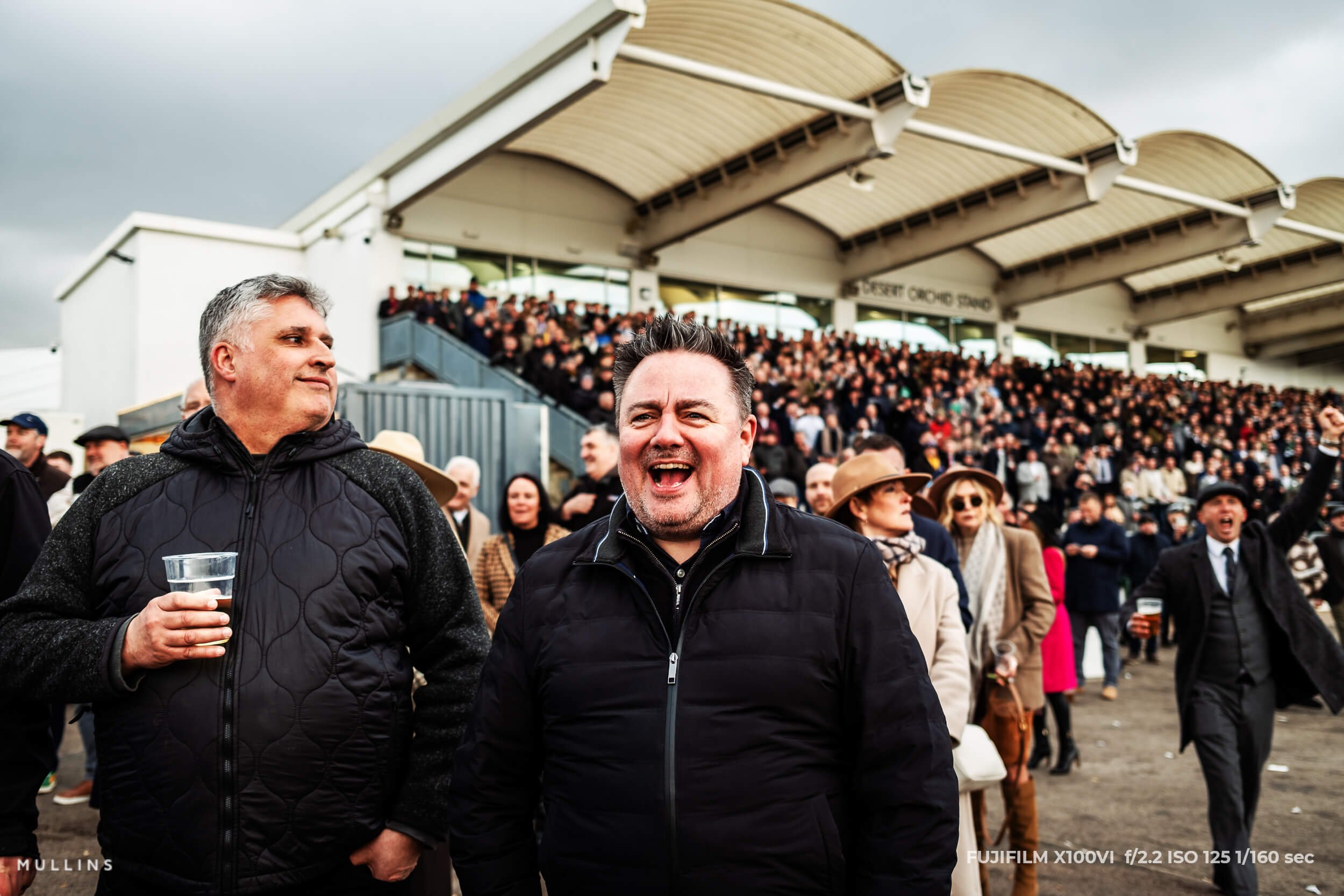
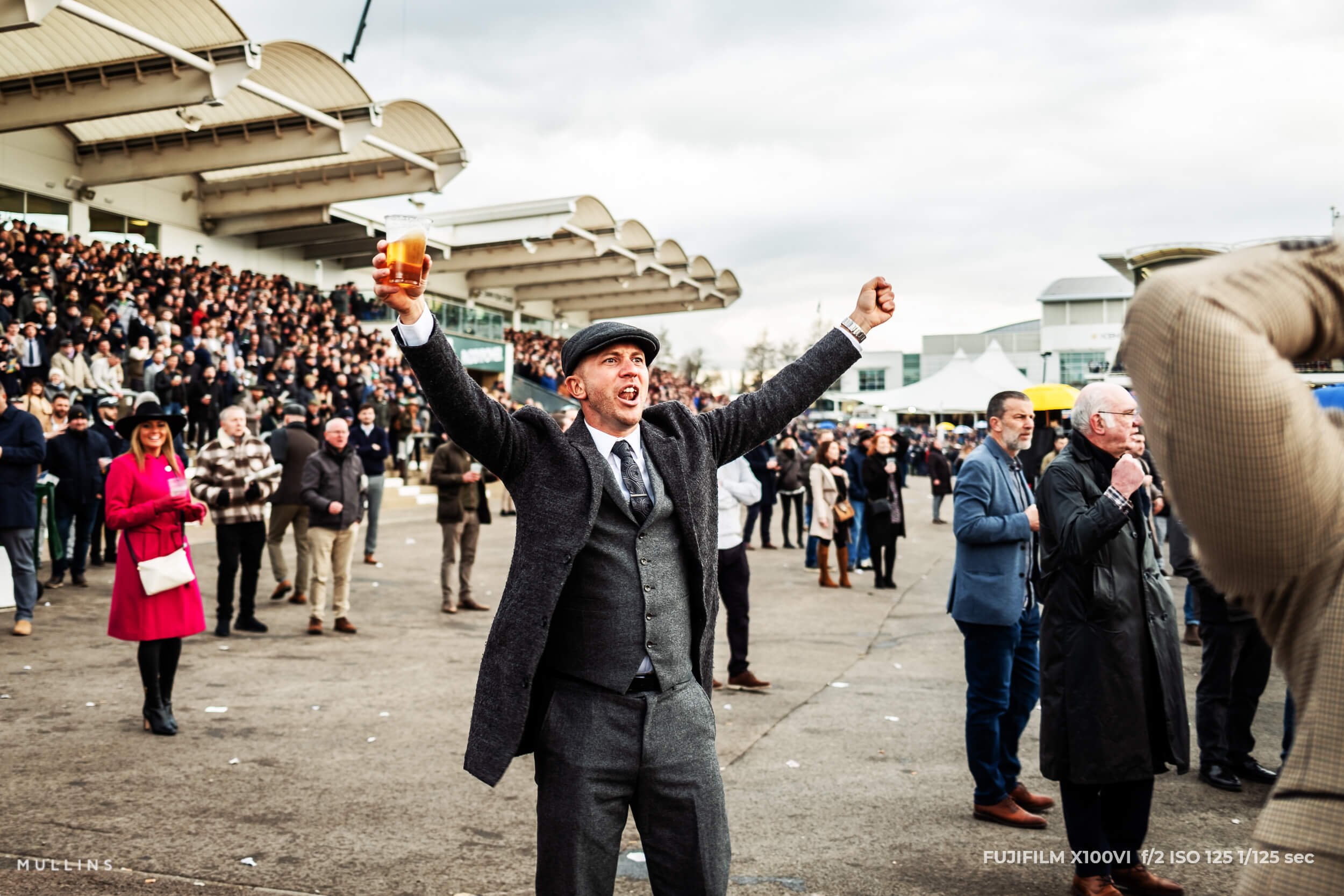


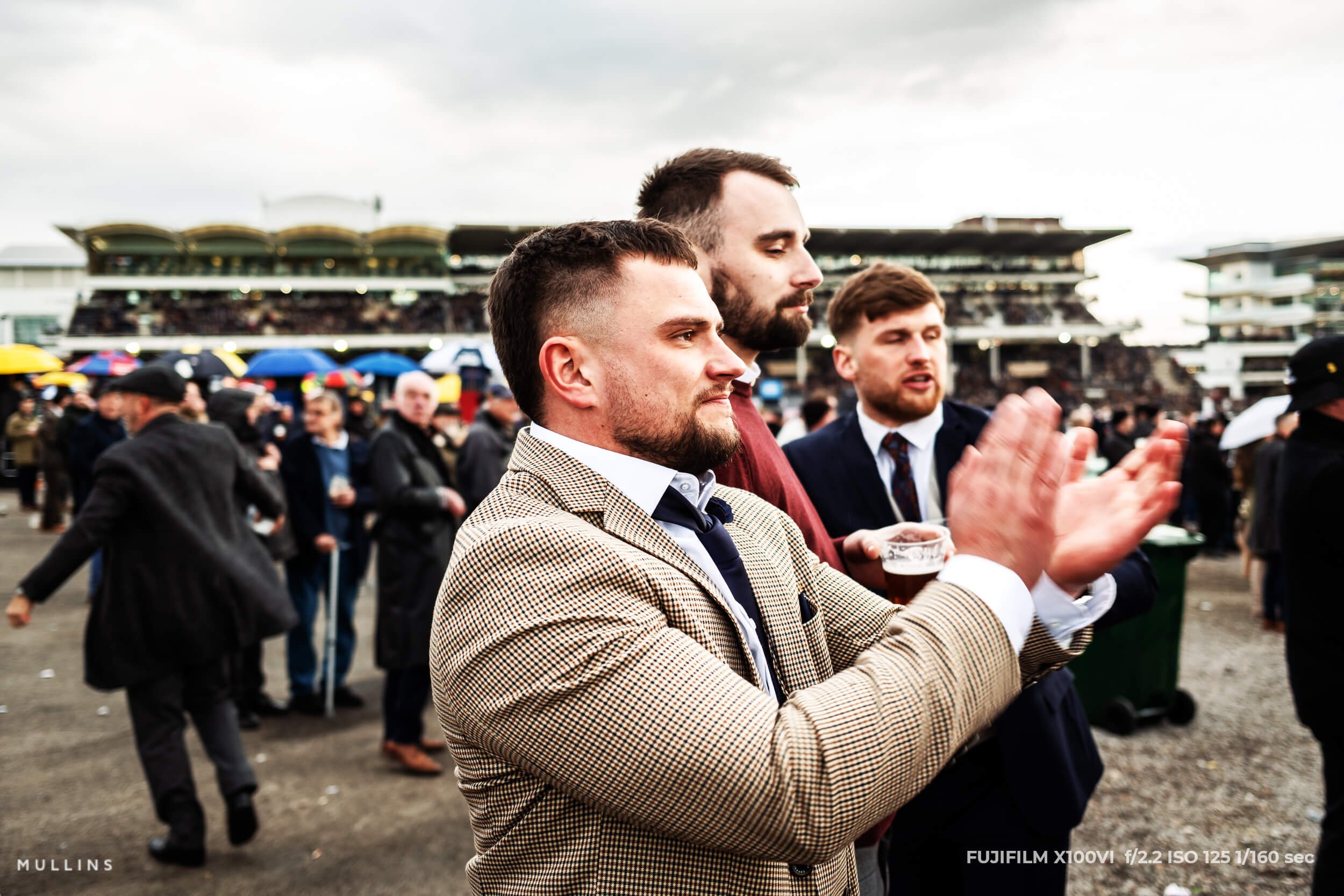
Shooting setup table
| Setting | Value | Notes |
|---|---|---|
| Focus mode | AF-C | Zone AF for moving subjects, Single-point for layered scenes. |
| Drive | Single | Short bursts only when the moment develops. |
| Aperture | f/2 to f/4 | Wide for subject isolation, stop down for context. |
| Shutter | 1/250 s+ | Raise in strong light or fast action. Electronic shutter if needed. |
| ISO | Auto ISO | Base 125, Max 6400, Min Shutter 1/250 s. |
| Film sims | Classic Chrome / Acros | Classic Chrome for colour, Acros for B&W with clean grain. |
| IBIS | On | Useful for late-day light, keeps ISO in check. |
More of my Sports Photography
If you're looking for more real-world photography, here are a couple of past blog posts that might interest you:
Judo Photography – Behind the Scenes (Shot on the X-T5, but still plenty of movement and energy)
Badminton Horse Trials (A very different crowd vibe, but great natural light portraits and equestrian action)




Battery & storage notes
| Item | Usage | Comment |
|---|---|---|
| Batteries | 1–2 NP-W126S | One full battery covered most of the day. A spare is sensible. |
| Cards | 128GB UHS-I | RAW+JPEG for safety. Swap if filming video segments. |
Strengths and trade-offs
| Strengths | Trade-offs |
|---|---|
| Fast to use, discreet, and confidence-inspiring for candid work. | Fixed 23mm means you must commit to the way it sees. |
| IBIS helps keep ISO down in late light. | IBIS will not freeze fast motion. Technique still matters. |
| 40MP files that still feel like X100 images. | Large RAWs increase storage needs if you shoot heavily. |
| Classic Chrome and Acros pair beautifully with street and documentary scenes. | Face/eye AF can hesitate with hats, backlight, or heavy sunglasses. |
Final Thoughts on the Fuji X100VI
If you’re new to the X100 series, this camera rewards patience and curiosity. The more you commit to the 23mm view, the more you’ll see pictures you’d otherwise miss.
The Fuji X100VI absolutely delivered for me at Cheltenham again.
It’s quick, discreet, and just a joy to shoot with. If you’re into street photography, event photography, or just want a beautifully designed carry-everywhere camera.
If you’ve got any questions about the camera, shooting at events like this, or my presets, feel free to drop me a message.

A complete black and white Profile, Preset & Workflow Pack for Lightroom
Film Edition 5 - Workflow Series (Monochrome) is a structured set of Lightroom profiles and presets designed to help you achieve a finished monochrome look quickly and consistently.
This is not a random “pick a look and hope” pack. It’s designed as a repeatable workflow you can run on a full set of images, with fixes and finishing tools when you need them.
If you edit regularly in Lightroom, you already know the problem. You want a strong black-and-white style, but you also need it to behave consistently across different scenes, lighting conditions, and subjects. This pack is designed to help you move fast without the work looking rushed.
You start with one of the custom monochrome profiles to establish the tonal foundation, then shape the image with workflow presets that are designed to work with that profile rather than fight against it. From there, you can use the included Toolkit for things like AI masking, grain, curves, highlight control, sharpening, finishing touches, and everyday problem-solving inside Lightroom. The product page positions the pack exactly this way, with the profile first, workflow second, then utilities and finishers to refine only when needed.
Built for speed and consistency
If you edit your photos in Lightroom, you already know the problem: you want a strong monochrome style, but you also need it to work across different scenes without constant fighting.
This pack helps you move fast without the work looking rushed.
Fast workflow: fewer decisions, clearer steps.
Consistent results: the set hangs together as a series.
Film-inspired tonality: depth, shape, and texture without the “preset look”.
Useful fixes included: real-world Lightroom problems, solved quickly.
What’s included
11 custom monochrome profiles
20 one-click presets
128 Mullins Lightroom Toolkit presets, including AI masks, fixes, utilities, grain, tone curves, colour helpers, sharpening and finishers
Compatibility
Works with Lightroom Classic and Lightroom Desktop. AI Mask presets require Lightroom Classic 11.0+ or Lightroom Desktop 5.0+.
Three for Two Offer
All preset packs are included in the 3-for-2 offer. Add any three preset packs to your basket, and the cheapest one is free at checkout.