Photography can have a habit of making you feel brilliant one day, and slightly useless the next. You go out, you take loads of photos, you come home, and you think… why do none of these feel like the photos I had in my head?
I’ve been a professional photographer for nearly two decades, mostly shooting documentary-style weddings, family stories and street photography. And if there’s one thing I’ve learned, it’s this: getting “better” rarely comes from buying something new, or learning a clever trick.
It comes from habits, which is pretty boring to be honest. The things you do again and again until they start showing up in your work without you thinking about it.
This blog post is based on a YouTube video I made. I’ve embedded the video below, then I’ll break each step down properly, with a few extra thoughts that are easier to explain in writing.
What this article covers
Five practical ways to improve your photography without buying new gear. We’ll cover observation, seeing light, why black and white can help, why “perfect” is overrated, how I use Program mode, and how to stop letting likes and algorithms steer your work.
Watch the Video below, or skip to the notes
The five steps, quickly
If you’re wondering how to be a better photographer, start here…
Become a better observer
Try seeing in black and white
Embrace the imperfect
Don’t be afraid of P mode
Ignore digital vanity
Now let’s go through them properly, because I think all of these points are very important.
1) Become a better observer
This is the main one. It’s also the one people try to skip because it feels vague. You can’t buy observation. You can’t download it. You learn it.
On my street photography workshops, I spend most of the day working on observation skills rather than technical camera settings. Those settings matter, obviously, but anyone can learn aperture, shutter speed and ISO.
Only you can learn what you’re drawn to.
Only you can decide what matters enough to frame.
It would be a boring world if we all saw the same thing through the camera.
There’s a Dorothea Lange quote I love, and I keep coming back to it:
“A camera is a tool for learning how to see without a camera.”
That’s exactly it. You don’t become a better photographer by constantly having the camera glued to your eye.
If anything, you miss more. When I’m shooting weddings or out on the street, I spend more time with the camera down than up. I’m watching light. Watching behaviour. Watching little moments build.
A simple way to train this is to shoot with a theme.
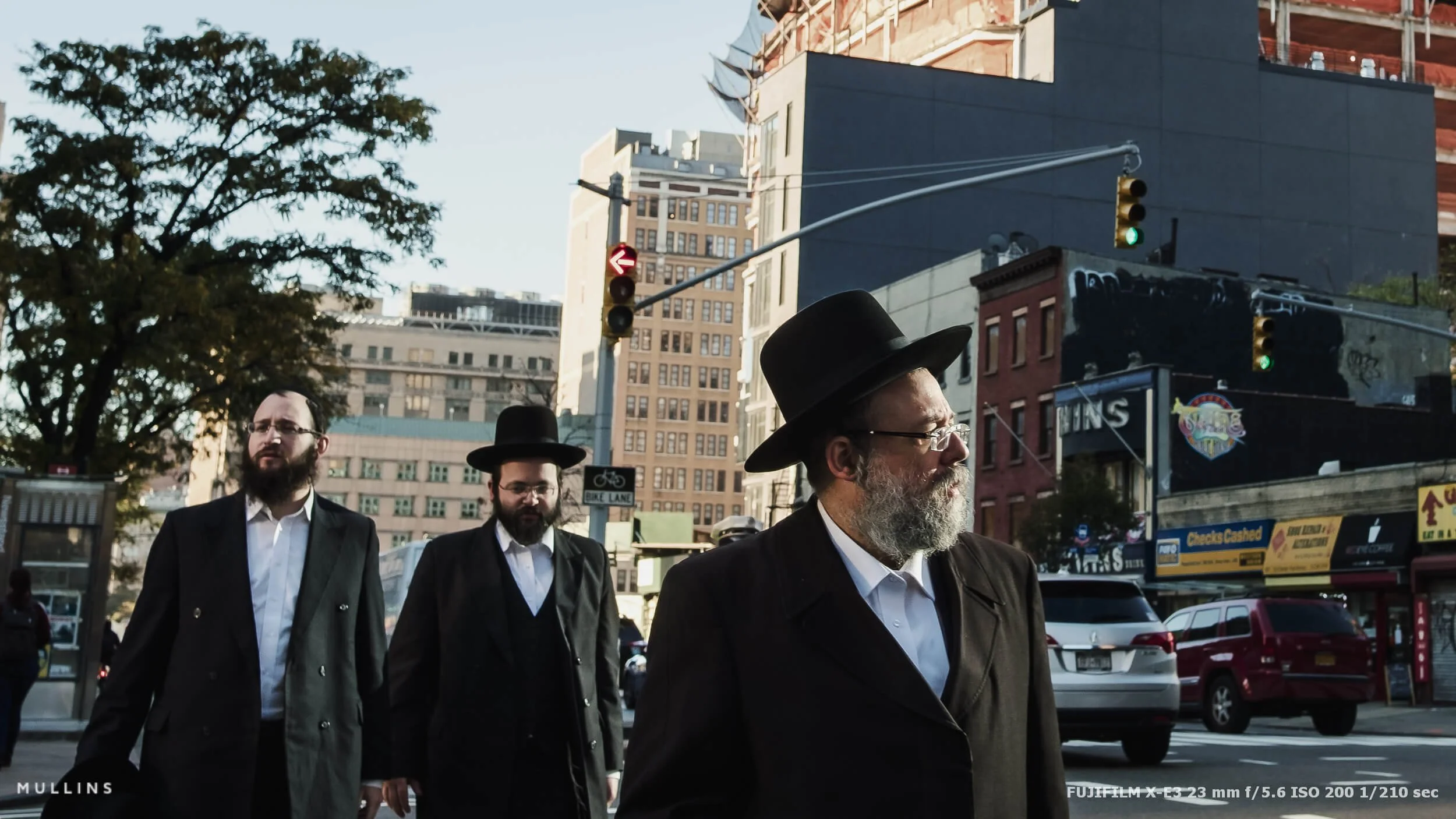
A theme is basically a tiny project. It gives you a brief. Professional photographers are almost always working to a brief, even if they don’t call it that. The brief might be huge or tiny, but it shapes what you notice.
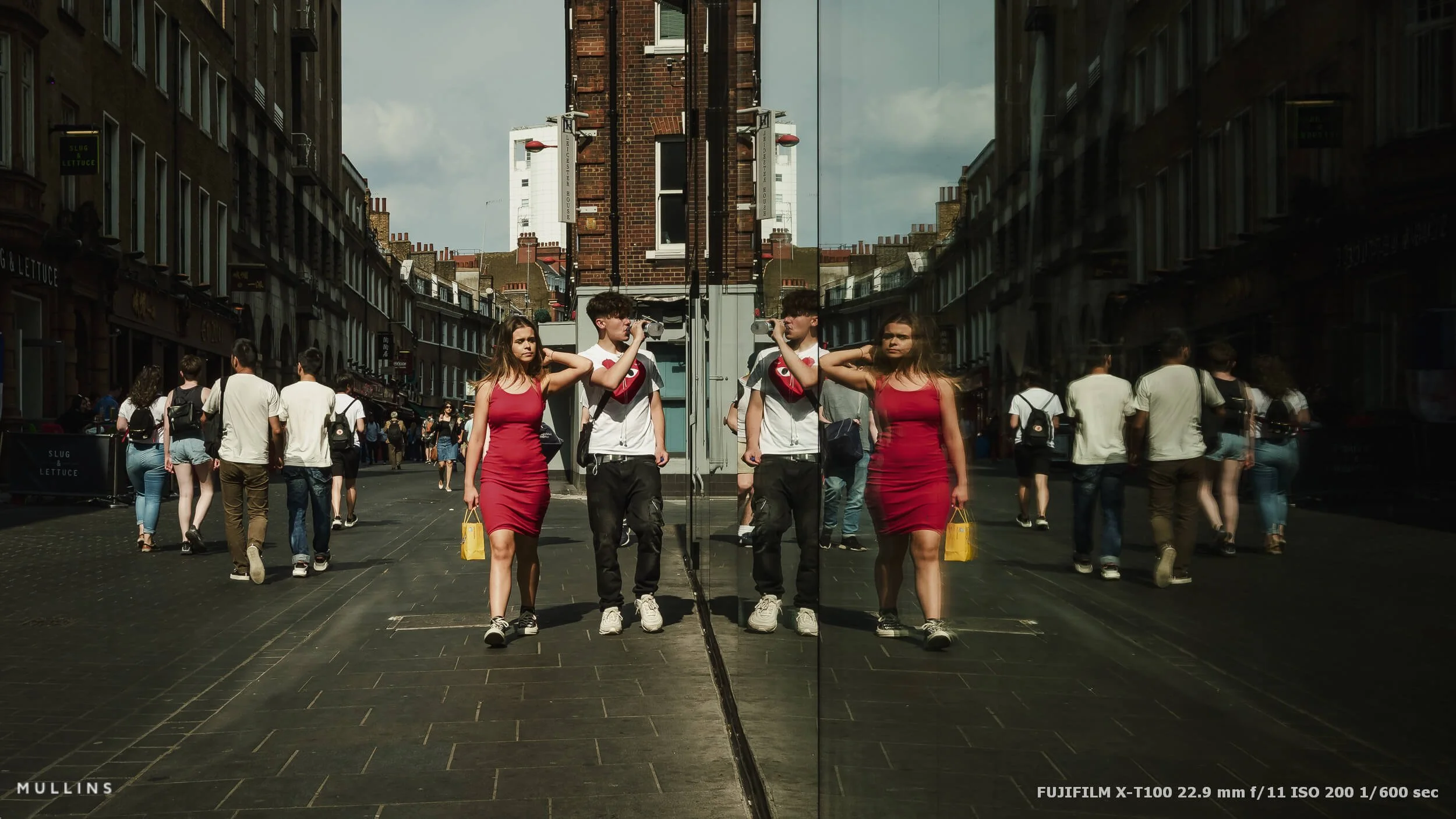
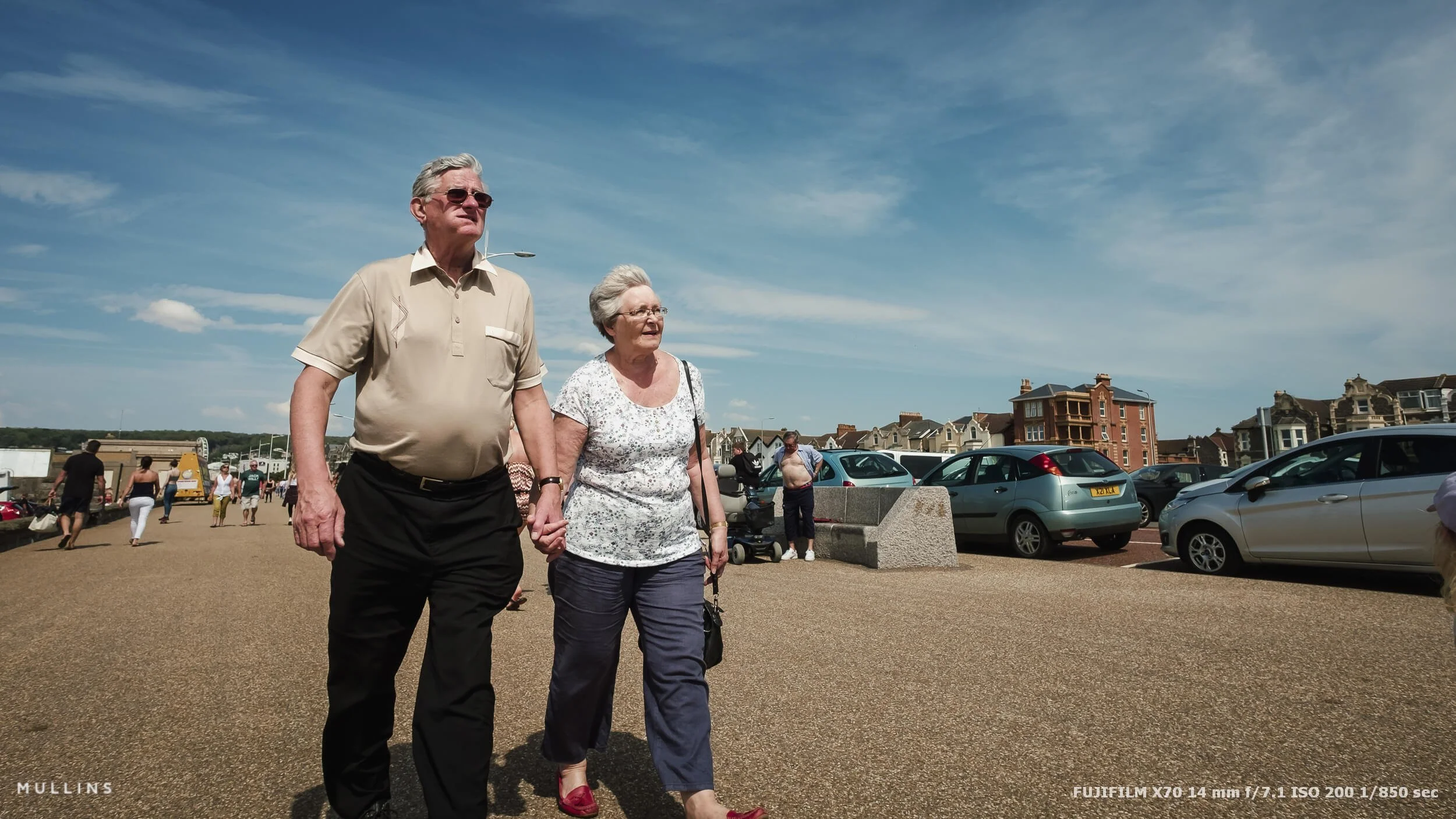
For example, some of my ongoing street themes are:
reflections
older people in love
Nothing complicated. But it gives me direction, and I end up taking fewer photos with more keepers.
Here’s a quick exercise I often suggest:
If I told you, “Go outside, you’ve got five minutes, take five photos and send them to me,” you’d probably panic. You’d start thinking there’s nothing interesting. You’d worry the photos won’t be good enough.
But if I said, “Go outside and take five photos on the theme of motion,” you’d suddenly have a starting point.
You’ll notice vehicles moving, people moving, clouds moving. You might even play with a slower shutter speed.
The point is you’re looking first. You’re observing.
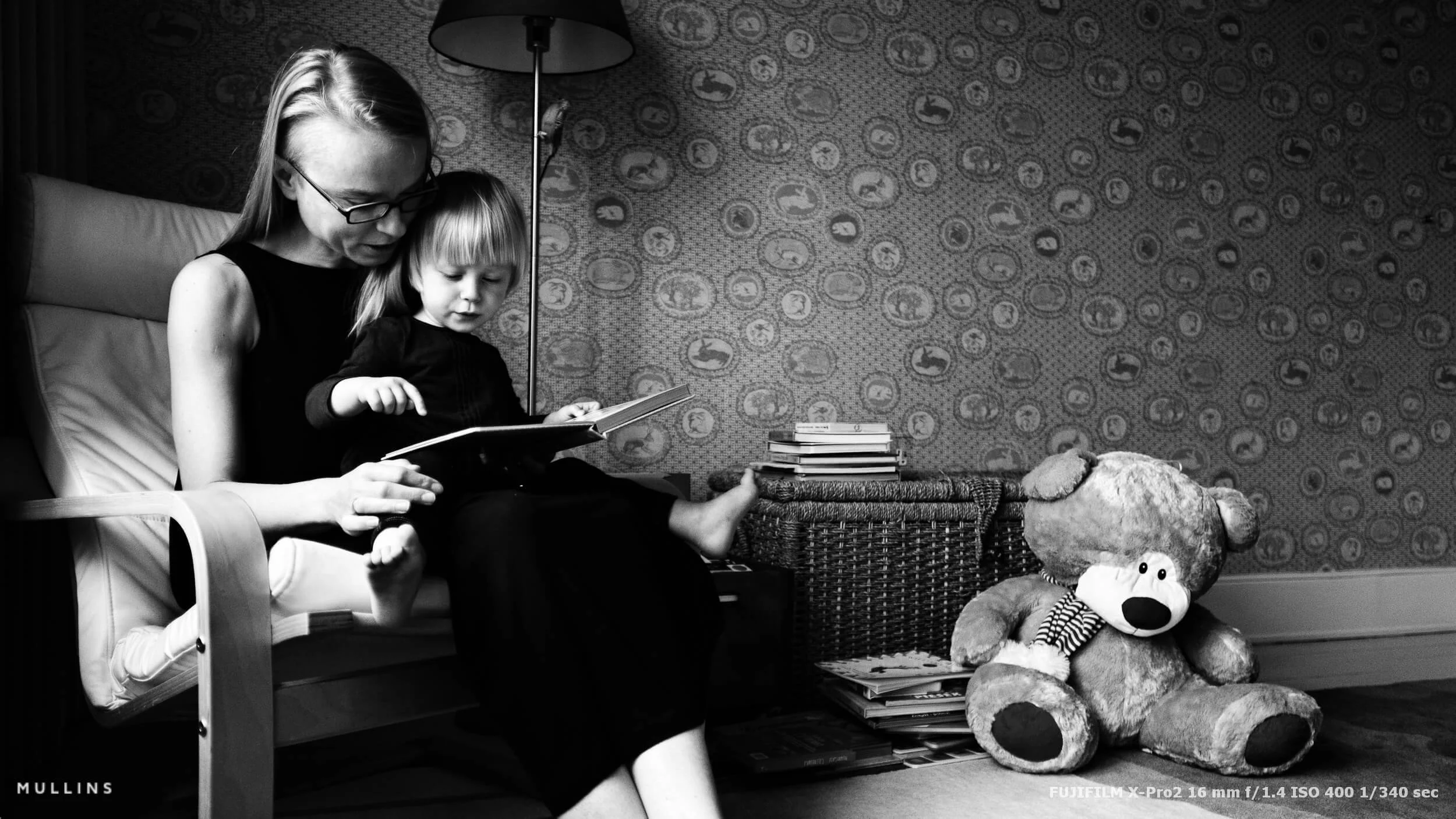
2) Try seeing in black and white
This one sounds like a style preference, but it’s not really about style. It’s about training your eye to see light.
I always have my cameras set to a black and white film simulation. If you shoot RAW, you can still edit in colour later, so you’re not throwing anything away. If you shoot JPEG, just be aware you’re committing to black and white.
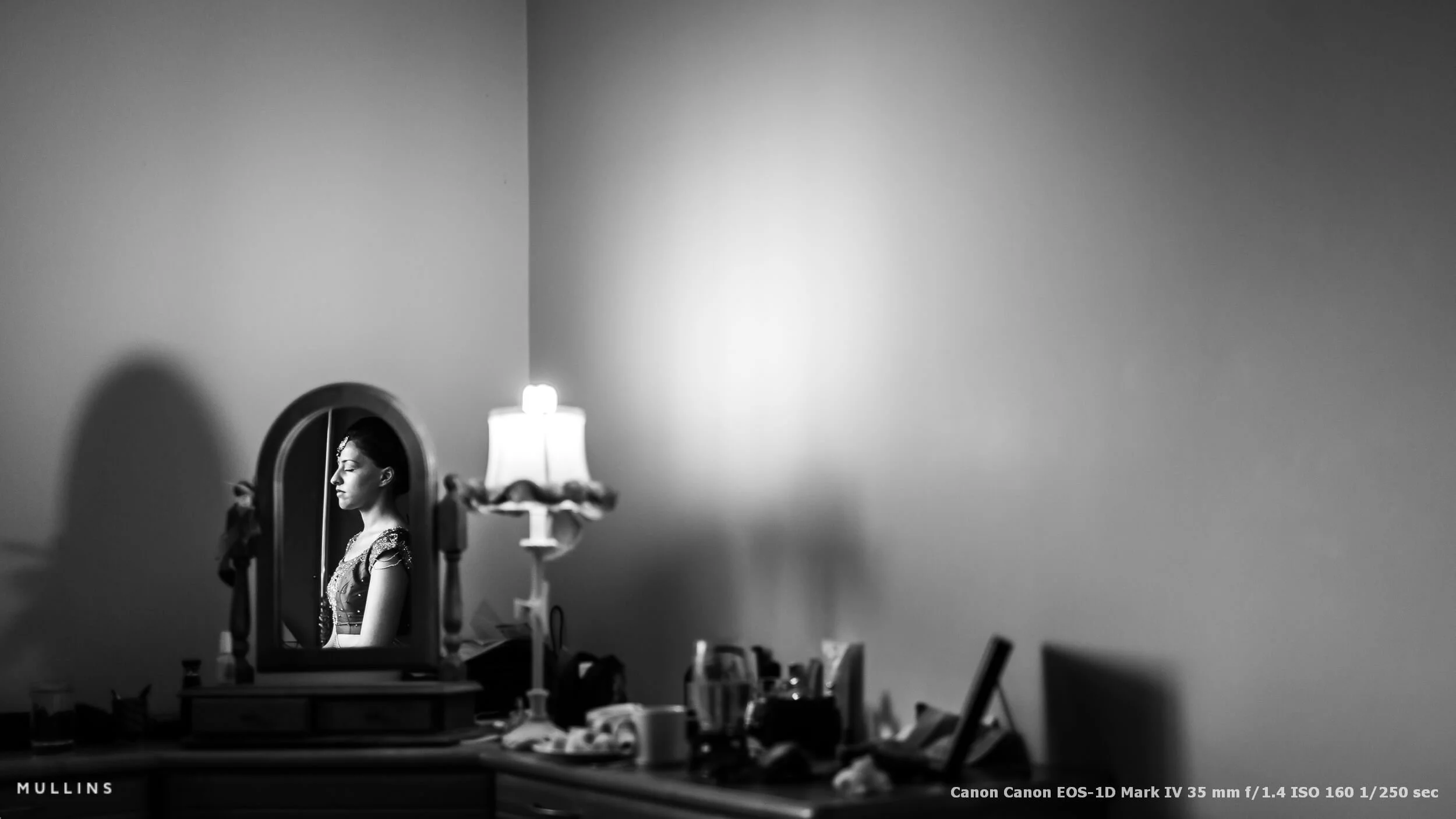
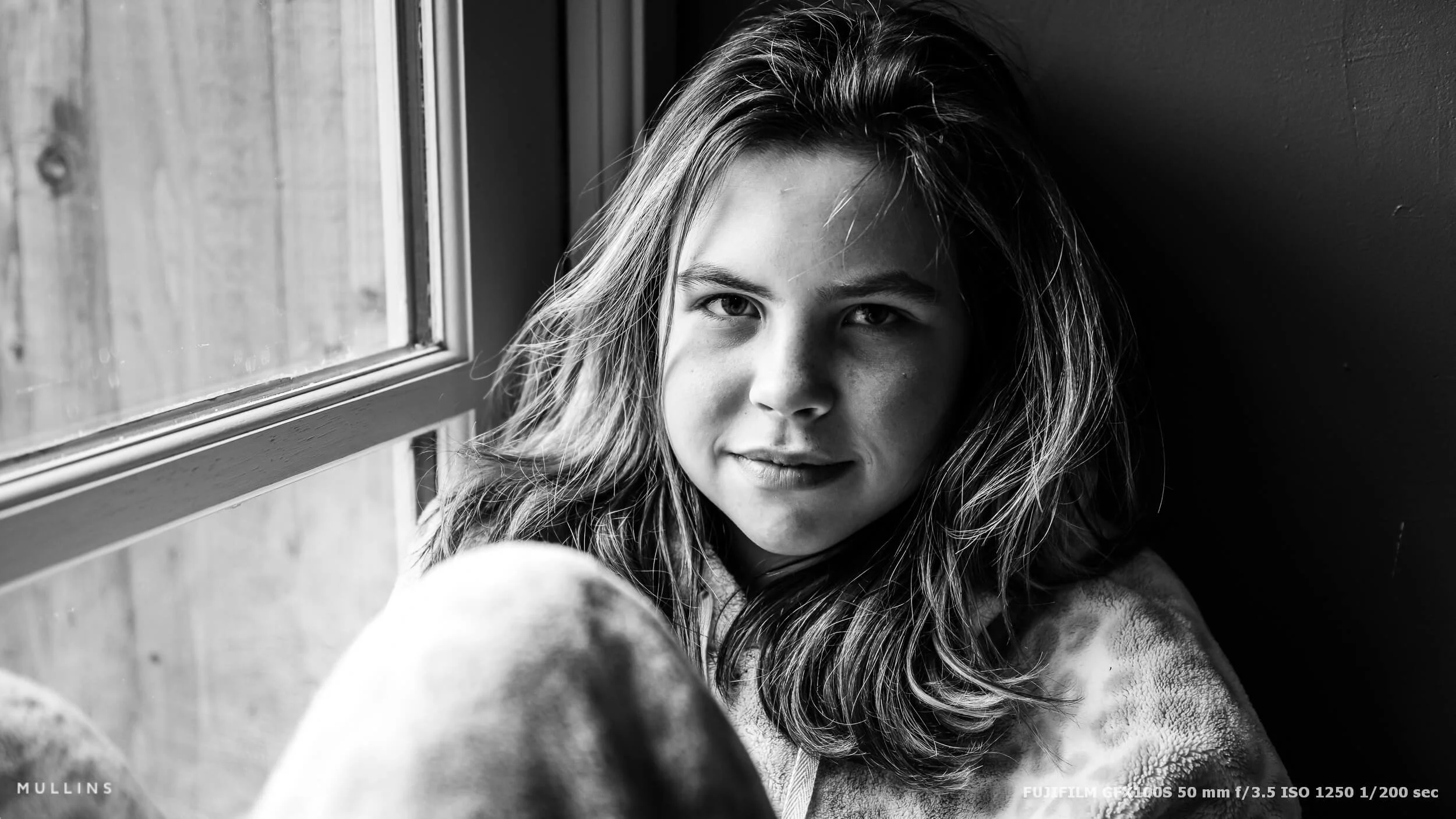
The reason I like black and white in-camera is that it gives me a clearer view of how light is falling off, and the subtleties between shadow and highlight. Colour can be beautiful, but it also clutters the scene when you’re trying to read light quickly.
That’s especially helpful if you shoot candidly and fast, which is how I work. Understanding light is critical, and black and white makes it easier to see light immediately in the viewfinder.
The key is to work with the light instead of fighting it.
Mirrorless cameras make this easier because you’re seeing what the camera is seeing. Back in my DSLR days, even if I shot black and white JPEGs, the viewfinder was optical. You didn’t get that immediate feedback.
If you want to try this without overthinking it:
Set your camera to a black and white film simulation
Spend an hour photographing light and shadow, not “subjects”
Notice how light shapes faces, backgrounds, walls, and empty space
If you use spot metering a lot (I do), this becomes even more useful because you start to understand how your metering choices change the mood.
We all know the ingredients of a strong photo: composition, moment, and light. If black and white helps you see light faster, it’s a genuinely practical tool, not just an aesthetic choice.
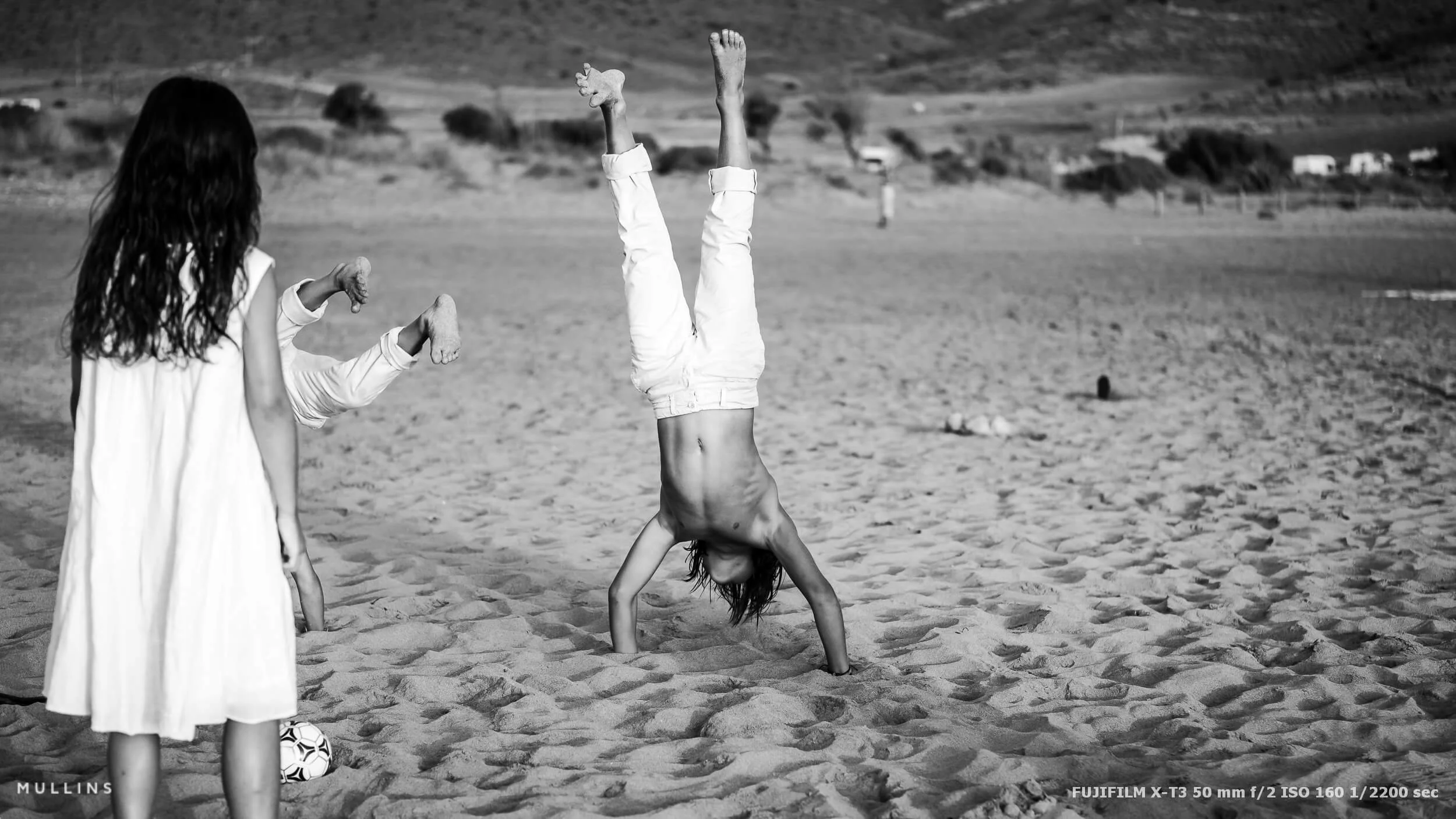
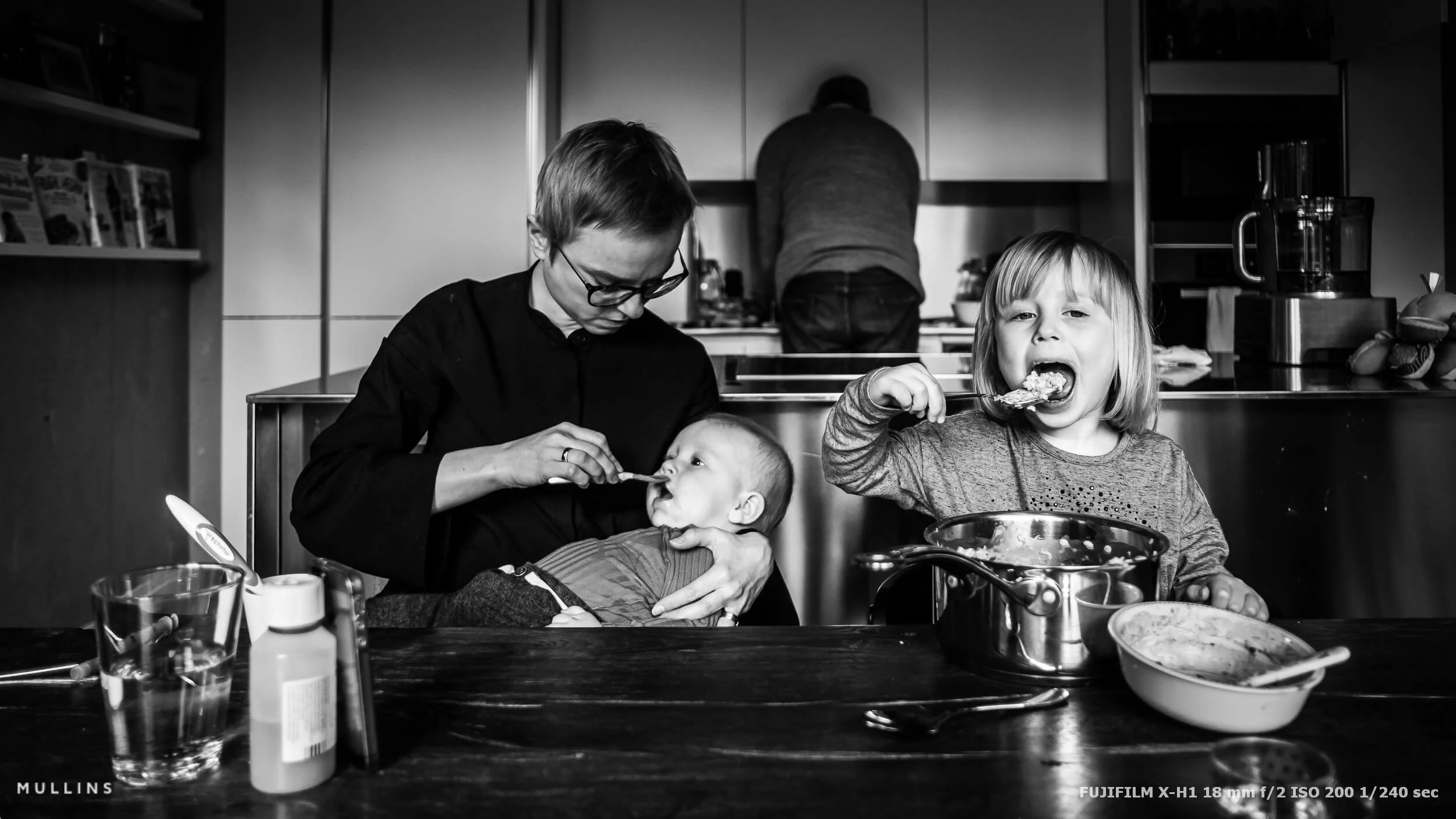
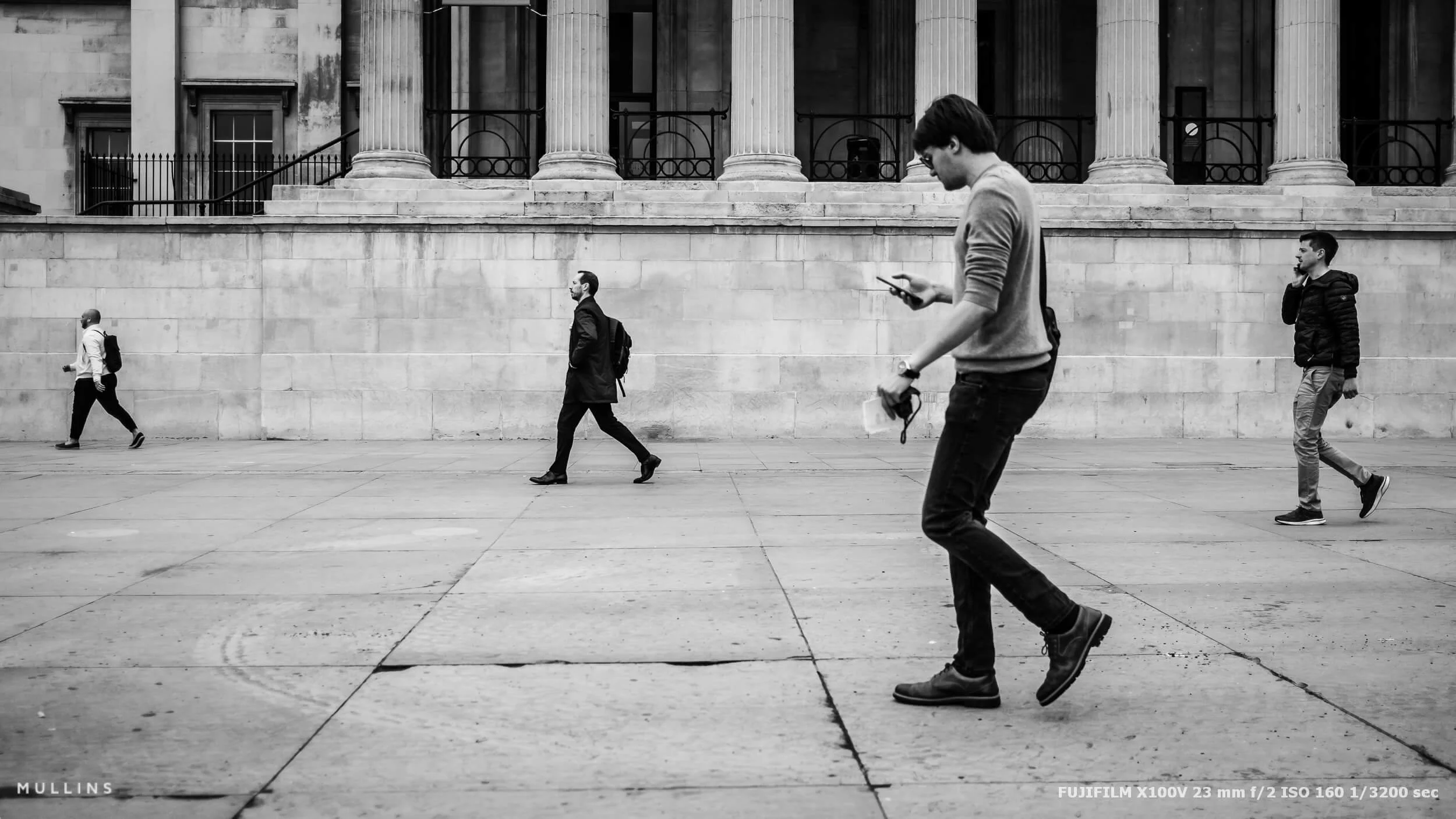
3) Embrace the imperfect
This is the one that usually makes people feel relieved, because it gives them permission to stop chasing a made-up standard.
Many newer photographers think an image must be pixel-perfect sharp and perfectly edited to be “good enough”. That simply isn’t true.
I always tell my clients and students:
“A picture doesn’t have to be good. It just needs to be important.”
And no, that’s not me telling you to be sloppy. It’s me saying that meaning matters more than technical perfection.
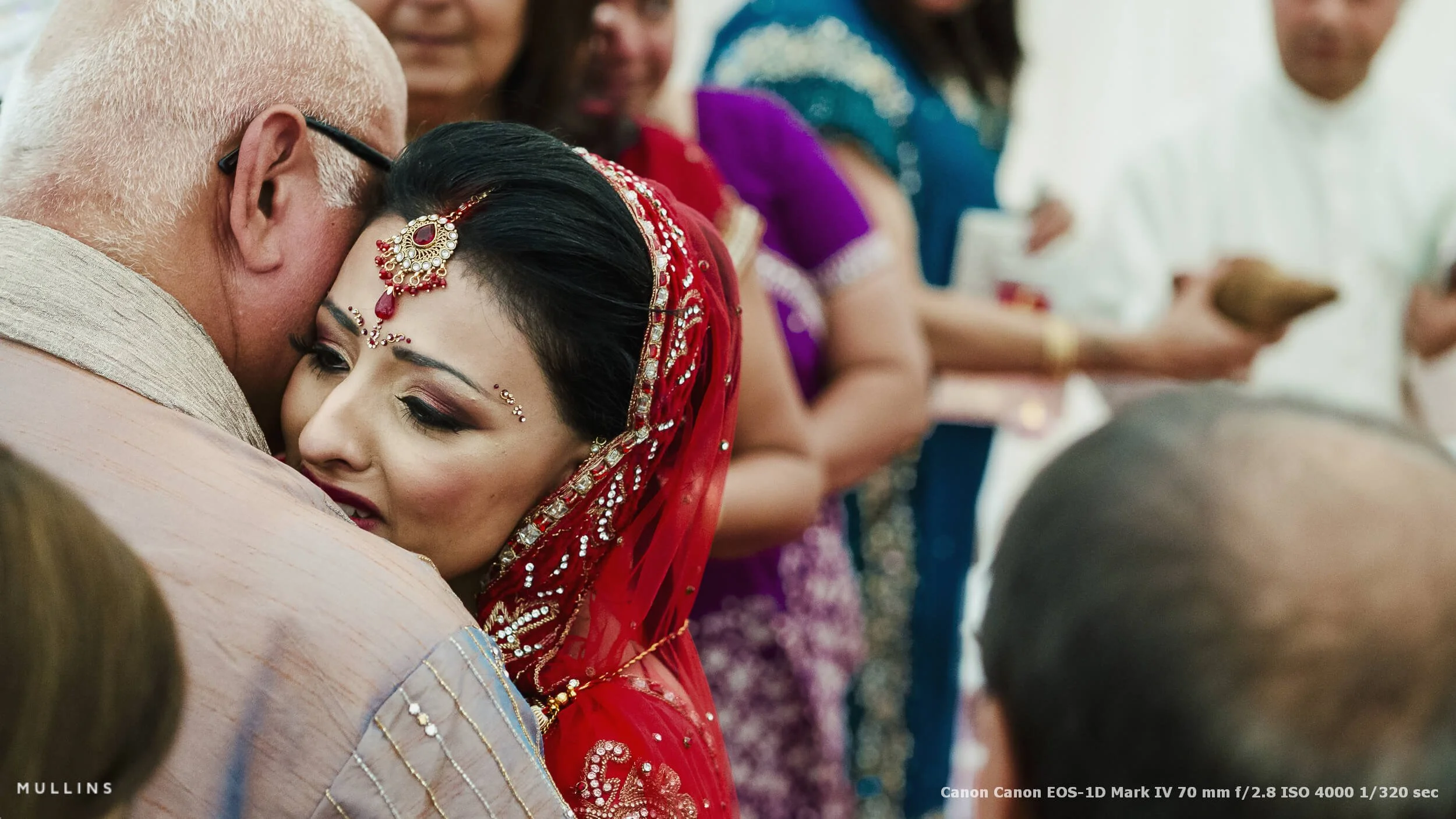
Imperfection can convey authenticity in a world where so much imagery is polished and curated. Photos that aren’t perfect can stand out because they feel honest. They can make subjects feel more real and relatable, and that often strengthens the emotional connection.
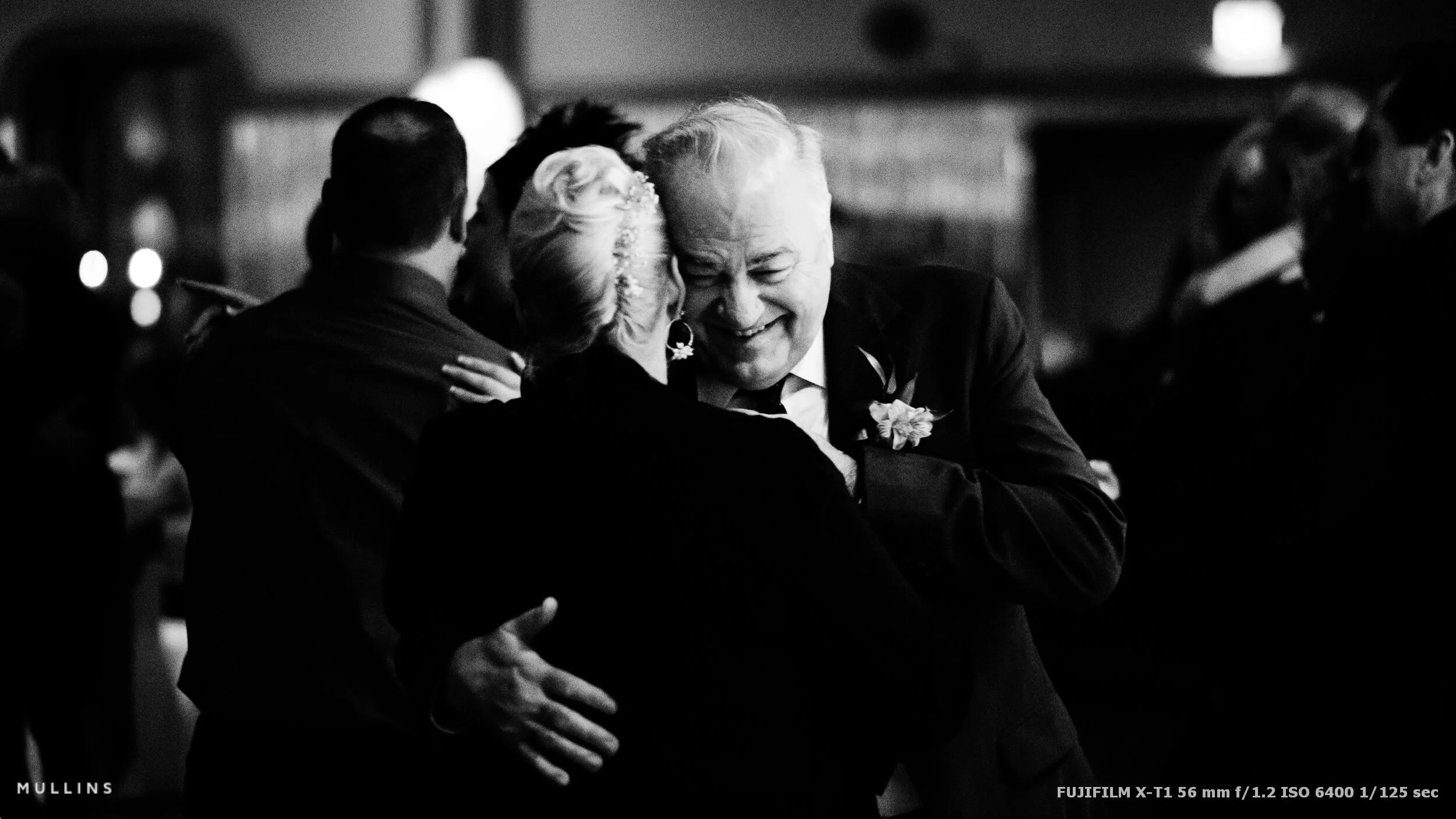
I mentioned in the video that one of my favourite wedding photos was shot in 2014 at ISO 6,400 on a Fujifilm X-T1. It’s grainy. It’s got blown highlights. If you judged it like a lab test, you’d bin it instantly.
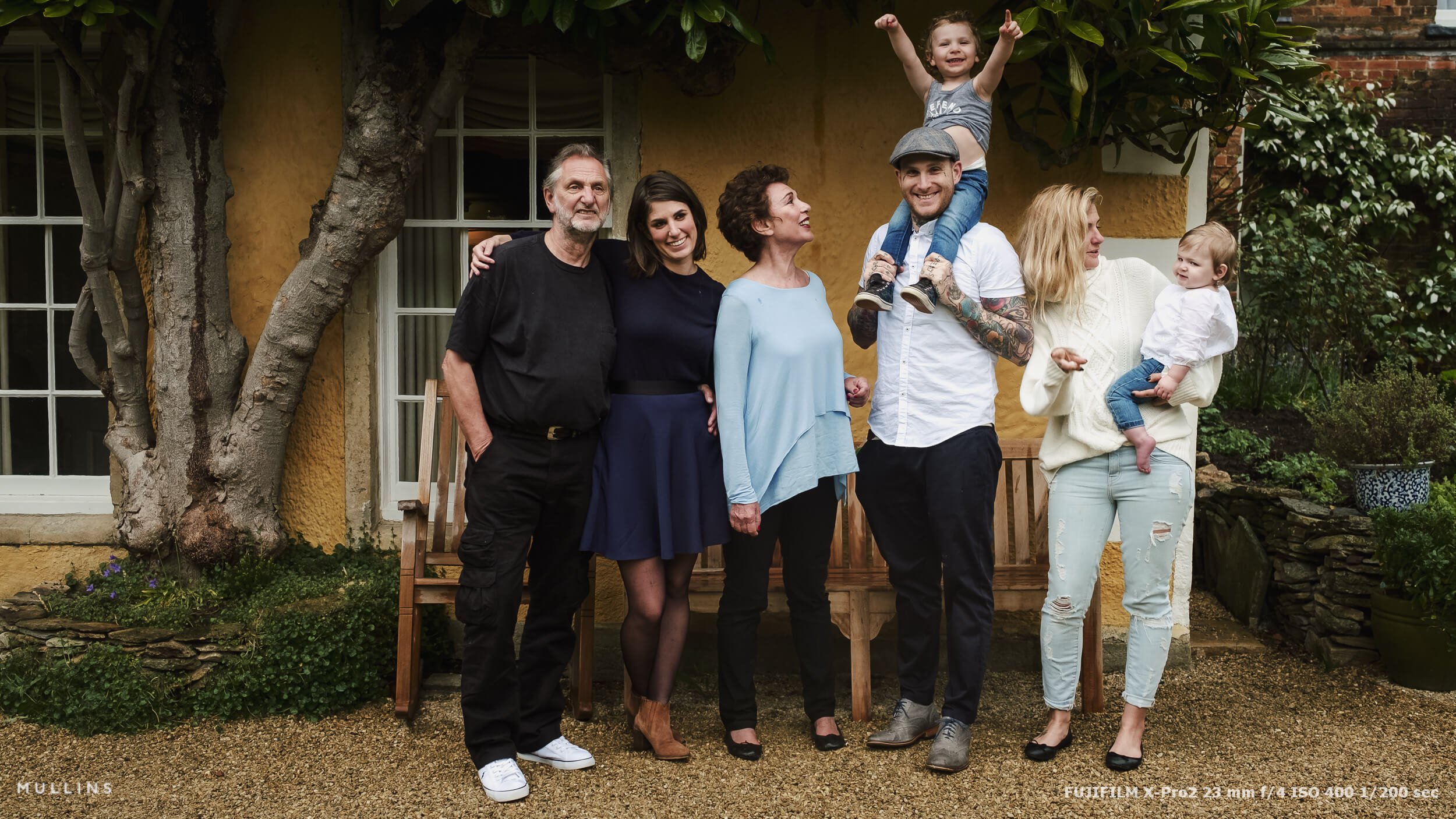
But I love it, because it’s two very happy people in love. That’s all that counts, really. The moment.
Look at the work of Robert Frank, particularly The Americans. Gritty, off-kilter, often not perfectly straight. Yet it changed photography. If you compare iconic documentary images from the 40s and 50s to what fills a modern Instagram feed, the difference is stark.
A lot of older work is imperfect by today’s standards, and yet it holds up because it matters.
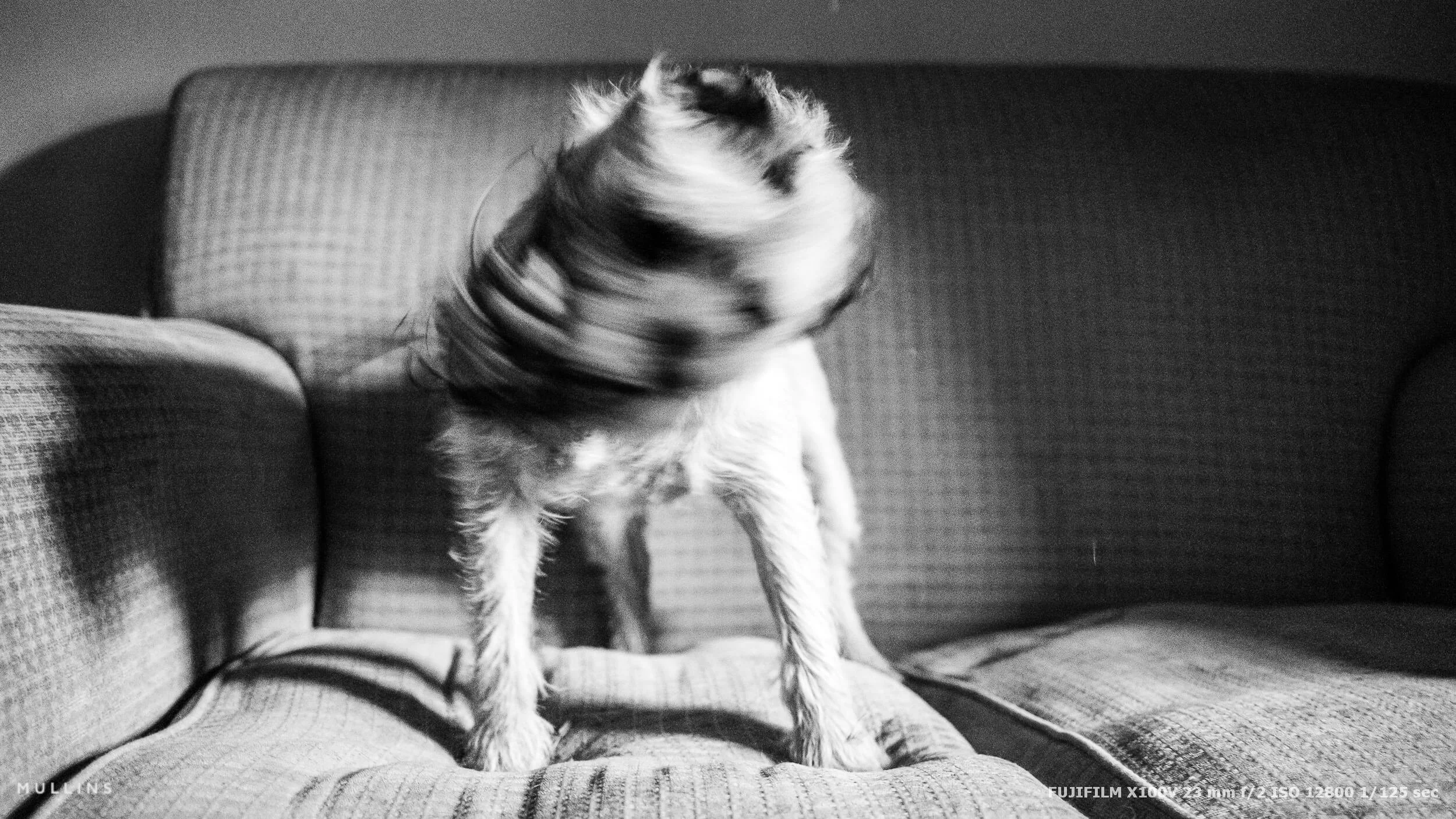
Technically imperfect elements like motion blur, out of focus areas, or unusual exposure can also be used creatively to add energy and mood. Sometimes that “mistake” is the thing that makes a photo feel alive.
So yes, learn your craft. But don’t discard an image just because it’s not tidy enough for social media.
4) Don’t be afraid of P mode
This one always ruffles feathers, which is partly why I like saying it.
There’s a common misconception that good photographers always shoot manual. I don’t. I shoot a lot of my work in P mode (or A mode in Fujifilm terms), and I’m completely comfortable with that.
Program mode makes the camera fully automatic in terms of shutter speed, ISO, and aperture. You’re responsible for pressing the button at the right time. That’s it.
And honestly, it’s a liberating and cathartic way of working.
It’s possibly the simplest way to get the camera up and running quickly. It’s also a very relaxing way to shoot. It links directly back to step one as well, because the less brain power you spend fiddling with settings, the more you can spend watching people and anticipating moments.
I genuinely believe anybody can understand the exposure triangle. That’s learnable. What’s harder is learning to see. Allowing the camera to take the strain with exposure can be liberating, and it lets you concentrate on composition and timing.
Of course, there are times when you’ll want aperture priority or manual. But don’t think for a moment that P mode is cheating.
It isn’t.
5) Ignore digital vanity
This is the one we all wrestle with, even if we pretend we don’t.
Likes. Comments. Shares. The little dopamine hit of internet approval. The sinking feeling when a photo you love gets basically nothing on Instagram.
I call it digital vanity, and it’s a trap.
You have to ask yourself: what are you shooting for?
Are you shooting for the enjoyment of photography, the art of it, the story, the personal satisfaction?
Or are you shooting for the currency of likes?
Photograph and share, of course. I’m not anti-sharing. But don’t let the reaction dictate the work. The only person who truly needs to care about your photos is you (or your clients)
And if you’re thinking, “Yeah, but I want my work to be seen,” I get that. I do.
Just don’t hand over creative control to an algorithm that changes its mind every week.
Keep learning
If you want to go a bit deeper, here are a few good next steps, depending on what you’re working on right now.
Street Photography Workshops: See upcoming dates and locations
1-2-1 Mentoring / Portfolio Review: Book a session
The Art of Documentary Wedding Photography: View the course
Lightroom Presets: Browse the preset packs
A quick note on editing and presets
In the original video, I mentioned that the images were edited using my Film Edition presets. I like editing to be consistent and quick, and I’d rather spend my time shooting than endlessly nudging sliders.
If you shoot RAW and you want a reliable starting point for colour and monochrome, my presets are designed to get you to a natural baseline fast. They’re not just for Fujifilm either. They work on RAW files from any camera.
Final thought
You won’t nail all five of these perfectly, and you won’t take great photos every day. That’s normal. Some days you’re just not seeing it.
But if you build these habits over time, you’ll improve in a way that sticks. Observation first. Light awareness. Permission to be imperfect. A calmer approach to camera settings. Less reliance on online applause.
And then, almost without noticing, you start making photographs that feel more like yours.
FAQ
-
No. A better camera can make a few things easier, but observation, light, timing, and story matter more than gear.
-
It can help you see light and shadow more clearly, which often improves your composition and exposure decisions.
-
Not at all. P mode can free you up to focus on timing, composition, and moments, especially in fast-moving situations.
-
Not automatically. If the moment matters and the photo communicates something real, technical imperfections can be part of the story.
-
You probably won’t stop completely, but you can shift focus by judging work by meaning, not metrics, and by shooting small personal projects that aren’t made for performance.