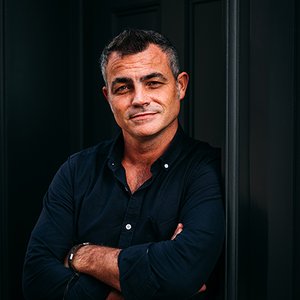
Actor headshots need to do a fairly specific job. They need to look like you, feel current and give casting directors a clear idea of who might walk through the door.
But I don't think that means they all have to look the same.
For my actor headshot sessions, I tend to take a slightly more filmic, portrait-led approach. We still make the tighter photographs that work for casting profiles and actor portfolios, of course, but I also like to explore different clothes, expressions, framing and sometimes considerably wider compositions.
The aim is to come away with a useful set of photographs rather than twenty slight variations of one headshot.


What makes a good actor headshot?
For me, it starts with recognition.
The photograph shouldn't disguise somebody or turn them into a highly polished version of themselves that doesn't really exist. I'm certainly not interested in removing every line from a face or making people look ten years younger.
Actors need photographs which feel believable.
There can still be good light, careful posing and a bit of atmosphere. In fact, I think there should be. But the person has to remain the important element.
That's one reason I enjoy working with fairly simple backgrounds and directional light. There isn't much competing for attention, and the resulting photographs have a little more depth than a straightforward bright studio headshot.
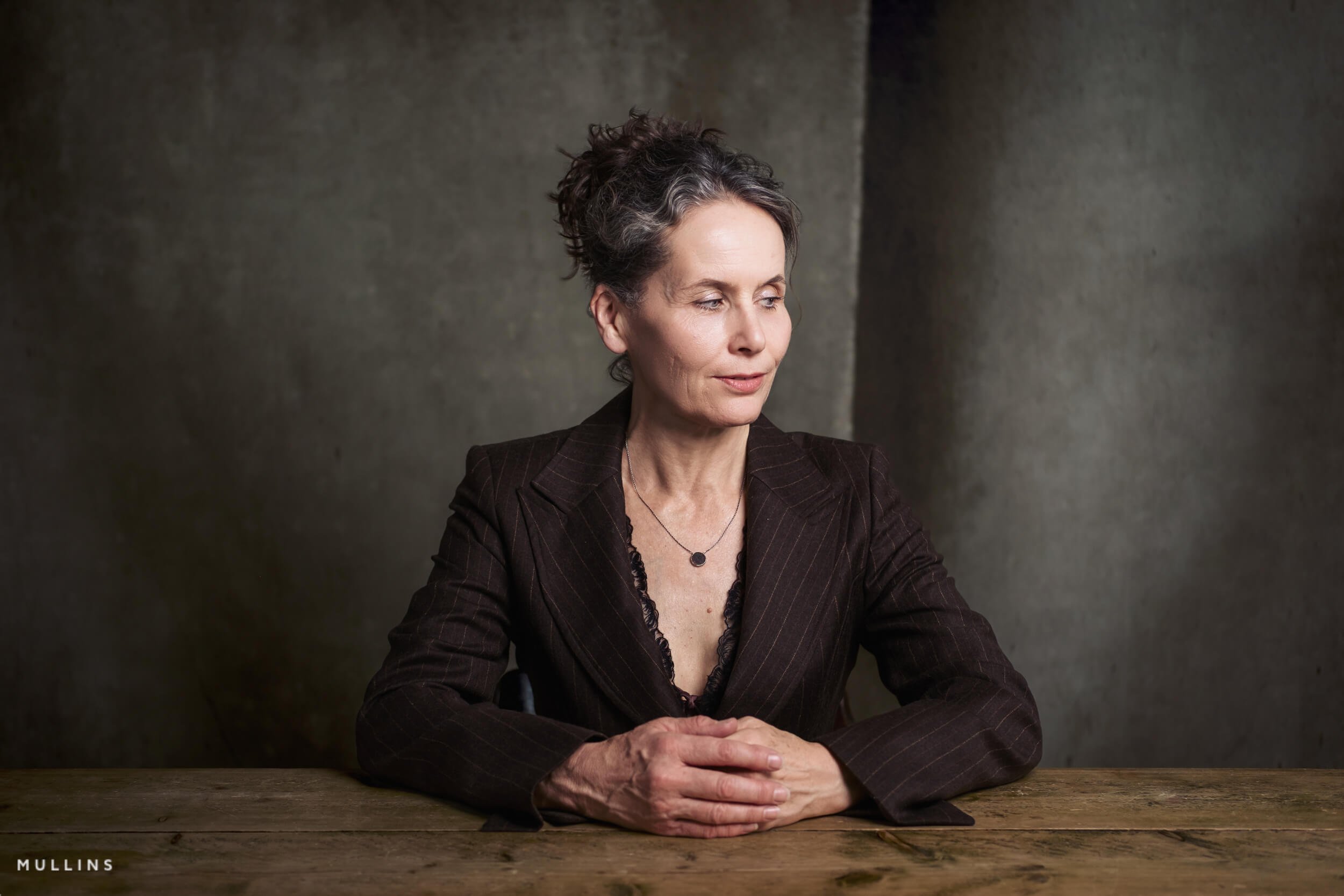
Different looks from the same actor headshot session
Changing an outfit can alter a portrait surprisingly quickly.
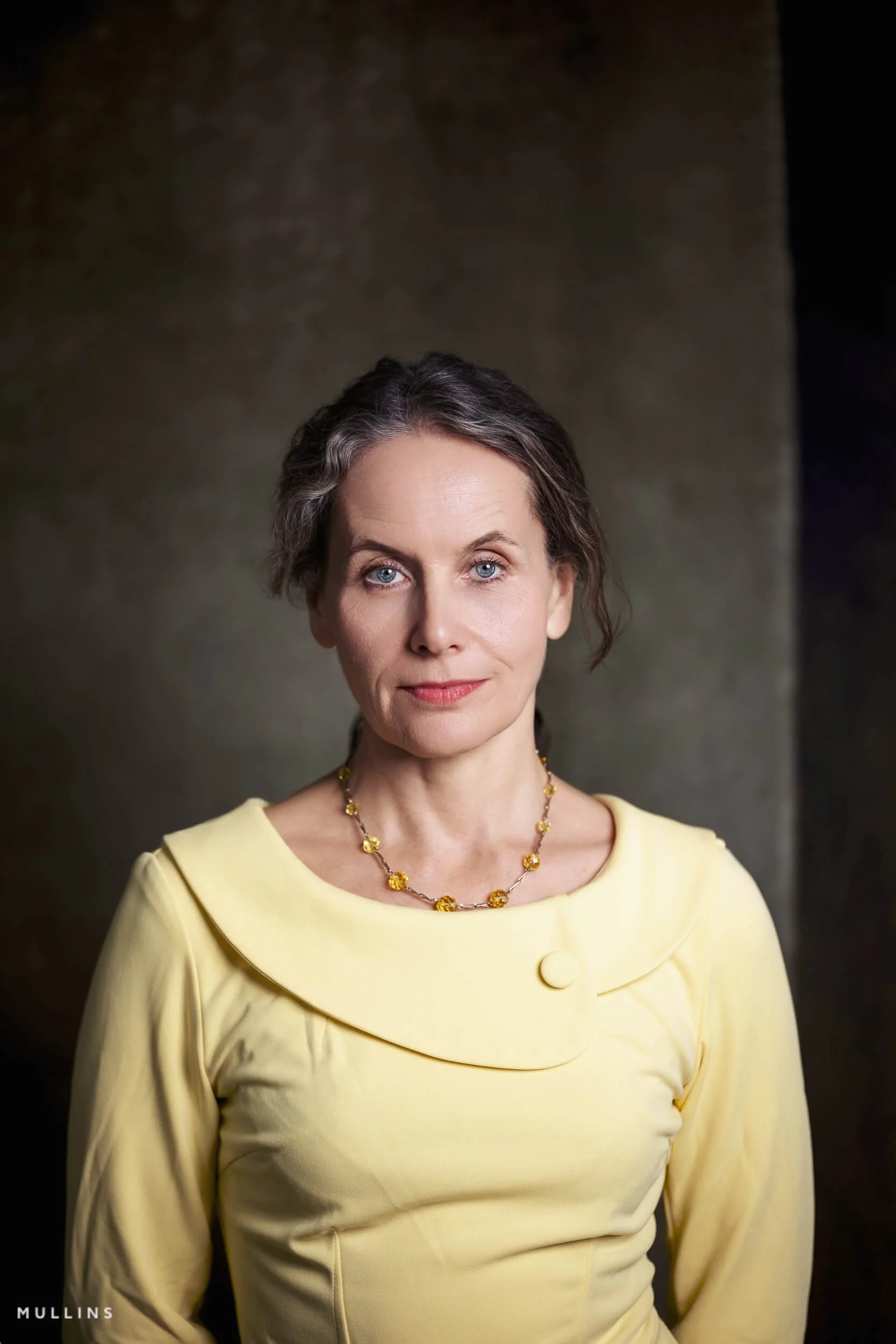
During this shoot, we moved through several quite different looks: brighter colours, darker clothing, more formal clothes and some much more relaxed combinations.
I'm not trying to create different characters exactly. It's more subtle than that.
A casting photograph in a dark jacket may suggest something quite different from the same person photographed in a blue top, while a closer portrait gives a different impression again.
That variety can make the finished collection much more useful.


Actor headshots don't always have to be tightly cropped
The traditional actor headshot is obviously quite close. And those are important photographs to make.
But I generally shoot wider, too.
These aren't necessarily the images somebody will upload as their main Spotlight or casting photograph, but they can be extremely useful elsewhere.
Actors increasingly need photographs for:
personal websites
social media
production biographies
press and publicity
agency websites
business profiles
banners and marketing material
A wide horizontal frame with plenty of negative space can be particularly useful because text, graphics or a website heading can sit alongside the subject.
I tend to think of those photographs as part of the shoot rather than an optional extra.

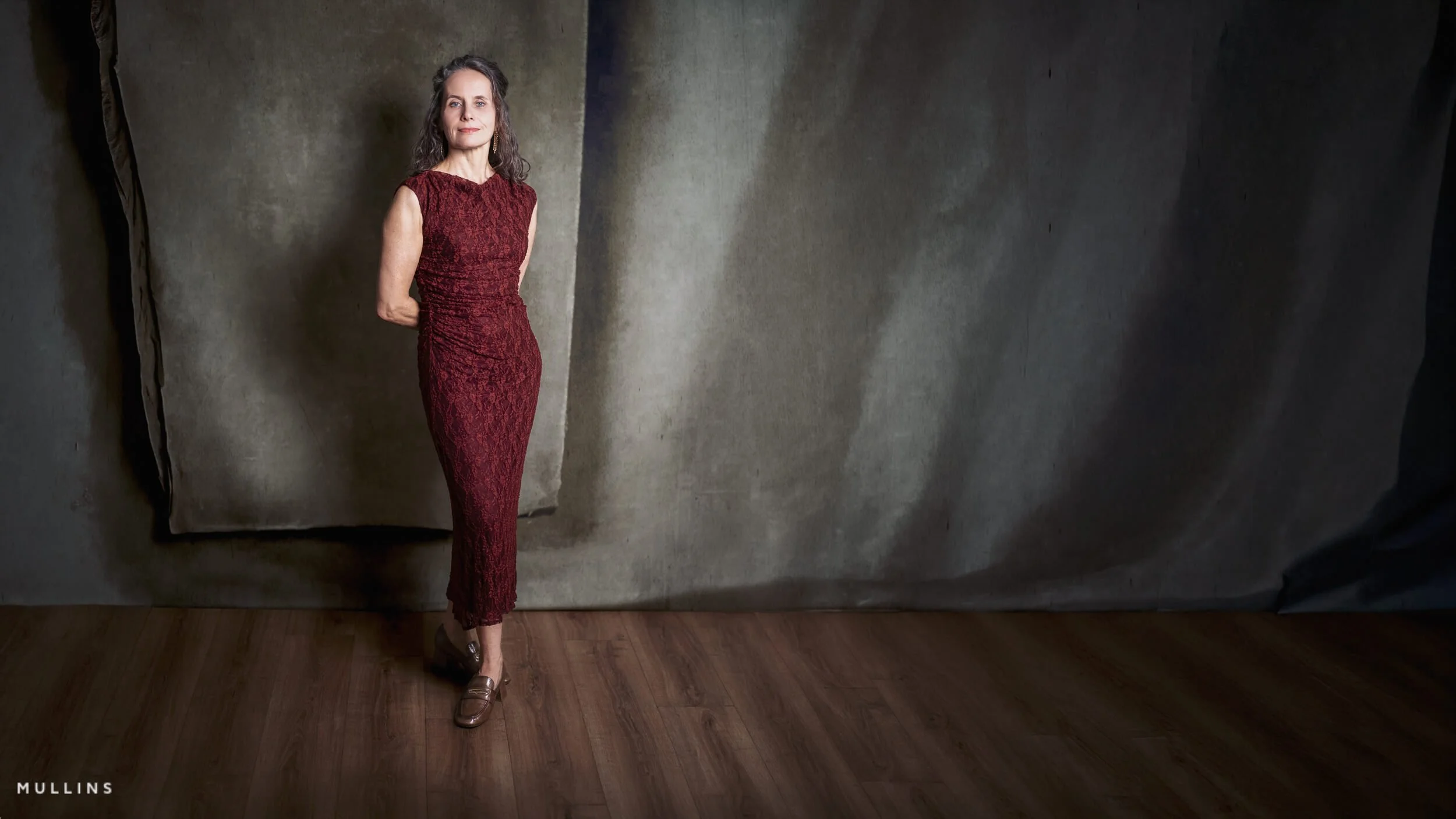
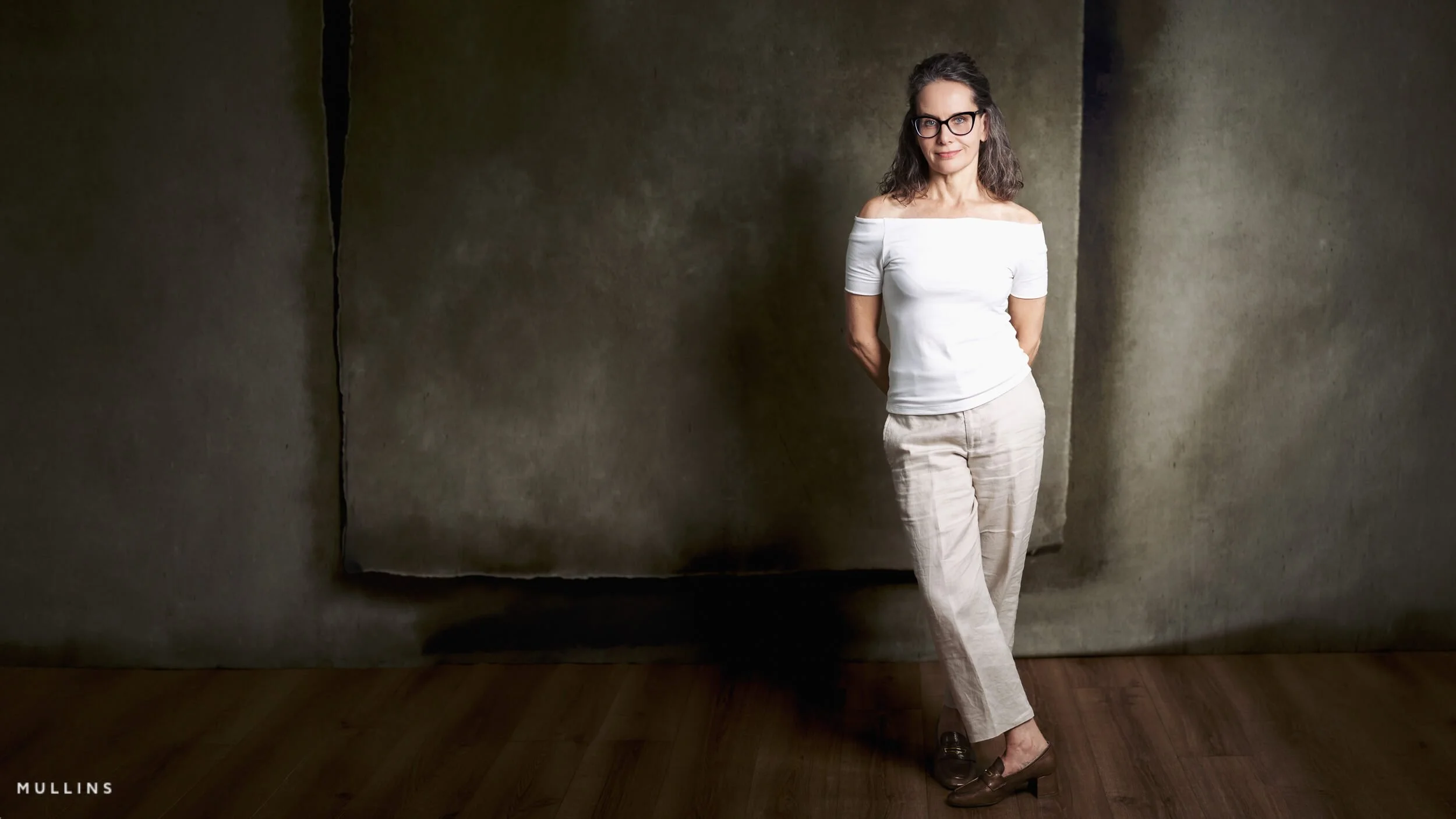
Those three are particularly good examples, I think. They are clearly portraits, but they're deliberately composed with room around the subject.
Colour and monochrome actor headshots
I deliver every finished photograph in both colour and monochrome.
I've worked in black and white for much of my photographic career, so monochrome isn't something I create by simply clicking a black-and-white button after I've finished everything else. I make a proper monochrome version of the photograph.
Sometimes colour is unquestionably the stronger choice. The blue top or burgundy dress in this shoot, for example, becomes an important part of the picture.
Other photographs take on a completely different quality in black and white.
Rather than deciding which somebody should have, I supply both.
This also means an actor can keep a consistent photograph across several uses while choosing whichever treatment suits the context.


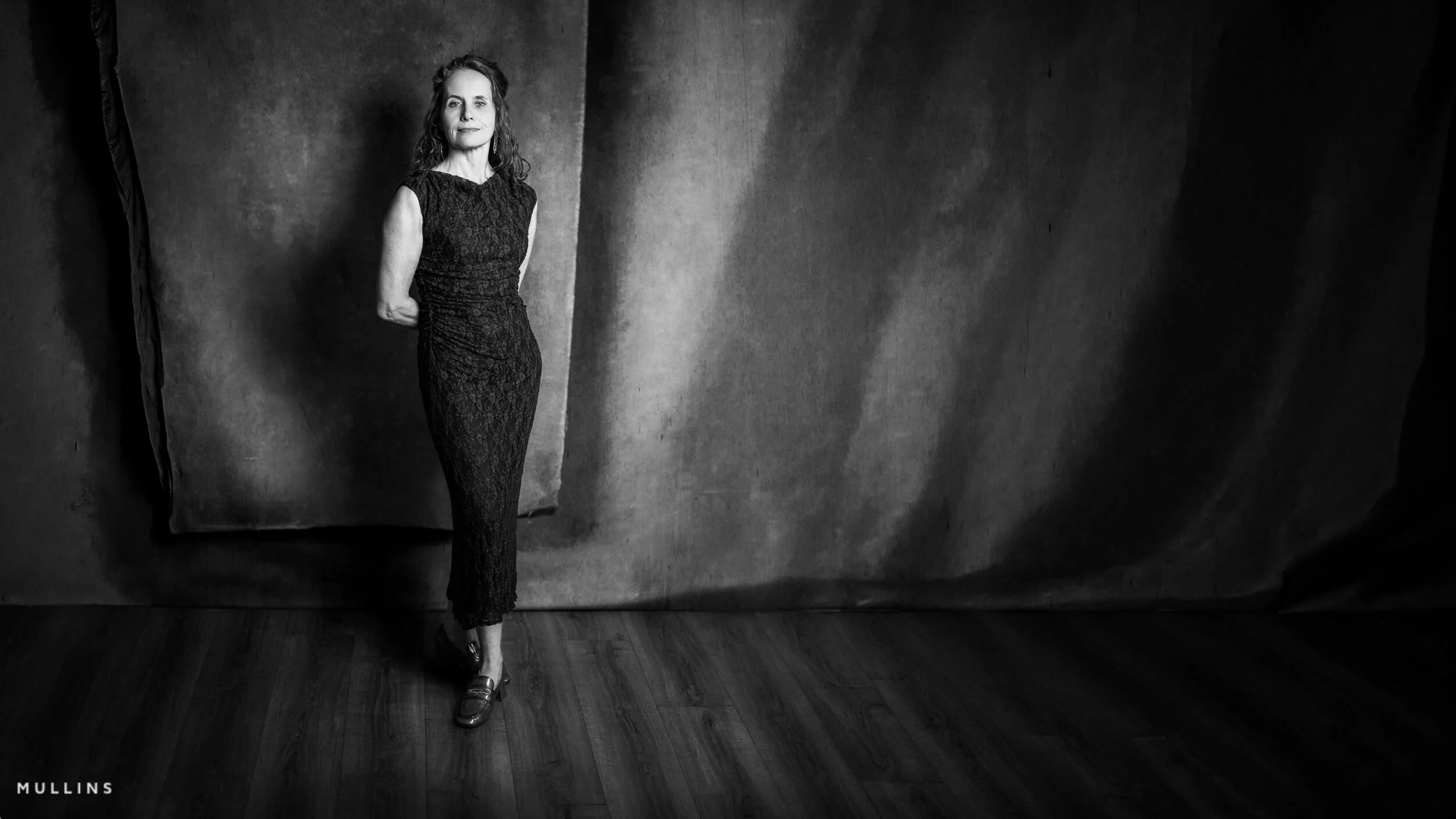

A portrait rather than a passport photograph
Perhaps that's the easiest way to explain how I approach actor headshots.
I want them to fulfil the practical requirements of an actor's portfolio, but I still want them to be portraits.
Expression matters. Body language matters. Light matters.
And sometimes stepping back and making a photograph that isn't technically a headshot at all gives somebody one of the most useful images from the whole session.


The finished set from a session like this usually includes tighter casting photographs, three-quarter portraits, seated images, and wider environmental-style photographs.
There is plenty of choice, but the photographs should still feel as though they belong together.
My approach to actor headshot photography
I'm based in Wiltshire and photograph actors who come to me from locally and further afield.
My style is probably a little different from the very clean, high-key headshot look you'll see from some photographers. Neither approach is necessarily right or wrong. Mine simply comes from the kind of photography I've spent most of my career making.
I like shadow. I like texture. I like fairly simple lighting and photographs with a slightly cinematic or filmic quality.
Most importantly, though, I want the person looking back from the photograph to still look like the person who arrived for the shoot.
Actor Headshot Questions
-
Yes. Every finished image is supplied in both colour and monochrome, so you don't have to choose between the two during the session.
-
Yes. I'll make the tighter photographs needed for actor profiles, but I also shoot three-quarter, seated and wider portraits. The wider photographs can be particularly useful for websites, marketing and social media.
-
I want people to look their best, obviously, but an actor headshot still needs to look like the actor. My retouching is deliberately restrained rather than transformative.
-
I'm based in Wiltshire, and photograph actors looking for updated headshots, portfolio photographs and wider branding portraits.
Final thoughts
If you want to update your actor portfolio photos or need a fresh set of portraits for casting, agency use, or your personal website, you can find more information about my actor headshot and portrait sessions in the site's portraits section.