


Free Street Photography
Walks & Guides.
Structured walks designed to slow you down, sharpen your eye, and help you make more meaningful street photographs. Built around light, composition, and moment, not tourist routes.
Pick a walk. Open it on your phone. Work the prompts.
— What every walk is built aroundThree things that matter
more than location.
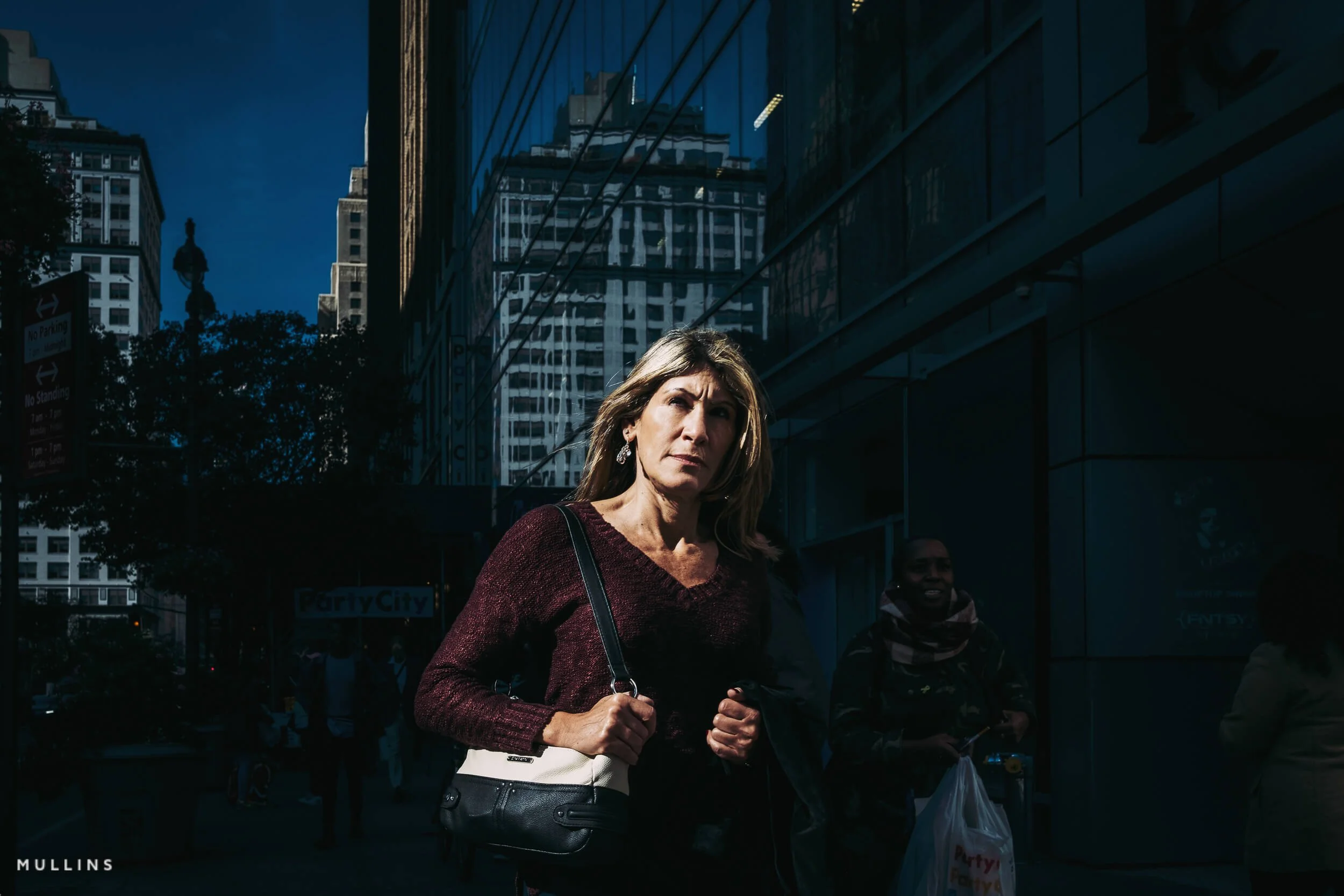
Light.
Light is the driver behind everything here. Where it falls, how it shapes space, and how people move through it often matter more than subject or location. These walks encourage you to recognise good light, stop when you find it, and wait. Sometimes nothing happens. Sometimes everything does.
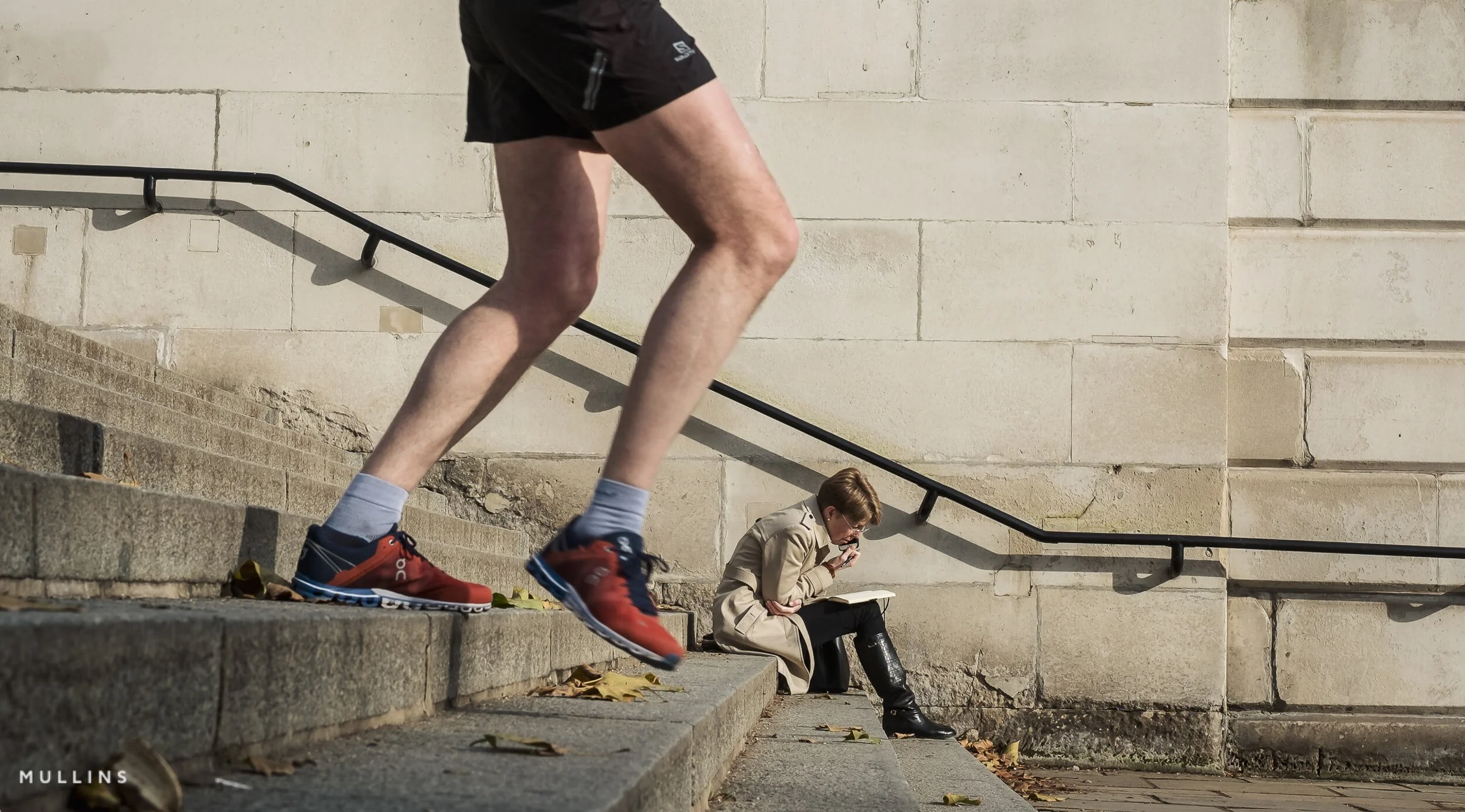
Composition.
Rather than chasing people, these walks push you to build frames first. Layers, geometry, background control, and separation come up repeatedly - not as rules, but as tools for making sense of busy environments and simplifying what's in front of you.
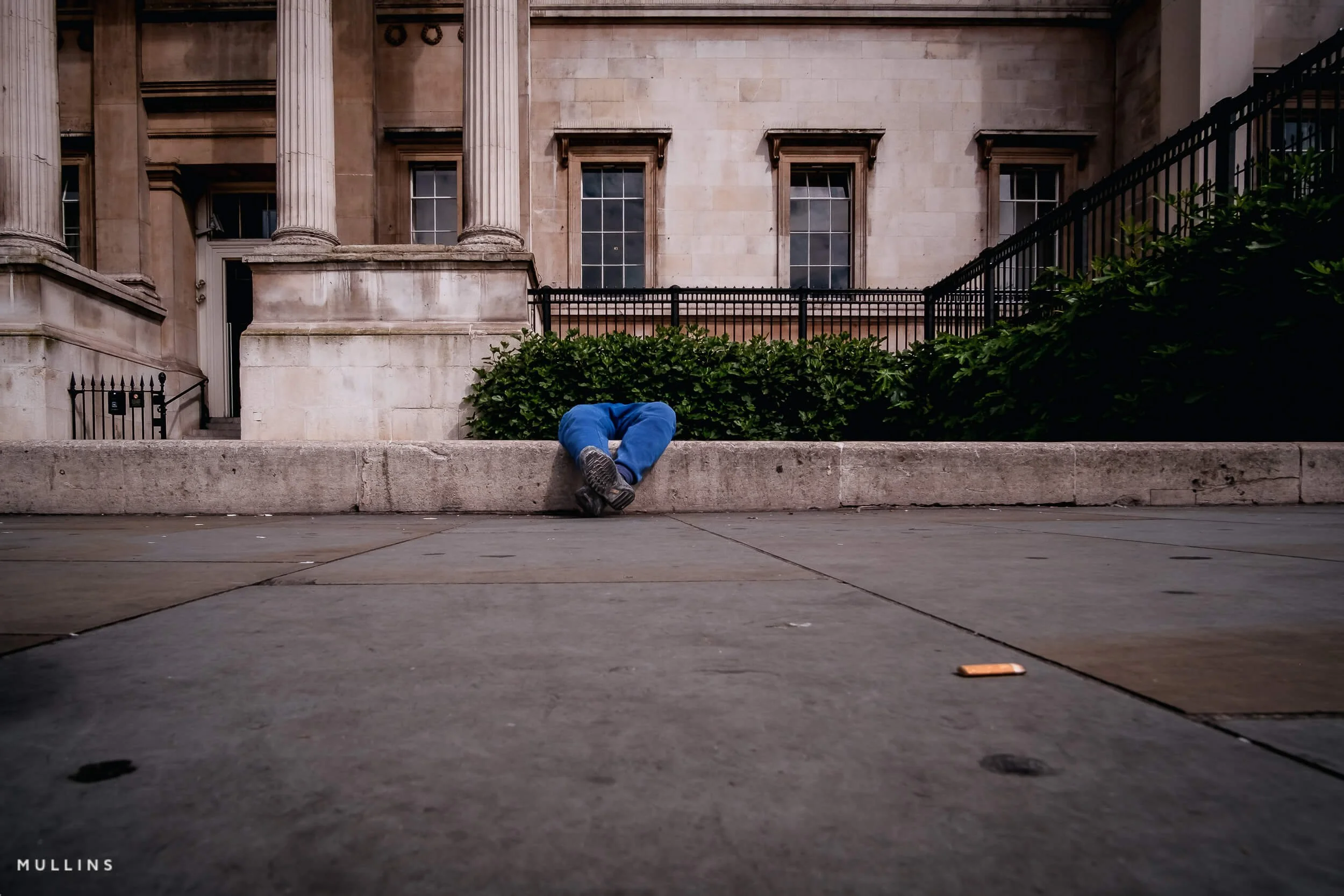
Moment.
Moment doesn't have to mean all-out action. It can be hesitation, humour, connection, or the smallest human reaction. Many of the exercises deliberately limit how much you shoot, because intention usually produces better photographs than volume.
— Available guidesPick a walk.
Start walking.
More cities and routes added over time
London West End
& Soho.
A practical route through the West End, Soho and Covent Garden - built for light, composition, and moment. Not a list of best locations, but a proper guided walk you can actually follow, with prompts and exercises at every stop.
Works on your phone. Open the walk on your phone, tap Start Walk, and it guides you stop by stop. Your progress is saved if you close it - so you can pick up where you left off, or come back another day and run it again.
— How to use the guidesNo single
correct way.
-
Follow it from start to finish.
The whole route as a single outing - a few hours in a city with clear structure and purpose.
-
Drop into one or two stops.
Pick the stops that suit where you are or what you feel like practising. Each one stands on its own.
-
Revisit the same walk months apart.
The same route can feel completely different depending on the light, the time of day, and your own headspace. That's intentional.
The exercises are deliberately transferable. What you practise on one walk should help you wherever you photograph next, another city, another country, or your own local streets.
— Who these guides are forCuriosity helps
more than expertise.
These walks suit photographers who enjoy observing people, patterns, and behaviour and who are happy working with what's already there.
You don't need to be technically obsessed or particularly advanced. A small camera helps, but curiosity helps more.
If you're looking for guaranteed shots or a list of "can't miss" locations, this probably isn't for you.
If you're interested in building a more thoughtful, repeatable way of seeing, you'll likely feel at home here.
Beginners and experienced photographers can get very different things from the same walk.
The prompts are layered, start simple, and go as deep as you like.
— Before you goSafety, ethics
& legalities.
These walks take place in public spaces.
Under UK law, street photography is legal in public places; you don't need a permit to photograph people, buildings, or everyday life for personal, editorial, or artistic use.
Each walk includes a short note on local legalities and expectations for that area.
-
Stay aware of your surroundings, especially in busy or unfamiliar places
-
Avoid blocking pavements, entrances, or people going about their day
-
Trust your instincts - if something feels uncomfortable, move on
-
Private property has its own rules - if asked to move, just do so
The emphasis throughout is on observation rather than intrusion.
You don't need confrontation, permission-seeking drama, or bravado to make strong street photographs.
— Prefer to shoot with Kevin?In-person street
photography workshops.
If you'd rather experience this kind of walk with guidance, feedback, and company, Kevin runs small, practical street photography workshops in cities across the UK.
The same ideas, light, composition, and moment are applied in real time, with plenty of space to experiment, ask questions, and work at your own pace.
Groups are kept small by design.
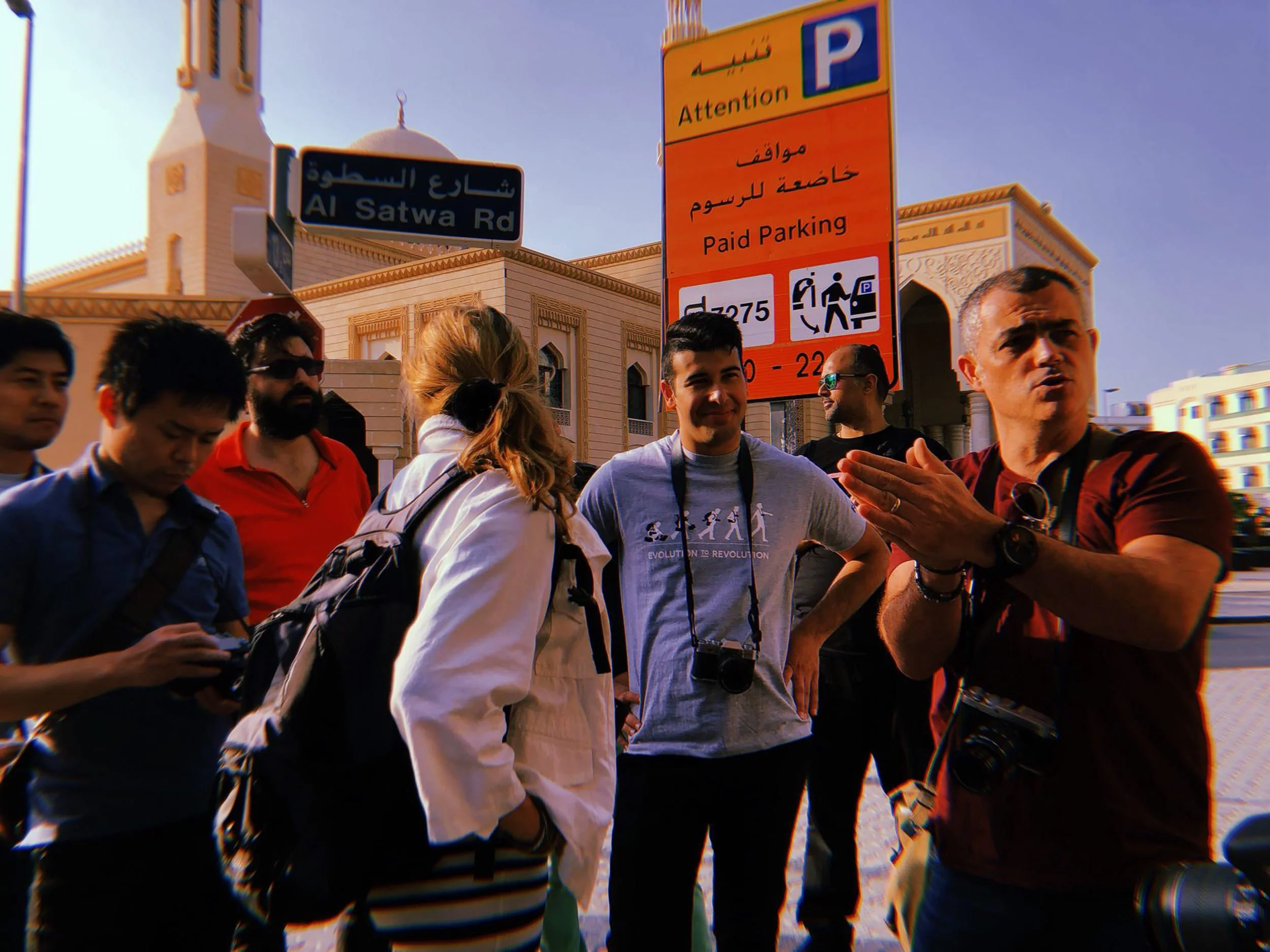 Kevin runs workshops across the UK and beyond


— Editing your street photographs —The look used across
these walks.
These walks are about seeing first, not editing. But once you get home, the way you treat the photographs matters.
All the images on these walk pages are edited using Kevin's own Lightroom Presets, built to work with real street photographs: mixed light, fast moments, imperfect frames.
Subtle contrast, clean monochrome, colour that doesn't shout. They work with any camera.
Latest Packs.
— The Latest Edition— Found this helpful?Support the work.
These walks are free and will stay free.
If they've helped you see a little differently or sent you out on a more purposeful morning with your camera, a small donation helps keep the content going, honest, and ad-free.
— QuestionsBefore
you go.
-
No permission is needed to photograph people in public places in the UK. These walks are designed around observation, distance, and respect — not confrontation. You're not encouraged to interrupt, direct, or stage anything. Just to notice what's already happening.
-
Yes. If you can operate your camera without thinking too hard about the buttons, you'll be fine. The prompts start simple and gradually become more challenging, so beginners and experienced photographers can get different things from the same walk.
-
No. Any camera will work, including a phone. A small, unobtrusive setup is often an advantage. If you want guidance, a single prime lens around 28–35mm equivalent suits most of these exercises well — but it's not a requirement.
-
Absolutely. Each walk is broken into individual stops, and there's a short-route option if you only have an hour. You can also repeat the same section on different days — the exercises are designed to work that way. The walk saves your progress on your phone, so you can pick up exactly where you left off.