If you have been around weddings, streets, or family sessions for a while, you will know the sound of panic photography.
That frantic chattering of the shutter when something interesting happens. The “if I just hold the button down, one of them will be good” approach.
On digital cameras, it is almost guilt-free. Storage is cheap, batteries last for ages, and the camera is more than happy to fire 20 frames a second.
The problem is, you end up with a hard drive full of noise and a memory card full of unnecessary images.
This little Field Note is about the opposite. Slowing down. Committing. Trusting yourself to choose one frame, at one moment, on purpose.
Not because it is romantic or old-school. Because it actually makes your pictures stronger and your life simpler. And that’s a fact that some people don’t want to admit.
Why we overshoot in the first place
There are a few honest reasons most of us overshoot:
Fear of missing it: You see a moment unfolding, and your brain says, “What if I press too early? What if I miss the peak? Better hold the button down.”
Digital habits: With film, every frame had a cost. With digital, the “cost” is later, when you are sitting in front of Lightroom doing battle with 4,000 images.
Gear egging us on: Burst modes, blackout-free viewfinders, bottomless buffers. The camera is effectively saying, “Keep going, I can take it.”
If you have ever got home, imported the card and found fifteen nearly identical frames of the same hug, you know how this story ends. The very thing you were trying to avoid, missing the moment, has somehow turned into missing your own presence in the moment.
What overshooting really costs you
Overshooting does not just cost you time culling. It chips away at a few deeper things:
First, your attention.
If you are holding the shutter down, you are not really making decisions. You are delegating the decision to chance and hope. One of these has to be good, surely. Which also means you are not reading the scene as carefully as you could be.
Second, your editing energy.
Four versions of the same scene are not four times better. It is four times the decision fatigue. You scroll back and forth between them, zooming in on eyelids and fingers, and after a while, everything looks the same. That is when good frames get binned, and average ones sneak through.
Third, the people in front of you.
Especially at weddings and emotional moments, machine-gunning a scene can feel intrusive. There is a big difference between being there, quiet and attentive, and being there, filling the silence with constant shutter noise. Even with silent shutters, people pick up a sort of visual restlessness.
Over time, all of this can make your work feel oddly generic. You are recording everything and committing to nothing.


The idea of trusting one frame
When I talk about “one frame”, I am not being literal. You do not have to shoot only a single image all day.
What I mean is this: move through the room or place as if each scene might only give you one honest chance to press the shutter. And when you do press it, do it because you have actually seen something, not because you are afraid you might not.
That shift sounds small, but it changes how you behave.
You start watching micro gestures rather than waiting for fireworks. You notice the way someone’s hand rests on a shoulder, the way a child glances up, the split second before the punchline of a joke lands. Instead of asking, “Can I get more?” you start asking, “Is this enough?”
We live in an age where cameras will happily rattle off frame after frame, and AI can generate a thousand words before you have finished your coffee. There is already more generic content in the world than anyone needs. The only thing we really have to offer is our own way of seeing, our own judgment about when to press the button and when to leave the moment alone.
Trusting one frame is really trusting that judgment.
Practical ways to stop overshooting
Here are a few simple exercises you can build into your next wedding, walk, or family shoot.
1. Set yourself a “three-frame” rule for certain scenes
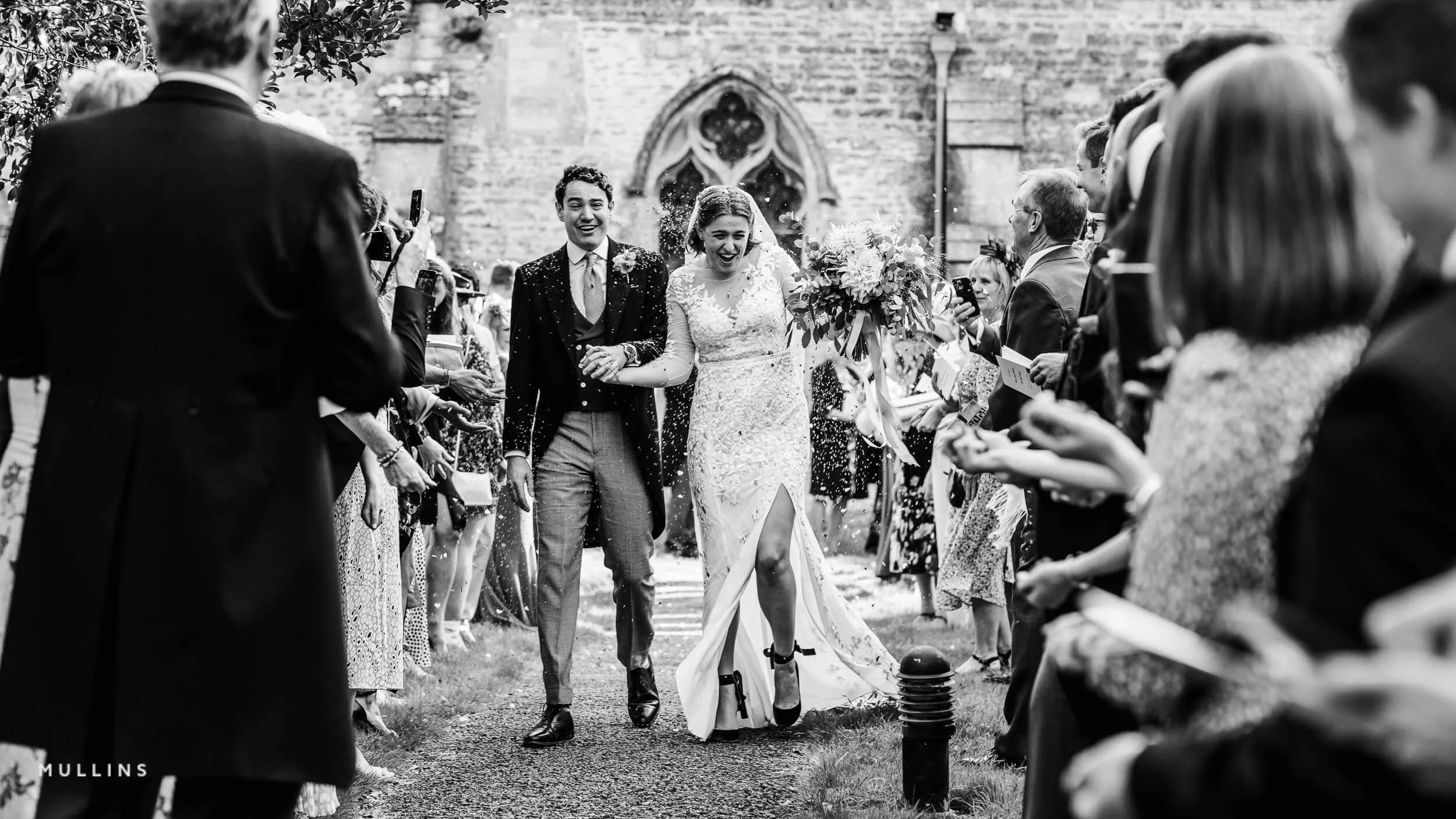
Pick a type of moment that you know you overshoot. For many people, at weddings at least, it is speeches, confetti, or dancing.
Give yourself a hard limit: three frames, then stop.
So, for example, during speeches:
You see the setup for a laugh.
You frame, you wait, you shoot once at the build-up, once at the peak, once at the after-moment.
Then you are done with that moment.
At first, it feels brutal. But then it starts to feel calm. You realise you do not need twelve frames of the same thing. You just need the one that feels most like how it was in the room.
2. Turn off burst mode for a day
It sounds silly, but this really works.
Put the camera into single-shot drive mode and leave it there for the entire job or walk. No high speed, no medium speed. One press, one frame.
You will feel a tiny extra resistance each time your finger goes near the shutter. That resistance is useful. It asks, “Do you really mean this?”
3. Stop shooting through the most emotional moments
This is a big one for weddings and I talk about this a lot in my self-paced online course The Art of Documentary Wedding Photography.
When someone is crying, or there is a very private exchange, resist the temptation to shoot through the entire thing. Make one or two frames, then lower the camera and let them have the rest of the moment to themselves.
Often, the strongest image is the first one you made, when you were still fully present and not thinking about whether you should “keep going just in case”.
It might feel counterintuitive, but giving people that space tends to build trust, and that trust often leads to better photographs later in the day.
4. Delay chimping instead of “fixing it in the next frame”
Overshooting and obsessive chimping are usually twins.
Try this: once you have made your frame, do not look at the back of the camera for at least a minute. Stay in the scene. Let the moment breathe. Trust your exposure and your timing.
If the frame is not perfect, that is fine. You learn more from slightly imperfect honest frames than from ten nearly identical safety shots.

What changes when you commit to fewer frames
When you start working this way, a few things shift.
Your contact sheets become clearer. Instead of long streams of almost-duplicates, you see little groups of intention. Here is the frame where you committed. Here is the next scene. And so on. It gives your edit a natural rhythm and pace.
Your style quietly becomes more defined. Because you are forced to decide, “This is the moment I care about,” the work begins to reflect your taste. Maybe you favour the build-up more than the punchline. Maybe you are drawn to the quiet in-between expressions. You only really discover that when you stop trying to keep every option open.
You also free up mental space. You are not worried about filling cards or fighting with culling software later. You are just there, with the people in front of you, waiting for the one frame that feels honest.
Clients notice this, even if they do not have the capacity to mention it. They just know you were with them, not hiding behind a machine gun.
Bringing it back to why you started
Most of us did not pick up a camera because we wanted to sit in front of dual monitors comparing version 7 to version 8 of a confetti shot.
We started because the idea of freezing a single moment felt magical.
Trusting one frame is a way of returning to that. It is not about pretending we are shooting film or throwing away the benefits of modern cameras. It is about using all that technology in the service of something simple:
Be there.
Pay attention.
Decide.
Click once.
Next time you are out with the camera, try it for half an hour. Pick a scene, give yourself a tiny frame budget, and see what happens when you commit to one photograph instead of twenty.
You might miss a few things. That is OK. You might also find that the frames you do make feel more like the day, and a bit more like you.