

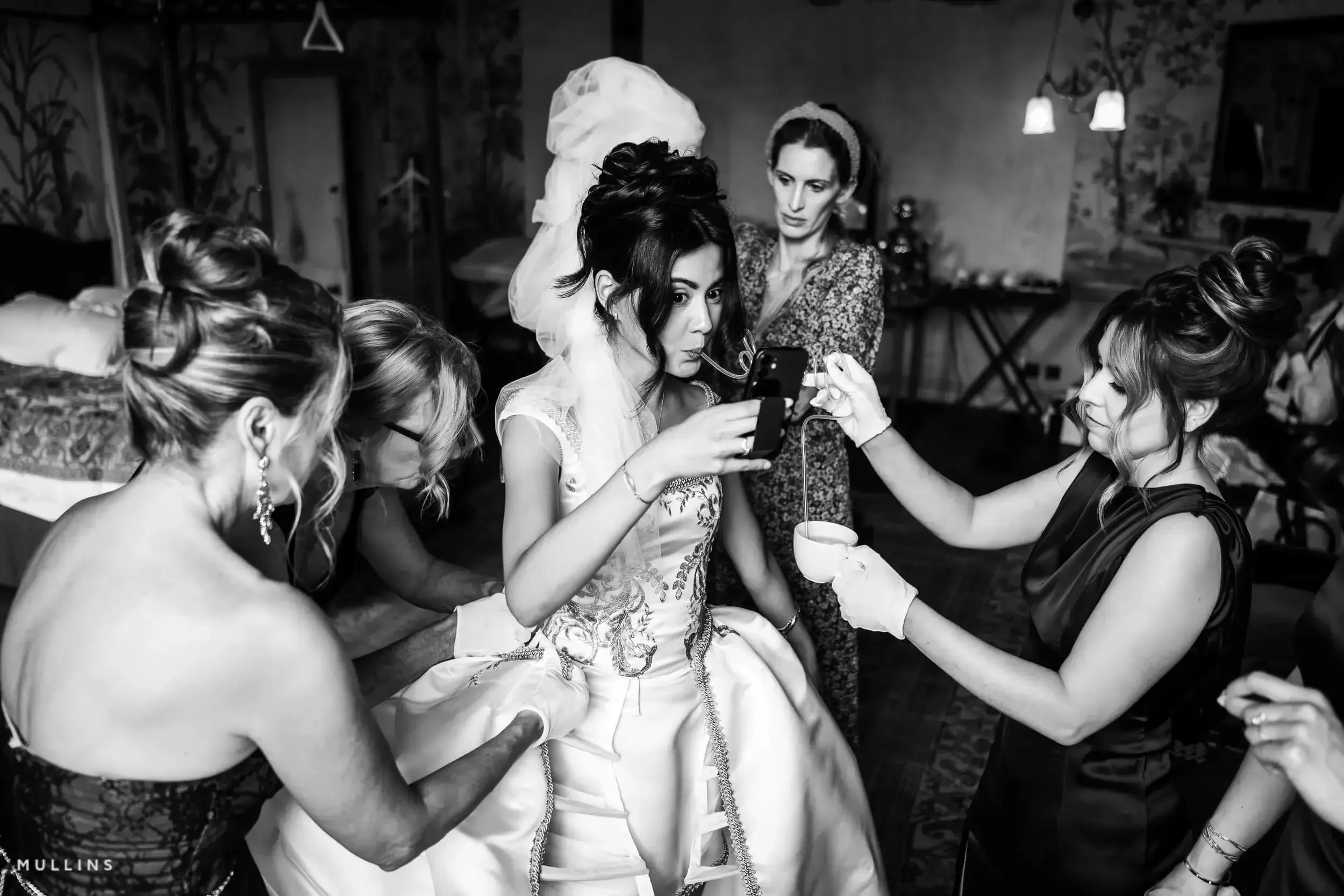
No direction. No posing.
Just the day.
— What is documentary wedding photography?The real story, honestly told.
Documentary wedding photography simply means photographing the day as it actually happens.
No direction, no posing, no asking you to stage a moment. The photographer works as an observer, close to the action, as unseen as possible, capturing real events as they unfold.
The approach goes by several names: wedding photojournalism, reportage wedding photography, and candid wedding photography.
What they share is a commitment to honesty & integrity. The wedding is witnessed by the photographer whose role is to use their understanding of Light, Composition & Moment to record the day pictorially.
Crucially, the couple is free to spend the day with the people who came to celebrate with them.
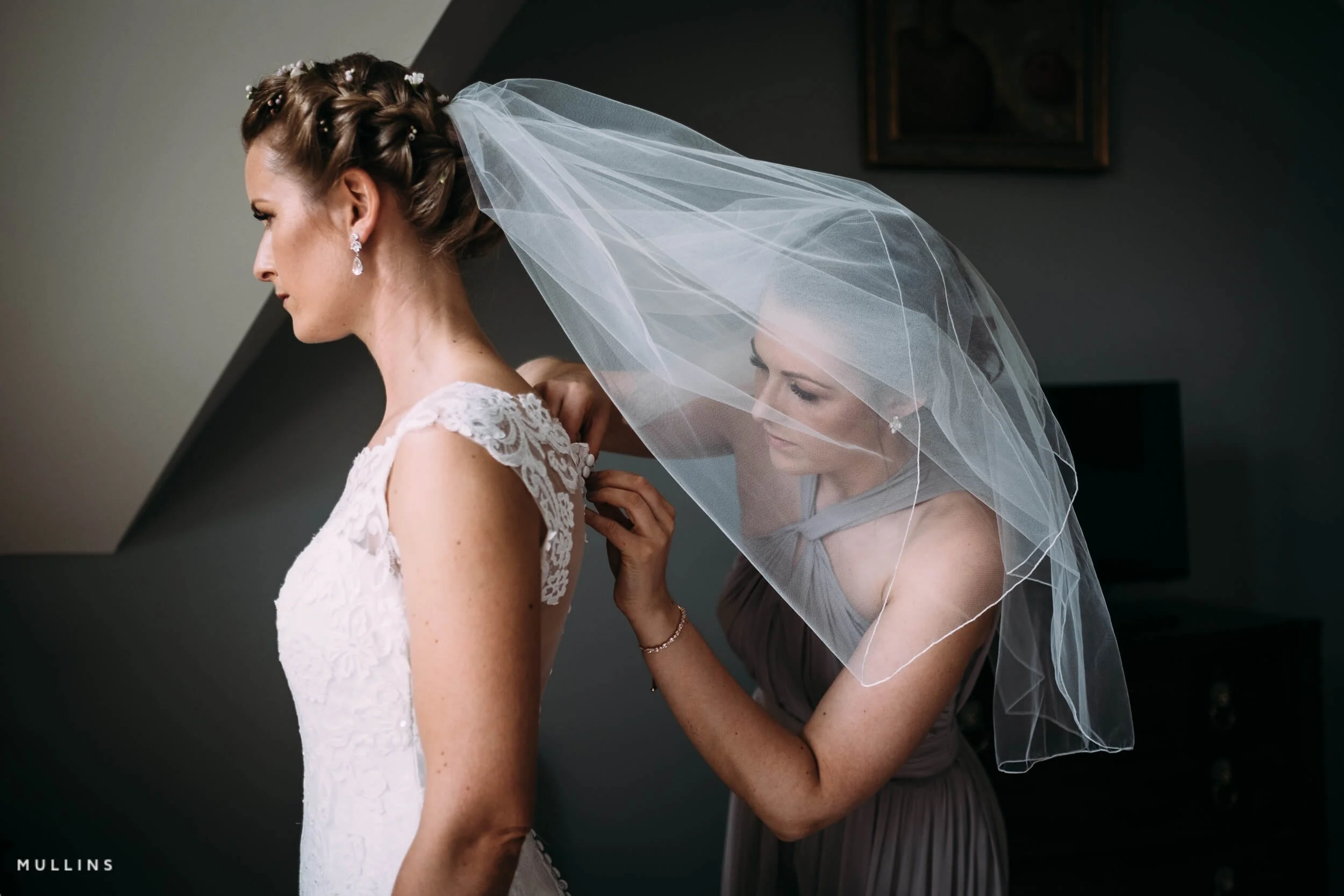 Bridal prep always reveals wonderful photos
— THE PHILOSOPHY —Three things, always in mind.
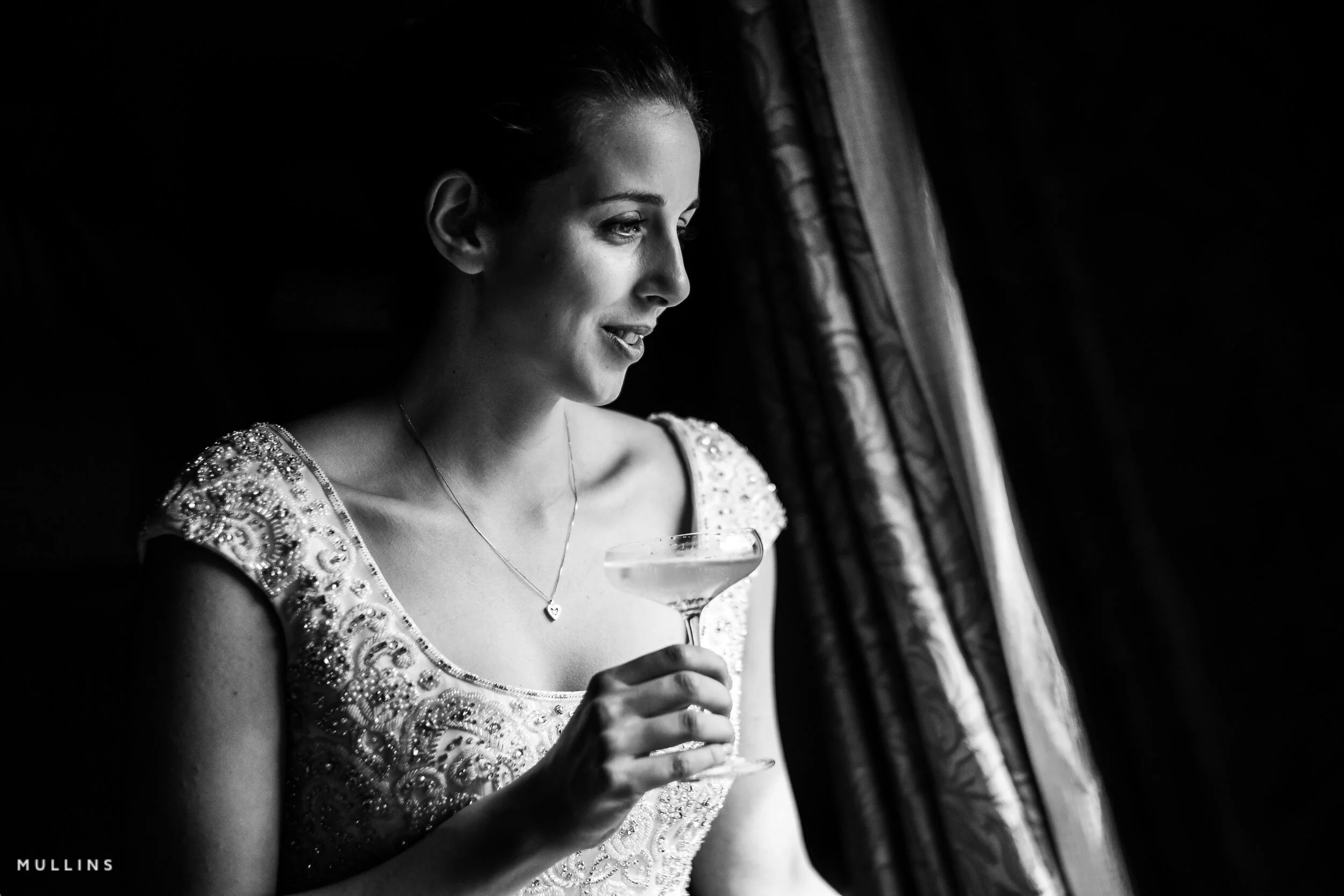
Light
Great wedding photography starts with available light: how it falls, where it goes, and what it reveals or hides.

Composition
The frame matters as much as what is in it. How the people are placed, the layers behind them, the space at the edges.
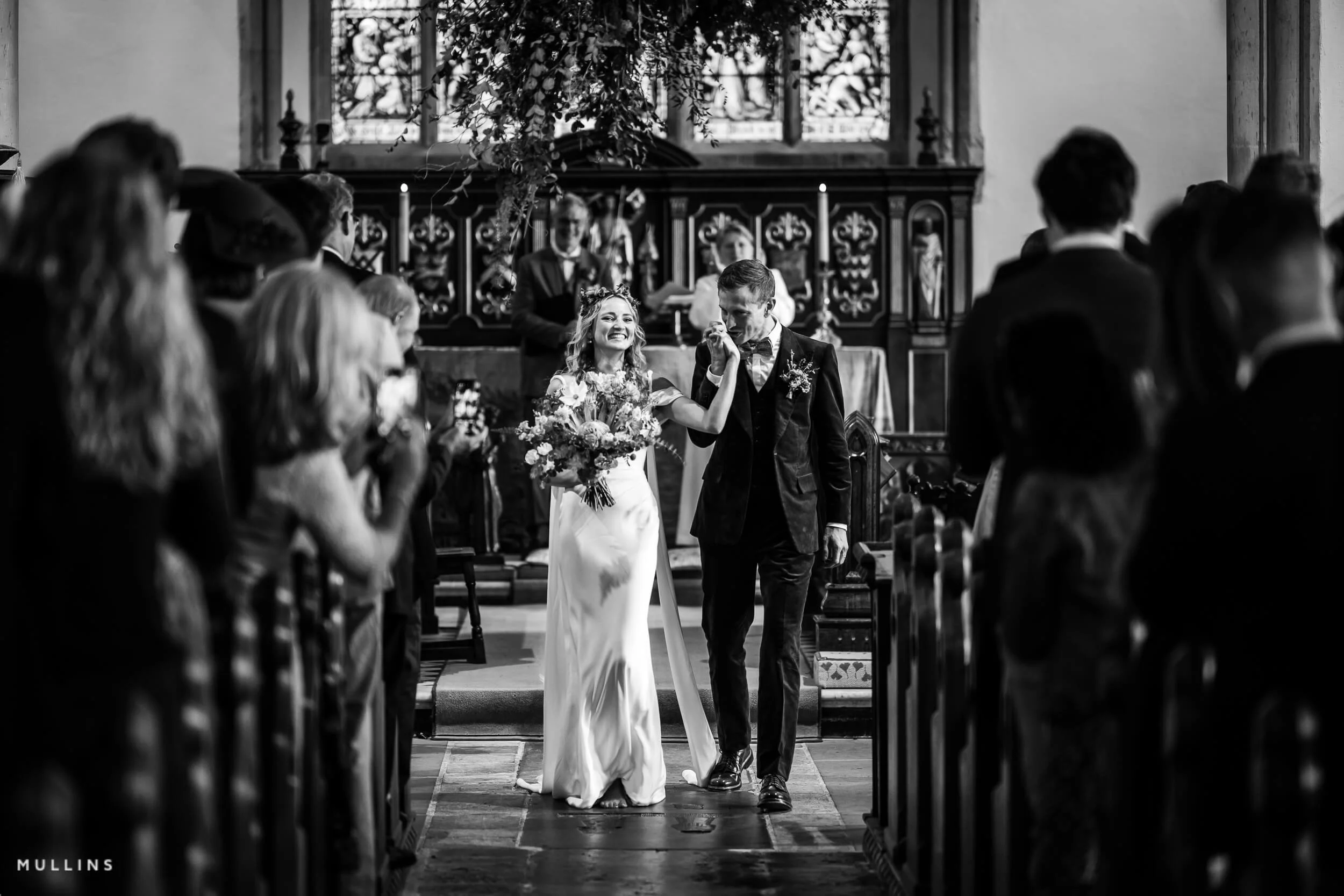
Moment
The brief, unrepeatable instant when something true happens: a look, a reaction, a tear in the eye. The moment is the reason for all the rest.
— IN KEVIN'S WORDSFor me, an image has to have context and tell a story. This photograph, taken at a wedding in Scotland, captures the feelings of a father as he watches his daughter exchange rings.
Documentary Wedding Photography is about creating a unique, authentic set of memories. It has been my privilege to tell over 800 wedding stories. I know that the children, grandchildren, and great-grandchildren will have real moments of real people to look back on in celebration of the day.
— KEVIN MULLINS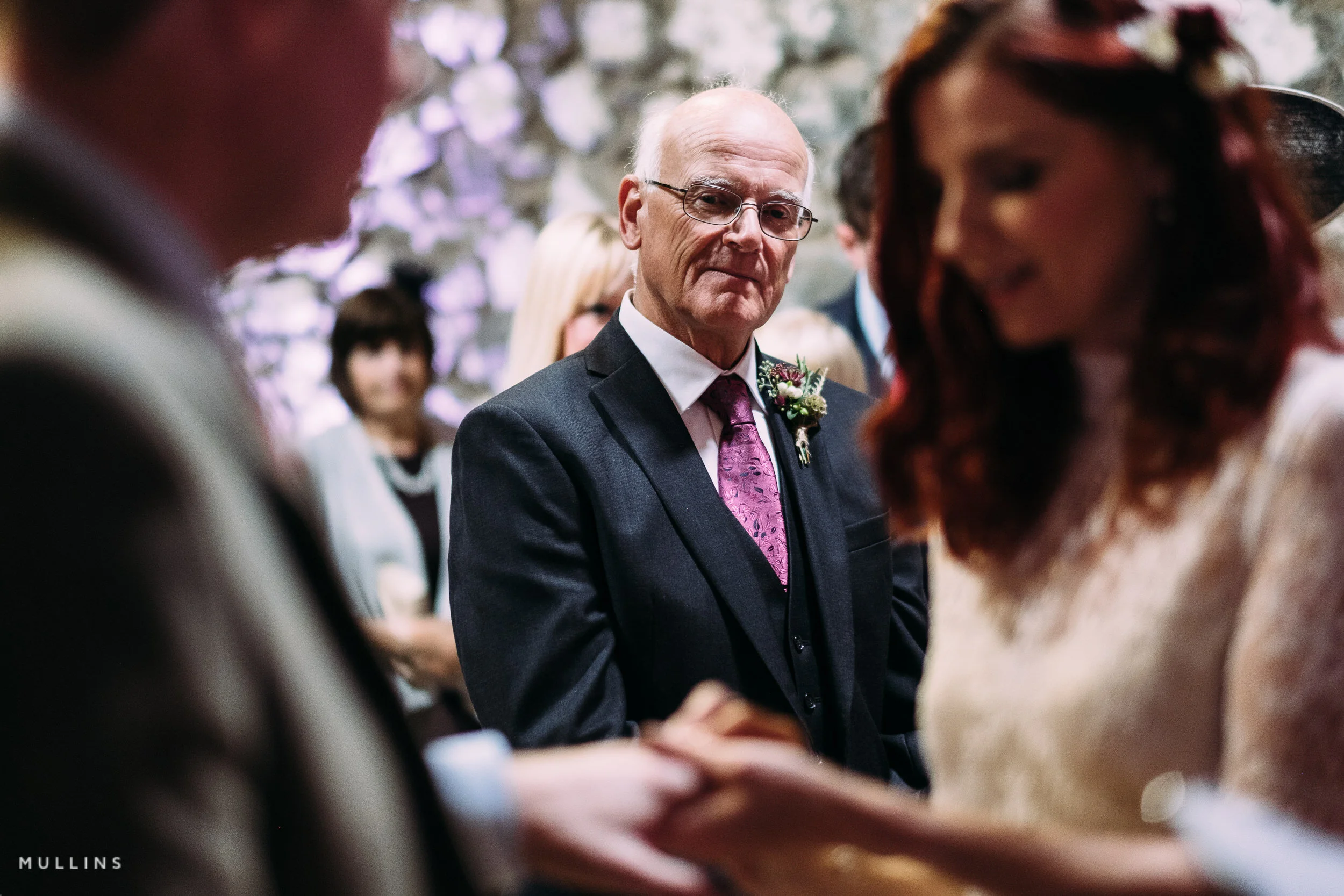 Using observation skills are crucial
I Morning


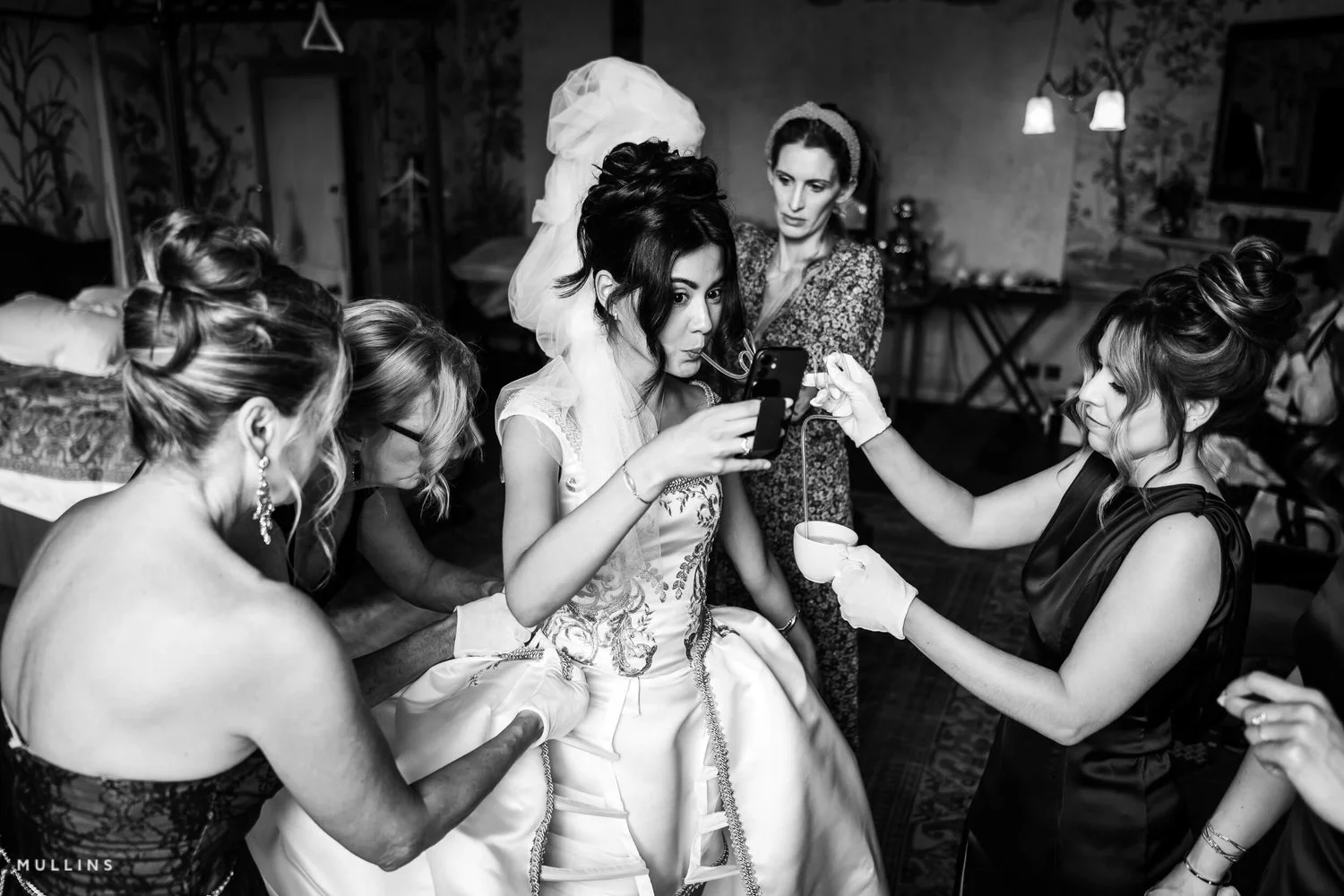
The story begins before the ceremony. In the last hour of preparation, where there are nerves, laughter, and small moments shared with the people closest to you, the day begins to reveal itself.
II Ceremony
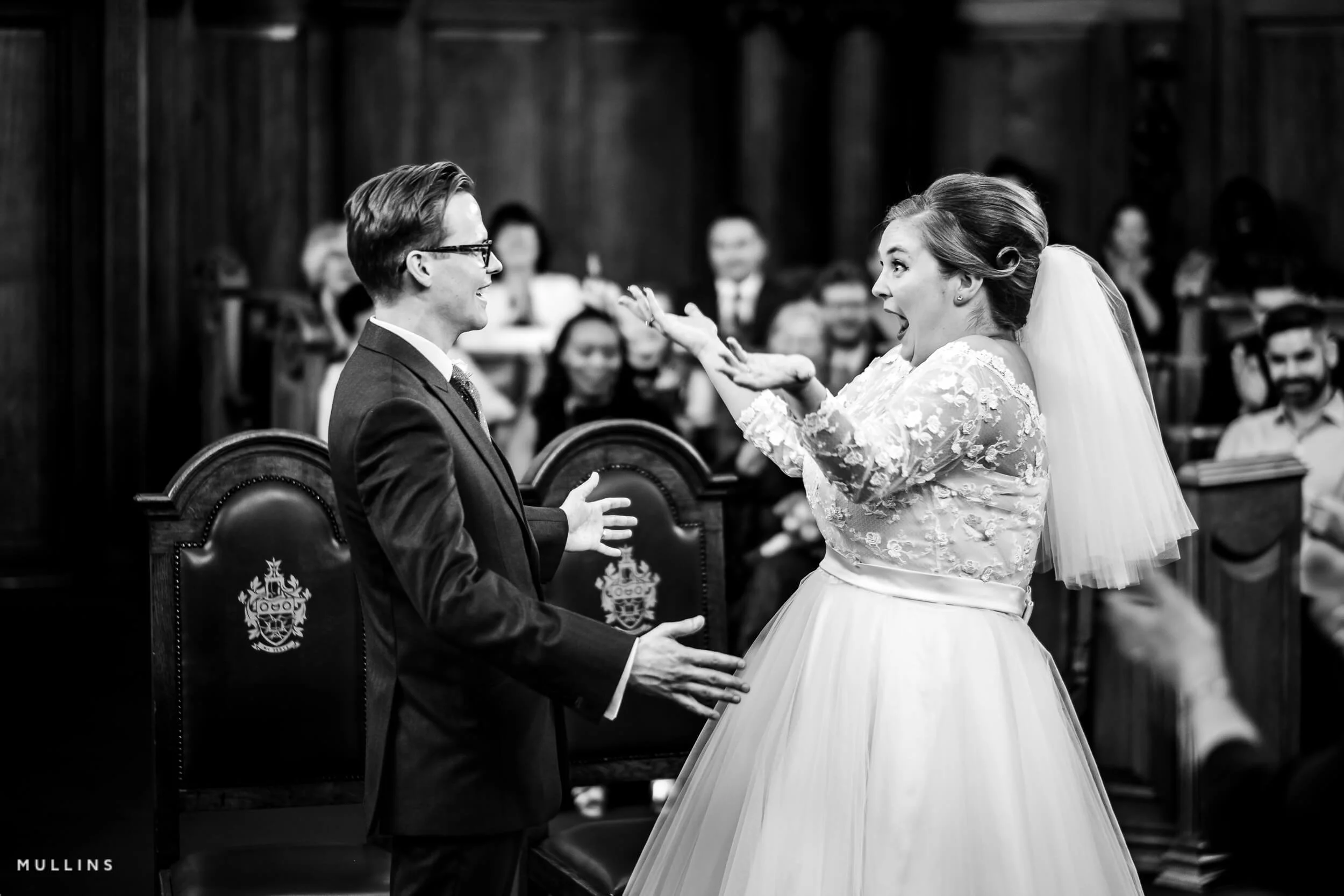 We did it
The ceremony is the main event. A good image from this part needs context: the people watching, the space around the couple, the light in the room, not always just the two people at the front.


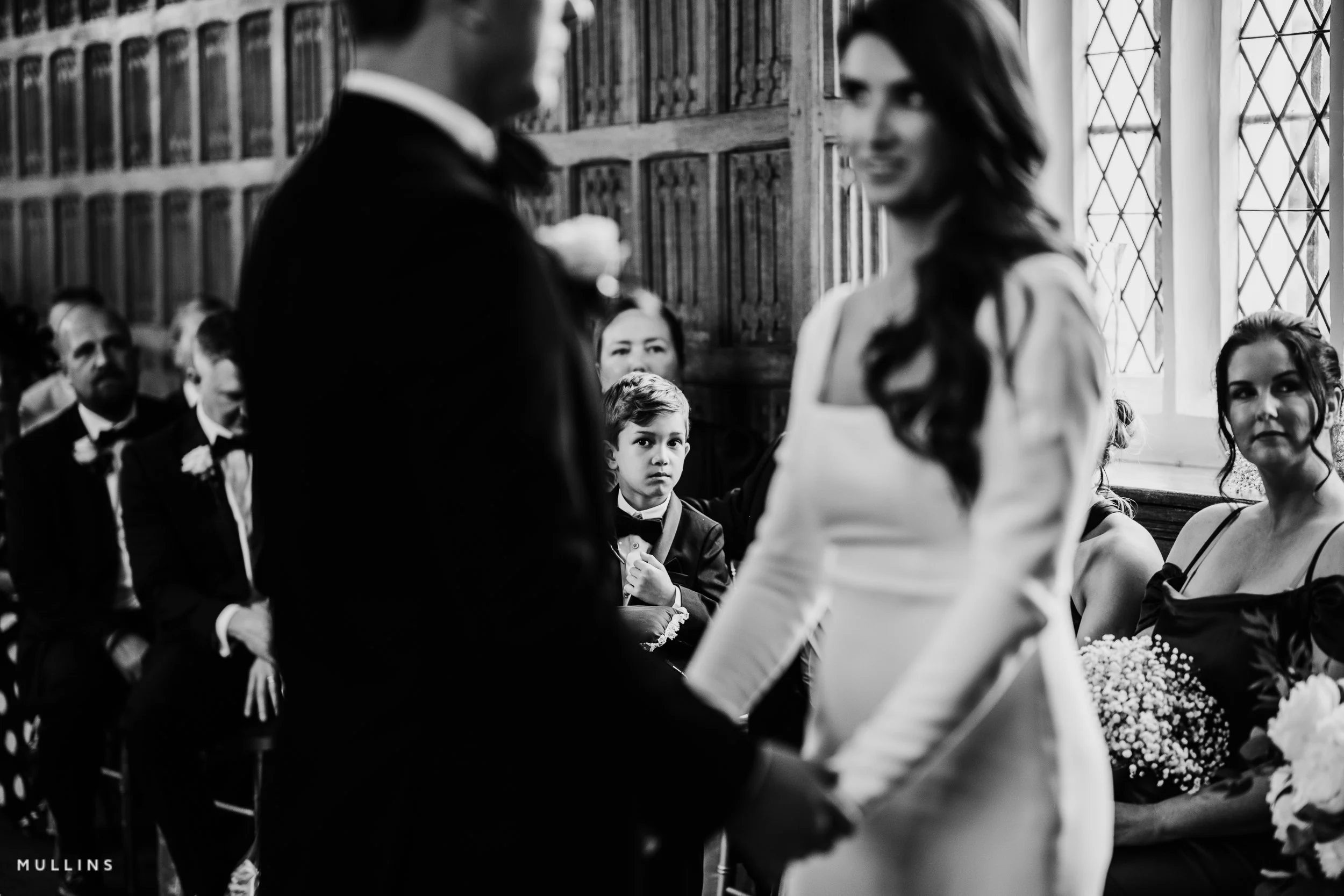
III Reception
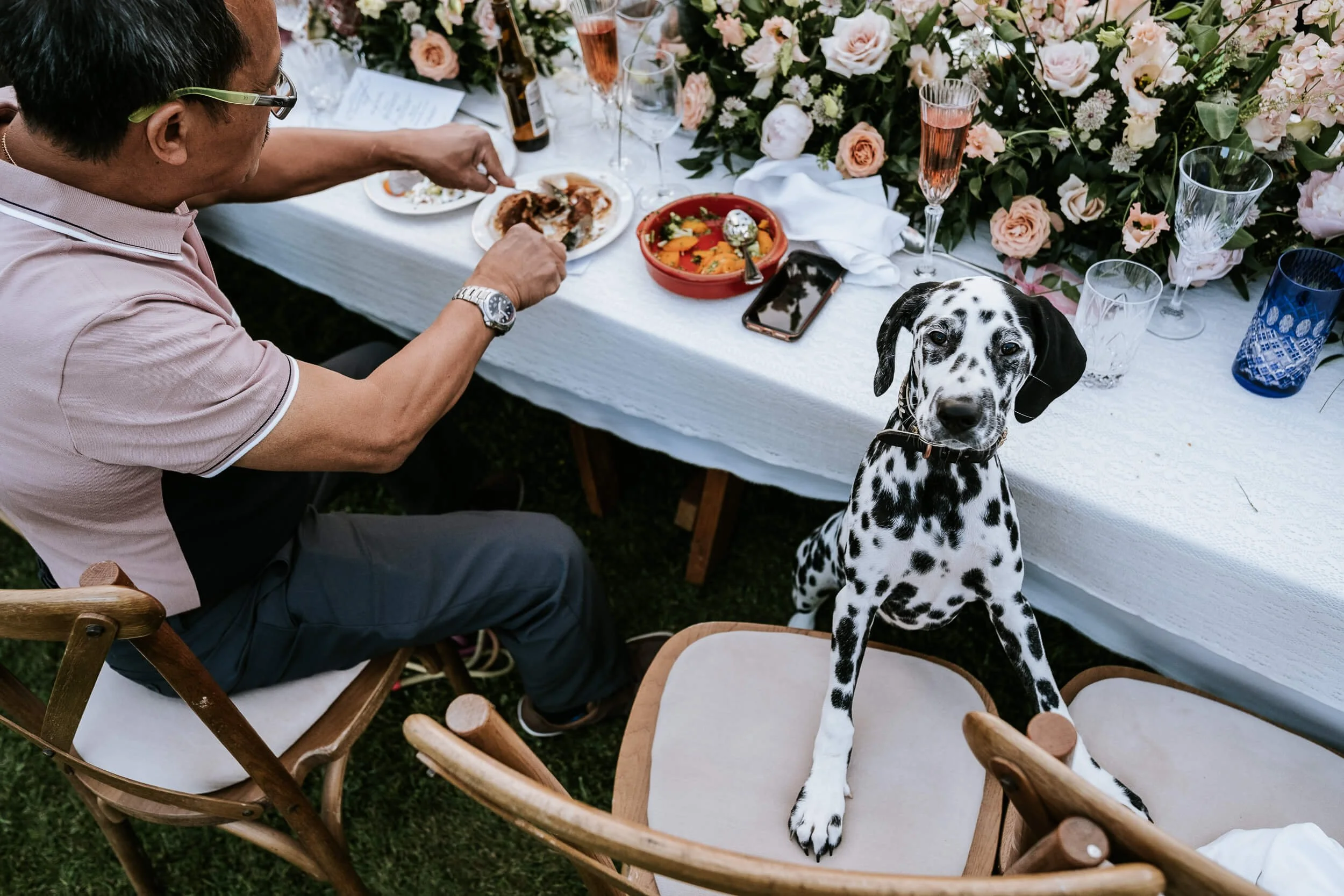 Every guest is part of the story
After the ceremony, guests relax, and real characters emerge. The best reception images usually happen in the peripheral.


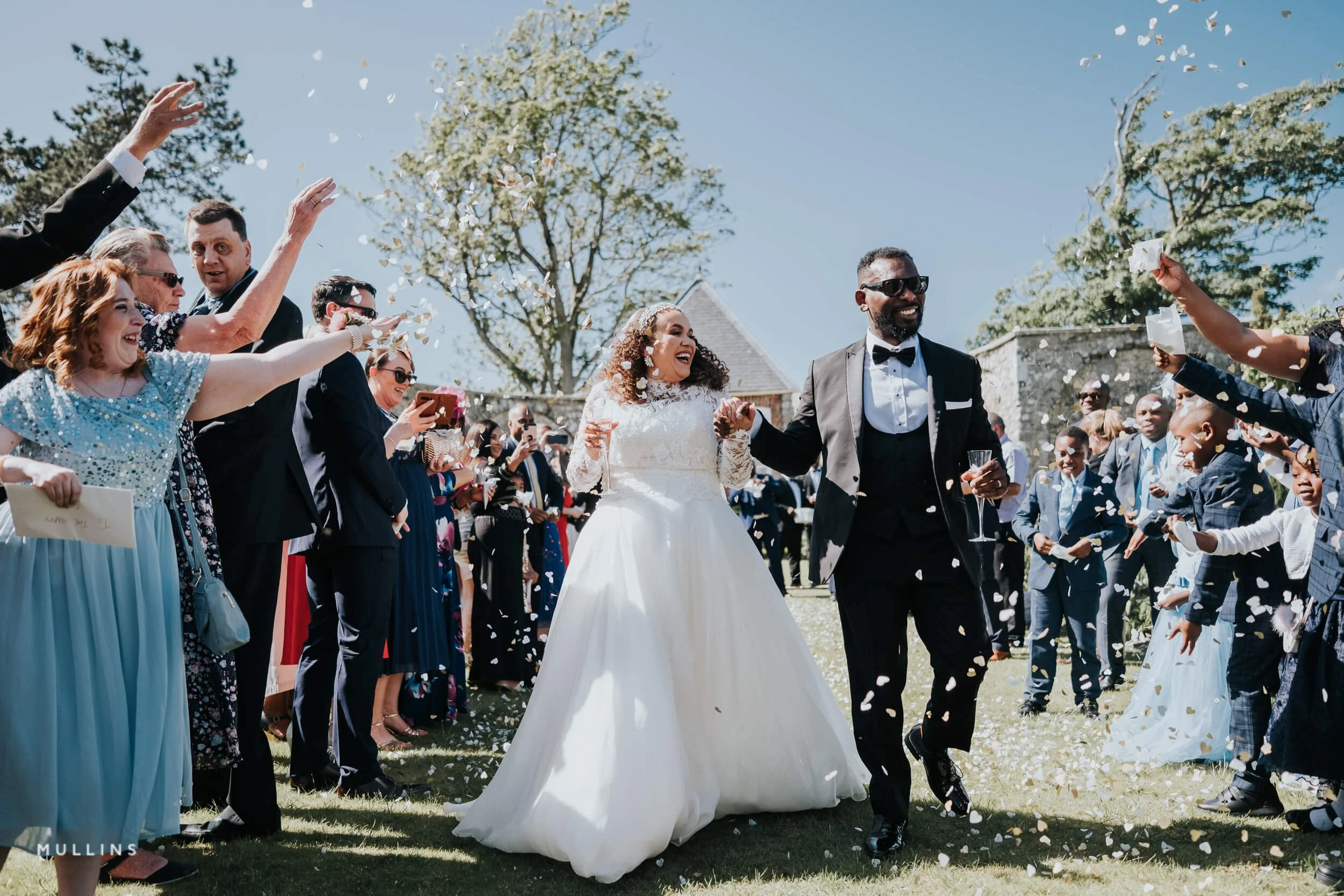 A very british tradition
IV Evening
As the day closes, the mood changes. The dancing, the music, the characters. And the moments that couldn't have been planned by anyone.
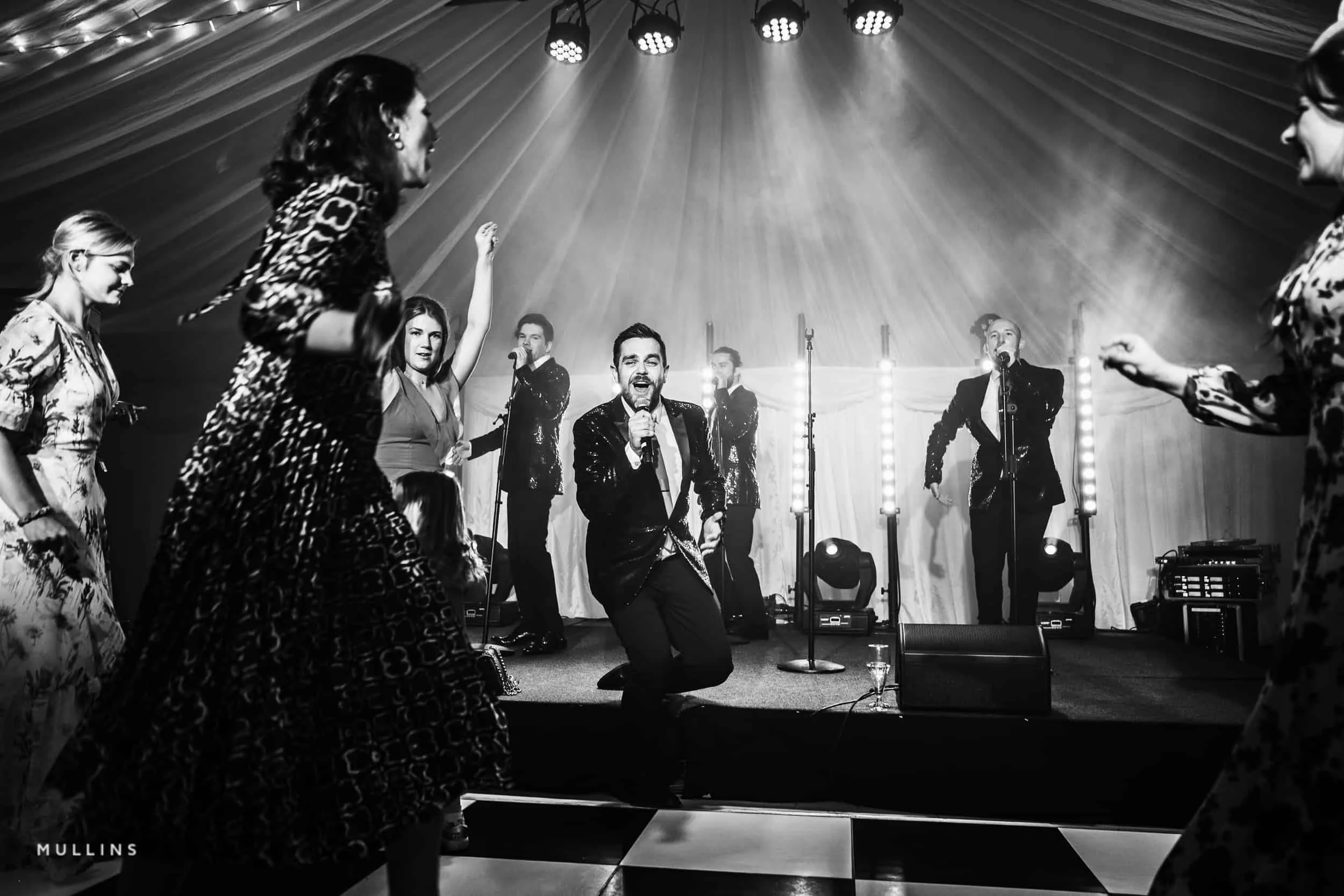 Evening events tell a huge part of the story


— The full storyThe details matter too.
Documentary wedding photography tells the complete story of the day, including the details.
The dress before it's worn. The cake before it's cut. The flowers, the light through the window, the empty room before the guests arrive; all from a candid point of view.
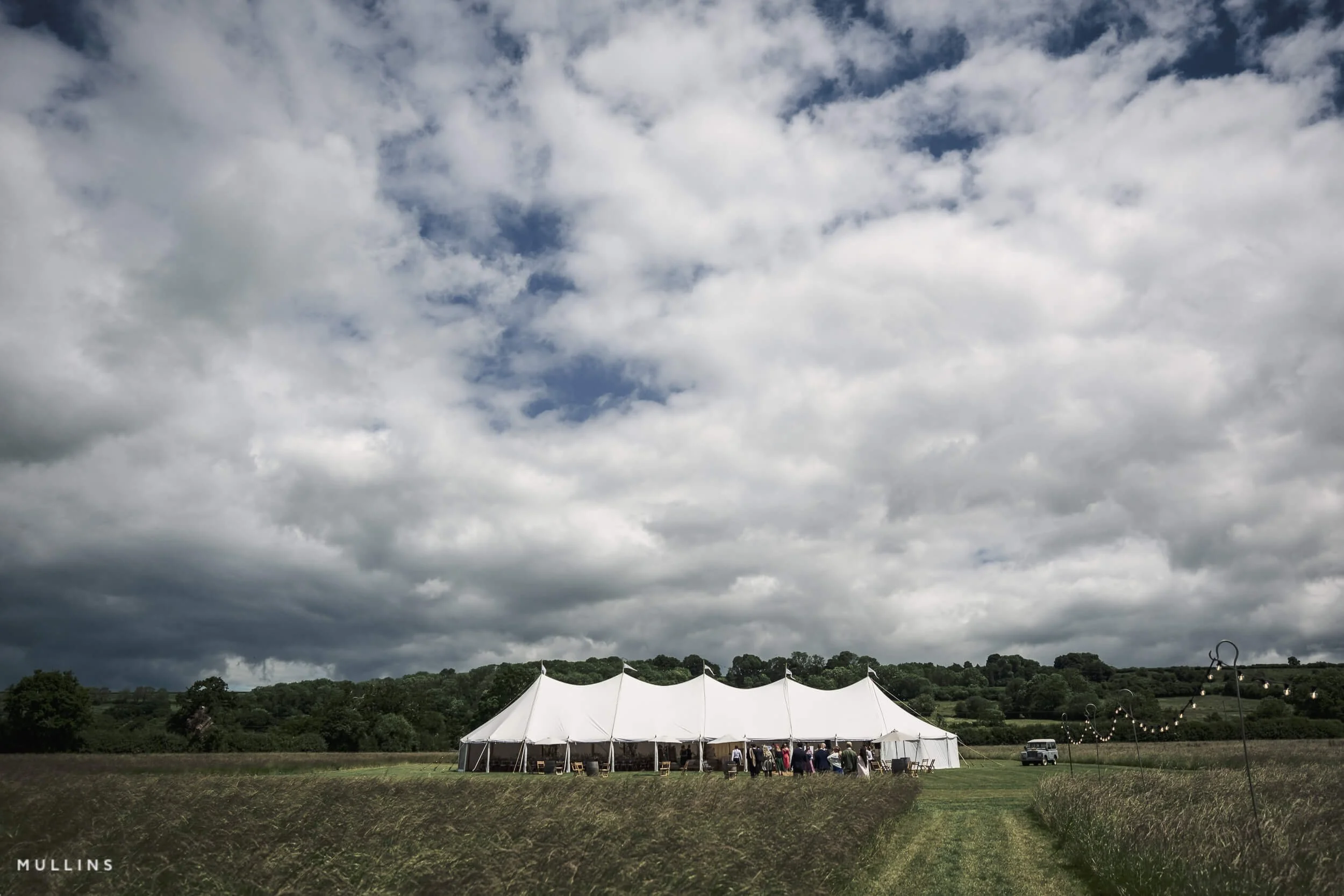 The details glue the story together


Kevin at work.
Since 2013, Kevin has served as Fujifilm's first-ever wedding photographer X-Photographer ambassador. Fujifilm produced this short film that shows its thought process and shooting approach during a wedding.


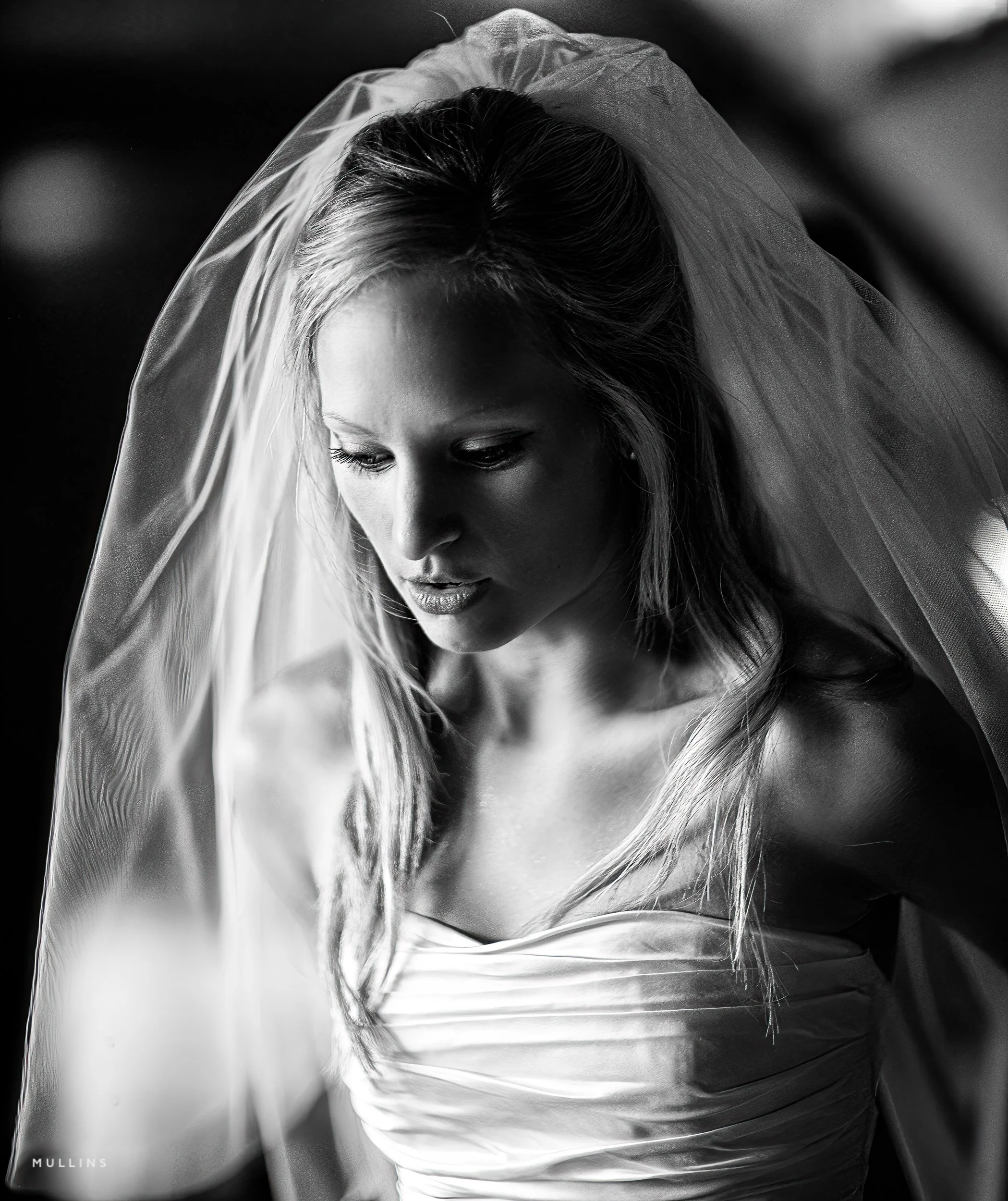 Monochromatic images can be very powerful
— A note on monochromeBlack and white, and colour.
There is a strong affinity for black-and-white photography in Kevin's work.
Monochrome frequently brings out the emotion that colour masks: the tones, the grain, the contrast.
It focuses the eye on the people and the moment.
That said, colour is an essential part of any wedding celebration: the dress, the flowers, the light in the room.
Every wedding is delivered in both black and white and colour.
Even an image that works beautifully in one will work in the other.
The names
Documentary wedding photography is sometimes called wedding photojournalism or reportage.
The terms are broadly interchangeable; all describe an approach in which the photographer observes rather than directs, and where the images are an honest record of the day rather than a curated set of staged photographs.
What matters less than the label is the work. Look at a photographer's full galleries, not just their chosen highlights, and ask whether the images look like a day that actually happened.

You get married.
I tell the story.
Questions about the style.
These questions are about documentary wedding photography as a genre.
For questions specific to Kevin, booking, fees, equipment, and travel, the dedicated FAQ page covers those.
-
Documentary wedding photography is a candid style of wedding photography in which the photographer does not direct or pose the couple or guests. The photographer observes the day as it unfolds and records it honestly: the real moments, exactly as they happen, without staging or manipulation of any kind.
-
A documentary wedding photographer covers the full story of the day, from bridal preparations to the last dance. They focus on genuine moments throughout: emotions, interactions, details, and spontaneous events, using light, composition, and timing rather than direction.
-
Yes. Most documentary wedding photographers will make a small number of formal group photographs if asked. It is a brief part of the day, leaving the rest of the coverage entirely candid.
-
Most documentary wedding photographers deliver a mix of colour and black and white. Black and white often suits more emotionally charged images, while colour captures the atmosphere and warmth of the celebration. Couples typically receive both.
-
Bridal prep photography covers the hour or two before the ceremony, the final stages of hair and makeup, getting dressed, and the morning's nerves and laughter. It is often where some of the day's most intimate and natural images are made.
-
Documentary wedding photography has grown in popularity as couples have moved away from formal, posed wedding images toward photographs that reflect the day as it actually was. Smaller, quieter cameras have made the approach more practical and photographers can now work closer and more unobtrusively than was once possible.
-
Look at their portfolio not just the highlights, but full galleries if you can find them. A genuine documentary photographer should show consistent evidence of candid, unposed images: real expressions, genuine reactions, and moments that clearly were not arranged. If a portfolio is full of posed portraits and orchestrated shots, the work is likely traditional or hybrid rather than truly documentary.
Ready to talk about your day?
Kevin photographs a select few documentary weddings each year.
If yours sounds like the right fit, get in touch. He replies to every enquiry personally.
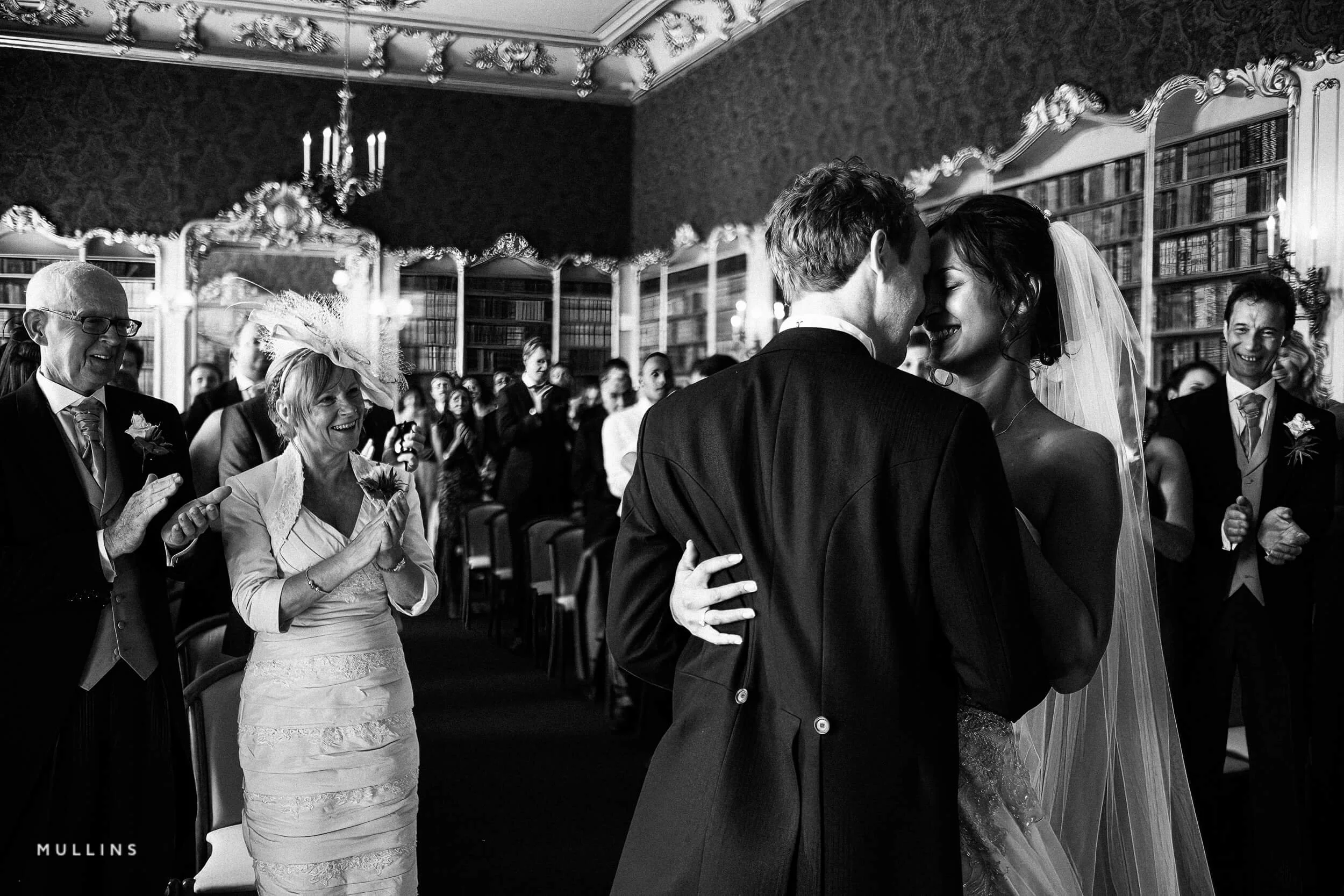 You marry, I tell the story
The St. Giles House Wedding of Isobel & Geordie.